Experiencing an emergency? Call 972-914-0833

Ready to Experience the Dial One Johnson Difference?

Your go-to resource for HVAC and plumbing solutions, DIY guides, and home maintenance tips.

Got an emergency? Call 972-914-0833 or …

Explore by topic:
Posted in

Reasons for a Dishwasher Clog & How to Fix it

When it comes time to do the dishes, the last thing you want to see is a standing pool of water at the bottom of your dishwasher. It’s a telltale sign that you’ve got a clog, and you’re going to have to take care of it before you have the convenience of your dishwasher back. Today, we’ll take a look at dishwasher clogs, their common causes and how you can fix them at home.

When clogs cause you problems, it’s time to call an emergency plumber in Midlothian, TX. Dial One Johnson Plumbing, Cooling and Heating can come to remedy even the most stubborn dishwasher clog in no time. Give us a call at 469-518-2809 to schedule an appointment.

Signs of a Clogged Dishwasher

Before you can fix the problem, you have to be able to identify it. Dishwasher clogs come in all kinds of forms. It could be food debris causing the issue or something out of your control, like a sewer line issue. Whatever it is, you won’t be able to operate your dishwasher again before you fix the problem.

Below, you’ll find some common signs you’ve got a clogged dishwasher.

Water Backing Up in Sink

Take a quick peek under your sink. If you haven’t already, it’s good to acclimate yourself with some basic plumbing locations. This is especially the case for items like your main shutoff valve. If you follow all the lines, you’ll find that the dishwasher connects to the drainage system of the sink in your kitchen. If you always seem to see water rising from the sink when you run the dishwasher, it could be a signal that something is wrong.

Odd Noises Coming from Your Drain

Another great tip is to listen to your dishwasher while it’s running and the sounds coming from the drain. It might seem silly, but if you can get a good gauge of what “healthy” sounds like, you might be able to identify an issue when it comes up. If you’re hearing abnormal noises coming from your drain like gurgling, thumping or shaking, it might be time for your local Midlothian plumbing service.

Slow or Irregular Draining

Keeping up with our theme of becoming more acquainted with your dishwasher, having a good gauge of a regular draining cycle can help you spot a clog before it stops the drain completely. If you happen to see a little water still trying to slip down the drain slowly, you could have something stuck in the path keeping the water from flowing freely.

Pooled Water in Unit

Okay, so this one should be obvious. If you run your dishwasher and, lo and behold, water is reaching the lower rack — you’ve got a problem. Standing water is often chock full of all the nasty food bits that came off during the cycle, so nothing is clean either. Suffice to say; you definitely have a stubborn clog to fix.

Poor Performance

Your dishwasher should always leave you with a clean load of dishes. If it’s not, it could be a sign that a clog is causing debris and grime to stay stuck on your dishware. You might not see standing water or water filling your sink, but slow draining you can’t see could be leading to your dishes coming out dirty.

What Causes a Dishwasher Clog?

All kinds of things cause clogs. But the most common one? Well, that’s improper use. While your dishwasher can handle quite a bit of sticky food, you want to make sure that major pieces of debris never make it into the device. Part of keeping your dishwasher healthy and lasting longer is managing clogs. Think about the kinds of things you might put down your garbage disposal — keep those out of the dishwasher.

But that’s just of the many causes; here are a few more:

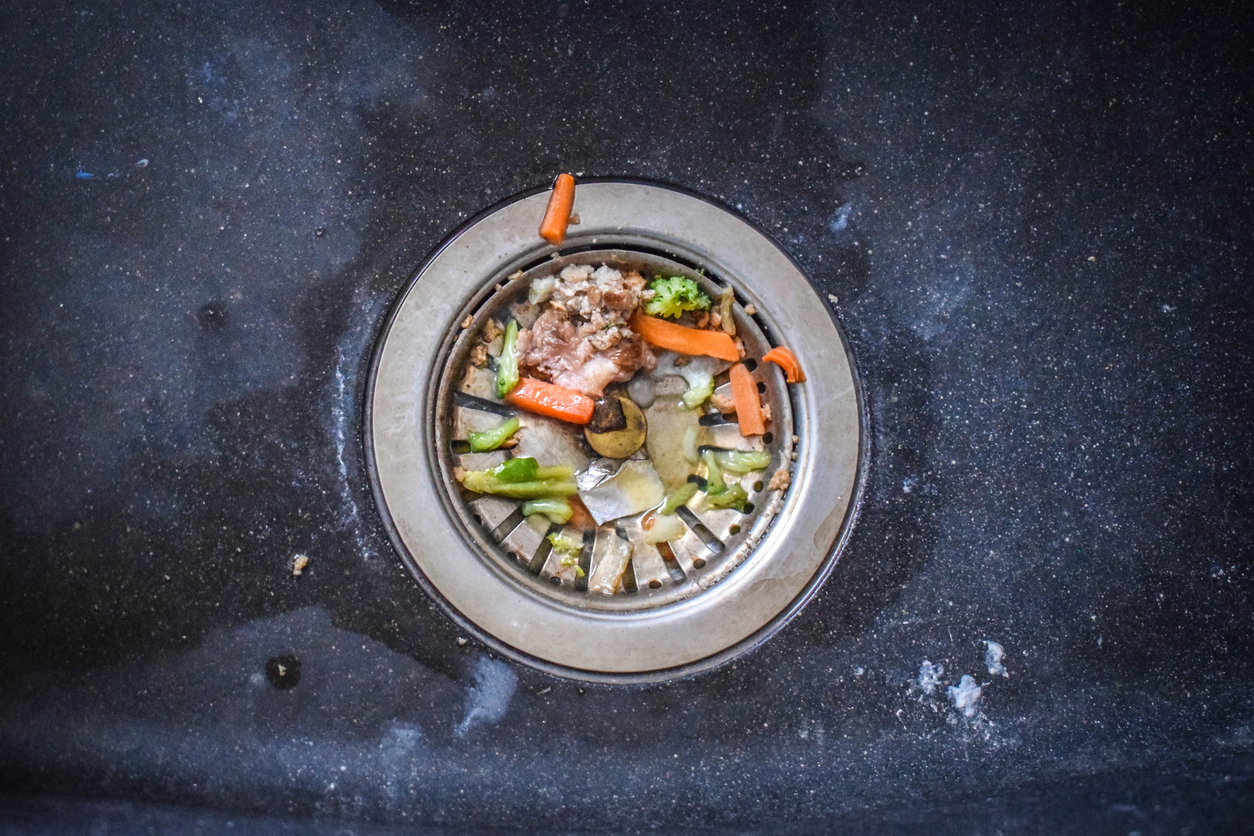
  • Food Debris and Other Obstructions — As we already mentioned, big pieces of food and debris can easily get caught in the grates of your dishwasher.
  • Clog in the Drain Hose — The drain hose that leads to your main drain can build up debris over time and be the source of the clog.
  • Garbage Disposal Issues — Since your garbage disposal is part of the same network of drains, a problem here can cause other issues in the system.
  • Main Drain Clog — If you are seeing signs of a clogged main drain, your dishwasher won’t be draining either.
  • Sewer Line Break — A broken sewer pipe can easily cause all the drains in your home to stop operating.

How to Fix a Dishwasher Clog

After you diagnose the problem and find the source, the next step is to unclog the drain. Before you proceed, you’ll need to get some plumbing tools. In the case of your dishwasher, a plunger just won’t cut it. You’ll need something more heavy-duty like a drain auger, some baking soda and vinegar.

Here are a few simple steps to follow to tackle a stubborn clog:

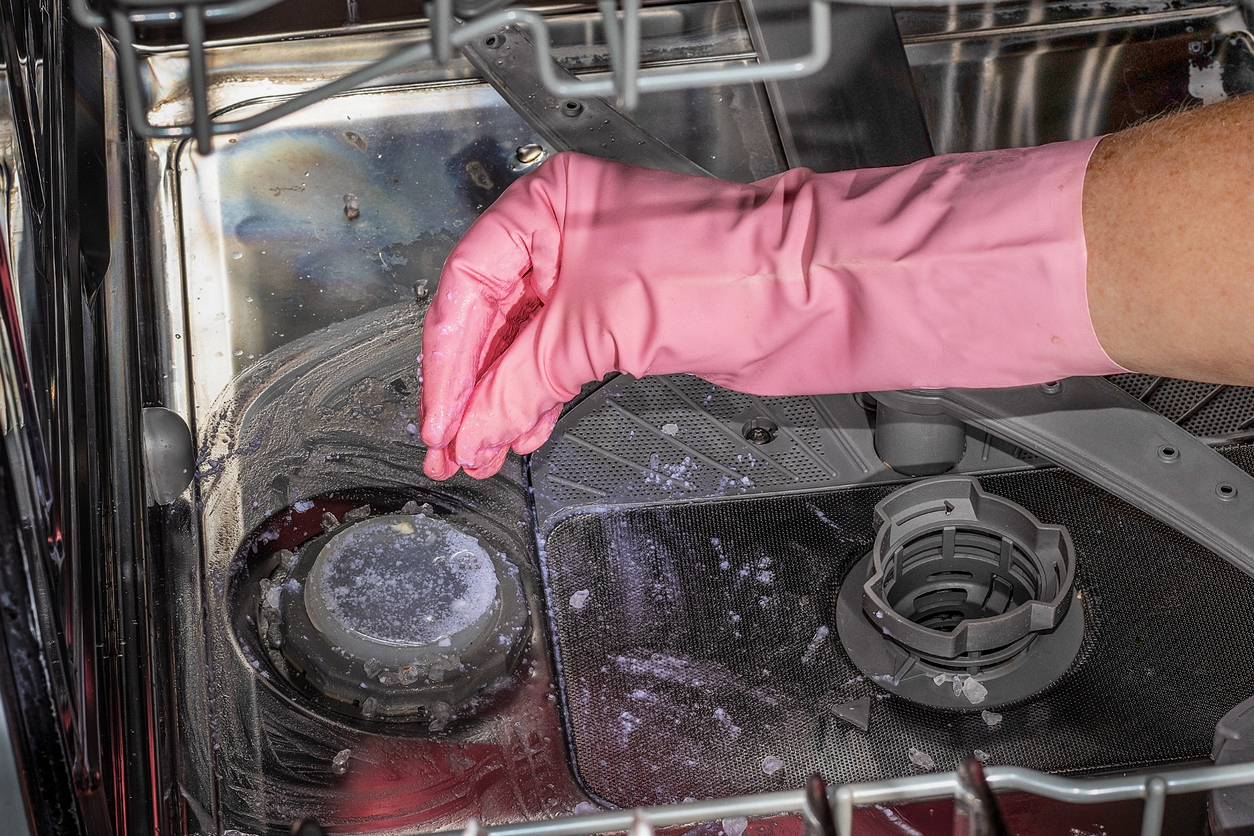
  1. Remove the racks in your dishwasher. This will make it much easier to work.
  2. At the bottom of your unit, you should find some kind of grates. Remove them with a screwdriver.
  3. From here, you can try the drain auger or the baking soda and vinegar clearing method — or even both.
  4. Once you see water freely flowing down the drain, it’s time to re-assemble the unit.
  5. Give the dishwasher a test run to make without a load to make sure everything is operational.

Keep in mind that the clog may be somewhere else in the draining system. If that’s the case, it might require a different approach. If you can’t seem to fix the problem, you can always dial up your local emergency plumber in Midlothian, TX. They are sure to have the tools and the expertise to fix your clog.

Where to Find Quality Midlothian Plumbing Services

A clogged dishwasher is no fun to handle. If you want to take the hassle out of fixing a clog, Dial One Johnson Plumbing, Heating and Cooling has the emergency plumbers in Midlothian, TX, you need to get the job done quickly, efficiently and without breaking the bank.

To get a plumber to your door, reach out online to schedule an appointment.

Author Bio:
Sherrie Johnson-Hartsock
Dial One Johnson Plumbing, Cooling & Heating is now owned and operated by Sherrie Johnson-Hartsock, with his grandson, Daniel Johnson, a third-generation plumber who is also the Service Manager.
 

Posted in

Best Bathroom Mold Prevention Tips

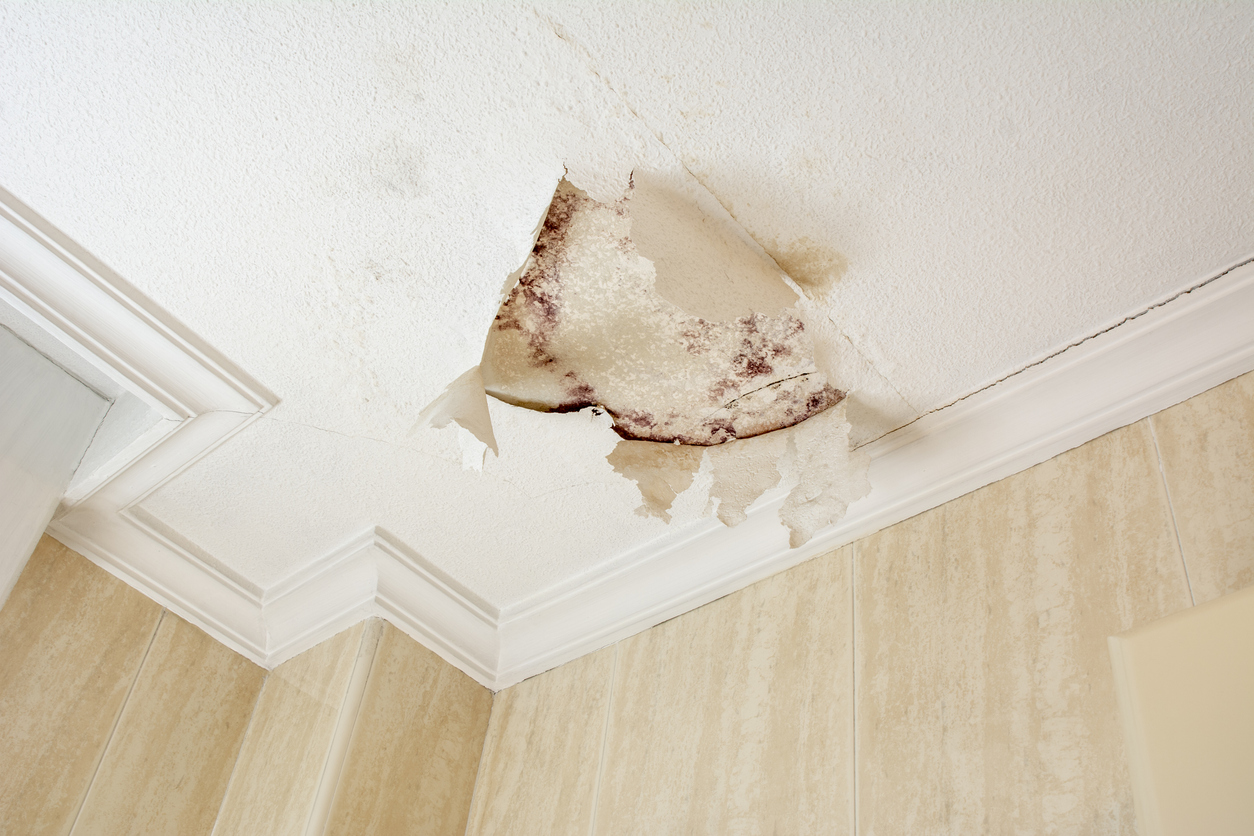
The scariest thing to find in your bathroom is hard-to-reach, stubborn mold growth. When you go for a shower and notice some spots dotting the tile, it should alert you that something is wrong. Dealing with mold is just part of maintaining the cleanliness of your bathroom, and with the right tools you should be on your way to a sparkling bathroom in no time. Read on to learn more about mold growth and how to prevent contaminants from taking hold in the first place.

Is a leaky pipe or a cracked toilet bowl the cause of that moldy growth? Getting a hold of your local Duncanville plumbers might be the right thing to do if stubborn mold just won’t go away. If you’re on the lookout for affordable care that is always reliable make sure to give Dial One Johnson Plumbing, Cooling and Heating a call at 469-557-2703.

Getting to the Source — What Causes Mold?

We all love a nice comfortable home. When you get the temperature just right on the AC you’ve got your own little slice of heaven. Much like us, molds and bacteria’s love a perfect room temperature home. Add a bit of moisture and it’s on. That’s why bathrooms are often the front lines in the battle against common household molds. It’s also why mold growth is one of the most common plumbing problems in your home.

Generally speaking, if you see a little mold a lot probably sits right behind what’s visible. That’s why the issue is such a problem to handle. You can scrub all you want but if the variables for growth still exist you’ll be dealing with the problem for what seems like forever. Mold and other contaminant growth needs three things:

  • Moisture
  • Proper temperature
  • A food source

If you’ve got all three, well, you probably have mold. This is no trivial matter either, mold and health issues go hand and hand. Moreover, mold and bacteria are all around us. Within the air your breathing right now is likely millions of tiny little spores from all sorts of microorganisms. Once you present an environment with the components for growth, life finds a way. So what can you do to prevent mold growth from starting in the first place?

Tips to Prevent Stubborn Mold Growth

In the war against mold, we’ve got quite an arsenal of tools at our disposal. Now that we understand the enemy and know what promotes growth, we can address the issue head first. You might think that mold growth is hard to handle, but you can control mold. To break the cycle of mold growth, the best strategy is to keep moisture and humidity out of the picture. Below you’ll find some common ways to get this going in your bathroom.

Remember that mold is always going to be an issue. While you can do a lot to manage mold growth in the home, sometimes even the best efforts fall short. But stay diligent, and follow these tips to keep mold growth at bay.

Use a Fan

While you most likely have a fan somewhere in the ceiling already, adding an additional fan in your bathroom can do wonders for keeping things dry. If you’ve got the space, an oscillating fan set in a corner will be perfect. Keep in mind that you’ll want to make sure to place the fan far away from any source of water.

In most cases, you’ll have ground fault interrupter circuits (GFCI) to keep things safe, but just in case, make sure you’ve got plenty of room for your fan to operate. A good habit to get into is turning the fan on after you bathe. As this is the time when your bathroom is its most humid, it’s a good time to try and dry things off.

Make a Squeegee Your Best Bathroom Friend

Do you have a squeegee in your bathroom? Well, if you don’t, it might be time to purchase one. Not only are they cheap and easy to use, but you can find a small handheld squeegee that won’t take up a lot of space. The squeegee helps because it can move the water from stubborn spots toward a drain.

Even a fan won’t hold up to standing pools of water, so make sure you squeegee up the tile surfaces after showers and baths. 

Find and Fix Any Leaks

So we’ve taken a look at how to limit moisture in the bathroom, but sometimes a leak can be the source of your problem. If this is the case, no amount of squeegeeing will help, and even if you stock your bathroom with fans, the water will keep coming back. As a result, the mold will keep on thriving.

If this is the case, your only course of action will be to fix the leaks. On this front, your local plumbing service will be more than happy to help. If you’re wondering, “where can I find the best plumbers near me?” Look no further than the pros at Dial One Johnson Plumbing, Cooling and Heating.

Keep Your Towels Nice and Clean

While keeping the tile dry and squeegeeing your shower can help a lot against stubborn mold, sometimes the problem lies in your towels. If you neglect to clean your towels regularly, you’re inviting nasty contaminants to call your bathroom home. Since cotton makes up most of the material for bathroom towels, it means mold has something to munch on while it calls your bathroom home.

Our advice? Pick a day to clean all the linens in your bathroom. This is the best way to prevent mold and bacteria growth from popping up on your towel rack.

Where to Find Quality Duncanville Plumbers

If you’re on the hunt for the best plumbers near you, Dial One Johnson Plumbing, Cooling and Heating have the quality service you deserve. The qualified team of Duncanville plumbers is here to help with installations, emergencies and even just advice on how to tackle mold growth. Reach out today to schedule an appointment.

Author Bio:
Sherrie Johnson-Hartsock
Dial One Johnson Plumbing, Cooling & Heating is now owned and operated by Sherrie Johnson-Hartsock, with his grandson, Daniel Johnson, a third-generation plumber who is also the Service Manager.
Posted in

Hairy Situation: Three Steps to Unclogging Your Drain, Chemical-Free

Of all the common home problems we have to deal with, a clogged drain is certainly on the top of the list. Stubborn drain clogs can not only cause panic when the water has nowhere to go but can also be a pain to remedy. So what should you do when your drain just won’t clear? Should you call your local plumber or try and battle the clog yourself? Read on to learn about the three steps you can take to unclog almost any drain.

If you just can’t seem to get a handle on your problem, it might be time to dial up a plumber. Whether you need emergency plumbing services or just routine maintenance, the team at Dial One Johnson Plumbing, Heating and Cooling is on standby. Their team of licensed professionals is always ready to help; just dial 469-557-2703 to schedule an appointment.

The Stress-Free Fix You Already Have in Your Home

A messy clogged drain can be the stuff of nightmares. Not only can the icky stuff clogging the drain look ugly, but it can also smell quite foul as well. Suffice to say, fixing the problem is usually a top priority. The first step is to identify that you have a clog. Once you do, you may be wondering what you can do to remedy the problem without the need for nasty chemicals quickly? Well, we’ve got you covered.

Three Steps to an Unclogged Drain

The method we describe below is simple and can quickly fix stubborn clogs without too much hassle. The best part? You most likely have all the necessary components in your home already. While it might not technically be “chemical-free,” it’s certainly free from harsh chemicals that could cause damage if proper chemical safety standards aren’t met.

Moreover, those harsh chemicals can do some damage. While your drains can handle quite a bit, adding caustic chemicals to the mix is a recipe for disaster. Most plumbers will urge you not to resort to household drain cleaners.

For the method we will use, we’ll be employing the old science fair standbys — baking soda and vinegar. While we might not be making volcanoes, the reaction between the two components can give your drain the clearing strength it needs to release even the most rock-solid clogs.

Here’s what you need to do:

  1. Measure out a cup of baking soda, pour it into the drain and almost immediately follow with an equal amount of vinegar.
  2. Wait around five minutes, and then flush the drain with around half a gallon of hot water. Take it slow, just in case the clog still exists.
  3. Repeat until the drain is free and clear of any obstructions.

Tips to Prevent Future Clogs

Now that you’ve dislodged the clog and the water is running freely down the drain, what can you do to prevent future clogs from causing problems? Well, first off, you want to make sure that you aren’t sending a lot of hair down the drain. Natural fibers tend to clump and cause obstructions.

To keep things hair-free, run water when you’re shaving or brushing your hair. This can give the drain enough time to clear the hair before it starts to pile up and start a clog. Another good tip is to keep a drain screen on all your drains.

While this might collect the nasty bits that usually go down your drain, it can make sure that things that cause clogs also get caught too. Drain screens are easy to come by, and you can even fashion them yourself with some metal mesh and some clippers — just be careful of any sharp edges.

Another great tip is to have your plumber come and perform a full drain cleaning. This can catch those hard-to-miss spots and prevent future clogs.

Knowing What Not to Put Down Your Drains

While you might get away with the occasional slip-up, for the most part you want to be on top of keeping things out of your drains that have no business going down them. Generally speaking, you should only be putting water down the drain, and the occasional food scrap if you have a garbage disposal. Anything else can easily lead to a clogged drain.

Here are some other things to watch out for:

  • Coffee grounds
  • Butter and oils
  • Eggshells
  • Pasta
  • Rice
  • Excessive amounts of hair

Still Struggling? How to Tackle That Stubborn Clog

If you’ve tried the baking soda method and come up short, never fret. You still have a chance to tackle the clog with a few key tools. While a plunger can stand up to some stubborn clogs, make sure you have the right kind. Usually, a cup plunger is the best style for dealing with drains that fall on a flat surface. This gives the cup the suction power it needs to make a proper seal.

If things still won’t budge, it might be time to break out the real equipment. In this case, a drain snake can certainly be of assistance. In fact, if you call up your local plumbers, they will most likely employ this specialty tool.

Basically, the snake sends down a skinny metal wire with a hook-end attachment. Once you hit the clog, you turn a special handle on the snake to dig in the hook. Once you’ve got a hold of the clog, all you have to do is pull it out. But be warned, you won’t like what you see on the other end. If this makes you squeamish, give your plumber a call — they do this kind of thing every day.

Looking for Quality Plumbers in Red Oak, TX?

Whether it’s a stubborn clog or a leaky faucet, Dial One Johnson Plumbing, Cooling and Heating has the plumbers you need to get the job done. Our helpful team is on standby to send out a plumber to your home in no time. To schedule an appointment for service, reach out online.

Author Bio:
Sherrie Johnson-Hartsock
Dial One Johnson Plumbing, Cooling & Heating is now owned and operated by Sherrie Johnson-Hartsock, with his grandson, Daniel Johnson, a third-generation plumber who is also the Service Manager.
Posted in

How to Replace a Kitchen Sink

Whether you’re remodeling your entire kitchen or it’s only the sink that needs an update, a little know-how goes a long way.  Here at Dial One Johnson Plumbing, Cooling and Heating, we’re all about empowering homeowners with DIY knowledge. That’s why we’ve put together this guide on how to replace a kitchen sink, from removing old hardware to installing your new sink. Let’s dive in.

The team at Dial One Johnson specializes in kitchen plumbing and remodels, as well as emergency plumbing services. Give us a call or contact us online today. 


Kitchen Sink Removal: What You’ll Need

Before you can get started on your new installation, you’ll have to remove the old sink. This is really the first step toward a job well done, as careless practices here can lead to problems down the line. Before you begin, it’s a good idea to take a picture of your existing setup underneath the sink. Having this reference handy can be immensely helpful later on, both for your own sake or if you do end up enrolling the help of a plumber. 

To successfully remove a kitchen sink, keep the following tools on hand:

  • A screwdriver
  • Old towels
  • Adjustable wrenches
  • A pair of pliers
  • A small bucket
  • A utility knife

How to Remove a Kitchen Sink

Now that you have everything you need, it’s time to get started. Let’s dive in.

Step 1: Turn off the Water Supply

Before you attempt any work, shut off the sink’s water supply lines. This can be done via the shutoff valves below the sink. If you are unable to find them, or if they simply won’t budge, you can always shut off your home’s main water line.

Step 2: Disconnect Water Supply Lines

Place a small bucket underneath your sink’s water supply lines to catch any potential drippings. Next, use your adjustable wrenches to disconnect the water supply lines to your faucets. 

Step 3: Disconnect Your Sink’s Drain Pipe

Utilizing a pair of pliers, carefully disconnect the drain pipe, dishwasher drain lines and food disposal units (where applicable). 

Step 4: Unscrew Hardware

Use a screwdriver to loosen and remove any hardware that’s keeping your sink in place. This might include screws, bolts and metal clips that you can access from below the sink.

Step 5: Cut Sealant and Remove the Sink 

The last step is to carefully run your utility knife through the sealant between your sink and kitchen counter. Once everything has been disconnected and loosened, you should be able to remove your old sink by pushing up from below. Be sure to clean the area and remove any remaining putty or sealant before installing new hardware. 


Fitting a New Kitchen Sink

If you are replacing your old sink with an updated version of the same dimensions, the switch should be easy and straightforward. If your new sink is of a different size, however, you’ll either need to cut your countertop to the appropriate dimensions, or you’ll need to install a new one that can fit your new kitchen sink. 


How to Install a Kitchen Sink

Once you have your kitchen counter squared away, it’s time to install your new kitchen sink. Here’s what you’ll need:

  • Pliers
  • A screwdriver
  • Adjustable wrenches
  • Silicone Sealant
  • Plumber’s putty

Step 1: Attach Clips

Kitchen sinks typically utilize clips on their undersides that fold out upon installation to help secure your sink in place. Attach these, but keep them folded in toward the sink bowl for now.

Step 2: Fit Your Faucets

Whether you are keeping your old faucets or installing new ones, now is the time to slot them into their corresponding holes in the sink. Be sure to pay attention to manufacturer guidelines on parts like spacers and O-rings.

Step 3: Fit the Strainer

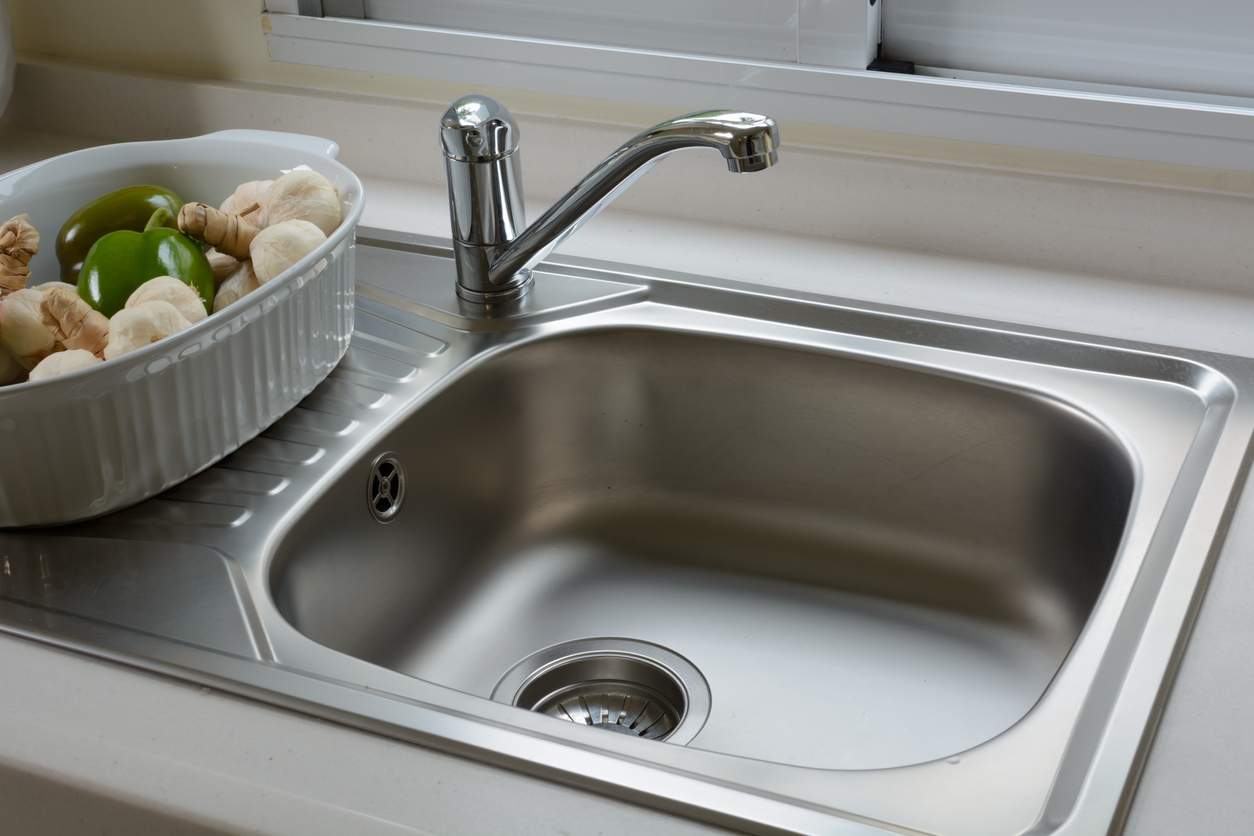
Apply plumber’s putty to the underside of your new sink’s drain strainer, then screw it tightly into place, wiping away any excess putty with an old towel. Be sure to follow installation instructions on parts like rubber gaskets and flanges that may require installation on the underside of your drain strainer. If you need to reconnect a food disposer, be sure to install any necessary brackets or fixtures on the underside of your new sink.

Step 4: Add Sealant

With all the necessary components installed on the underside of your sink, run silicone sealant along the underside all around the edge of the sink. 

Step 5: Lower Your Sink into Place

Carefully lower your sink into place through the hole in your countertop and check to ensure the sink sits squarely in place. 

Step 6: Tighten Up Hardware

Working underneath the sink, flip those metal clips out and tighten them into place. It’s wise to periodically check and make sure the sink is still lined up properly above. 

Step 7: Connect Water Supply Lines

Using your adjustable wrenches, reconnect water supply lines, power sources (for food disposal units) and drain lines. Next, turn the water supply back on and check for leaks. If you are satisfied with your work, run a final bead of sealant along the top edge of the sink to create a waterproof seal. Allow this to fully cure before using your sink for daily activities. 


The Best Kitchen Sink Installation in the Area

If you’re experiencing problems with a DIY kitchen sink installation, it’s best to call a professional plumber before things get worse. It’s essential to enlist professional plumbing services for complicated kitchen remodels that involve moving pipes or installing new plumbing. Our qualified plumbers are fully trained, licensed and insured to meet your needs and save you the headache of a DIY-gone-wrong. 

 If you’d like to find out more about our services, give us a call or schedule an appointment today. 

Posted in

Have a Water Heater Leak? Here’s What to Do

Taking a cold shower during the heat of summer might provide some relief and can be quite enjoyable, but that is rarely the case when you are expecting hot water to come out of the showerhead. Water heater leaks account for one of the more common plumbing problems that Texas homeowners face.

With a lifespan of 6-13 years, water heaters need to be regularly replaced and generally, it isn’t until a leak occurs that you know that any issue is present. Diagnosing leaks will help you make the best decision for your home and can save you money in the long run.

Finding a Grand Prairie plumbing company doesn’t have to be a rat race. The Dial1 Johnson team has earned the trust of DFW homeowners and bring over 50 years of experience to the table. Whether you are looking at replacement or repair, we can help.

Diagnosing a Water Leak

Diagnosing a faulty water heater can be a challenge, even for an experienced homeowner. Leaks are the most common sign that a larger issue needs addressing. Similar to real estate, location is key and can be the sole factor in determining if repair is an option. Even then, looks might be deceiving.

Condensation or Leak?

Before any further action is taken, you must first determine if there is actually a leak at all. If you notice that there is a small amount of water that has collected in the drain pan, remain calm. While the culprit could be a water leak, there is also a chance that it could be a result of condensation.

The easiest way to determine if you have a leak is to conduct a water usage test by simply monitoring your meter. Turn off all of the taps and appliances that use water inside your home and take a look at your meter(usually located near your main shutoff valve).

If your meter completely stops, no leaks are present. Otherwise, you know that your next step will be to shut off water to the water heater and contact your local Grand Prairie plumbing experts.

Common Areas Where Leaks Can Occur

Once you know that there is a leak present, finding the root cause is critical in determining if the issue can be repaired, or if the water heater needs to be replaced. The good news for homeowners is that water heater leaks occur in the following common places.

Water Connections

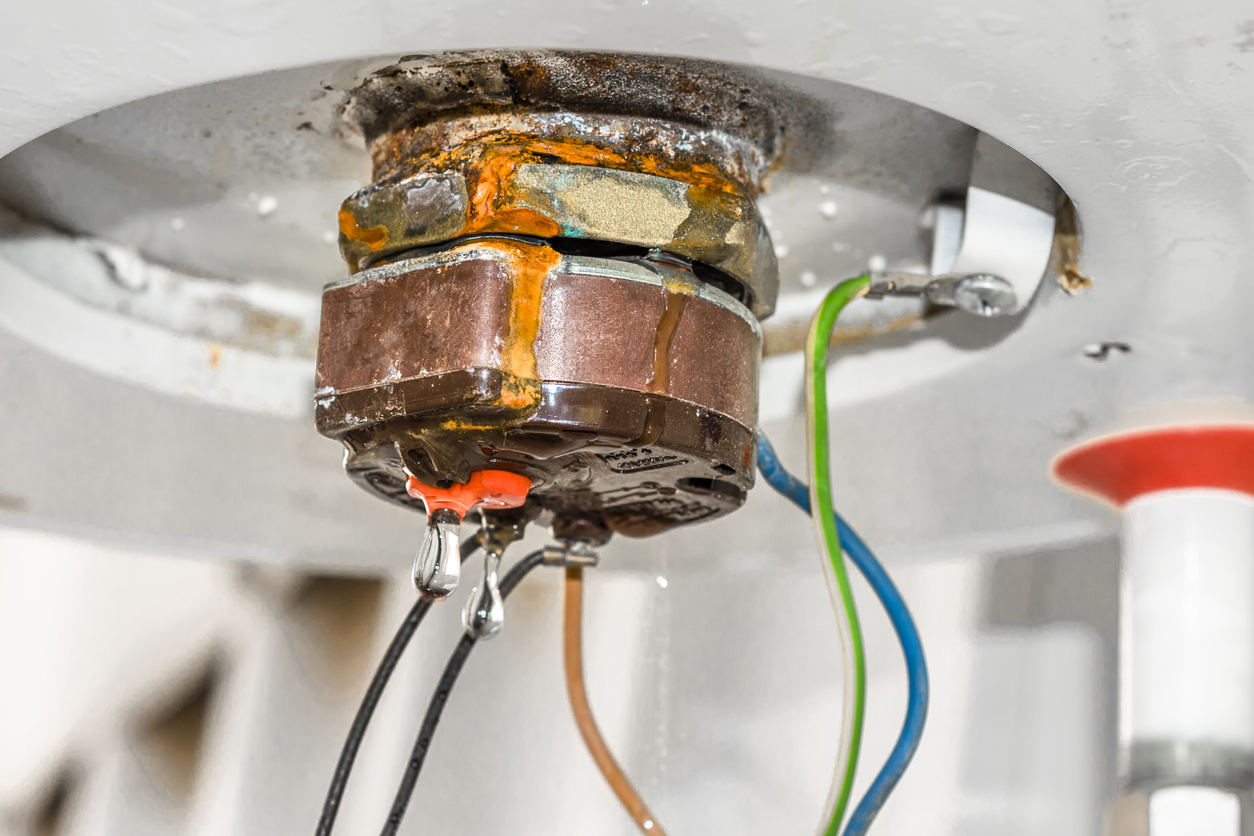
When it comes to water heater leaks, connections should be the first thing you investigate. Located at the top of the water heater, connection lines will usually be the first to show signs of wear and tear. Over time, the seals can fail and small leaks can form.

The good news is that most issues with water connections can be repaired. Turn off the water, and gas if your home is equipped with a gas water heater, to ensure that the leak doesn’t grow and do additional damage to your home.

Drain Valve

Another common problem area is the drain valve, located at the bottom of the tank. Drain valves are essential to water heater maintenance, allowing you to remove built-up sediment(a process that should be done annually), and over time can become loose causing it to leak.

If you notice water coming from the drain valve, you can attempt to tighten the valve with a pipe wrench. Be careful to avoid overtightening, as it can compound the problem and make the leak worse. If tightening the valve doesn’t solve the problem, the valve will need to be replaced.

One of the more complicated repairs to a water heater, replacing a drain valve should be done by a professional plumber to avoid damage to the appliance.

Relief Valve

Water heaters are built to self-regulate their temperature and pressure. Excess heat or pressure can cause major damage to the water heater, but because it is regulated by a relief valve it is also prone to leaking.

One of the most common problems that Grand Prairie plumbers encounter with relief valves involves them getting stuck in a semi-open position. This can occur for a variety of reasons, and when this happens water will leak out of the valve.

Because the relief valve is a critical component of any water heater, repairs should only be made by a qualified professional.

Leaking Tank

If you were to cut the water heater in half and look at a cross-section, you would notice that they are built with an inner chamber that actually holds the water. The outer layer is there for insulation and helps the system operate efficiently.

Over time, the inner core of the tank can crack and leak, spilling water into the outer layer. Because the insulated later is not sealed, it will leak out into the drain pan. Should a Grand Prairie plumber come to the conclusion that a leaking tank is the root cause of your issues, you will almost certainly have to replace the entire water heater.

Finding a Grand Prairie Plumbing Company

Finding a pool of water on your floor can certainly cause panic for any homeowner. Start by assessing the situation to see if the problem warrants dialing up a professional plumber. Make sure that the water supply is turned off to avoid any further water damage to your home. If your water is heated with gas, you will also want to turn off the gas supply.

No matter the size of the problem, water heater leaks are frustrating. Working with a Grand Prairie plumbing company that your neighbors have trusted for half a century should help reduce your stress. With the Dial1 Johnson team, you can rest easy knowing that your home is in good hands. Our offices are located across the metroplex, so we are never more than a short call away. Connect with our team at 469-518-2809 or visit our website to schedule an appointment today.

Author Bio:
Sherrie Johnson-Hartsock
Dial One Johnson Plumbing, Cooling & Heating is now owned and operated by Sherrie Johnson-Hartsock, with his grandson, Daniel Johnson, a third-generation plumber who is also the Service Manager.
Posted in

Common Signs of a Clogged Drain

The thought of plumbing issues can cause even the most battle-hardened homeowner to shudder. Overworked, and yet frequently overlooked, plumbing systems are critical to home health and generally only receive attention when something goes wrong.

For most homeowners, home maintenance includes other major home systems like their HVAC or electrical system. Plumbing might not always get the attention it deserves, but taking proactive steps when things seem off will save homeowners time and money. Clogged drains are among the most common plumbing issues, but should not be overlooked. Left unaddressed, they can quickly progress causing extensive damage as the problem compounds.

Rather than hit the panic button when looking for a plumber in Desoto, TX, homeowners turn to the Dial1 Johnson team: local and experienced professionals that will get the job done right the first time. If you are struggling with a drain issue, or need any other plumbing maintenance or repair, our team is here to help.

5 Signs Your Drain Is Clogged

When it comes to clogged drains, most of the emergency calls that professional plumbers encounter are completely avoidable. Believe it or not, pulling a [insert random kids toy] out of the toilet, much to the chagrin of overworked parents does happen, but most of the time we just see clumps of hair or grease that was not disposed of properly. But how do you catch the problem before it grows? Here are 5 ways to identify a drain that needs attention and help you decide if you need a professional.

Foul Odors

One of the first things that will indicate that your drain is clogged can be detected by using your sense of smell. Our noses are able to detect the slightest odors and this comes in particularly handy when sniffing out drain problems.

Dad jokes aside, foul odors are more than just unpleasant, they generally signal that your plumbing system needs attention. Odors can be caused by a variety of issues, but most commonly they are related to human waste being caught in the line. Over time, the odors will permeate the home like a stinky assassin.

Pro-Tip — Chemicals can mask the odor, but they will rarely resolve the issue. Pinpoint where the smell originates from, and help your Desoto plumber by pointing them in the right direction.

Water Is Slow to Drain

Ok, we acknowledge that this first sign is not an earth-shattering revelation. But it should go without saying that if/when you encounter a drain that is taking its sweet time, something larger is afoot. The most important thing at this point is to be proactive.

Accepting that you will need to wait a little longer to take a shower after your wife enjoys her soak in the tub will not help your cause. Chances are, at this point, there are a number of DIY options available to help resolve the issue.

Pro Tip — avoid using harsh chemicals that can damage your pipes, opt for natural remedies. Also, if you don’t have the equipment to properly snake the drain, call a professional.

Toilet Bubbling(or Gurgling)

Drains are one issue, but what if the problem is with your toilet? When working properly, your toilets should flush with no issue. If there are gurgling noises, it is time to act. Chances are, the line is clogged with toilet paper or waste, but don’t rule out the odd surprise from a toddler.

The gurgling noise means that any waste that you are trying to flush is not getting through the line and outside the home. Eventually, this will progress to the point that it backs up. Sure your plunger might resolve the issue, but what if the issue is not related to your late-night run to the taco stand?

Pro-Tip — Wet wipes, or “Dude Wipes,” are not flushable. They do not break down as quickly as toilet paper and can cause a line to clog seemingly overnight.

Water Backs Up Into Fixture

For most homeowners, water backing up will only be noticed in their toilet, but it can happen within the drains once a clog is rooted firmly in place. Sometimes these can be easily resolved by removing and cleaning the P-Trap. 

This is most common in the kitchen sink, where food and grease can build up over time and start to choke the flow of water. Keeping food out of your sink is a great first step, but back that up with a strainer in each drain. This will prevent larger food particles from entering your plumbing system.

Pro-Tip — Even if your home is equipped with a garbage disposal, limit the amount of food that is being processed. Avoid putting pasta, fibrous fruits, and vegetables, and grease-heavy food products into your system.

Water Overflowing from Clean-out Pipe

New homeowners might not be aware that their home’s plumbing system is equipped with cleanout pipes. Water standing in your hard or flower bed might be the first time that you realize that there is an issue, and at the center of the problem, is your clean-out pipe.

Located on the outside of your home, these pipes allow plumbers the ability to clean out(not a very creative name, we know) the line in both directions. Clogs that occur past the cleanout pipe, can cause water to back up into the yard.

Pro-Tip — Leave clean-out pipes to the professionals. Because these pipes are farther down the mainline, they can be filled with harmful waste that can be dangerous to your family.

Hire a Plumber Desoto, TX

Eventually, all homeowners will run into a clogged drain. Keep an eye out for any of the signs that we outlined above, and don’t panic. Taking practical steps to both diagnose and resolve the issue will help your system in the long run.

Should you need a Desoto plumber, skip the Google search and rely on the team that DFW residents have trusted for over 50 years. The Dial1 Johnson team is equipped with equipment and know-how, making the choice easy for Desoto homeowners. Connect with our team at 469-518-2809 or visit our website to schedule an appointment with our team.

Author Bio:
Sherrie Johnson-Hartsock
Dial One Johnson Plumbing, Cooling & Heating is now owned and operated by Sherrie Johnson-Hartsock, with his grandson, Daniel Johnson, a third-generation plumber who is also the Service Manager.
Posted in

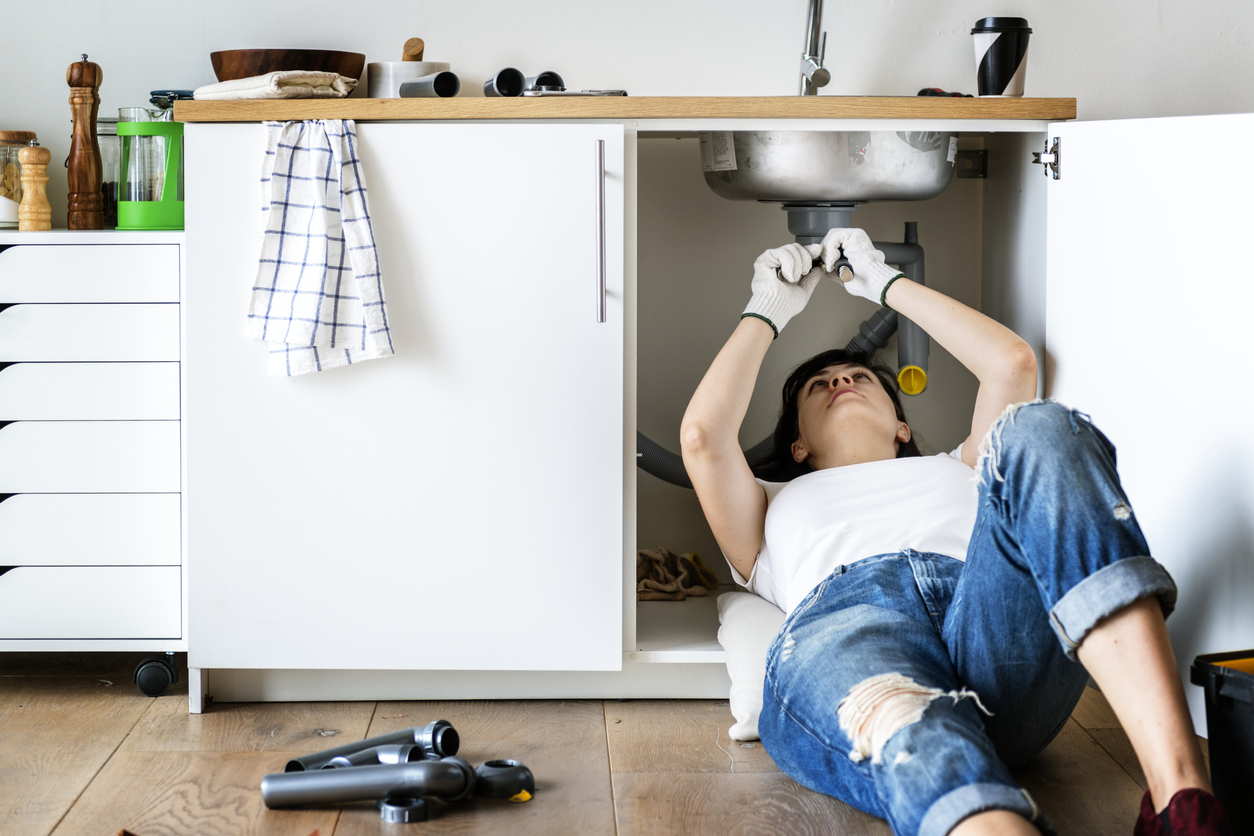
What Are The Risks of DIY Plumbing Repair Work?

Fixing an issue in your home can be incredibly rewarding, but not all repairs are created equal. Swapping out a door handle or fixing a hinge are great projects to tackle on your own, plumbing is not. Smaller home repairs rarely have larger consequences when not fixed correctly the first time, whereas plumbing has a way of biting back even for the most experienced homeowners.

In recent years, it has become more common for homeowners to try and address plumbing issues. Youtube has made it very enticing leading many down the rabbit hole and creating a level of false confidence that ultimately leads to larger issues and an emergency call to the local plumber.

Rather than take a chance that the guy on Youtube knows what he is talking about, opt for a plumbing professional to make sure the job is done correctly the first time. When the time comes, turn to a plumber Midlothian TX homeowners know and trust, Dial1 Johnson. Whether it is routine maintenance or a plumbing emergency, our team is only a call away.

4 Risks of DIY Plumbing

Despite the risks associated with a DIY approach to plumbing, the majority of emergency service calls made are related to a DIY repair gone wrong. Your home’s plumbing system is both amazingly simple and yet incredibly temperamental. One wrong turn and you are running to cut off your water supply and picking up the phone searching for an emergency plumber Midlothian trusts. 

Outside looking a bit foolish when the plumber arrives, there are potentially dire consequences to attempting a DIY repair. Here are four of the most common issues that can be attributed to these plumbing mishaps.

1. Improper Repairs

You might have just finished up with that pesky faucet leak and you feel great. The Youtuber walked you through the entire process and you can now relax and pat yourself on the back. But looks can be deceiving. Did you overtighten something? Did you damage pipes when removing that valve? Did you create another water leak in the process of fixing the one that was visible?

Could we be overthinking it? Sure. But incorrect plumbing repairs frequently have a trickle-down effect leading to larger issues that we will get into in a moment. Even if there does not immediately appear to be an issue, the damage could still be right around the corner.

Improper repairs can arise from a variety of different reasons, but most commonly they are directly related to using the wrong tool for the job. Professional plumbers are equipped with commercial-grade equipment and have years of training and experience to back them up. While you might be able to purchase the tool for the job, you cannot replace years of experience with a 3-minute video clip.

2. Property Damage

Maybe you are a pretty handy homeowner, and you have fixed plumbing issues in the past so you are confident in your ability. Are you confident enough to ensure that you will not cause thousands of dollars worth of property damage? As delicate as water might seem, it has the ability to wreak havoc on your property. Flood damage from a leaking pipe can cause more than a mess that needs to be cleaned up.

With the majority of your home’s plumbing system located behinds walls or in the attic, leaks resulting from a DIY repair will rarely be noticed until substantial damage has been done. Walls, floors, ceilings, and even your home’s foundation are at risk when you choose the DIY route.

Flood damage also leads to mold and mildew in your home. Beyond creating a musty smell, these home invaders can bring on health issues for your family and remediation can be incredibly costly.

Working with a licensed plumber will ensure that any additional risk to your investment is greatly reduced. Not only will a plumber be able to address any issues at hand, but they will also be able to diagnose potential problems before they arise. Just as you perform preventative maintenance on your personal vehicle, spending a little now will help you avoid larger costs down the road.

3. Plumbing Damage

Over the years plumbing materials and practices have changed drastically. What might have been popular when your home was built all of those years ago is no longer applicable. Correctly diagnosing an issue and understanding the intricacies of a plumbing system are often where DIYers fall short.

Something as simple as determining if your pipes are threaded or soldered can impact the steps needed to address an issue. Choosing the wrong steps will inevitably lead to additional plumbing damage. The last thing that you want is to bust a copper pipe that you thought was threaded on, only to find out that the previous homeowner soldered the fixture in place. 

Your local plumber will have experience in working with other homes in your area and understand the common issues that can be found in your area. 

4. Personal Safety

Mold and mildew are frequently the health concerns associated with plumbing issues, but they are far from the only personal safety concerns that homeowners should keep in mind. While half of your plumbing system deals with clean fresh water, the other half focuses on removing grey and black water from your home. When the latter is involved, any misstep can bring on serious health hazards.

Toilets within our homes are often the focal point of DIY plumbing repairs which means that you will be dealing with a wastewater system. Fecal matter alone can carry over 100 viruses and strains of bacteria. Whether through the repair process or as a result of an improper repair, blackwater can spill into your home putting everyone at risk.

The safest course of action is to find a plumber Midlothian TX residents trust and avoid a health risk entirely. Professional plumbers have extensive wastewater training and will be able to address issues without the worry of sewage entering your home.

Finding a Plumber Midlothian TX

Whether it is the potential for property damage, dealing with raw sewage, or the worry of amateur repairs, the choice for all of your plumbing needs should be fairly simple. Save yourself the time and the stress and work with a licensed plumber in your area.

The Dial1 Johnson team has been servicing homes in Ellis County for over 50 years, and you can bet that we have seen it all. With offices located in Cedar Hill, Midlothian, and South Dallas, we are never more than a short call away. No matter how big or small your repair might be, our team of expert plumbers will have your back. Call us to schedule an appointment at 469-518-2809 or visit our website to learn more about our services. 

Author Bio:
Sherrie Johnson-Hartsock
Dial One Johnson Plumbing, Cooling & Heating is now owned and operated by Sherrie Johnson-Hartsock, with his grandson, Daniel Johnson, a third-generation plumber who is also the Service Manager.
Posted in

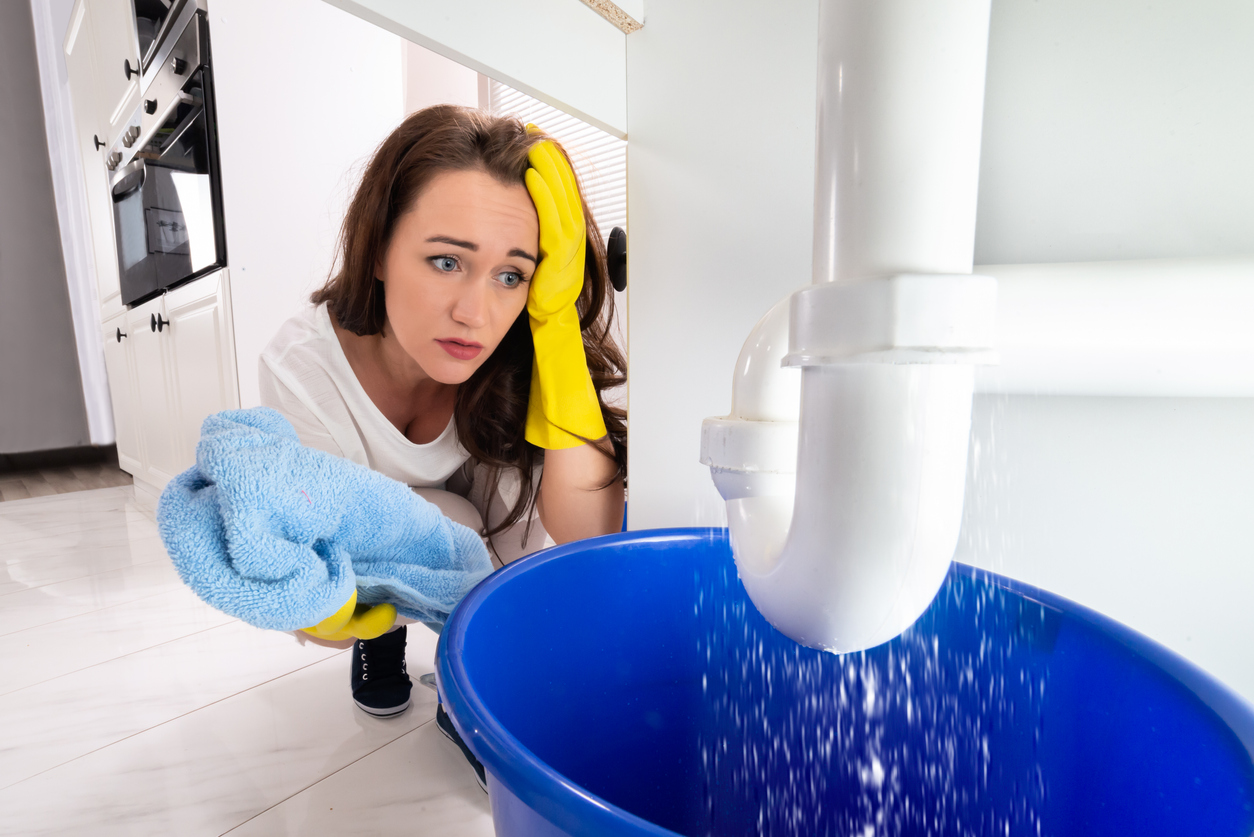
These Plumbing Problems Might Be in Your Home. Go and Check Now!

If you’ve ever doubted that an “ounce of prevention is worth a pound of cure,” you’ve never worked in the plumbing industry. One thing that many people don’t realize (but your local plumber definitely understands) is that most plumbing problems don’t start off big — they start small and grow more serious over time. Catching an issue while it’s still small can save you a tremendous amount of time and money.

There’s a good chance that every older plumbing system has a few issues lurking around that could benefit from an expert assessment. Luckily, you can schedule an appointment with the best plumber Duncanville, Texas, has to offer by contacting Dial One today. 

Keep reading to find out about three common plumbing problems you might have in your home, as well as how you can fix them before it’s too late. 

The Slow Drain: Sign of the Clog

One of the clearest signs that something is wrong also happens to be one of the easiest to ignore: the slow drain. Whether it’s the sink that takes five minutes to drain after a handwash, the toilet that barely flushes or the bathtub that holds water long after you’ve pulled the plug, it’s an issue you need to resolve. 

What Causes the Slow Drain? 

Most draining issues are caused by some sort of blockage or clog that is restricting water flow. More often than not, it’s caused by washing or flushing things down the drain that don’t dissolve and instead form a mass that sticks to the pipes, much like cholesterol on the walls of an artery. Here are some likely culprits: 

  • If your bathroom sink or bathtub won’t drain, you may have a clog made of hair, soap scum, toothpaste and other sticky substances blocking the pipes.
  • If your kitchen sink won’t drain, the likely culprit is a clog consisting of cooking grease and food bits. Hopefully you already know this, but you should never put grease or oil of any kind down the drain. You should also never put paper towels, coffee grounds, egg shells, bones or lemons and limes down the drain. 
  • If your toilet won’t flush, ask yourself this question: are flushable wipes actually flushable? The answer is no — no they are not. Regardless of whether you use flushable wipes, the blockage most likely consists of a mixture of paper and human waste.

Although the above-mentioned are common causes of a slow draining or clogged pipe, they’re unfortunately not the only ones. Tree roots can infiltrate weak, broken or damaged pipes, eventually obstructing waterflow. The only real way to prevent this is to upgrade your plumbing with the help of the Duncanville plumbers at Dial One. 

What Fixes the Slow Drain? 

The solution is going to depend on the problem’s location and cause, but assuming that the slow drain is caused by a clog or blockage, there are several methods you can try. 

Plunging 

When clogs just need a little help getting unlodged, a good plunging can do the trick. Unless you’re really living on the edge, you probably own a plunger, so if you’re willing to put a little elbow grease behind it, you may be able to fix the issue on your own. 

Non Chemical-Based Solutions

When the kitchen sink is clogged, many people reach for the chemical drain cleaner. Unfortunately, these products can corrode your pipes right along with the grease, so it’s better to use a more natural solution, such as baking soda and white vinegar combination. 

Snaking

If the blockage is too substantial for a plunger or natural solution, you may be able to use a snake to clear the drain. Although there are methods of snaking your own drain, experienced Duncanville plumbers will use an industrial snake. 

High Pressure Drain Cleaning

Arguably the most effective method for clearing a blockage, high pressure drain cleaning is your best bet for obliterating serious, persistent clogs. It works by using water pressure from a jet nozzle to break up and clear debris from a drain. It’s a fast, safe and environmentally friendly method of clog removal that the best plumbers Duncanville, Texas, have to offer will be more than happy to provide. 

Water Waste: Drips, Leaks and the Running Toilet

Almost everyone has dealt with a dripping faucet, leaking pipes or a running toilet at some point; they’re some of the most common plumbing problems. However, anyone who thinks of them as harmless annoyances couldn’t be more wrong. 

What Damage Can It Cause?

Even a slowly dripping sink faucet can waste hundreds of gallons of water a year, driving up your energy bill and costing you money. A running toilet is even worse, potentially wasting hundreds of gallons of water each day, and in a world of skyrocketing energy costs, that’s not just expensive — it’s irresponsible. 

Water waste can do some of its most expensive damage when it takes the form of leaking pipes. Not only can a leaking pipe ruin furniture and floors, but it can also create a welcoming environment for unwanted bugs such as cockroaches. If your home has a leaking pipe, don’t hesitate to contact Dial One for an emergency water leak repair

How Can I Fix It? 

Luckily, some dripping faucets and running toilets can be fixed with simple DIY repairs, such as replacing a washer or flapper valve. However, if you’re unfamiliar with basic plumbing, it’s smarter to search for the best plumber Duncanville, Texas, has to offer. Attempting to fix plumbing issues without any experience can lead to greater damage and a more expensive repair. 

When it comes to leaking pipes, DIY repairs are a less viable option. You might be able to achieve a temporary fix with tape, compounds and fillers, but eventually you’re going to need to replace that section of pipe or its related fittings. If you find yourself searching the internet for Duncanville plumbers, save yourself some time and contact Dial One for the best plumbing repair the first time. 

Water Pressure: An Essential Balance

Like the slow draining sink and the running toilet, poor water pressure is often mistaken for an inconvenience rather than the warning sign it really is. Additionally, most people don’t realize that it’s not just low water pressure that creates problems; high water pressure can cause leaks, damage pipes and break appliances. Finding the right water pressure is an essential balance that your Dial One plumber can help you achieve. 

Many underlying issues can cause low water pressure, so your best bet is to contact the trusted Duncanville plumbers at Dial One for an assessment. They mind find the following problems: 

  • Sediment build-up on aerators
  • Faulty fixtures
  • Closed valves
  • Corroded plumbing
  • Clogged drains
  • Too high of a water demand

Unlike fixing low water pressure, adjusting high water pressure is a more straightforward process. A plumber can check your water’s pounds per square inch (PSI) by using a water gauge. If they find the pressure is too high, they can install a regulator to mitigate the problem. 

Call a Plumber at Dial One

No matter how inconsequential the plumbing issue you’re dealing with may seem, it’s critical to investigate and respond accordingly so that you don’t find yourself dealing with a larger issue in the future. If you’re looking for the best plumber Duncanville, Texas, has to offer, contact Dial One online or call 469-518-2809 to schedule an appointment today. 

Author Bio:
Sherrie Johnson-Hartsock
Dial One Johnson Plumbing, Cooling & Heating is now owned and operated by Sherrie Johnson-Hartsock, with his grandson, Daniel Johnson, a third-generation plumber who is also the Service Manager.
Posted in

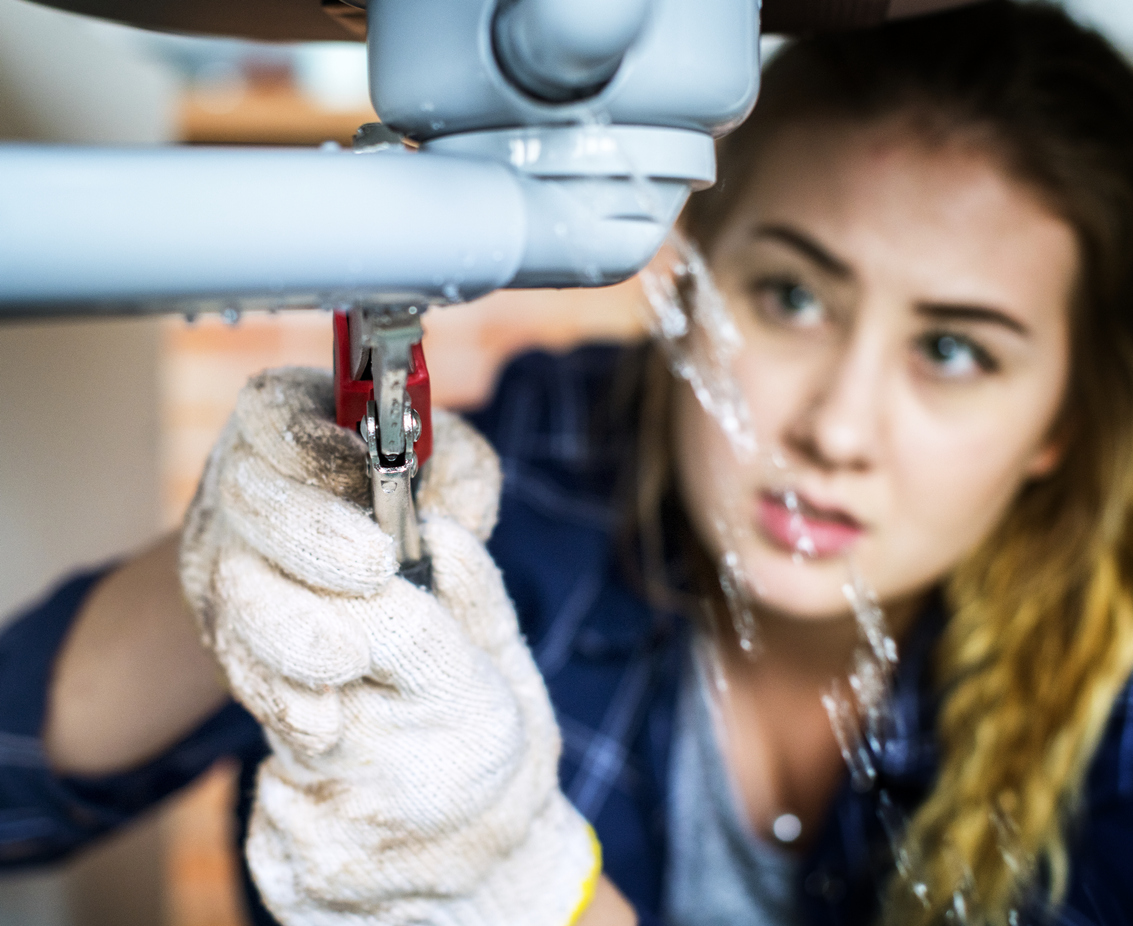
DIY Plumbing – Is It Worth It or Not?

When the toilet bowl starts to overflow, or your pipes start dripping mysterious liquid, it might be tempting to try and tackle the problem yourself. But, will you be doing more harm than good? It’s a common question that every homeowner asks themselves before taking a crack at DIY plumbing.

While a quick call to your local Red Oak plumbing service can remedy the situation quickly, what can you reasonably fix without professional help? If you are ready to learn more about DIY plumbing, read on!

Ready to solve those stubborn plumbing issues quickly? The team at Dial One Plumbing, Heating & Cooling are on standby to provide quality plumbers at a fair price. Contact us today by calling 469-557-2703.

Why It’s Important to Hire a Licensed Plumber

Plumbing isn’t easy, and becoming a plumber takes years of hands-on experience and education. Not only should a plumber be well versed in a broad selection of common plumbing situations, but performing the job safely is paramount.

So to think you can handle all your plumbing problems yourself is a bit big-headed.

Often, poor plumbing choices don’t bite back for years. Everything will be fine until that shoddy pipework starts to buckle or those damaged supply lines start to leak. When this happens, you could be looking down the barrel of some seriously expensive repairs.

If you want the job done right the first time, using a licensed plumbing service is your best bet.

Know When to Call in Professional Help

It’s great to be able to handle common plumbing problems yourself. You can save on hourly labor costs and fix problems promptly. But, knowing when you’re in over your head is as important of a tool as anything else in your kit.

You can solve common problems like clogged toilets or backed-up sinks yourself with a little knowledge and the right tools. Other more serious problems, though, need the expert hand of a licensed plumber.

Small issues can turn into big headaches quickly if you don’t.

Finding the right plumber for the job isn’t as hard as you think, and having a relationship with your local Red Oak plumbing service can save you both time and money.

For the problems you can fix, knowing which tools you need to have is the first part of your DIY plumbing strategy.

Common Tools You Can Use for DIY Plumbing

A plumber relies heavily on a selection of specialty tools to get the job done. So to tackle your plumbing problems, you should probably be aware of some common tools to have at the ready, right?

If you’ve ever peeked in as your plumber seems to magically solve your issues, you’ve probably seen a few of these devices already. Thankfully, you can easily find most of them at your local hardware store or online.

While you might not be able to tackle more serious plumbing problems yourself, you can handle common repairs and emergency issues with a bit of know-how and the right tools. Just a reminder, knowing when an issue is in your wheelhouse and when to call in the professionals is half the battle.

Let’s explore some common household plumbing tools you should have on deck should a plumbing crisis crop up.

Closet Auger

A clogged toilet is by far the most common issue homeowners face when dialing up for emergency plumbing services. Tools like plungers can handle clogs effectively, but for larger blockages, you’ll need to bring in the big guns.

A closet auger, also known as a toilet auger, works by sending a retractable snake into the drain to remove the obstruction. They act in a similar way to a drain snake, but with one big difference.

Since your toilet bowl is a pretty porcelain white, even the slightest scratch can cause some unsightly scars. Closet augers have a protective plastic covering that limits contact between the bowl and the retractable snake.

They also sport a longer handle, meaning you won’t need to get so close and personal to the unsightly contents of your commode.

The truth is, if you dial up your plumber to tackle a stubborn toilet, they’ll most likely break out a closet auger. Beat them to the punch, and save on hourly labor, by having your own.

Sink Auger

A sink auger is the perfect tool for drain clogs as it winds its way through your pipes and makes quick work of the obstruction. Clogged drains are a part of life, and plenty of pesky sources make them fairly common.

Having a sink auger at the ready means you won’t need to call your local Red Oak plumbing service every time you face an overflowing sink or tub.

Sink augers are simple to use and are effective tools to handle clogged drains. A word of warning, though: you might not like what’s on the other side of the clog. Oftentimes what you pull out of your drain will make your stomach curdle.

Plungers

The trusty plunger is a stalwart toilet-side ally that is the first to heed the call of a clogged drain.

When it comes to DIY plumbing, understanding the different types of plungers can set you on the road to plumbing success. Here are the two main types of plungers you should be familiar to you:

  • Flange plunger — These funny-looking plungers sport a flanged cup design that helps form an airtight seal on your toilet. This seal is essential to unclogging the pipes of a toilet.
  • Cup plunger — Cup-style plungers are your everyday plungers. They are better suited for drain clogs in sinks and tubs.

Knowing which type of plunger to use is essential to effectively solve a clogged drain. Knowing how to minimize clogs in the first place is also invaluable and can save you loads of headaches down the road.

Common Mistakes You Should Avoid

Here are some common mistakes to avoid when tackling common household plumbing issues.

Clearing Clogs with Chemical Cleaners

You might think that a bottle of corrosive chemical cleaner will handle your clog with no problem. Unfortunately, you might be doing more harm than good. Chemicals are indiscriminate and can easily damage both metal and plastic pipes.

Additionally, dealing with nasty chemicals pose a significant health and safety risk. You’re much better off using a closet auger or sink auger to handle the clog.

Making Connection to Tight

You might try to overcompensate when installing fitting in an attempt to create a better seal. This, however, can do some serious damage.

The strain from an over-tightened connection can lead to cracks and ruptures in your fittings.

Forgetting the Water Shut-Off

If you want to do your own plumbing, you need to know the location of the main shut-off valve. This is step number one to any plumbing work.

If you fail or forget to turn off the water supply, prepare for a wet experience. When you go to remove your faucet or replace a connection, water will start gushing uncontrollably from the location.

This can be both embarrassing and expensive as a flooded room is not a cheap problem to handle. The worst part is that you’d be all alone since insurance claims usually don’t cover negligence.

Finding an Affordable Plumber in Red Oak, TX

You’ve got the clogs down, and if a small leak pops up, you can handle that too. But when a serious issue comes down the pipe, you need a trusted name in plumbing to have your back.

Dial One Plumbing, Heating & Cooling has the licensed professionals you need to tackle your next plumbing project. Reach out online to schedule an appointment today!

Author Bio:
Sherrie Johnson-Hartsock
Dial One Johnson Plumbing, Cooling & Heating is now owned and operated by Sherrie Johnson-Hartsock, with his grandson, Daniel Johnson, a third-generation plumber who is also the Service Manager.
 

Posted in

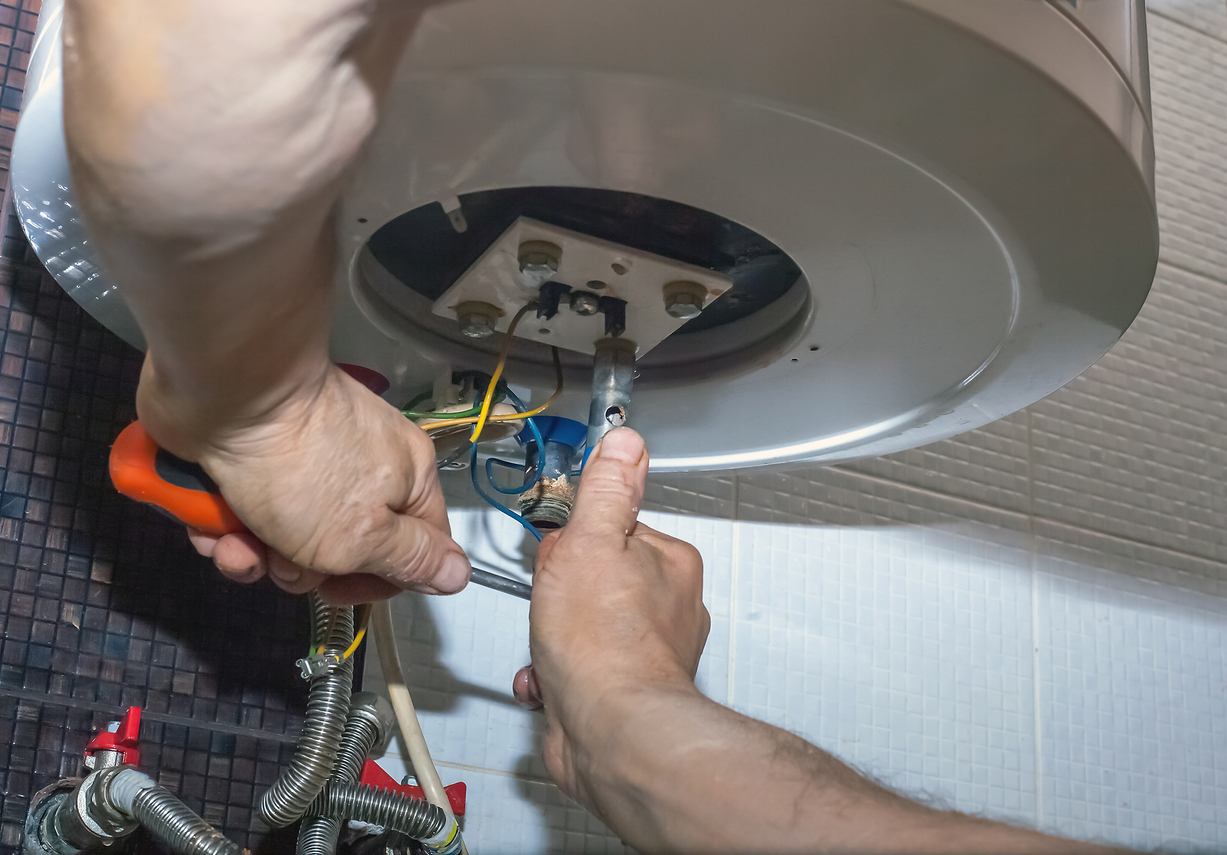
How to Stop Tankless Water Heater Leaks?

Dealing with any leaky water heater can be a major headache. If you happen to be dealing with a tankless unit, it’s even more of a hassle. Trying to find the source of the leak in a unit that shouldn’t be holding any water in the first place could have you pulling out your hair in no time.

While you should leave more serious repairs to your local plumber in Cedar Hill, TX, you can tackle some minor fixes yourself. Read on to learn more about leaky tankless water heaters and how you can stop that annoying drip.

Whatever plumbing issues you’re dealing with, Dial One Johnson Plumbing, Cooling & Heating is here to help. Contact us online or give us a call at 469-557-2703 today.

What Causes Tankless Water Heaters to Leak?

Tankless water heaters are fastly becoming the unit of choice for new construction and revamped plumbing systems. Tankless units are more energy-efficient than traditional water heaters having 24%-34% higher efficiency savings for homes that use less than 41 gallons of hot water daily.

While modern tankless water heaters cut energy costs, they aren’t without their issues. You might not have the kind of nightmare leaks that happen to follow a ruptured tank in older systems, but you should still become aware of what to do when you see a leak.

Before you start breaking out the tools, you’ll need to find the leak. Here are some common trouble areas for leaks in tankless water heater units.

Temperature and Pressure Relief Valve

Pressure is an essential part of proper unit operation. Left on its own, pressure can build to the point where the only relief is through a catastrophic failure. This could be as menial as a unit not working to a full-blown explosion with fiery consequences.

The temperature and pressure relief valve (PRV) allows for the safe discharge of excess pressure and heat before it causes damage. Once you locate the PRV, check for any visible moisture.

A wet valve usually indicates that the component is doing its job relieving excess pressure and temperature. If you find a dry valve and pressure building, it’s time to call your local Cedar Hill plumbing expert for an emergency visit.

Additionally, your temperature and PRV could have some corrosion and build-up. When this occurs, it might cause the valve to stay stuck in the open position. Consequently, it will result in a slow leak coming from the PRV.

Body of the Unit

Another area you should always inspect when searching for a leak is the body of the water heater. If you still can’t find the source after inspecting the PRV, then it might be the case that water is dripping from the main body.

Often, sediment or rust build-up can cause a leak. Unfortunately, this is not an easy fix. In most situations, you will need to replace the unit.

Getting in contact with a reputable Cedar Hill plumbing service, like the team at Dial One Johnson Plumbing, Heating & Cooling, is the best way to get a full picture of what’s causing your problems. 

Leaks coming from the main body can lead to bigger issues and even electrical damage, so contact your local plumber in Cedar Hill, TX, before the issue progresses.

Water Intake and Output Lines

One of the most common sources of leaks in a tankless water heater is faulty water intake and output lines. While this is likely your issue, you should still start with the other two locations.

Checking the other areas first will ensure you aren’t dealing with a more serious issue that could lead to damage to your home and even yourself.

Locate your intake and output lines on your unit. Check the fittings for any visible signs of a leak. Make sure you thoroughly inspect this area as, chances are, it’s the cause of your problems. This is especially true if a professional didn’t perform the installation — another reason you should always find a quality plumber in Cedar Hill, TX.

How to Stop Tankless Water Heater Leaks

Now that we know where the leak is coming from, how do you fix it? Let’s take a look at the easiest fix first: the intake and output lines.

Fixing Leaky Intake and Output Lines

Fixing your output and intake lines is relatively easy and inexpensive. While you might want to enlist the help of your local Cedar Hill plumbing services, you can perform a reliable job so long as you take your time and focus on doing the task correctly.

First, shut off the intake line at the shut-off valve. You may even want to shut off the water supply at the main shut-off valve for even more protection.

Next, unscrew the output and intake lines. You’ll want to re-fit them, paying close attention to ensure you’ve got a solid and water-tight seal.

Once you have everything back on, turn on the water supply. Examine the fitting and double-check to make sure no more water is leaking. If the leak persists, it’s probably time to replace the lines completely. 

Dealing with the Temperature and Pressure Relief Valve

If you’ve already found your temperature and PRV is leaking, how do you remedy this issue? Before we proceed, you need to practice plumbing safety. A mistake here could mean lifelong burns or more serious consequences.

When in doubt, call the pros. You don’t want to gamble with your health and safety.

Okay, now that we’ve got the doom and gloom out of the way, let’s talk remedying your leaky water heater. If you find that your PRV is slowly leaking water, it could mean the valve will need replacing. Over time, minerals and metals in your water can cause build-up on the components.

Often, the corrosion build-up keeps the PRV from fully closing. The opening allows for a steady stream of water to come dripping down your water heater. In these situations, you should consider replacing the part completely. Check with your plumber in Cedar Hill, TX, for the best course of action.

While you can replace the valve yourself, dealing with water heaters is dangerous and is best left for trained professionals.

Do You Need to Replace the Water Heater if it Leaks?

If your water heater is leaking, it might seem like the only course of action is to replace the unit completely. While this may be true, broken components or ill-fitting supply lines might be the cause of your watery woes.

If you are experiencing a leak, you’ll need to consult a licensed plumber to determine the best way to approach the problem. They can take a thorough look at your tankless water heater and make a call as to what needs they need to replace and what can’t.

Unfortunately, water heaters don’t last forever. Factors like water hardness and mineral content play into how long your water heater can realistically stay in use. You can handle problems like leaky PRVs and cracked output and intake lines fairly easily. Problems with corrosion inside the unit, however, aren’t as easy to solve.

Finding Affordable Cedar Hill Plumbing Services

Are you tired of coming home to a small lake forming at the base of your tankless water heater? Leaks can be a real pain to handle. Luckily, if you’re on the hunt for a quality plumber in Cedar Hill TX, look no further than Dial One Plumbing, Heating & Cooling.

Our team of licensed plumbing professionals is on call to tackle your water heater problems head-on. Reach out online to schedule an appointment.

Author Bio:
Sherrie Johnson-Hartsock
Dial One Johnson Plumbing, Cooling & Heating is now owned and operated by Sherrie Johnson-Hartsock, with his grandson, Daniel Johnson, a third-generation plumber who is also the Service Manager.