Experiencing an emergency? Call 972-914-0833

Ready to Experience the Dial One Johnson Difference?

Your go-to resource for HVAC and plumbing solutions, DIY guides, and home maintenance tips.

Got an emergency? Call 972-914-0833 or …

Explore by topic:
Posted in

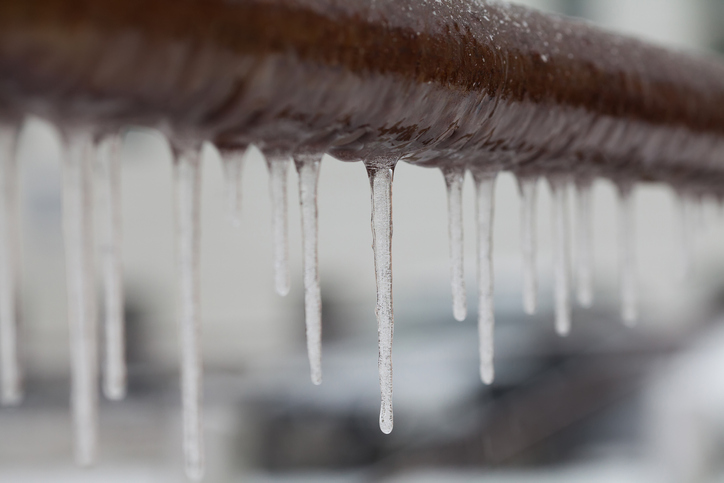
Tips To Prevent Your Pipes From Freezing

Winter is just around the corner, which means it’s time to start planning for emergency plumber Midlothian and how you’ll deal with frozen pipes. It can be difficult to keep your home warm enough during the winter months, but one of the most important precautions you can take is to make sure your pipes are not exposed to freezing temperatures. Frozen pipes can cause burst pipes, which cause water leaks and costly damages that are difficult to avoid. Here are some pointers to help you avoid this.

How Do Pipes Freeze?

When the water inside a pipe freezes, it causes the pipe to freeze. If your home is not adequately insulated, cold air can enter and freeze the water in your pipes. This means that you must take precautions before any freezing occurs to ensure that none of the water in your pipes freezes. You can avoid this by properly insulating your pipes.

Why Pipe Freezing is a Problem

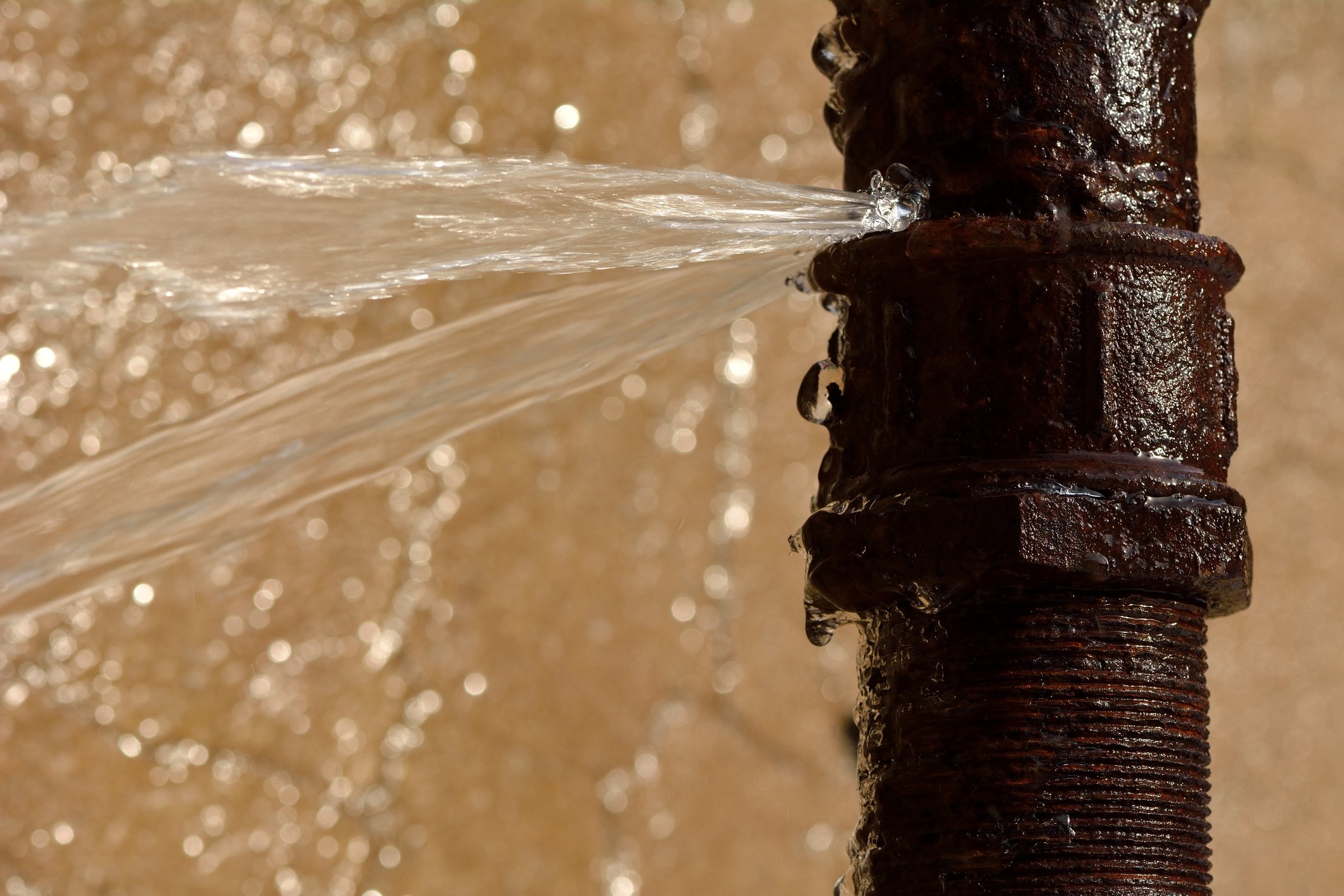
When your pipes freeze, the ice expands, causing the pipe to burst. When this happens, water begins to leak from the broken pipe and can quickly damage your home’s floors, walls, and furniture. Frozen pipes can even cause dangerous situations in areas near electrical wiring in some cases.

Can Frozen Pipes Burst?

While frozen pipes can burst, this is usually reserved for extreme circumstances. This means that if you have adequate insulation around your home’s water lines and they still freeze, the chances are that they will not break when ice forms in them.

What to Do About Frozen Pipes?

If you are concerned about frozen pipes in your home, you can take steps to prevent them from becoming a problem. First and foremost, ensure that all areas around your water lines are adequately insulated to prevent them from freezing. If any part of the line is exposed to cold air and begins to freeze, this could lead to problems later on.

If you discover that your pipes have frozen, it is critical that you act as soon as possible. You can try to thaw them out yourself with a hairdryer or heat gun, but if that doesn’t work, you’ll need to call an emergency plumber Midlothian.

Preventing Frozen Pipes While You’re Away

The best way to prevent frozen pipes is to keep your home warm enough that it does not happen. Keep the heat on in your home when you leave for an extended period, or even invest in a programmable thermostat that will automatically turn down the temperature when you are away from home. If this sounds like too much work, you can also buy a space heater to put in the room where your pipes are located.

Different Ways to Thaw Frozen Pipes

There are a few different ways to thaw frozen pipes. You can try using your oven or stove’s exhaust fan, but be very careful if you decide to use this method because it could damage the walls around the pipe and cause water problems in other areas of your home. If you do not have access to an oven or stove, another option is to use a hairdryer or heat gun. You can also try using hot water bottles, towels soaked in hot water, or a portable heater. However, you should never use an open flame to try and thaw frozen pipes because this could easily start a fire.

Preventing Frozen Pipes in the Future

If you have frozen pipes during the winter, it is critical that you take steps to prevent this from happening again in the future. First and foremost, ensure that your home has insulation around all water lines to prevent them from freezing during cold weather. If your pipes still freeze despite being adequately insulated, make sure to thaw them out as soon as possible.

If you are aware that your pipes may freeze, try setting up an automatic water supply during the winter months so they do not have to sit idle and can continue working without interruption due to cold temperatures. If everything else fails, call a plumber as soon as possible to help you thaw out your frozen pipes.

If everything else fails, call a plumber as soon as possible to help you thaw out your frozen pipes. If a pipe bursts, it may be necessary to replace the entire pipe. Prevention is always preferable to attempting to solve a problem after it has occurred.

How Can You Prevent Frozen Pipes?

There are several steps you can take to avoid frozen or burst pipes once winter arrives. One of the most important is to insulate all exposed water sources in and around your home (such as hoses, spigots, faucets, and so on). 

This can be accomplished by using approved foam insulation or by adding an additional layer of protection with heated tape. Another thing you can do is open cabinet doors near water lines to let in more heat. If the lines are accidentally exposed to cold air, this will help keep them from freezing.

Here are some tips to help prevent your pipes from freezing during winter:

  • Ensure all exposed water lines in and around your home are properly insulated. 
  • If you know that your pipes can freeze, try setting up an automatic water supply in the winter months, so they do not have to sit idle. 
  • Open cabinet doors near water lines to allow more heat in 
  • Insulate exposed outside plumbing with foam pipe insulation or heat tape 
  • Keep the temperature indoors above 55 degrees Fahrenheit. 
  • Turn off any faucets outside your home that are not in use. 

Emergency Plumber in Midlothian

If you have problems with frozen pipes, be sure to take action quickly to prevent further damage. Prevention is always better than trying to fix the problem after it happens. Contact Dial One Johnson Plumbing, Cooling, and Heating for assistance and follow these tips to help keep your pipes from freezing in the future. If all else fails, be sure to contact Dial One Johnson Plumbing, Cooling, and Heating at 972-291-0740 as soon as possible to help you thaw out your frozen pipes. Stay safe this winter.

Author Bio:
Sherrie Johnson-Hartsock
Dial One Johnson Plumbing, Cooling & Heating is now owned and operated by Sherrie Johnson-Hartsock, with his grandson, Daniel Johnson, a third-generation plumber who is also the Service Manager.
 

Posted in

How To Clean Your Sump Pump | Plumbing services

The sump pump is an important part of your home’s plumbing system. It uses a water-powered motor to remove excess water from the basement and keep everything running smoothly. The problem with sump pump plumbing is that they need to be cleaned periodically in order to maintain their functionality. 

If you don’t do this, it can lead to problems such as overflowing basements and other issues related to mold growth. In this guide, we will talk about how often you should clean your pump, where the best places are for doing so, and whether or not you should hire a professional or if it is something that you can take care of on your own.

Precautions for Sump Pump Cleaning Safety

Before you begin cleaning your sump pump, you should take a few safety precautions. First and foremost, ensure that the pump’s power is turned off before proceeding. This can be accomplished by flipping the breaker or unplugging it from the outlet. Second, when working with water, always wear protective equipment. Gloves, a safety mask, and goggles are included. Finally, ensure that the area around the pump is well-lit and free of obstructions.

Instruments for Cleaning Sump Pumps

There are several instruments that you will need to clean your sump pump properly:

  1. Make sure that the area around it is well-lit so that you can see what you are doing clearly.
  2. Have an empty bucket or container on hand for dumping out any gunk and debris. You may also want to wear gloves and safety goggles to prevent any bacterial infections.
  3. You will need a screwdriver to get at some of the hard-to-reach components of your pump.

Sump Pump Cleaning Process

Now that we’ve gone over the basic safety precautions and cleaning tools required for this job, let’s go over how it’s done. The first step is to turn off the pump’s power. This can be accomplished by flipping the breaker or unplugging it from the outlet. Once the power is turned off, you can begin cleaning.

The best place to begin is by draining any excess water that has accumulated in the basin. You can accomplish this by removing the drain plug with a screwdriver and dumping it into your bucket. If you don’t have a lot of water, you can do it with just your hands or feet.

After we remove the excess water from the basin, we will proceed to a more thorough cleaning of all components to ensure that everything runs smoothly. The pump, the check valve, and the discharge pipe are all part of this. You can remove the cover with a screwdriver and then clean it with a brush or sponge for the pump. Make sure to clean out any debris that has accumulated inside of it.

Between the pump and the discharge pipe is where the check valve is located. It is in charge of preventing water from flowing back into the pump. To clean the valve, you must remove it from the discharge pipe. This can be accomplished with a pair of pliers or a wrench. Once removed, use a brush or sponge to remove any gunk that has accumulated.

The discharge pipe is in charge of transporting water from the basin to wherever it needs to go. Once again, you’ll need a pair of pliers or wrenches to clean this component. Use these tools to clean up any debris that has accumulated around the pipe’s connection to the pump.

When you’ve finished cleaning all of the pump’s components, it’s time to reassemble everything. The first step is to reconnect your check valve between your discharge pipe and the sump pump. Tighten the connection with pliers or a wrench after that. You can also clean this area with a wire brush.

Finally, reattach the pump’s cover and tighten it down with a screwdriver or wrench. After that, make sure your sump pump’s power supply is turned back on and test it! If everything appears to be in order, you can proceed to clean up any excess water around the basin.

Consult a professional plumbing service if you have any questions or concerns about the cleaning process. They will assist you in navigating the process and answering any questions you may have. Remember to always use caution when working with water.

How Often To Clean Sump Pump

The frequency with which you should clean your sump pump will depend on a few factors such as: 

  • The type of pump that you have
  • The amount of sediment that has built up in the sump basin
  • How often the pump is used

If you have a submersible pump, you should clean it every six months. If you have a pedestal or portable pump, you should clean it every year. It’s also a good idea to check the discharge line and clear it of any debris every month.

Sump Pump Cleaning Procedures

There are two primary procedures that you can use to clean your sump pump: 

  • The manual method 
  • The electric cleaner method 

Regardless of whether or not you choose the former or latter, both methods follow the same general process by breaking down into three steps: 

  • Disconnect the pump from its power source
  • Remove any debris from the pump and basin
  • Reattach the pump and test it for proper function

If you only have a small amount of sediment to remove, the manual method is a good option. A bucket, some water, and a garden hose are all you need. Begin by disconnecting the pump and placing it in a bucket of water. Spray down both components with the garden hose and remove any visible debris.

Cleaning with an electric cleaner is much faster than cleaning by hand. However, additional equipment is required, such as an extension cord for power and wire clamps or screw-type wire connectors for reconnecting your wires. Begin by unplugging the pump and detaching the wires from it. Next, plug in your extension cord and connect it to the pump. Finally, reconnect the wires and test their functionality.

Test Sump Pump After Cleaning

Once you have finished cleaning your sump pump, it’s important to test it for proper function. This can be done by pouring a bucket of water into the basin and checking if the pump kicks on. If everything is in working order, then congratulations – you’re finished. If not, then you may need to do some further troubleshooting.

Sump Pump Plumbing in Duncanville, TX

Cleaning your sump pump is an important task that should not be ignored. By following the steps and tips outlined in this guide, you can ensure that your pump will run smoothly for years to come. 

If you’re not comfortable cleaning your sump pump yourself, our plumbing services team at Dial One Johnson Plumbing, Cooling and Heating are here to help. We can take care of everything for you so that you can relax and enjoy the peace of mind that comes with knowing your sump pump plumbing is in good hands. Contact us today at 972-291-0740 to get started.

Author Bio:
Sherrie Johnson-Hartsock
Dial One Johnson Plumbing, Cooling & Heating is now owned and operated by Sherrie Johnson-Hartsock, with his grandson, Daniel Johnson, a third-generation plumber who is also the Service Manager.
Posted in

What Temperature Should a Water Heater Be Set At?

One of the most important appliances in your home is the water heater. It provides clean, hot water for showering, brushing your teeth, and getting ready for the day. However, what temperature should a water heater be set to?

Many factors must be considered when determining this answer. If you have an electric model, set the temperature to 120-130 degrees Fahrenheit. A gas unit will work best around 140 degrees Fahrenheit or higher, depending on how well the house is insulated. In any case, keep an eye on your thermostat and make sure it doesn’t go above 160 degrees Fahrenheit.

According to your plumber in Red Oak, Texas, most people are unaware that a water heater has two settings: manual and automatic. Check out this guide to determine what temperature a water heater should be set at if you have an automatic setting.

What Affects Your Hot Water Temperature Setting?

What setting you should have your water heater at depends on the temperature of the incoming water, how well your house is insulated, and the size and age of your water heater.

If the weather is cold, it’s best to err on the side of caution and set your unit to a higher temperature to avoid a cold shower. This is especially important if you have children who dislike cold showers.

The temperature of the incoming water can be easily adjusted depending on which municipality your house receives hot water from and what temperature it is set at. If you find yourself with lukewarm or even scalding hot water, it’s time to contact your municipality.

If your walls are well-insulated and you aren’t using much energy overall for heating, you can set the temperature lower so that guests don’t end up with a cold shower as well. You should also check to see if your water heater has a pressure release valve. It’s better to be safe than sorry.

It is best to set the temperature below 140 degrees Fahrenheit to avoid scalding and to ensure that no one is exposed to high temperatures while using the unit or attempting to adjust it in any way.

The best way to determine the right temperature is through trial and error. If you find that your pipes are freezing on a regular basis, consult with your plumber for more information about what setting would be appropriate in this case.

What Temperature Should Your Water Heater Be Set At?

There is no single correct answer to this question. You may need to adjust the temperature setting depending on your living situation, the age and make of your water heater, and municipal guidelines. Before making any changes, always consult your owner’s manual. 

A good rule of thumb for most people is to set your water heater to a temperature of 120-130 degrees Fahrenheit for an electric model and 140 degrees Fahrenheit or higher for a gas unit.

Risks of setting your unit temperature too high:

  • Expensive energy bills
  • Damage to your water heater over time
  • Scalding injuries if not careful.

Risks of setting your unit temperature too low: 

  • Guests visiting and not having a warm shower to use when they’re here
  • Cold showers in the wintertime for those that live in cold climates
  • Water that is not hot enough to get the job done correctly, such as when washing dishes or laundry

Experimentation is the best way to determine what temperature a water heater should be set at in your home. Experiment with different temperatures to see what works best for you. Keep in mind the dangers of both high and low temperatures, and you should be able to determine the ideal temperature for your home. If it’s still not working, seek the advice of a professional or contact someone at the municipality where your water heater gets its water.

Now that we’ve discussed what temperature a water heater should be set to, let’s look at how long it takes a water heater to recover. This is an important question, especially if you enjoy taking long showers.

How Long Does it Take for a Water Heater to Recover?

After using all of the hot water in the tank, the average water heater will take about two hours to recover. It may take longer if you use more hot water. It will recover faster if you use less.

Laundry and dishwasher use can also have an impact on how long it takes for your unit to recover. Expect it to take even longer if you do both of these tasks at the same time. This, too, varies depending on the size of your home and the size of your water heater tank. The longer it takes for the unit to recover, the larger the tank.

If you’re dissatisfied with how long it takes your water heater to recover, you have a few options:

  • Upgrade to a tankless model
  • Install a solar-powered system

Both of these solutions will help speed up the time it takes for your water heater to recover.

Plumber in Red Oak, Texas

The question of what temperature a water heater should be set to has no single correct answer. The best way to find out for your home is to experiment and see if there are any current issues, such as scalding or freezing in specific areas due to cold weather. If not, that’s perfectly fine. However, if this is the case, feel free to increase or decrease the temperature until you’re satisfied.

Please call Dial One Johnson Plumbing, Cooling, and Heating at 972-291-0740 for more information on how we can help you and your family with all of your plumbing and heating needs. Hopefully, this guide has answered some of your questions about what temperature a water heater should be set at and how long it takes for it to recover. Always consult with your owner’s manual first, as these instructions may vary from model to model.

Author Bio:
Sherrie Johnson-Hartsock
Dial One Johnson Plumbing, Cooling & Heating is now owned and operated by Sherrie Johnson-Hartsock, with his grandson, Daniel Johnson, a third-generation plumber who is also the Service Manager.
Posted in

4 Main Causes Of Sewer Damage

Indoor plumbing is nothing short of a miracle. Whenever you want clean, cold water to drink, all you have to do is turn on the tap; when you need to flush waste away, all you need to do is push a lever. Your plumbing system seamlessly provides clean water and disposes of waste water without ever mixing the two. At least, that’s what it’s supposed to do. Unfortunately, pipes don’t last forever, and when sewage pipes break, you’re faced with some nasty realities. 

Sewer water is more than disgusting — it’s dangerous. When you notice sewer water in your house or yard, you need to act immediately. Luckily, the Waxahachie plumbers at Dial One Johnson Plumbing, Cooling & Heating are available 24/7 to help you out. Keep reading to learn the four main causes of sewer damage, as well as common warning signs of a sewer problem. 

Searching for the best plumbers in Waxahachie, TX? Look no further than the plumbing experts at Dial One Johnson. Schedule service online or give us a call at 469-240-5618.

What is Sewer Damage? 

Sewer damage is caused by sewer water backing up into your home, business or yard. When there’s a problem with your sewer lines, sewage can back up into sinks and drains or cause water damage in unseen areas of the home. Not only does sewer water damage wood and other home materials, but it can also carry harmful bacteria, viruses and fungi. One of the first steps to repairing sewer damage is figuring out what caused it in the first place. 

1. Tree Roots 

A sewer line can break when it’s damaged from the inside or the outside. One of the biggest external causes of sewage damage is tree roots. Trees use their roots to search for water and nutrients, and as gross as it sounds, sewer lines contain both. As a result, tree roots will often grow near and around sewer lines, looking for a crack or opening. 

When a tree root finds an opening into the sewer line, it starts to grow inside of it. When this happens, a root can make a crack bigger or cause a pipe to break completely. A tree root can also block the flow of waste, causing it to back up into the home. Whenever tree roots damage or obstruct sewer lines, fixing the problem requires pipe replacement

2. Toilet Clogs

Sewer line damage can also happen from the inside of the pipe, primarily from clogs. Clogs are the most common type of internal pipe damage, and they generally result from a buildup of items that should never have been flushed. Despite their marketing, most sanitary products should not be flushed; the only truly “flushable” things are waste and toilet paper. 

Over time, things like debris, dirt, hair and grease can create clogs that are just too big to plunge away. To remove substantial clogs, you’ll need assistance from professional Waxahachie plumbers. The plumbers at Dial One Johnson can perform a camera pipe inspection to locate the clog and then take the appropriate steps to clear it. 

3. Rodent Infestation

The only thing worse than backed up sewer water or a mice infestation is both. Unfortunately, these two occasionally combine forces to make a truly unsettling situation. Rodents often use pipes to make their homes and nests. When rodents burrow near sewer lines, they can damage pipes, loosen joints and make small cracks worse. 

4. Wear and Tear

Even when tree roots, clogs and rodents aren’t involved, pipes eventually just break down. Constantly transporting water means that they’re susceptible to corrosion, mineral buildup, rust and damage. Pipes naturally become weaker over time, which means they’re more vulnerable when a tree root or rodent does try to intrude. 

There isn’t really a solution to natural wear and tear on pipes. However, that doesn’t mean you can’t be vigilant about potential problems and schedule regular plumbing maintenance. Plumbing disasters rarely appear completely out of the blue — you’ll generally see warning signs along the way, especially if you schedule maintenance.

Warning Signs of Sewer Issues

Being a proactive homeowner means knowing the signs of a growing problem. Before you’re actually face-to-face with sewer damage, you’ll generally encounter at least one of these signs:

  • All your drains back up at once. If flushing your toilet causes all of your bathroom drains to gurgle or fill with water, there’s a good change that a main pipe is clogged. 
  • The lawn seems different. A damaged sewer line can cause indentations in the lawn, puddles, soggy patches or even extra green grass. 
  • You see new mold growth. If you’re finding new mold growth in your home, that means that there’s a new source of moisture around. Many times, this indicates a leak. 
  • Water drains more slowly. If the water is slow to drain from your sink and bathtub, there could be a clog in the drainage pipe. 
  • Your home has more pests. Rodents aren’t the only pests that will mess with your plumbing. Cockroaches and other bugs can enter your home through cracked pipes. 
  • You smell sewage. This is perhaps the most obvious warning sign. If you’re smelling sewage, that means there’s a sewage leak nearby. 

Plumbing issues (especially sewer issues) are more serious than most other home problems. Not only do they get bigger with time, but they can also result in catastrophic water damage and insidious mold growth, not to mention exposure to dangerous bacteria. If you think you have a sewer leak, call the Waxahachie plumbers at Dial One Johnson for emergency plumbing services. We’re available 24/7 to take your call. 

Trusted Waxahachie Plumbers

Wondering what makes Dial One Johnson so special? It’s simple: extraordinary customer service, professional repairs and genuine care for Texas homeowners. We also provide multiple financing options that allow our customers to get crucial services with no out-of-pocket expenses. Questions? Contact us online or give us a call at 972-291-0740.

Author Bio:
Sherrie Johnson-Hartsock
Dial One Johnson Plumbing, Cooling & Heating is now owned and operated by Sherrie Johnson-Hartsock, with his grandson, Daniel Johnson, a third-generation plumber who is also the Service Manager.
Posted in ,

Why Does My Hot Water Run Out So Quickly?

Does taking a shower feel like a race against time? If you’re barely able to rinse the shampoo from your hair before the water turns cold, something’s not right. You can tough it out, but living without sufficient hot water can decrease your quality of life and hamper your ability to keep a clean home. If you’re sick of your water changing quickly from hot to lukewarm to cold, it’s time to investigate.

Lots of things can cause hot water issues, and finding the source of the problem can be difficult if you don’t know anything about plumbing. Luckily, Dial One Johnson Plumbing, Cooling & Heating can help. Keep reading to learn why your hot water is running out so quickly and what you can do about it.

Need to fix your hot water issues fast? When you need the best emergency plumber Grand Prairie has to offer, look no further than Dial One Johnson. Call us today at 469-518-2809.

Increased Demand

The most obvious reason that you’re running out of hot water is that there is an increased demand. This could be caused by more people in the house, like relatives visiting for the holidays or the kids’ friends staying over frequently. It could also be caused by seasonal activities, such as taking more baths during the winter months.

If you’ve had more people in the house recently, it’s possible that the additional baths and showers are causing the tank to drain more quickly. You can easily solve this issue by installing a larger water tank. Not sure how to do that? An experienced Grand Prairie plumbing company can help with water heater installation

Wrong Temperature Setting

If your household’s demand for hot water hasn’t changed, the next thing to check out is your water heater’s temperature setting. If your temperature is set too low, your hot water will feel lukewarm, and bacteria, including legionella, could grow in your water tank. 

However, you should be careful not to set the water temperature too high. Not only will cranking up the heat drive up your water bill, but it will also increase your family’s risk of getting burned. That’s why the Consumer Product Safety Commission recommends lowering the temperature to 120 degrees. Most experts agree that the ideal water heater temperature is between 120 and 140 degrees Fahrenheit. 

Sediment Buildup

If the water heater’s temperature isn’t the issue and the hot water demand hasn’t increased, it’s time to start investigating the actual water heater. One of the most common water heater issues is sediment buildup in the tank. Sediment buildup happens when homeowners fail to schedule regular maintenance and annual flushes. 

Water contains minerals, and overtime they break down and form sediment in any place they’re stored. Not only does sediment take up space in your water tank, but it also stresses out the heating elements, impeding their ability to heat the actual water supply. The only way to fix this issue is to flush the tank. If you need to get rid of sediment buildup, call the best plumber Grand Prairie has to offer — an expert from Dial One Johnson. 

Broken Dip Tube

Have the changes in your home’s hot water been more abrupt than gradual? They might have been caused by a broken dip tube. The dip tube is a crucial part of the water heater, as it sends cold water down to the bottom of the tank to get heated up. When a dip tube breaks, bits of plastic can chip off and wind up lodged in your shower head, drain strainers or appliance filters. Here are some of the symptoms of a bad dip tube: 

  • Plastic bits lodged in water fixture screens
  • White flecks of plastic in the water 
  • Lukewarm “hot” water
  • Hot water that abruptly cools

Without a functioning dip tube, a water heater won’t heat water properly. That’s why if you suspect your dip tube is broken, you need to call a water heater repair service right away. 

Outdated Water Heater

All appliances have a shelf life, including sturdy appliances like water heaters. If your water heater runs out of hot water quickly and frequently, it may mean it’s time to upgrade. This is especially true if your water heater is a decade or more old. Luckily, there are many modern water heaters that can get the job done and save you money in the process. 

Not sure what to look for in a water heater? Here are two things you should consider when choosing the best water heater for your family’s needs: 

  1. Traditional vs. tankless water heaters. Whereas traditional water heaters have large tanks that store water, tankless water heaters heat water on demand. As a result, tankless water heaters are both more compact and energy efficient than traditional water heaters. However, they’re also a larger upfront investment. 
  2. Fuel Type. Before buying a water heater, it’s important to think about what type of fuel it will use. Natural gas water heaters produce hot water quickly, but they require venting through a chimney or wall; liquid propane heaters require venting and a storage tank. Electric water heaters don’t require venting, but they consume more energy.

Curious about which type of water heater will be best for you? A professional plumber from Dial One Johnson can come assess the situation, make suggestions and install your new unit.

Grand Prairie Plumbing

Tired of shivering in the shower and trying to wash dishes with cold water? You need to address your water heater issues. Luckily, whether you need to flush the tank, repair a broken part or replace the water heater entirely, Dial One Johnson Plumbing, Cooling and Heating has got you covered. From inspection to installation, we’re your one-shop stop for every plumbing need. 

When you need the best plumber Grand Prairie has to offer, there’s no better company to call than Dial One Johnson. Concerned you can’t afford professional plumbing services? That’s not a problem. We offer multiple financing options so that you can get the essential plumbing services you need with no out-of-pocket expenses. Ready to get started? Schedule service online or give us a call at 972-291-0740

Author Bio:
Sherrie Johnson-Hartsock
Dial One Johnson Plumbing, Cooling & Heating is now owned and operated by Sherrie Johnson-Hartsock, with his grandson, Daniel Johnson, a third-generation plumber who is also the Service Manager.
Posted in

Our Top 10 Plumbing Tips

The average American household spends $500-$1,000 annually on plumbing bills. It can be hard to keep up with all this information and know what steps to take to save time and money. Luckily for you, we’ve got ten tips and tricks every plumber cedar hill TX knows that will help you stay ahead of the game.

1. Learn How to Deal With Clogged Drains 

Learn how to prevent clogs. You don’t want to waste water or money on a clogged drain that needs to be fixed by a professional, so prevention is essential. Learn about the three main types of drains and what to do if one becomes clogged or stops draining properly.

Flushing baby wipes, cleaning wipes, or any other non-flushable product down the toilet is not recommended. Pads, tampons, and wipes are all included. These items do not dissolve as easily as toilet paper and can cause major clogs in your plumbing system over time.

2. Check Your Faucets and Pipes for Leaks

Water and money are wasted as a result of leaks. If you live in an apartment building or a home with a basement, depending on the size of your leak, it can even cause damage to surrounding walls or floors. Not only that, but most people are unaware of minor leaks until they cost hundreds of dollars more than necessary.

Examine all faucets and pipes for drips, puddles on the ground, or discoloration of surrounding surfaces to look for plumbing leaks. You can also use a white paper towel to see if water is coming out from under your sink—place it over the drain while no one else in your house is using water (this usually means waiting at least an hour) and then check after the water has been turned off. If there is any wetness on your paper towel, it indicates that there is a leak.

3. Keep Tabs on Water Pressure

If you have low water pressure, it could indicate that there is a problem with your plumbing. It could be a simple fix, or it could necessitate the services of a professional; in either case, you want to address the issue as soon as possible to avoid wasting water and money.

You can test your water pressure by turning on all of the faucets in your home at the same time. If you have low water pressure, it is usually due to leaks or other issues with your plumbing system that must be addressed as soon as possible.

4. Learn How to Keep up on Maintenance 

Even if everything seems fine now, plumber cedar hill tx recommends getting routine checkups on your plumbing system. You don’t want to get hit with a big bill related to clogged drains, burst pipes, or other significant problems that might crop up if you neglect scheduling standard maintenance check-ins.

Schedule routine inspections at least every six months (every three months is optimal) so you can stay ahead of the game and avoid major plumbing emergencies that require you to pay a lot of money and waste hours of your time.

5. Take Care of Your Toilet

Toilets are one of the most frequently used pieces of plumbing in any home, and they frequently need the most attention. Keep your toilet in good working order by flushing only human waste and toilet paper down it. Put everything else in the trash.

If you are unfamiliar with plumbing, doing DIY plumbing work yourself will only lead to more problems down the road. Hiring a professional is the best way to avoid problems in your home caused by faulty plumbing or improperly installed fixtures and appliances.

6. Don’t Abuse Your Garbage Disposal 

Your garbage disposal is not a trash can. You should only be putting small things down that can easily fit through the hole at the bottom- like food waste, eggshells, coffee grounds, etc.

If you put bigger items or too many items down your disposal at once, it will cause it to overheat and stop working. This doesn’t mean that your garbage disposal won’t be able to handle the smaller stuff, but it’s best to avoid putting anything down there except for small bits of food waste or other items like hair and skin (after they’ve been through a strainer).

7. Don’t Put Hot Grease in the Sink 

Grease traps are designed to catch grease and oils before they enter your drainage system. If you put hot grease down the sink, it will cause the traps to become clogged and eventually overflow.

The best way to dispose of hot grease is to let it cool off completely and place it in a sealable container like a plastic bag or Tupperware. This will allow you to toss it in the trash just like normal.

8. Clean Out Your Gutters  

When leaves and other debris build up in the gutter, they restrict water flow. If water can’t pass through as easily into the drain system below, then it will start pooling on top of your roof- which could lead to leaks or even a collapsed roof.

You can do this by using a broom or leaf blower to clean the gutters out when you notice them overflowing. Use ladders safely and securely when cleaning out your gutters, as it can be a dangerous job. And always use caution when walking on wet or icy roofs.

9. Protect Pipes From the Cold

If you’re going to be leaving your home for an extended period in the winter, it’s crucial to take measures to protect your pipes from the cold. One way to do this is by opening up cabinet doors under sinks and letting warm air circulate the pipes.

Another way to protect your pipes from the cold is by disconnecting them from the water supply and draining them thoroughly. This shouldn’t be done often, but it’s an excellent option to consider if you know that your home will be cold for an extended period.

10. Take Care When Using Harsh Chemicals 

When cleaning out your drains, it’s best not to use harsh chemicals like bleach or drain cleaner. These chemicals can corrode the metal in your pipes and cause them to leak.

There are many eco-friendly options that you can use to clean out your drains. They won’t corrode the metal in your pipes, and they’re less harsh on the environment as well.

It’s best not to pour anything down your drain unless you know exactly what it is, how it affects certain types of plumbing (like PVC or ABS), and whether or not it’s safe to use.

Plumber Cedar Hill, TX

To learn more about plumbing and how to prevent clogs, leaks, and other problems, be sure to check out Dial One Johnson Plumbing, Cooling, and Heating. There you can find various guides that will help you keep your home’s plumbing in top condition. You can also call us today at  972-291-0740 for advice or to schedule a service appointment. We’re here to help!

Posted in

The Plumbing Basics: Understanding Your Home Plumbing System

It’s easy to take indoor plumbing for granted; afterall, the vast majority of Americans have it. But if you ever go without it — even for a short camping trip — you’ll develop a newfound appreciation for how well this miraculous system functions. A home’s plumbing system not only provides clean drinking water on demand, but also hot water for bathing, cooking and cleaning. Most impressively, the indoor plumbing system carries waste away from the house, keeping homeowners safe and sanitary.

Largely unseen, the indoor plumbing system is a mystery to most homeowners. Although it functions without much upkeep, a plumbing system will occasionally need maintenance, repairs and replacements. However, it’s hard to recognize when these needs arise when you have no idea how a plumbing system functions. Keep reading to learn about the basics of indoor plumbing and how to keep your Grand Prairie plumbing system in tip-top shape.

At Dial One Johnson Plumbing, Cooling & Heating, we want homeowners to have all the tools they need to maintain their home’s plumbing system for as long as possible. Questions, concerns or requests? Give us a call at 972-291-0740.

Water Supply System 

At the most basic level, a home plumbing system consists of two primary systems: the water supply system and the water drainage system. The water supply system moves clean water into the home, and the water drainage system moves waste water out of the home. These two systems never mix; if they did, the clean water would be contaminated with waste. 

How Do Homes Get Clean Water? 

Although some homes get their water from a private well, the majority of homes get their clean water from a city-controlled supply. For homes that use a municipal source, freshwater enters the home through a water main that shoots off from the city’s main valve, usually located beneath the street in front of the home. Each home’s water main has a shutoff valve that can stop the supply of water from coming into the house.

Clean Water Distribution

A home’s water main sends freshwater through a series of water pipes, fittings, service valves and faucets throughout the home. All of these components lead the freshwater to fixtures, like the water heater, sinks, bathtub and toilet. After being used in a plumbing fixture, the freshwater’s journey is complete; once it drains, it joins the wastewater drainage system. 

Wastewater Drainage System

After you’ve taken a shower, rinsed the dishes or used clean water for anything else, that water drains from the fixture. When it drains, it is no longer considered part of the clean water supply, but rather wastewater. Waste water drains from the house through a series of pipes.

Where Does Wastewater Go?

The home’s drainage system removes wastewater from the house and empties it into the municipal sewer system or the home’s septic tank. From the municipal sewer system, wastewater travels to a municipal wastewater treatment facility. After the city treats the water, they release it into local waterways where it is used again to supply drinking water, irrigate crops, sustain wildlife and more. 

What Makes the Water Drain? 

Whereas water pressure fuels the water supply system, gravity is what pushes wastewater away from the home. In order to accomplish this, drain pipes must angle downward. For this reason and a variety of others, the wastewater drainage system is more complicated than the water supply system. A home’s drainage system includes a system of traps, vents and other features that help move the water along. 

No matter how responsible you are, your pipes will occasionally get clogged. When this happens, don’t Google “plumbing repair companies near me” — save yourself the headache and call Dial One Johnson for expert clog removal services.

Common Plumbing Problems

No plumbing system will function perfectly forever, no matter how well the homeowners treat it. Within such a complex system, a variety of issues can arise. Although some of them can be fixed without calling a plumber, many require professional assistance. Here are some of the most common plumbing problems that plague homeowners: 

  • Dripping faucets. Many people think of dripping faucets as just an annoyance, but in reality, they can waste a tremendous amount of water and drive up utility bills. Causes range from a worn-out washer to corroded pipes. 
  • Water heater problems. If the water in your house won’t get hot, you’re dealing with a water heater issue. These issues can be caused by anything from a faulty flame sensor to sediment buildup to a broken electrical connection. The best way to find out is to call a water heater repair service
  • Leaky pipes. Unlike some plumbing issues, leaky pipes require emergency repair; failing to fix them could result in a catastrophic burst and expensive water damage. Leaky pipes can be caused by clogs, corrosion, pipe damage, poor fittings and more.
  • Running toilets. Like dripping faucets, running toilets can waste a ton of water over a short period of time. More often than not, a damaged or defective flapper, valve, flapper chain or toilet handle is the culprit. 
  • Low water pressure. No one likes taking a shower with low water pressure. In addition to being an annoyance, low water pressure can signal hidden water leaks, sewer clogs, pipe corrosion or blocked lines. 
  • Clogged drains. Clogged drains can prevent your toilet from flushing or water from draining from the sink or tub. Although some clogs are superficial and can be plunged away, others require professional clog removal services. 

Want to avoid these issues? The best way to prevent common plumbing problems is to schedule routine plumbing maintenance. An experienced plumber from Dial One Johnson can come assess your situation and provide appropriate solutions.

Best Grand Prairie Plumbing 

Your home’s plumbing system is complex, but with a little more understanding of the basics, you’re more likely to know when there’s a problem. When an issue does arise, call the Grand Prairie plumbing professionals at Dial One Johnson for fast, affordable repairs. In addition to repairs, our expert plumbers can provide valuable plumbing maintenance and installation services. Contact us online to schedule service or give us a call at 972-291-0740.

Author Bio:
Sherrie Johnson-Hartsock
Dial One Johnson Plumbing, Cooling & Heating is now owned and operated by Sherrie Johnson-Hartsock, with his grandson, Daniel Johnson, a third-generation plumber who is also the Service Manager.
Posted in

What Causes Lime Buildup In Pipes?

It can be quite an unsightly scene to see white buildup all over your bathroom fixtures, drains and appliances. While the cause of this issue is from the natural abundance of minerals like calcium and magnesium in your water, that doesn’t mean you shouldn’t put bathroom sink repair on your to-do list if you’re experiencing issues. So what causes lime buildup in your pipes? Read on to learn more about the causes, symptoms and remedies.

While you can do a lot to clean fixtures and drains, your problem might need the help of a professional. If you’re on the hunt for affordable and reliable plumbers, Dial One Johnson Plumbing, Cooling and Heating can help you get the job done in no time. Give us a call today at 972-291-0740 to schedule an appointment.


Common Causes of Mineral Buildup

Mineral buildup can cause all kinds of problems in your pipes and fixtures. While this problem can appear to come out of nowhere, you’ll find a common source for most issues related to buildup of minerals in your pipes. 

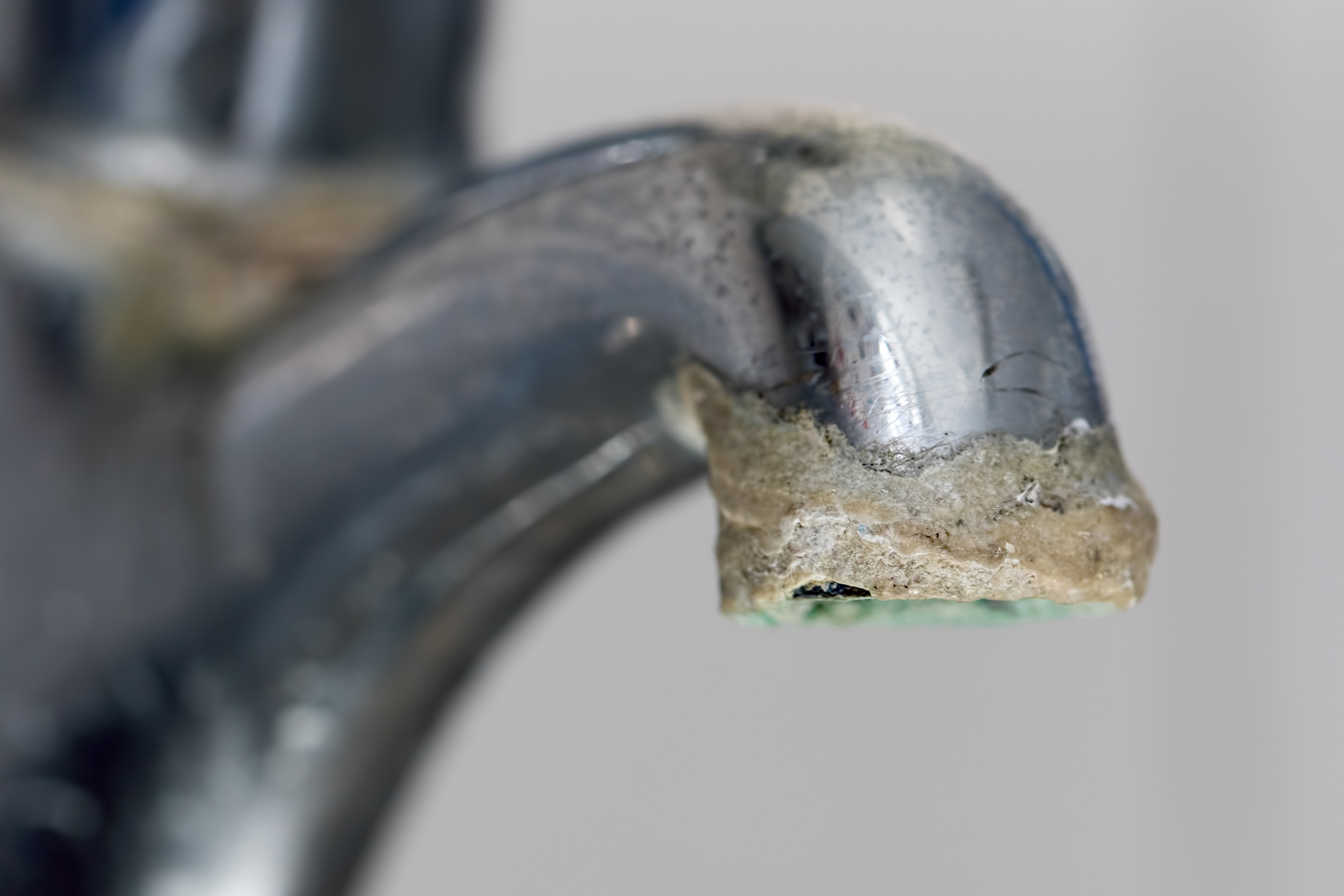
If you’re experiencing things like limescale in your pipes, it usually means you’ve got hard water. What is hard water? Put simply, it’s water that contains chemicals like magnesium, sodium, calcium and other minerals. Calcium is usually the main culprit when you see limescale forming on your drains and fixtures.

While mineral buildup doesn’t pose as serious a threat as other materials like lead or arsenic, recent research tells us that they can still affect your health. If you’re noticing buildup on areas like your faucets, it might be time to take bathroom sink repair seriously. So, what should you be on the lookout for if you think limescale might be the issue?

Signs of Mineral Buildup

As you can imagine, mineral buildup can cause some serious problems to your overall plumbing system. Some common signs of mineral buildup include:

  • Clogged pipes
  • Damage to appliances
  • Damage to plumbing fixtures
  • Soap scum
  • Skin irritation

One telltale sign of calcium deposits is limescale. This shows up as white streaks and stains around faucets, toilets, sinks and even your dishwasher. It can even leave stains on your dishes themselves. If you happen to see reddish color in your water, it’s a good sign your tap has rusty water — which might mean your pipes themselves are to blame.

To get a full assessment, contact your local plumbing company. They can help you diagnose your issues quickly and accurately.


How to Get Rid of Lime Buildup

When it comes to cleaning up limescale buildup, you’ve got a few options. Keep in mind that to treat your limescale issues at the source, meaning your water source, takes a bit more than just a simple DIY fix. But we’ll get to that a little later. If you’re looking to clean up the build-up on your fixtures, drains and appliances, what can you do?

Cleaning Off Limescale

If you’re looking to clean up limescale buildup in your pipes, a very simple home remedy will easily get the job done. Basically, you’ll be calling on some household staples to make up a chemical concoction that will break down the stubborn mineral buildup.

What you’ll need:

  • Vinegar
  • Baking soda
  • Hot water

What you’ll do:

  1. Try and remove as much water from the pipes as possible. Use a plunger drain pump if needed.
  2. Pour baking soda and vinegar into the drain you’re trying to clean.
  3. Keep the drain covered for at least five minutes with a wet cloth.
  4. Wash away the solution with plenty of hot water.
  5. Use a sponge with vinegar to clean any trouble areas around the drain.

If you’re looking to clean off your appliances, the same method can work. Just use a sponge with vinegar to hit stains and dust with baking soda for tough to clean areas.

Cleaning Your Drains Regularly

Buildup is natural for areas with hard water. Even so, you can do a lot to prevent the serious issues caused by mineral build-up by cleaning out your drains regularly. Flushing your drains with the method we described above can be a part of your cleaning schedule with little to no damage to pipes and other fixtures.

You can use harsh chemical cleaning solutions to clear your drains, but keep in mind that they come with some downsides. Not only are they corrosive and dangerous to handle, but they may cause long-term damage to your plumbing if you’re not careful.

If you are consistently dealing with plumbing issues, getting a hold of your local plumbers might be your best bet. These professionals can perform a camera pipe inspection to see what’s really going on in your plumbing and fix the issues.

Hard Water is a Difficult Problem to Fix

Here’s the thing about all these limescale remedies, the only help with pipes that lead away from your home. For pipes that supply your home with water, you don’t want to put anything in them that you might have to drink later. This is especially true for harsh chemicals. To fix these issues, you’ll need to remedy the source of your hard water.

This could be as simple as switching your water provider if that option is available in your area. You might also have some luck with water softening equipment. This might include a series of filters at strategic parts of your plumbing system.


Are You Searching for A Plumber?

Limescale buildup can cause all sorts of issues in your home. From clogged pipes to bathroom sink repair, calcium deposit issues often require the trained hand of a professional. If you’re on the hunt for qualified and affordable plumbers, make sure to reach out to our team here at Dial One Johnson Plumbing, Cooling and Heating.

Our professional plumbers can handle everything from routine maintenance to emergency repairs. If limescale is causing you issues, make sure to reach out online to schedule an appointment.

Posted in

Before Cutting Your Own Hair at Home, Beware of Drain Clogs

Drain clogs are never a fun task to deal with in your home. When experiencing a drain clog, it’s important to take immediate steps to resolve the blockage before it leads to further damage. There are various ways to deal with a drain blockage on your own, or you can contact a local plumber to get help right away. 

Looking for a plumbing service near you? The team at Dial One Plumbing Service is one call away at 972-291-0740 or visit us online.

2 Reasons Hair Shouldn’t Go Down Drains

There are plenty of good reasons why you should let hair flow down your drain. The most obvious reason is that it can lead to a major blockage. While there may be wisps and one-offs, it’s important to take the proper steps to avoid hair heading down your sink, tub or shower drains. If experiencing a clogged drain, don’t ignore it: major damage could happen if you just live with a slow flow or minor clog. 

1. Clumps of Hair Cause Pipe Damage

Having a clogged drain is not a fix to push to the back burner. Ignoring the blockage can cause critical structural damage to your pipes. You may be clued into a backup or clog when you notice an unpleasant stench wafting from your drain. Any smell like that is a sign to call a plumber immediately. When clogs become severe, the outcome will most commonly result in leaking pipes or flooding in your home. The structural damage caused by leaky pipes can predicate major home renovations. Avoid pipe damage by taking care of clogs when they happen.

2. Hair Doesn’t Dissolve or Degrade on its own

Want to know what happens to the hair you send down your drain? When your hair falls down the drain, it collects in the interior of the pipe’s walls, eventually forming a clog. A clogged drain can be a (gross) mix of hair clumps and soap or scum. As the buildup worsens, the waterways in the pipes become clogged, and the water can’t flow through. 

A buildup of hair in your drainage system cannot unclog itself. Although hair can decompose, it takes several years for the process to happen naturally. What many people don’t know is that hair is essentially a form of waste and should be disposed of like trash. Each year, approximately 300,000 pounds of hair is thrown away. The base components in hair — carbon, nitrogen and sulfur — can eat away at your pipes. A drain blockage caused by hair is no joke. If the clogged hair in your drain is too hard to pull out yourself, then it’s important to have it professionally removed before it leads to serious problems in your main sewage line. 

Water Flow in Your Home

When you are experiencing a clogged drain, one noticeable sign will be a change of water flow in your home. Experiencing a change in water flow commonly indicates that there is a blockage of debris in your drain, which can result in a cracked or broken pipeline. The blockage can be seen in poor water flow throughout your home. 

Once you have identified where the blockage is coming from, you can take further steps to investigate or contact a local plumber to come and identify the problem and fix the blockage. 

How to Tell if Your Drains are Clogged

There are many apparent signs of a clogged drain. It is one of the most common plumbing issues that you can experience in your home. To tell if your drain is clogged, here’s what to watch out for:

  • Water is slow to drain
  • A change in water pressure
  • Bubbles form when water is draining
  • There’s a bad odor
  • Debris coming out of water flow 
  • Water won’t flow at all

If you experience any of these issues, most likely you’ve got a drain clog. There are many ways to try and fix a clogged drain.

How to Fix Drain Clogs

Clogged drains happen. The issue usually circles back to clumps of hair or debris that have trickled down your drain. Homeowners should always be prepared to handle a clogged drain before it becomes too big of an issue. Here are some things to try: 

  • Baking soda & vinegar: Mixing baking soda and vinegar together can be an effective method when trying to unclog a drain. First, start off by squirting a little dish soap (doesn’t matter what kind) down the drain, followed by a cup of baking soda and a cup of vinegar. Wait about five minutes for a chemical reaction to occur and finish off by pouring a cup of boiling hot water down the drain. The mixture should help forcefully clear out the clog. You may still use a plunger to help remove anything that is left behind.
  • The snaking device: If the baking soda and vinegar mixture fails to remove the clog, another trick is to purchase a snaking device from a local hardware store. A plumber’s snake may be able to remove a clog by pushing hair through or pulling hair out. To effectively use a plumber’s snake, start off by putting on some clothes that you don’t mind getting a little dirty, followed by a towel underneath the clogged pipe. Manually insert the snake down your drain and begin to move it up and down. It can also help to run a little cold water while the snake device is in the drain. Within a matter of a few minutes, the hair should start wrapping around the device. To remove the snake, slowly lift it out of the drain and start to uncoil the hair remnants that are around the device. Snaking should help clear the pipe walls and remove any of the clogs that still remain in the drain.
  • The plunging technique: The plunging technique can be a useful way to unclog a drain filled with hair. To properly plunge a drain, start by removing the plate of the drain. Once the plate is removed, inspect the interior of the drain to see if you can locate what’s causing the blockage. After inspecting the drain, fill the sink or tub with a little bit of water and begin forcefully plunging with an up and down motion. After a few tries, lift up the plunger to see if the water is draining. If the water remains stagnant, repeat the procedure. 

Call a Plumber in Cedar Hill, TX

It’s important to seek professional assistance when experiencing drainage issues in your home. To avoid potential damage, contact Dial One Plumbing, Cooling, and Heating located in Cedar Hill, TX. Give us a call at 972-291-0740 or request an appointment here. Get more helpful plumbing tips by checking out our blog!

Author Bio:
Sherrie Johnson-Hartsock
Dial One Johnson Plumbing, Cooling & Heating is now owned and operated by Sherrie Johnson-Hartsock, with his grandson, Daniel Johnson, a third-generation plumber who is also the Service Manager.
Posted in ,

Why Heating and Plumbing are Both Important In The Winter

With the winter months approaching, it’s important to make sure your heating system is up and running. The cold weather can cause pipes to freeze and burst when they are exposed to extreme temperatures. It’s also a good idea to check that your plumbing, in general, is working properly before the cold sets in. You can do this by searching “plumbers near me” through Google and scheduling and service call with a plumbing technician. Below we will discuss how you can make sure your heating and plumbing systems work together without any issues, no matter what the weather has in store for us this season.

Why is it Important to Have a Heating System in the Winter?

It is the primary source of heat in your home during this time. If something goes wrong with it, you will have to rely on other means for warmth which can be expensive and dangerous. Here are some tips for keeping things running smoothly all winter long:

  • Keep vents clear – A clogged vent restricts proper airflow, wasting energy and making your unit work harder than it should. It may also cause temperature differences in different rooms of the house, making you uncomfortable and dissatisfied.
  • Clean or replace filters – A dirty filter prevents air from flowing back into your heating system, again making it perform beyond standard levels for hours on end. It also makes your home smell unpleasant and can cause respiratory problems if left uncleaned for too long. 
  • Keep things level – When you install your system on a slant, the airflow will be uneven, increasing the likelihood that your heating unit will break or malfunction.
  • Maintain the temperature – It is best to keep a consistent temperature throughout your home if you want to be comfortable. This necessitates an even distribution of heat from all vents so that everyone can enjoy themselves and stay warm without having too much or too little heat inside their rooms.

Heating your home this winter is vital to ensure it stays at the right temperature no matter what. Heating and plumbing should be done in tandem so that everything runs smoothly, efficiently, and without issue. If you notice something wrong or are concerned about how things are working out for you, contact a professional who can help diagnose any problems with your unit and figure out a solution to keep everything going smoothly.

Why is Your Plumbing System Important in the Winter? 

It makes it possible for you to access running water even when things around you are frozen solid. If something goes wrong with this vital part of your home, there will be no way for anyone inside or outside of your home to have access to running water. Here are some tips for keeping things going smoothly this winter:

  • Don’t leave the faucet on – If you want to prevent frozen pipes, it is best not to leave a tap or hose turned on and left unattended near an area that freezes easily. This includes garages outside of your home or any other area where it is exposed to the elements. 
  • Close your basement – This will keep moisture levels low, making it less likely for water to freeze inside the pipes and cause damage due to expanding ice. It also helps you avoid excess humidity inside your house that could lead to mold growth if left unchecked.  
  • Insulate exposed pipes – Exposed pipes and hoses are more likely to freeze than those that are not left in the open during the winter months. If you have insulation around them, it will help prevent this from happening so easily, keeping your plumbing system working well for years. 
  • Make sure your system is leveled – Even temperatures throughout your home are important, so keep your plumbing system level as well. This means that you should not have any raised or lowered sections of piping anywhere in the house, which helps with even water pressure and flow throughout all areas at all times.

How Your Heating and Plumbing Work Together

Heating and plumbing systems are critical to the comfort of your home, but they also work together. Your heating system will not function optimally without proper drainage, which is where your technician comes in. If you’re having problems with any sort of clog or drain issues that may be preventing water from flowing freely through your pipes, then you need to seek professional help. 

You also want to make sure that your plumbing and heating systems are properly vented together, which means you’ll either want a twin or double-walled venting system for both. This will ensure the best airflow while simultaneously protecting against carbon monoxide poisoning.

Suppose you have a gas or oil-fired boiler. A technician can inspect all components of your home’s heating and plumbing systems, including the furnace. In that case, they’ll check to ensure that all components are working efficiently at the maximum output while minimizing energy consumption.

Your technician can also help with routine maintenance of your home’s heating system by doing things like cleaning out your registers and radiators.

With a technician on your side, you can rest easy knowing that any issues that may arise with either of these systems will be handled quickly and professionally. Your heating system will work as efficiently as possible while keeping your home warm during the cold winter months, and all drain clogs or other plumbing problems will be taken care of before they become a major issue.

Did you know? The best way to find a plumbing technician in your area is to type “plumbers near me” into Google? You can find all sorts of helpful information about plumbing and heating at your fingertips. Learn more by visiting us today!

Maintaining Your Heating And Plumbing Systems

During the winter, homeowners should always keep their heating and plumbing systems in good working order. This is especially true for those who live in colder climates, where snow and ice can interfere with your system’s functionality, even if it appears to be working properly. Keeping up with routine maintenance will ensure that you are prepared to deal with any problems that arise.

Dial One Johnson Plumbing, Cooling, and Heating is available to assist you at any time of day or night. We provide emergency HVAC and plumbing repairs and services 24 hours a day, seven days a week. Our technicians are always well-equipped with the tools and parts they require to handle everyday emergencies. Please do not hesitate to contact us for dependable service that will get the job done. Remember, typing “plumbers near me” into Google is your best resource to find the best plumbers in Red Oak, TX!

Author Bio:
Sherrie Johnson-Hartsock
Dial One Johnson Plumbing, Cooling & Heating is now owned and operated by Sherrie Johnson-Hartsock, with his grandson, Daniel Johnson, a third-generation plumber who is also the Service Manager.