Experiencing an emergency? Call 972-914-0833

Ready to Experience the Dial One Johnson Difference?

Your go-to resource for HVAC and plumbing solutions, DIY guides, and home maintenance tips.

Got an emergency? Call 972-914-0833 or …

Explore by topic:
Posted in

Benefits of Regular Drain Cleaning

Regular drain cleaning offers several benefits that extend beyond simple convenience. First and foremost, it prevents clogs and blockages that can lead to slow drainage, standing water, and, in severe cases, burst pipes or water damage. Regularly clearing your drains means fewer emergency calls to plumbers, saving money on costly repairs.

Moreover, it helps eliminate unpleasant odors caused by the buildup of food, grease, and other debris in your pipes, ensuring a healthier and more pleasant living environment.

Additionally, regular drain maintenance contributes to the overall longevity of your plumbing system. By removing potential blockages before they become severe, you reduce the stress on your pipes and fittings, which can prevent leaks and extend the life of the system.

Clean drains also mean more efficient water flow, which optimizes your home’s water usage and energy consumption, particularly in systems that require heated water. This proactive approach not only keeps your plumbing in top condition but also supports a more sustainable home environment.

How Does Drain Cleaner Work?

Drain cleaners are chemical or enzymatic solutions designed to clear clogged or slow-running drains. They work through different mechanisms depending on their formulation:

Chemical Drain Cleaners:

Caustic Drain Cleaners:

These contain substances like lye (sodium hydroxide) or potash (potassium hydroxide). They work by generating heat and reacting with the grease and other organic substances in the drain to form a soap-like substance that dissolves in water, thereby clearing the blockage. 

Oxidizing Drain Cleaners:

These cleaners, such as those containing bleach (sodium hypochlorite) or peroxides, release heat and gas when they come into contact with organic material in the clogs. This reaction oxidizes the material, breaking it down and clearing the blockage. 

Acidic Drain Cleaners:

Commonly made from sulfuric acid or hydrochloric acid, these are typically more potent and faster-acting than other chemical cleaners. They react chemically with the clog’s material, generating heat that helps dissolve substances like hair and food particles.

Enzymatic Drain Cleaners:

These cleaners use natural enzymes and bacteria to digest organic materials in the drain, such as hair, oils, and food waste. Enzymatic cleaners are more environmentally friendly because they do not contain harsh chemicals and work more slowly to break down clogs without damaging the pipes.

Chemical drain cleaners are effective but can be harsh on plumbing systems and may pose risks to health and the environment if used improperly. Enzymatic cleaners, while gentler and safer, may require more time to effectively clear a clog. It’s essential to choose the type of cleaner that is appropriate for the severity of the clog and the type of piping in your home.

How Regular Drain Cleaning Prevents Plumbing Disasters

Maintaining the integrity of your home’s plumbing system is deeply interconnected with the regular cleaning of drains—a task often neglected yet vital for the overall health of your water supply and drainage systems.

Sinks in the kitchen and bathroom, along with your bathtub and shower, are frequent victims of accumulated organic matter, grease, soap, and hair, leading to clogs that can escalate into severe plumbing disasters if left unattended.

By addressing the risks associated with poor drain maintenance, homeowners can ensure that the smooth functioning of pipes and sewers remains uninterrupted, safeguarding the home against the costly and inconvenient aftermath of plumbing malfunctions.

Why Do You Need Drain Cleaning Maintenance?

Regular drain cleaning maintenance is crucial for several reasons, helping to ensure the efficient and long-lasting performance of your plumbing system: 

Prevents Clogs and Blockages:

Regular cleaning helps remove buildups of hair, grease, food waste, and other debris before they lead to significant blockages. This proactive approach can prevent the inconvenience of slow drains or completely stopped pipes, which might otherwise require emergency plumbing services. 

Mitigates the Risk of Water Damage:

Blocked drains can lead to water backing up, which can eventually cause overflows and leaks. These overflows not only pose health risks by encouraging mold growth but can also cause substantial damage to your home’s structure and interiors. Regular maintenance reduces the likelihood of such issues. 

Eliminates Odors:

Drains can be a source of unpleasant odors due to decaying organic matter stuck within them. Routine cleaning helps keep these odors at bay, maintaining a fresher and more pleasant home environment. 

Ensures Healthier Conditions:

Stagnant water in blocked drains can become a breeding ground for bacteria and pests, potentially leading to health hazards. Regular drain cleaning ensures that water flows freely, preventing the conditions that allow harmful microbes and insects to thrive. 

Increased Longevity of Plumbing Systems:

By maintaining clean and clear drains, you reduce the stress and strain on your pipes and the overall plumbing system. This can prevent premature wear and tear, thereby extending the life of the components and saving you money on potential replacements and repairs. 

Improves Efficiency:

When drains are free from blockages, water can flow more efficiently through the pipes. This efficiency is not only better for the environment by reducing unnecessary water usage, but it also helps keep your water bills lower. 

Choosing the Right Tools for DIY Drain Cleaning

Keeping your drains clean involves more than just determination; you also need the right tools and cleaners. Every home should have strong, reliable cleaning tools and a variety of cleaning solutions, from eco-friendly options to stronger chemical ones.

Choosing the right cleaner is important—using the wrong one could damage your pipes or harm your plumbing system. Knowing when to use simple, natural ingredients and when to use powerful chemicals can make the difference between smooth-running pipes and a major plumbing problem.

Do You Need a Professional Drain Cleaning Service?

Hiring a professional plumber for a drain cleaning service provides a detailed inspection and thorough cleaning of your home’s plumbing system. Plumbers come equipped with specialized tools to effectively remove tough clogs, scale buildup, and any unexpected foreign objects that could harm your pipes and water quality.

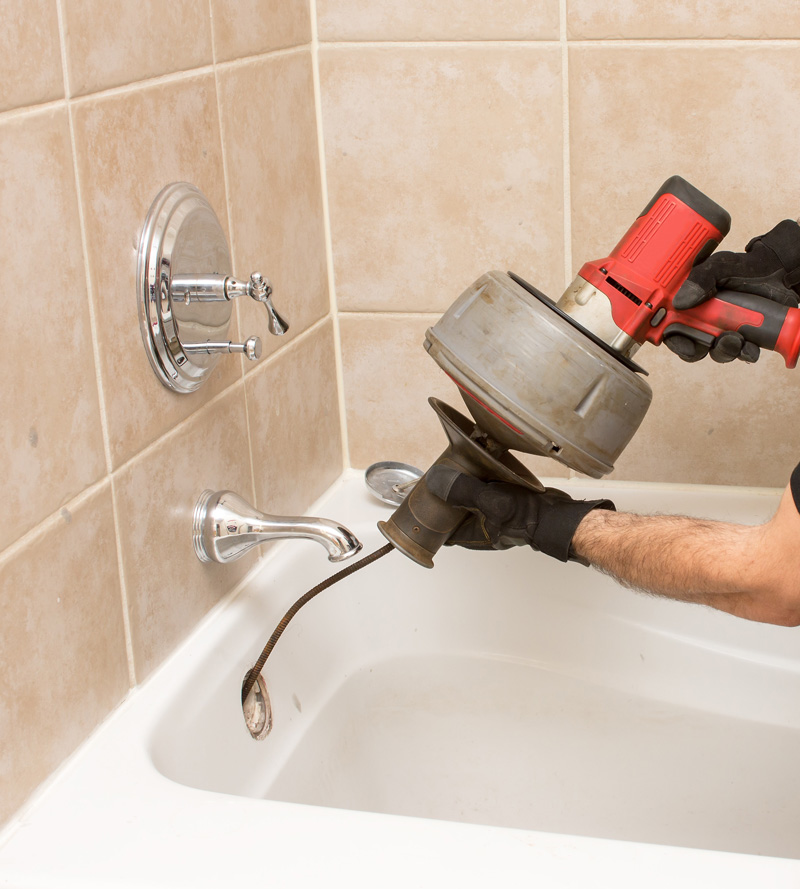
During the service, plumbers may use advanced cleaning methods like hydro-jetting or rotor-rooting to make sure every part of your drains is thoroughly cleaned.

This not only helps prevent future blockages but also ensures that water flows smoothly through your pipes. Taking this proactive step not only prolongs the life of your plumbing system but also creates a healthier living environment by eliminating odors and preventing slow drains. 

How Often Should Professional Services Be Scheduled?

The frequency of scheduling professional drain cleaning services depends largely on how often your household uses the plumbing system and its current condition. Homes with a lot of activity, particularly those with large families or older plumbing systems, might need professional cleaning at least once a year to prevent potential problems.

On the other hand, if you have a newer plumbing system or live in a smaller household with less frequent usage, you might only need professional drain cleaning every other year. It’s a good idea for homeowners to talk to a trusted plumber for personalized advice, taking into account their home’s specific plumbing usage patterns and any previous issues with clogs or repairs. This approach helps ensure that your plumbing system remains in top condition.

Posted in

How Much Does It Cost to Replace a Sink Drain Pipe in Midlothian, TX?

Sink drain pipes are the first checkpoint in your home’s plumbing system. You probably don’t spend much thought on them, but it only takes a crack or a clog in one of them to change how you spend time in your kitchen or bathroom.

When the sink drain is badly damaged, your plumber will most likely recommend a replacement. How much does it cost to replace a sink drain pipe? We’ll look at all the details in this post.

Are you looking for a certified plumber in Midlothian, TX? Call Dial One Johnson Plumbing, Cooling, & Heating today to schedule a consultation.

How Much Does Sink Drain Pipe Replacement Cost in Midlothian, TX

The cost of sink drain pipe replacement will vary from one project to another due to a number of factors. However, most sink drain pipe replacement projects in the area cost between $250 and $1,250, with the average cost set at $700. This price covers the cost of the material and labor. 

However, you should keep in mind that these estimates are for replacing the drain pipe that runs from your sink to the central drain pipe, which goes down to your sewer line. Replacing the entire drain pipe system is a major project that may cost up to $20,000.

Factors Affecting the Cost of Sink Drain Pipe Replacement in Midlothian, TX

Some of the factors that will determine how much you’ll pay to replace your sink drain pipe include the following:

The Pipe Material

The cost of material makes up a significant chunk of the cost of the entire drain pipe replacement. Therefore, you have to carefully evaluate your choice of pipe for the project. 

PVC (polyvinyl chloride) is the cheapest and most common type of sink drain pipe. They cost around $0.50 – $5 per foot. So, you can expect the cost of the replacement to be well within the average range if you choose PVC. Copper pipes cost around $2 – $10 per foot.

If you have cast iron drain pipes, you can expect to pay up to $10 – $20 per foot of pipe. However, due to modern trends in plumbing, fewer property owners are using cast iron pipes.

The Cost of Labor

Most plumbers charge by the hour and will provide you with an estimate after they have evaluated the demands of the project. So, if you’re asking, “How much does it cost to replace a sink drain pipe?” you need to first look at the complexity of the project.

Most kitchen and bathroom sink drain pipes are short and easily reachable. However, some homeowners in Midlothian, TX have drain pipes that will require cutting through walls or floors to fix. The ease of access to the drain pipe ultimately determines the overall cost of labor.

Potential Additional Repairs

Sometimes, your plumber may uncover additional issues with your plumbing during the sink drain pipe replacement project. Therefore, the project will cost more if the plumber has to fix damaged seals, corroded fittings, and drain line clogs.

Your plumber will discuss these additional repairs with you before doing anything. However, it’s always a good idea to budget for additional expenses for this reason. 

How to Avoid Early Sink Drain Pipe Replacement

Looking at the pricing for drain pipe replacement, you’ll want to know what you can do to avoid replacing it again in just a few months. Here’s what you can do:

Avoid Sending Debris Down the Drain Pipes

For your kitchen sink, you should avoid disposing of:

  • Food scraps. Food scraps like bone and egg shells take forever to decompose. 
  • Grease and oil. Grease and oil will solidify on cooling, reducing the diameter of your drain pipes.

For the bathroom sink, you should avoid disposing of:

  • Dental floss. Used dental floss can cause severe clogs.
  • Hair. Always confirm that the mesh drain is tightly covering the sink drain hole when you have to shave or wash your hair in the sink.

Don’t Use Chemical Drain Cleaners

Chemical drain cleaners are the go-to cleaning agents when homeowners suspect a clog in their plumbing. However, the harshest ones can damage all kinds of plumbing pipes, including PVC.

Get Affordable Sink Drain Pipe Replacement in Midlothian, TX

How much does it cost to replace a sink drain pipe? The prices will vary for each project.  

Do you want a customized estimate? Do you know why you should never pour grease down the drain? Call Dial One Johnson Plumbing, Cooling, & Heating in Midlothian, TX, today at 972-573-4539 for no-obligation drain pipe replacement estimates.

Author Bio:
Sherrie Johnson-Hartsock
Dial One Johnson Plumbing, Cooling & Heating is now owned and operated by Sherrie Johnson-Hartsock, with his grandson, Daniel Johnson, a third-generation plumber who is also the Service Manager.

Posted in

How Much Is a Normal Water Bill for a House in Texas?

Just opened your water bill and saw it jumped from $50 to $140 with no explanation? You’re not alone. Thousands of North Texas homeowners face unexpectedly high water bills each month – and many don’t realize a hidden leak could be draining their wallet.

Whether you’re trying to figure out if your bill is normal, looking for ways to cut costs, or suspecting you might have a leak, this guide breaks down everything you need to know about water bills in Texas – specifically for homeowners in Cedar Hill, Dallas, Grand Prairie, DeSoto, and Midlothian.


Quick Answer: What's the Average Water Bill in North Texas?

For a family of four in North Texas: Expect to pay $50-75 per month for water and sewer combined, based on using 8,000-10,000 gallons monthly. However, rates vary significantly by city.

Texas statewide average: $40-50 per month
National average: $83 per month

If your bill is consistently over $100 for a typical household, you’re either using significantly more water than average or you may have a leak that needs immediate attention.


North Texas Water Bill Comparison by City

Water rates vary significantly across the Best Southwest and Dallas area. Here’s what residents in our service area typically pay:

Average Monthly Water Bills (Family of 4, ~8,000-10,000 gallons)

CityAverage Monthly BillBase FeeCost Per 1,000 Gallons (After Base)Sewer Charge
Cedar Hill$52-68$25.50$4.85~$30-35
Grand Prairie$58-72$28.00$5.20~$32-38
DeSoto$48-62$24.00$4.72~$28-32
Midlothian$45-58$22.50$4.50~$26-30
Dallas$65-85$30.00$5.50~$38-45
Duncanville$50-65$26.00$4.90~$30-34

Rates current as of December 2025. Contact your local utility for exact current rates.

What This Means for Your Household

2-person household (4,000-5,000 gallons): Expect to pay $30-45 monthly
4-person household (8,000-10,000 gallons): Expect to pay $50-75 monthly
6-person household (12,000-15,000 gallons): Expect to pay $75-110 monthly

Summer bills in Texas typically run 30-50% higher due to lawn watering, pool filling, and increased outdoor water use. If you have an irrigation system, expect summer bills closer to $90-150 even for average usage.


How Texas Water Billing Works

Understanding your bill helps you identify problems faster. Here’s what you’re actually paying for:

Breaking Down Your Water Bill

1. Base Fee (Meter Charge)
This fixed monthly charge covers infrastructure maintenance regardless of usage. Typically $20-30/month in North Texas.

2. Volume Charge (Usage)
This is based on how many gallons you use, usually billed in 1,000-gallon increments. Most cities use tiered pricing:

  • First 2,000-5,000 gallons: Lower rate ($4.50-5.00 per 1,000 gallons)
  • Next tier: Slightly higher rate ($4.75-5.50 per 1,000 gallons)
  • High usage: Even higher rate ($5.00-6.00 per 1,000 gallons)

3. Sewer Charge
Often the most expensive part of your bill! Sewer charges are typically calculated based on your water usage (assuming what goes in must come out). In North Texas, sewer charges often equal or exceed water charges.

4. Additional Fees

  • Stormwater management fee
  • Infrastructure improvement charges
  • Environmental fees

How to Read Your Water Meter

Your water meter tracks usage in gallons or cubic feet. Here’s how to check for leaks:

  1. Turn off ALL water in your home (no showers, toilets, washing machines, ice makers)
  2. Write down the meter reading
  3. Wait 30 minutes without using any water
  4. Check the meter again
  5. If the numbers changed, you have a leak
 

What Affects Your Water Bill

1. Household Size

Average daily water usage per person in Texas: 90-100 gallons

  • 1 person: 2,700-3,000 gallons/month
  • 2 people: 5,400-6,000 gallons/month
  • 3 people: 8,100-9,000 gallons/month
  • 4 people: 10,800-12,000 gallons/month
  • 5+ people: 13,500+ gallons/month

2. Seasonal Variations

Summer Bills (June-September):
Texas summer heat means significantly higher water bills, often 30-50% more than winter due to:

  • Lawn and garden watering (up to 30% of summer water use)
  • Pool filling and maintenance
  • More showers and outdoor activities
  • Increased AC condensation line drainage

Winter Bills (December-February):
Typically the lowest bills of the year, though water heating costs more.

3. Irrigation Systems

Automatic sprinkler systems are major water users. A typical residential irrigation system can use:

  • 15-25 gallons per minute while running
  • If running 20 minutes, 3x per week: ~3,600-6,000 gallons/month extra
  • Adds $20-40 to your monthly bill

Pro tip: Many North Texas cities offer irrigation audits to help you optimize watering schedules and reduce waste.

4. Appliance Age and Efficiency

Older toilets (pre-1994): Use 3.5-7 gallons per flush
Modern low-flow toilets: Use 1.28-1.6 gallons per flush
Savings: A family of four can save 20,000+ gallons per year

Older washing machines: Use 40+ gallons per load
Modern high-efficiency washers: Use 15-25 gallons per load
Savings: 8,000-10,000 gallons per year

Older showerheads: Use 3.5-5 gallons per minute
Low-flow showerheads: Use 2.0 gallons per minute or less
Savings: Up to 2,700 gallons per year per person

5. Leaks (The Hidden Water Waster)

Even small leaks add up dramatically:

  • Dripping faucet (1 drip/second): Wastes 3,000+ gallons/year (~$15-20)
  • Running toilet: Wastes 200+ gallons/day (~$30-60/month)
  • Leaking toilet flapper: Wastes 6,000+ gallons/month (~$40-80)
  • Small slab leak: Can waste 10,000+ gallons/month (~$70-150)
  • Major pipe leak: Can waste 30,000+ gallons/month (~$200-400)


This is why unexplained bill increases should always be investigated immediately.


Is Your Bill Too High? Warning Signs to Watch For

Red Flags That Indicate a Problem

🚨 Your bill suddenly increased 50% or more with no change in usage
🚨 You’re consistently paying $100+ for a typical household
🚨 Your usage went up but your habits didn’t change
🚨 Your bill is significantly higher than neighbors with similar households
🚨 You hear running water when everything is turned off
🚨 You see wet spots on walls, ceilings, or floors
🚨 Your water pressure has decreased
🚨 You notice warm spots on your floor (hot water slab leak)
🚨 Your yard has unusually green or soggy patches
🚨 Your water meter continues moving when water is off

How Much Water Should You Be Using?

Typical daily household water usage in North Texas:

  • Toilets: 24% (2,400 gallons/month for family of four)
  • Showers/Baths: 20% (2,000 gallons/month)
  • Faucets: 19% (1,900 gallons/month)
  • Washing Machine: 17% (1,700 gallons/month)
  • Dishwasher: 1% (100 gallons/month)
  • Outdoor/Other: 19% (1,900 gallons/month, higher in summer)
  • Leaks: Can account for 15% or more!

If your usage is significantly higher in one category, that’s where to focus your reduction efforts – or where a leak might be hiding.


How to Lower Your Monthly Water Bill

Immediate Actions (No Cost)

1. Check for Running Toilets
Put food coloring in your toilet tank. If color appears in the bowl within 15 minutes without flushing, you have a leak. A running toilet can waste 200 gallons per day.

2. Take Shorter Showers
Reducing a 10-minute shower to 5 minutes saves 12.5 gallons per shower. For a family of four taking daily showers, that’s 1,500 gallons saved per month.

3. Turn Off Water When Not in Use

  • While brushing teeth (saves 4 gallons/day)
  • While soaping up in the shower (saves 5 gallons/day)
  • While washing dishes by hand (saves 2-3 gallons/day)

4. Only Run Full Loads
Wait to run your dishwasher or washing machine until you have a full load. This can save 300-800 gallons per month.

5. Adjust Your Irrigation Schedule
Water early morning (before 10am) or evening (after 6pm) to reduce evaporation. Most North Texas lawns only need 1″ of water per week, including rainfall.

Low-Cost Improvements ($20-200)

1. Install Low-Flow Showerheads
Cost: $15-40 each
Savings: 2,700+ gallons per person annually
Payback: 2-4 months

2. Replace Toilet Flappers
Cost: $5-15 per toilet
Savings: Up to 6,000 gallons/month if old flapper was leaking
Payback: Immediate if you had a leak

3. Install Faucet Aerators
Cost: $5-10 each
Savings: 500-700 gallons per faucet annually
Payback: 1-3 months

4. Add Rain Barrel for Garden Watering
Cost: $50-150
Savings: 1,300+ gallons during growing season
Payback: 6-12 months

5. Install Smart Irrigation Controller
Cost: $100-300
Savings: 8,000-15,000 gallons annually
Payback: 6-18 months

Bigger Investments ($200-2,000+)

1. Replace Old Toilets
Cost: $200-500 per toilet installed
Savings: 13,000+ gallons per year per toilet
Payback: 2-4 years

2. Upgrade to High-Efficiency Washer
Cost: $600-1,500
Savings: 8,000-10,000 gallons annually
Payback: 3-6 years (including water and energy savings)

3. Install Drip Irrigation System
Cost: $500-2,000 for typical yard
Savings: 30-50% reduction in outdoor water use
Payback: 2-4 years

4. Convert to Drought-Tolerant Landscaping
Cost: $1,500-5,000+ depending on yard size
Savings: Can reduce outdoor water use by 50-75%
Payback: 3-7 years, plus increases home value

Water Conservation Rebates in North Texas

Many cities offer rebates for water-efficient upgrades:

Cedar Hill:

  • Rain barrel rebates
  • Irrigation efficiency programs
  • Check with Cedar Hill Water Department

Dallas:

  • $100 rebate for high-efficiency toilets
  • $200 rebate for smart irrigation controllers
  • Free irrigation system evaluations

Grand Prairie:

  • Landscape transformation rebates
  • Rain sensor rebates
  • Free outdoor water audits

Check your city’s utility website for current rebate programs.


When to Call a Plumber About High Water Bills

Sometimes, reducing usage isn’t enough – you need a professional plumber to find and fix hidden problems.

Signs You Need Professional Leak Detection

Call a plumber immediately if you notice:

Bill increased 50%+ with no usage change – This almost always indicates a leak
Water meter continues moving with all water off – Confirmed leak
Sound of running water when nothing is on – Likely pipe or toilet leak
Wet spots on walls, ceilings, or floors – Active leak causing damage
Warm spots on floors – Possible hot water slab leak
Soggy yard areas or extra-green grass patches – Underground irrigation or pipe leak
Decreased water pressure – Could indicate leak or pipe damage
Musty smells or visible mold – Hidden leak causing moisture problems

Why DIY Leak Detection Isn’t Enough

Many leaks hide in walls, under slabs, or underground where you can’t see or reach them. Professional plumbers use specialized equipment:

  • Acoustic leak detection: Listens for leaks in pipes
  • Thermal imaging cameras: Detects temperature changes from water leaks
  • Moisture meters: Pinpoints hidden water damage
  • Pressure testing: Identifies leaks in closed systems
  • Video pipe inspection: Shows inside pipes to find cracks and breaks

Our Leak Detection Services

At Dial One Johnson Plumbing, Cooling & Heating, we’ve been finding and fixing leaks in North Texas homes since 1965. Our leak detection services include:

  • Complete home leak inspection
  • Advanced acoustic and thermal imaging equipment
  • Same-day service available
  • Transparent, upfront pricing
  • 100% satisfaction guarantee

Don’t let a hidden leak drain your wallet. Call us today at 972-291-0740 or schedule online.


Don't Let High Water Bills Drain Your Budget

Understanding your water bill is the first step to controlling costs and catching problems early. If you live in Cedar Hill, Grand Prairie, DeSoto, Midlothian, or anywhere in the Best Southwest, knowing what’s normal for your area helps you spot issues before they become expensive disasters.

Key Takeaways:

  • Normal North Texas water bills: $50-75/month for family of four
  • Summer bills are 30-50% higher – that’s normal
  • Bills over $100 may indicate leaks or excessive usage
  • Even small leaks can add $50-100/month to your bill
  • Professional leak detection pays for itself quickly

Is Your Water Bill Higher Than It Should Be?

You might have a leak costing you hundreds per year. Our leak detection specialists use advanced equipment to find hidden problems fast.

Don’t let a small leak drain your wallet and damage your home.

Call Dial One Johnson Plumbing, Cooling & Heating today:

📞 972-291-0740
Same-day service available
Serving Cedar Hill, Grand Prairie, DeSoto, Midlothian, Dallas & surrounding areas since 1965


Posted in

Can I Plumb My Own House in Bedford, TX?

If you’ve experienced a flooded toilet in your home, you know that immediate plumbing work is sometimes necessary, making the DIY route all the more tempting. While you can do some minor plumbing work yourself, it’s best to hire a professional in most situations.

If you want to know the answer to the question, “Can I plumb my own house?” then allow Dial One Johnson Plumbing, Cooling & Heating, an experienced plumber in Bedford, TX, to explain everything you need to know about plumbing in your home.

Can I Plumb My Own House?

The short answer is yes, but we don’t typically recommend it. While DIY plumbing can help save you money, it may not always help you save on hassle. In Texas, it’s not illegal for a homeowner to do plumbing work without a license, just as long as they don’t interfere with the water system that goes from house to house.

Some advantages of doing your own plumbing include:

  • Urgency: If you have an issue with your toilet, odds are you don’t want to wait until morning to fix it, especially if it’s rapidly spreading all over your tile.
  • Savings: Hiring a professional plumber to fix your toilet costs money. 
  • Convenience: Doing the job yourself means you don’t have to wait for anyone else to show up.

Why It's Best To Call a Licensed Plumber

While there are some advantages to doing it yourself, there are also a handful of disadvantages, including:

  • Safety: One of the top concerns that plumbers have with DIY projects is the homeowner’s safety. Plumbing requires expert knowledge of gas, water, tools, and methods that can be dangerous if you don’t handle them carefully.
  • Expertise: Without the expert knowledge and industry experience plumbers use on the job, you could end up compromising your own work, leading to more expensive problems later.
  • Code violation: It’s important to remember building codes when performing any plumbing work. While working on your indoor plumbing is legal, messing with the water line or detaching from it isn’t.

The Dangers of DIY Plumbing for Bedford Homeowners

While DIY plumbing can save you some money upfront, we recommend calling a professional instead of attempting complex jobs yourself. You can complete some minor tasks on your own, like clearing a drain or getting your toilet to flush again, but more complex jobs require someone with experience and the proper licensing.

When asking, “Can I plumb my own house?” it’s crucial to consider the potential dangers of doing so.

Insurance Doesn't Cover DIY Plumbing Work

Homeowner’s insurance doesn’t cover your attempts at fixing the pipes. If you make a mistake, the resulting water damage from your water supply may cause more harm than if you had just left it alone and called a professional. Getting a professional to look at your pipes can be helpful since a plumber not only can fix your problem but also offer advice on how to prevent such issues.

You May Accidentally Cause Water Damage

If you try to take a wrench to your pipes without proper experience or a building permit, you may accidentally cause damage to the structure of your system. This could lead to leaks and cause water damage to your floors and appliances.

If you already have a plumbing issue, adding water damage on top of it just leads to more expenses. A simpler alternative is to get a professional to address the problem, which often takes less time and effort on your part. Reputable plumbers also offer service warranties, which provide additional coverage for your home’s plumbing system that you can’t get by going the DIY route.

Get Dial One Johnson Plumbing, Cooling & Heating To Handle All Your Plumbing Needs in Bedford, Texas

Dial One Johnson Plumbing, Cooling & Heating can handle all of your water line and HVAC needs, from fixing the toilet to teaching you how to avoid pest infestations.

Our technicians understand that when your plumbing system malfunctions, it needs a prompt fix. While you may know the answer to the question, “Can I plumb my own house?” it’s always best to call a professional with the right experience, equipment, and warranties.

Sometimes, plumbing ordeals can be too big for a DIY job to handle, which is why Dial One Johnson Plumbing, Cooling & Heating has you covered. If you’re having issues with your plumbing system, don’t wait for matters to get worse.

When you want expert plumbing services in Bedford, Texas, call Dial One Johnson Plumbing, Cooling & Heating at 972-703-5133 today.

Author Bio:
Sherrie Johnson-Hartsock
Dial One Johnson Plumbing, Cooling & Heating is now owned and operated by Sherrie Johnson-Hartsock, with his grandson, Daniel Johnson, a third-generation plumber who is also the Service Manager.

Posted in

Can a Water Heater Explode? A Guide for Cedar Hill, TX, Residents

When properly maintained, water heaters are safe and pose no threat to your household. So, can a water heater explode? While incredibly rare, water heater explosions can happen if the machine is poorly looked after.

To learn more about maintaining your water heater and preventing accidents, let a professional plumber in Cedar Hill, TX, show you the early warning signs of water heater explosions.

Water Heater Explosion Risk: Key Indicators to Watch For

Water heater explosions happen due to high internal temperatures or undue pressure on the tank mechanisms caused by poor maintenance. While plenty of safety measures can help minimize a water heater’s risk of exploding, avoiding water heater accidents starts with proper maintenance.

Things like rust and corrosion can prevent your water heater from working properly, blocking vents or causing defects that eventually cause the tank to explode. If your tank is at risk to explode, there should be a few signs, such as:

Popping Sounds

Can a water heater explode if it’s making popping sounds?

If you hear popping from your water heater, you may have some water heater safety concerns. When water heaters lack maintenance via flushing, sediment can develop at the bottom of your tank. As sediment develops thicker, water can become trapped underneath it, boiling faster and bubbling from underneath.

This causes the pop sound you are hearing. With sediment in your tank, your water heater will reach temperatures it is not designed for.

Leaking Valves

Normally, when a valve leaks on your water heater, it’s to prevent water heater explosions. A T&P valve relieves pressure upon activation so your tank doesn’t explode.

Opening a T&P valve also helps maintain temperature control, allowing cold water to mix with the tank’s internal water so that it can cool down. If your T&P valve is always open, this is a clear indicator of a maintenance issue. Additionally, if you have sediment inside your tank, such debris can interfere with a T&P valve’s functionality, rendering it unable to open.

Leaking Gas

If your water heater leaks gas, this is one of the most obvious risks of water tank explosions. Gas leaks can occur due to damaged gas lines or a faulty installation.

To test if your water heater is leaking gas, note the scent of the air in its location. If the air smells like rotten eggs, you have a potentially dangerous gas leak. Combined with the water heater’s pilot light, a gas leak could have devastating consequences.

Dirty Water

If your water is brown, your water heater might be at risk of exploding. This is because brown or otherwise dirty water indicates sediment in your tank, which causes its own set of problems.

If your water heater has brown water, it may also spread to your Cedar Hill home through the tap, making it one of the most obvious signs of a compromised water heater. Rust may also cause dirty water in your heater, meaning that essential bits of your tank may be too rusted to function.

Observe Signs of Water Heater Failure in Bedford, Texas

If your water heater shows signs of failure, don’t wait to fix it. Allowing such symptoms to persist can lead to an explosion.

When a water heater explodes, the results can be violent, destroying homes and harming the occupants. If you observe your water heater acting strangely, the best thing to do is to call a professional who can help resolve your situation as soon as possible. Water heater noise, even subtly, can be a sign of danger that you shouldn’t ignore.

Stay Safe With Dial One Johnson Plumbing, Cooling & Heating in Cedar Hill, TX

Now that you know the answer to “Can a water heater explode?” contact Dial One Johnson Plumbing, Cooling & Heating for reliable water heater services. Our skilled technicians understand the potential danger behind water heaters and the confusion that such problems can bring to your home. Since a poorly maintained water heater can risk your house and safety, we understand how important it is to deal with these jobs professionally and promptly.

If your water heater is acting up, don’t wait. Call a Dial One Johnson Plumbing, Cooling, & Heating professional at 972-291-0740 to get started today.

Author Bio:
Sherrie Johnson-Hartsock
Dial One Johnson Plumbing, Cooling & Heating is now owned and operated by Sherrie Johnson-Hartsock, with his grandson, Daniel Johnson, a third-generation plumber who is also the Service Manager.

Posted in

How Long Can a Sump Pump Go Without Power?

If you own a home with a basement, you know that a sump pump is a vital part of keeping everything nice and dry. If you want to know the answer to the question, “How long can a sump pump go without power?” let Dial One Johnson Plumbing, Cooling & Heating, a leading provider of generator service in Dallas County, explain more below.

How Do Sump Pumps Work?

Sump pumps act as a drainage system for commonly flooded areas in a home, such as a basement. When water flows into the sump pit, the electrical connector floats to create enough power to remove water from your home.

During flooding, a sump pump is a godsend to prevent water damage from overtaking your basement, draining the majority of the water before anything can accumulate.

If the power goes out, your sump pump can continue running for four to six hours, depending on how much battery life it has.

The Dangers of Sump Pump Power Outages

Unfortunately, even if you have a sump pump during times of flood, a sump pump power outage duration can quickly take your built-in advantage away from you.

Without electricity, a sump pump can’t send the water outside via the discharge pipe. Luckily, there are ways you can prevent these perfect storms from happening. Preparing your sump pump with some alternative methods of power can make your basement less susceptible to flooding and water damage 24/7, no matter what’s going on with the weather outside.

Backup Options for Sump Pumps

How long can a sump pump go without power? The duration of sump pump operation during outages could be a few hours if it has enough battery life, but this is not always the case.

Since sump pump electronics can fail even when the rest of the house has power, having either a generator or a battery backup handy is great for flooding emergencies. To power your sump pump, consider the following:

Generators

Power loss and sump pump operation are two inconveniences that may often go hand in hand. To best protect your crawlspaces and basements, we suggest a generator for round-the-clock coverage.

A generator provides significant protection against power outages not just for your home but also for your sump pump when you need it the most during a flood. With a generator, there’s more leeway wattage for your sump pump, providing energy for the whole house so that you can focus on keeping floodwaters down.

Batteries

If you’re dealing with a storm that causes flooding in your basement, a battery backup for sump pumps can help prevent multiple hours of flooding. While only a temporary solution, it can help you keep floodwaters away as an interim measure.

A battery backup can act as a small safety net so that your sump pump remains active during a flooding crisis to mitigate the worst damage. While a generator is a more hearty solution, you can’t go wrong with having both in your household just to be safe.

Sump Pump Generators

If a generator sounds too expensive and a battery backup sounds too temporary, consider a generator for just your sump pump. Depending on the wattage of your sump pump, you may need to be selective with which generator you choose for your flood protection. Most generators will run at about 7,000 watts, while a sump pump typically only requires 1,000 watts to function. 

Water-Powered Sump Pumps

If you find your basement floods frequently, and you have a sump pump without electricity, why not use the water flow to your advantage? A water-powered sump pump doesn’t rely on electricity to keep it going but instead the flow of the water as it enters your sump pit. When the float rises due to the water level, it opens a valve that allows your gathered water to flow up and out of the discharge pipe.

Prepare Your Home With Dial One Johnson Plumbing, Cooling & Heating

Now that you know the answer to the question “How long can a sump pump go without power?” turn to our team at Dial One Johnson Plumbing, Cooling & Heating for all your sump pump needs.

If you’re considering installing a generator or a specialized water-powered sump pump in your home, call us at Dial One Johnson Plumbing, Cooling & Heating. We can teach you how to clean your sump pump and when it’s time to get a replacement in Dallas County, Texas.

Posted in

How Can You Tell If You Have a Gas Leak?

Do you suspect a gas leak in your home? Call Dial One Johnson Plumbing, Cooling & Heating at 972-291-0740 for a quick fix.

As is the case across the United States, most homes have multiple gas-powered appliances. However, natural gas is highly flammable, and gas leaks can do more than expose your property to the risk of fires. Undetected leaks can be deadly.

But how can you tell if you have a gas leak? Knowing the signs of a leak is important so you can move quickly. Dial One Johnson Plumbing, Cooling & Heating, the top-rated plumbers in Arlington, TX, covers all you need to know in this post.

Common Signs You Have a Gas Leak

Some of the top signs you have a gas leak include the following:

Carbon Monoxide Detector Is Going Off

By giving off an alarm, carbon monoxide detectors can tell you when you have a gas leak. If yours always seems to go off frequently, it’s a clear sign that you have a gas leak.

Unfortunately, the positioning of carbon monoxide detectors is such that they will most likely pick up only severe leaks. However, even the tiniest leaks can be dangerous.

Rotten Egg Odor

Natural gas is odorless. Therefore, gas suppliers add a chemical, Mercaptan, to give it a noticeable odor resembling the smell of rotten eggs. If you perceive this odor, it’s a sign that you have a gas leak somewhere in the line.

Unhealthy Houseplants

A natural gas leak inside your home will reduce the amount of oxygen in the air. As a result, you’ll likely start to notice symptoms like dead or discolored houseplants after some time.

So, if you’re wondering, “How can you tell if you have a gas leak?” Watch out for dead or dying plants around your home.

Fatigue and Sickness

Prolonged exposure to gas leaks in your home will leave you nauseous and weak. Other signs of gas leak sickness include headaches, respiratory difficulties, nosebleeds, chest pain, and more.

If you notice these symptoms, leave the area and call emergency services immediately. Prolonged inhalation of gas leaks can result in death.

Dead Vegetation Around Your Property

A gas leak outside your home isn’t quite as dangerous as inside (because the air outside will most likely dilute it immediately), but it still warrants urgent attention.

Dead vegetation is one of the main symptoms of a gas leak outside your home. Yellow grass and dead leaves around the gas supply line almost always mean an issue with the supply line and not a reflection of your gardening prowess.

Discolored Flames

Does your furnace or stove give off a yellow flame while running? If so, you need to call a professional to inspect your lines. Gas appliances are supposed to produce a hot blue flame when working. Anything else means something is disrupting the combustion process, including a leak.

Hissing Sounds

Do you hear a hissing or whistling sound near your gas lines or around your gas appliances? That’s a clear sign that you have a gas leak. The louder the noise, the heavier the leak. Don’t waste time trying to pinpoint the leak area. Focus on evacuating your family to safety, and then call an HVAC technician.

Higher Gas Usage

Have you noticed a significant increase in your home’s gas consumption? That’s a clear sign of a gas leak. However, you have to first confirm that there’s no other explanation for the sudden rise in consumption.

Possible explanations include increased occupancy, more cooking, changes to the heating setting, etc. Where none of those apply, it’s time to call in the pros.

Dos and Don’ts When You Suspect a Gas Leak

If you think you have a gas leak:

  • Open doors and windows
  • Evacuate your family from the area
  • Don’t operate any matches, lighters, or appliances
  • Don’t start your vehicle
  • Call your local gas company for repairs

Dial One Johnson Plumbing, Cooling & Heating to the Rescue!

Are you still asking, “How can you tell if you have a gas leak?”

Can’t wait for your gas company to send someone over? Call Dial One Johnson Plumbing, Cooling & Heating to help. Our experienced technicians can find the main supply line quickly and shut it down. Next, we’ll trace the source of the leak and fix it immediately.

Call Dial One Johnson Plumbing, Cooling & Heating today at 972-291-0740 for fast and efficient services. Whether you need HVAC maintenance or want to understand the reasons for sewer damage, we’re the team to call.

Posted in

How Much Does It Cost To Plumb a House in Cedar Hill, TX

Uncover the Costs of Home Plumbing in Cedar Hill

If you plan to build your dream home from the ground up or want to give an older house much-needed upgrades, the plumbing is one of the biggest components. You’ll need to determine how many plumbing fixtures need installation, as well as your whole-house piping system. So, how much does it cost to plumb a house in total? 

This guide explains everything you need to know before scheduling a service. When you need an expert plumber in Cedar Hill TX, turn to the reliable team at Dial One Johnson Plumbing, Cooling, & Heating. 

Rough-In Plumbing Costs

Your rough-in plumbing refers to the initial systems that must be in place before adding any finishes. For example, you must complete the water main installation before you can fit your home with any pipes or fixtures. The cost of this process largely depends on the following components.

Size of the Home

The cost of rough-in plumbing for new construction varies based on the total area of the house. The average cost for a 2,000-square-foot house with two to three bathrooms can range from $8,000 to $12,000. If you’re building a smaller home, you may be able to save some money, while larger houses need a higher budget for rough-in plumbing costs. 

Complexity of the Project

A major factor in the price you’ll pay stems from the labor cost. Plumbing projects that take longer to complete due to their complexity will ultimately cost more. Homes with bathrooms far apart or on separate floors tend to be more difficult to complete. 

Repiping Costs

How much does it cost to plumb a house that needs a new piping system? Like rough-in plumbing costs, your budget will depend on the size of the home and the difficulty level of installing new pipes. These contribute to the labor costs you’ll pay, but the price also depends on outside factors. 

Below, we present a breakdown of everything that influences the cost of repiping a home. 

Total Plumbing Fixtures

Your pipes feed all the plumbing fixtures you use every day. The more appliances you have, the more extensive the repiping job will be. For example, a home with only one bathroom and no laundry hookup will be much easier to repipe since it includes limited fixtures. 

A house with multiple bathrooms requires pipes extending to each fixture. Plumbers must also make sure pipes connect to appliances like washing machines, water heaters, and dishwashers. 

Pipe Material

Another major cost factor surrounds the different types of plumbing pipes you can install. Metals are extremely durable but come at a higher price tag compared to pipes with synthetic materials. For example, copper piping costs more than a plastic alternative like chlorinated polyvinyl chloride or cross-linked polyethylene.

Plumbers measure the material per linear foot, and costs can quickly add up when you choose a more expensive material. How much does it cost to plumb a house using copper pipes compared to CPVC? Copper piping costs anywhere from $2 to $12 per linear foot, while CPVC costs $3 per linear foot at most. 

Diameter of Supply and Drain Lines

ines. This is because the diameter of supply lines only measures about half an inch to an inch. Drain lines need a thicker diameter because they need to remove wastewater from your house. 

The average drain line has a diameter of one and a half inches. The more material you require for your drain lines replacement, the more expensive it will be to plumb the house. 

Plumbing Fixture Installation

How much does it cost to plumb a house if you don’t upgrade anything but the finishes and fixtures? Once again, this depends on the number of fixtures you have throughout your home as well as each appliance’s brand and quality. The average cost of installing brand-new fixtures falls anywhere between $3,000 and $8,000. 

This project typically includes the following features:

  • Showers or bathtubs
  • Sinks
  • Toilets
  • Water heaters
  • Boilers
  • Dishwashers
  • Washing machines

Contact Cedar Hill's Trusted Plumbing Professionals

After reading this information, you no longer have to wonder, “How much does it cost to plumb a house?” Count on Cedar Hill’s plumbing experts at Dial One Johnson Plumbing, Cooling, & Heating for the task. Our licensed professionals are your go-to source for understanding your home plumbing system

Give us a call at 972-645-4760 or submit our online request form to schedule a consultation.

Author Bio:
Sherrie Johnson-Hartsock
Dial One Johnson Plumbing, Cooling & Heating is now owned and operated by Sherrie Johnson-Hartsock, with his grandson, Daniel Johnson, a third-generation plumber who is also the Service Manager.

Posted in

3 Ways to Avoid Pest Infestation Due to Plumbing Issues

Plumbing systems provide pests with water, food, and hiding places. Do not forget that pests can cause damage and spread diseases even while out of view. You must be proactive in pest-control measures to keep the animals away from your plumbing system. The following measures should help you keep your plumbing system pest-free.

1. Prevent and Deal With Leaks

Both freshwater and drain leaks increase the risk of pest infestation. Freshwater leaks can attract pests since:

  • Some pests live in water or moist areas.
  • Some pests breed in water.
  • Water softens organic materials and makes it easy for pests to attack and digest the materials. For example, ants and termites attack wet or softwood easier than dry wood.

Drain leaks also create moist environments, which attract pests for the same reasons as above. However, drainage leaks also contain organic wastes that pests feed on. Even the drain smells attract some pests, such as flies.

Below are some tips to prevent plumbing leaks in the house:

  • Replace aging or worn-out plumbing pipes or installations, such as corroded pipes.
  • Tighten all plumbing connections.
  • Maintain safe plumbing pressure.
  • Fix plumbing damages, such as broken drain lines, as soon as they occur.
  • Insulate water pipes to prevent them from freezing.

Routine plumbing maintenance can take care of most of these issues.

2. Prevent Condensation

Anything that leads to pooling water or moisture issues can lead to the same problems as above. For example, you might think you have a plumbing leak while the issue is condensation. Condensation on plumbing pipes or appliances occurs when warm moist air meets cold plumbing surfaces and condenses.

Prevent plumbing condensation with these tips:

  • Insulate your plumbing pipes and water tanks to separate the cold pipe from the warm air.
  • Reduce indoor humidity.
  • Use a dehumidifier.
  • Dry water spills as soon as they occur.
  • Prevent leaks.
  • Do not dry clothes indoors.
  • Ensure adequate ventilation.

A plumber can help you diagnose and deal with the condensation problem.

3. Prevent Slow Drains and Backups

As outlined above, drain backups comprise water and organic wastes that attract pests. Even slow drains that leave water standing in the sinks or on the floor (such as bathroom floors) attract pests.

Drain backups occur when something blocks the drain, and the wastes have nowhere to go. Backups usually start as slow drains. The slow drains turn into backups if you continue using your plumbing without solving the slow drains. For example, you might have drain backups if:

  • Tree roots invade and block your drain lines
  • Someone flushes dangerous objects down the toilet, such as toys or napkins
  • Your drain lines collapse, for example, due to the aging or the weight of construction machinery

Use these tips to prevent drain backups:

  • Regularly flush your drains with hot water and vinegar to remove accumulated debris.
  • Keep tree roots away from your drainpipes.
  • Do not flush things down the toilet other than human waste.
  • Use drain guards on your floor drain to catch objects that might go down and block the drains.
  • Replace aging drain lines before they collapse.
  • Install a backwater prevention valve to ensure your wastes can only flow out of the house but not backward.

Act fast if your drains slow down or block. For example, you can use hot water, an auger, or a plunger to get the toilet water flowing. Call your plumber if your efforts do not work. Wastes will accumulate within the pipes and backup if you delay.

Dial One Johnson has over 55 years of experience in the plumbing industry. Contact us for plumbing installations, maintenance, and repair to enjoy our professional services.

Author Bio:
Sherrie Johnson-Hartsock
Dial One Johnson Plumbing, Cooling & Heating is now owned and operated by Sherrie Johnson-Hartsock, with his grandson, Daniel Johnson, a third-generation plumber who is also the Service Manager.

Posted in

Why Is My Yard Soggy?

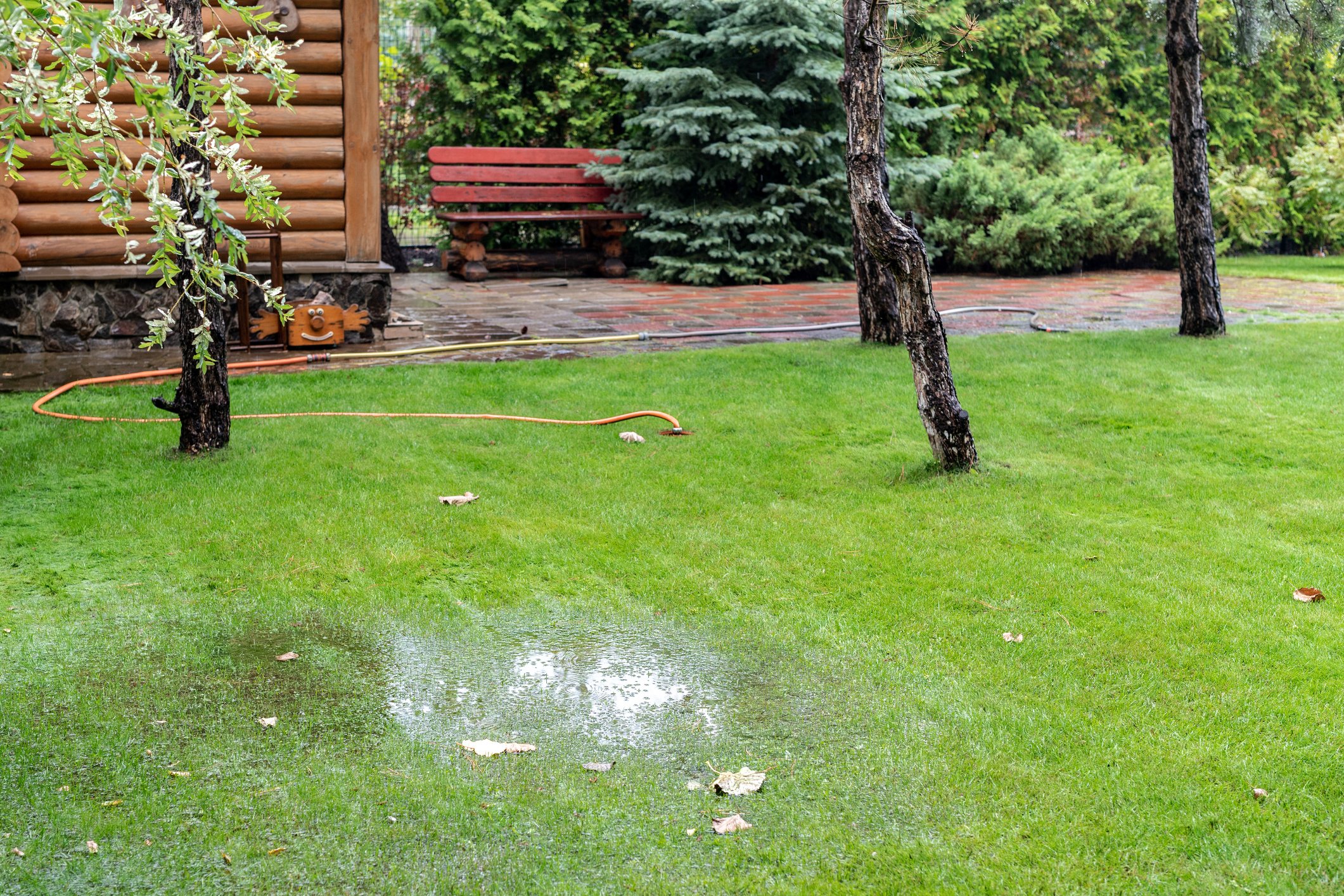
Your shoes aren’t the only thing that’s getting wet. If you notice puddles of water on your lawn, it could be due to a plumbing issue. A flooded yard is undoubtedly inconvenient, but it can also lead to larger issues, such as mold and mildew growth or pest infestations. However, there are some simple steps you can take to address these issues before they become out of hand. More information about common causes of damp yards and what to do about them can be found in this article.


Lawn Maintenance and Care 

Your lawn may be constantly wet for a variety of reasons. Improper grading could be one of the causes. Water will run off the property and onto your yard if the ground slopes towards your house rather than away from it, resulting in wet patches. You can correct this by hiring a landscaper or doing it yourself with a shovel and some level ground.

Inadequate drainage is another common problem. Water will pool and sit on the surface of your yard if you don’t have proper drainage, resulting in a soggy yard. Clogged gutters or downspouts, poor soil composition, or even a structure built too close to your house can all contribute to this. Check your gutters for debris and clean any that you find to improve drainage. You can also try adding more soil or gravel as a base under the grass in problem areas around your house (be careful not to disturb the septic system).

If you have a pond, pool, or other body of water on your property, make sure the water drains away from your house rather than flowing towards it. If you notice a lot of standing water on your property, think about installing drainage tiles or grading to remove the excess soil moisture.

However, no matter what you do, there will be times when the areas around your home simply cannot drain properly due to poor soil composition. In these cases, you’ll need to revisit your landscaping and drainage systems to see if anything can be done.


The Common Causes of a Wet Lawn 

There are many reasons why your lawn might be wet, but most of them can be grouped into a few main categories:

  • Improper drainage
  • Problems with the plumbing
  • Incorrect watering practices

Let’s take a closer look at each of these causes. 

Improper Drainage

If water isn’t draining properly from your yard, it can quickly lead to a soggy lawn. This may be due to a clogged gutter or downspout, poor grading of the property, or even tree roots growing into the sewer line. If you suspect that improper drainage is the culprit, there are some things you can do to correct it:

  • Clean out the gutters and downspouts regularly
  • Have a qualified plumber inspect the sewer line for any blockages
  • Grade the property so that water flows away from the house

Problems with the Plumbing

If you have a plumbing problem, it can often lead to a wet yard. A few common issues that can cause this are:

  • A leaking water heater
  • A leaky faucet or pipe
  • A broken sewer line

If you suspect that you have a plumbing problem, it’s best to call in a professional to inspect and fix the issue. 

Incorrect Watering Practices

One of the most common reasons for a wet lawn is being watered too often or for extended periods. When the lawn gets water, the roots cannot take in air and dry out properly. This can lead to poor plant health and even root rot in extreme cases.

If your yard seems unusually wet after you have just watered it, here are a few things you can do:

  • Water your yard in the early morning or evening, when temperatures are cooler
  • Don’t water on windy days so that evaporation doesn’t cause too much moisture loss. 

Keep these tips in mind if you have a soggy lawn. If it is due to improper drainage, you can do some simple things to correct the problem. If it is due to a plumbing issue, then have a professional look at it. And finally, if incorrect watering practices are the culprit, try adjusting your watering schedule for better results.


Troubleshooting and Preventative Tips  

If you’re experiencing a wet lawn, take some time to troubleshoot the problem. By identifying the cause, you can come up with a plan to fix it. Here are a few tips for troubleshooting and preventing a wet yard: 

  • Check your gutters and downspouts for debris and clean them out regularly
  • Have a qualified plumber inspect the sewer line for any blockages
  • Grade the property so that water flows away from the house 
  • Water your yard in the early morning or evening, when temperatures are cooler
  • Don’t water on windy days so that evaporation doesn’t cause too much moisture loss. 

When it rains hard or when the snow melts quickly, water accumulates on flat surfaces such as roofs and driveways. This is caused by a lack of slope, which prevents the water from running off quickly. In these cases, it’s best to install gutters and downspouts on your home, as well as drainage systems in your driveway or yard. These solutions are also helpful when heavy rains cause flooding in your yard or around your home. 

If you follow these tips, you can help prevent a wet lawn from happening in the first place. By troubleshooting the problem and taking corrective action, you can keep your yard looking green and healthy all year long.


Preventative Plumbing Tips to Help Keep Your Lawn Dry

 In addition to following the tips mentioned above, there are a few plumbing tips you can follow to help prevent a wet yard:  

  • Install a rain barrel to collect rainfall from your roof and use it to water your plants
  • Use a timer on your sprinkler system so that you don’t overwater your lawn 
  • Repair any leaks in the plumbing system as soon as they are detected 
  • Inspect your sewer line regularly for any cracks or blockages 

Area Plumbers

By following these preventative tips, you can help to keep your plumbing in good working order and minimize the chances of a wet yard. A wet lawn can be an indication of many different issues. By identifying the cause, you can take steps to correct it. If you experience a problem, take corrective action as soon as possible to avoid further damage. For more information on fixing a wet yard, visit Dial One Johnson Plumbing, Cooling, and Heating or give us a call at (972) 291-0740 today.