Experiencing an emergency? Call 972-914-0833

Ready to Experience the Dial One Johnson Difference?

Your go-to resource for HVAC and plumbing solutions, DIY guides, and home maintenance tips.

Got an emergency? Call 972-914-0833 or …

Explore by topic:
Posted in

Say you hire a plumbing company to install a new toilet. After finishing the job, they pack up and leave. However, you notice that they didn’t work with care, and now your walls and floors are waterlogged. No doubt this would be frustrating, but there are steps you can take to remediate the problem. Dial One Johnson Plumbing, Cooling & Heating will cover some basic steps on what to do when a plumber causes water damage.

Examples of Water Damage a Plumber Could Cause

The good news is that the vast majority of plumbing professionals do a good job and won’t cause damage. However, accidents can happen, and even a pro can mess up sometimes. Examples of contractor negligence that can cause water damage include:

  • Not connecting drainage pipes
  • Rushing a repair job
  • Improper pipe installation
  • Not properly connecting water-using appliances (e.g., dishwasher, washing machine, etc.)

Steps to Take If a Plumber Causes Water Damage

Below is a quick series of steps explaining what to do when a plumber causes water damage in your home.

Assess the Extent of the Damage

First, you need to assess how much water damage there is. Check for visible signs of an issue, like discoloration or damaged drywall. If possible, locate the source of the leak and turn the water source off to prevent even worse damage from occurring. 

Contact the Plumber

Next, you should call the plumbing company and notify them about the damage. In many cases, plumbers provide warranties on their work, so it’s important to give them a chance to fix their mistakes. Contact the company and explain the situation to them with all the details. 

Document Damage

Before you start cleaning up and trying to minimize the damage, take pictures and document everything. If you are going to make a claim with your insurance company, you need extensive documentation so the adjuster can make the right decision. Take multiple pictures of the damage from different perspectives and take videos of the affected area. The more thorough your documentation, the smoother the insurance claims process will be. 

Call Your Insurance Company

Once you have the right documentation, you can contact your insurance company. Homeowner’s insurance policies will usually cover unexpected water damage from appliances or plumbing as long as it’s not caused by the homeowner’s negligence. You can call your insurance company, explain the situation, and give them the contractor’s contact information.  

Clean Up

Once you have documented the damage and contacted your insurance company, you can take more active steps to clean up the mess. Remove larger items from the area that can be salvaged, such as furniture, and try to get rid of as much standing water as you can. You can also contact a water damage restoration company for water damage mitigation services if necessary. 

File a Complaint (If Necessary)

If the contractor won’t respond or won’t take accountability for any damages caused, you can make a complaint to your state’s licensing board. You can also talk to an attorney if you are unsure about what to do when a plumber causes water damage in your home.   

How Homeowners Can Protect Themselves

Water damage is frustrating, especially when it’s caused by someone who is supposed to be a professional. Below are some additional steps homeowners can take to minimize the chances of a contractor causing water leak damage:

  • Before hiring a contractor, check their online presence and look for reviews and testimonials from previous customers. 
  • Ask the contractor if they carry plumber liability insurance and workers’ compensation insurance. These coverages can protect you if the contractor causes damages or a worker injures themselves in your home. 
  • Check with the state licensing board to see if your contractor has the proper licenses and certifications. 
  • Double-check your homeowner’s insurance policy and what kind of water damage it covers. 
  • Get regular plumbing maintenance and regularly inspect your plumbing fixtures. The better shape your plumbing is in, the less likely it is that there will be unexpected damages when contractors are working. 

5-Star Plumbing & HVAC Services

Posted in

Plumbing leaks are something most people will encounter at some point. Even if a small leak doesn’t seem like a huge problem, you should take steps to address it now rather than later. A small plumbing leak can quickly turn into a torrent of water that can cause extensive property damage. Our professionals can break down the details below.

Contact Dial One Johnson Plumbing, Cooling & Heating to speak to the top plumber in Midlothian, TX!

Why You Shouldn’t Neglect Small Leaks

Even if a leak seems small and not that important, you should not neglect it. Below are some of the major consequences of leaving it to fester. 

Property Damage

The main danger is water damage to your property. Water is highly destructive and can damage important structural elements of your home. Water leaks in the walls or ceiling can cause drywall to bloat and sag, and leaks underneath your flooring and in your basement can infiltrate and cause extensive slab damage. Even small leaks can set you back a ton by hurting the value of your home. 

Health Issues

Plumbing leaks can also be a health hazard for you and your family. They can introduce pathogens in your plumbing, and excess moisture from leaks can cause mold and algae to grow on your walls, in your ceiling, and underneath your floorboards. Pipe damage can also let wastewater into your home. 

Water Waste

Even small plumbing leaks can waste a substantial amount of water. Something as small as a dripping faucet or a pinhole leak in your pipe can waste thousands of gallons of water per year. That means much higher water bills for your home. 

Signs of a Leak in Your Home

Leaks are often not immediately visible. You can tell if you have a small plumbing leak by keeping an eye out for the following signs:

  • Dark spots in your walls or ceilings
  • High indoor humidity
  • Mildew or mold growth
  • Bad, musty smells near flooring and walls
  • Peeling wallpaper or sagging drywall
  • Low water pressure
  • Spiking water bills

If you suspect you have a plumbing leak somewhere in your home you can test for one using your water meter. Go around your home and turn off all water-using appliances and shut off all faucets. Next, find your water meter, which is normally near the sidewalk curb in front of your home. If the meter is still running but all faucets are off, then you have a leak somewhere in your plumbing system. You can also estimate the size of the leak by taking note of how much the meter changes. 

How To Avoid Plumbing Leaks

As is the case with most things in plumbing, the best solution to the issue is to prevent leaks in the first place. Below are some simple steps you can take to minimize the chances of developing small plumbing leaks:

  • Consider installing a water softener. A water softener can lower the sediment content of your water, which can prevent corrosion and damage that causes leaks. 
  • Check your water pressure and reduce it if it’s too high. Most homes should have a plumbing pressure reading of 30 to 80 psi, depending on the specific system. 
  • Tighten the fastenings and joints on your piping. Spots to pay attention to include underneath sinks and near water-using appliances, such as your washing machine or dishwasher. 
  • Avoid putting inappropriate materials down your sink drains, such as food particles, hair, and other types of waste. Waste matter can build up on the interior of pipes, causing clogs that can create leaks. 
  • Insulate your pipes. Insulation will keep them warm during the winter and can stop pipes from freezing and bursting. 
  • If your home is still outfitted with old cast iron piping, consider replacing it with modern copper piping or heavy-duty PVC and PEX piping. These materials are less prone to corrosion. 
  • Consider calling for a professional plumbing inspection. A professional has the right tools and knows early detection methods to identify problem areas before they cause major leaks in your home. 

Your Go-To Choice for Plumbing in Midlothian, TX

Whether you have a small plumbing leak or need extensive plumbing work, Dial One Johnson Plumbing, Cooling & Heating is here to assist. Send a message online or call today to schedule an appointment in Midlothian, TX!

Want to learn more? Read our blog to learn more about the various causes of plumbing leaks and what to do about them.

Posted in

Once your water heater hits about 10 years old, its performance can start to suffer, and it’ll likely experience more problems than normal. When an old water heater starts to suffer, the choice comes down to repair or replacement. Of course, it can be hard to know which option is the best choice. With that in mind, the team at Dial One Johnson Plumbing is here with this guide on what to do with an old water heater. 

Contact us today to speak to a qualified plumber in Midlothian, TX.

Water Heater Repair or Replacement?

All other things being equal, you should consider replacement over repairs if the cost of repairs is at least 50% of the cost of replacement. For example, if repairing your water heater will cost $3,000, but installing a new heater would cost $6,000, you should opt for replacement instead of repairs. 

The reason why is because after a certain point, repairs have diminishing returns. A water heater that requires expensive repairs is more likely to break down in the future, necessitating more and more service. The outcome is you end up spending more on fixing an old water heater than it would cost to just buy and install a new one. 

Common Water Heater Problems and Solutions in Midlothian, TX

Some problems are easy to fix. If you’re experiencing the issues below, there’s a good chance you’ll be able to repair your water heater rather than replace it.

No Hot Water

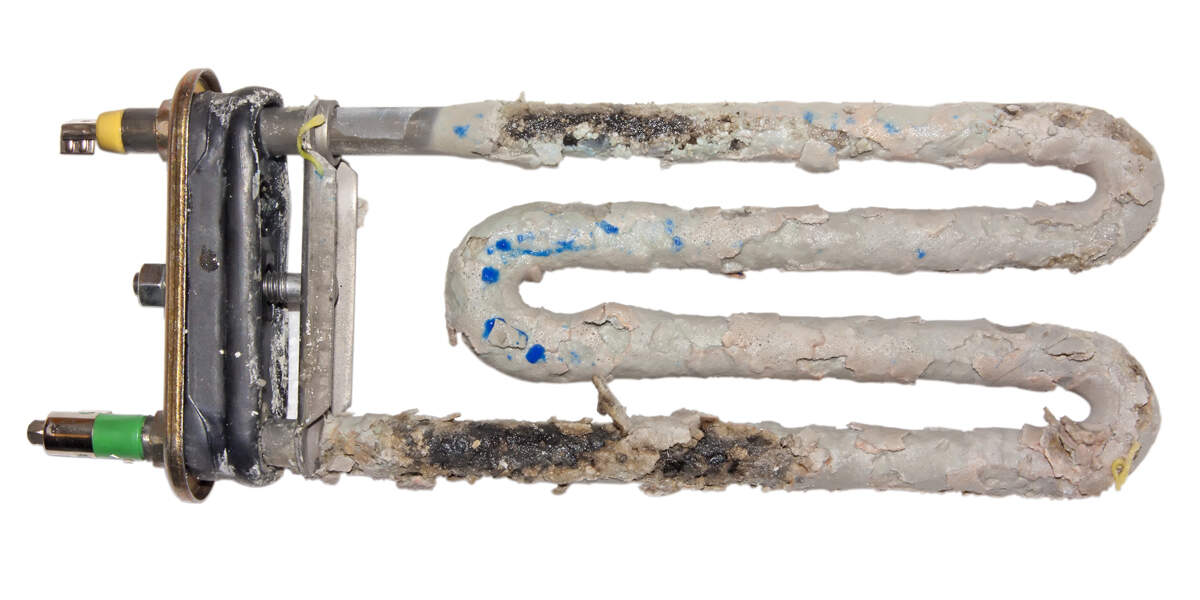
If your water heater doesn’t have any hot water, the most likely problem is either a bad heating element or a broken gas burner valve. A bad heating element can also cause sporadic and uneven heating so that water is too hot sometimes and not hot enough other times. Most of the time, you can repair the heating element or gas burner without having to replace the rest of the unit. 

Tipping Circuit Breaker

If your water heater trips the circuit breaker every time it turns on, then there’s a problem with the electrical wiring. Bad wiring can pull too much electricity, which can cause the breaker to trip whenever the water heater kicks on. Normally, replacing the faulty wiring will stop the breaker from tripping every time you turn on the hot water. 

Higher Energy Bills

The older your water heater gets, the more energy it will use. At a specific tipping point, you may notice your energy bills start to spike, especially during periods of high water usage. Water heater tune-ups might feasibly get your water bills under control for the moment, but they will continue to rise as your old water heater ages and becomes less energy efficient in general. Your bills can also start to spike if you have an oversized or undersized water heater.  

Factors that Should Affect Your Decision to Repair or Replace

At the end of the day, you need to make the decision that works for you. Consider these factors when thinking about whether to repair or replace your water heater. 

Type of Water Heater

Generally speaking, tank water heaters wear out faster than tankless water heaters. If you have a tank heater and it’s getting up there in age, you can consider switching to a tankless heater for more efficiency.

Water Heater Age

The typical tank water heater lasts about 10 to 15 years before it starts to slow down and show problems. The reason is that there is a risk of corrosion in the tank. A tankless water heater, on the other hand, can last up to about 20 years if you take good care of it. Generally, when your water heater hits about 10 to 15 years old, you need to start monitoring it for problems to determine if you need a replacement, especially if your water heater warranty has expired. 

Frequent Repairs

You will most likely have to make some repairs over your water heater’s lifespan, but frequent breakdowns and repairs are a surefire sign you should get a replacement. The more you try to fix a failing water heater, the more money you will spend than if you just bought a new water heater unit. 

5-Star Plumbing Service in Midlothian, TX

It is important to understand the signs to call for water heater repair so you can stay on top of things. If you need to replace or repair your old water heater, send Dial One Johnson Plumbing, Cooling & Heating a message online or call today to book an appointment.

Posted in

If you’ve noticed your toilet wobbling when you sit down or discovered water pooling around its base, you may be dealing with more than just an annoyance. 

Can a loose toilet cause a leak in your bathroom? Indeed, a loose toilet can cause a leak, leading to water damage, increased water bills, and increased risk of significant health hazards. 

Dial One Johnson Plumbing, Cooling & Heating, the best plumber in Dallas, provides information below about the problems that loose toilets cause and how to repair them properly. 

Understanding the Causes of a Loose Toilet

Several factors can cause a toilet to become loose. Over time, even the most secure toilet installations can become unstable due to the ordinary wear and tear of daily use. 

Loose Bolts

Loose closet bolts are the leading cause of toilet instability. These bolts hold the toilet to the floor and eventually loosen over time with consistent use. As the toilet rocks and shifts, it can break the seal held by the wax ring, leading to leakage with every flush of the toilet.

It seems like a simple fix just to tighten the bolts — however, by the time they become loose, they are often too damaged for a do-it-yourself repair.

Broken or Worn-Out Wax Ring

The wax ring under the toilet base forms a watertight seal between the toilet and the drain pipe. It also prevents sewer gas from escaping the drain and sewer system into your living space. 

Loose toilets can break the wax ring’s seal. They also deteriorate over time. Replacing a broken wax ring involves removing the toilet entirely from its mount on the floor. 

Flooring Issues

Uneven floors caused by foundation shifting and settling can result in loose toilets. If a bathroom remodeling project installs new flooring without properly resetting the toilet, it can easily become loose. 

Signs of a Leak Caused by a Loose Toilet

Can a loose toilet cause a leak? Now that we know it can, here are some signs to look out for. The humid climate in Dallas and North Texas already places homes at higher risk of mold infestation, and the consequences of an unrepaired toilet leak can be severe. 

Water Pooling Around the Toilet Base

Water pooling around the base of a toilet and running across the bathroom floor is an obvious sign of a leaking toilet. These leaks are usually caused by a failed wax ring, often damaged by a loose toilet. These leaks will continue to get worse with each flush.

Unpleasant Odors

Foul smells from the area around a toilet usually indicate leaking sewer gases. Like water, the gases typically seep out through a broken wax ring. Of course, this also indicates a health hazard that a professional should address immediately.

Floor Damage

Water leaking below the top floor surface from a loose toilet can damage the bathroom floor. Look for soft spots, discoloration, and mold growth as warning signs of water intrusion that a professional should handle quickly.

Diagnosing and Fixing the Problem in Dallas, TX

We have seen cases where homeowners attempted to tighten loose bolts or replace a faulty wax ring but have only made their leaking toilet problems worse. 

Can a loose toilet cause a leak? Expert diagnosis of the cause of the leaks is the first step to a successful repair, and it is almost always better to leave that job to a plumbing expert. 

Professional repairs are the best assurance of proper identification of plumbing problems, followed by expert repairs.  

Once a professional has fixed your loose toilet and any associated leaks, it’s important to take steps to prevent future issues. A professional plumber can regularly inspect your home’s entire plumbing system to catch small problems before they become major concerns.  

Call Dial One Johnson Plumbing, Cooling & Heating for Professional Service Throughout the Dallas Region

Serving the Dallas, TX, community since 1965, Dial One Johnson Plumbing, Cooling & Heating is a cornerstone of reliable and expert plumbing services. The family-owned business works daily to uphold its commitment to excellence, trust, and integrity. 

Our expert technicians handle the full range of home comfort services, from plumbing to air conditioning, ventilation, and heating systems.

Follow up this discussion of “Can a loose toilet cause a leak?” by looking around our blog for coverage of other topics, like why hiring a local plumber in Dallas, TX, is the right choice. 

Call the local team with Dial One Johnson Plumbing, Cooling & Heating at 972-291-0740 to schedule expert service in the Dallas area. Let us assist you.

Posted in

Homeowners typically make preparations for the hot Texas weather as summer rolls around again each year. Dial One Johnson Plumbing, Cooling & Heating doesn’t want you to overlook the things that are necessary to also keep your plumbing system in top shape into the dog days and beyond. 

Read on for some important summer plumbing tips that can help every area homeowner as hot weather leads to increased water usage. 

1. Inspect and Maintain Your Sprinkler System

During the hot Texas summers, your sprinkler system works overtime to keep your lawn, plants, and garden green and healthy. However, leaks or malfunctions can lead to wasted water and landscaping damage.

Check the irrigation controller to make sure the system is not running longer than intended. Think about upgrading to a smart irrigation controller, which you can manage remotely from your mobile device. These modern controllers have advanced features like rain-skip to avoid watering during a downpour. 

Check for signs of underground leaks, such as unusually wet patches in your yard or flooded sprinkler valves. 

2. Prepare Your Septic System for Increased Use

If your home uses a septic system rather than a municipal sewer system, be aware of the different demands it faces in the summer months. Additional water usage means extra stress on your septic system, so think about preventive maintenance.

Regularly inspect your system for any indications of problems, like slow drains or unpleasant odors. Proper septic system maintenance protects your plumbing system and extends its useful lifespan. 

3. Address Water Pressure Concerns

Increased water use during hot weather can cause water pressure problems. Low water pressure impacts the performance of appliances and fixtures, while high water pressure can severely damage plumbing, causing leaks or burst pipes. 

Simple water pressure gauges are available at many retail hardware stores. The normal range of household water pressure should run between 40 and 45 PSI. Pressures over 60 PSI require immediate professional attention. 

Also, if you experience fluctuating water pressure during the summer months, you should have your system inspected by an experienced professional plumber

4. Prevent Clogs in Your Drains

One of the most essential summer plumbing tips also focuses on increased water use during hot weather. Practice good kitchen management by being mindful of what goes into your sink disposal, dishwasher, and other drains. 

Never pour grease, oil, or coffee grounds down any drain any time of year. These materials do not dissolve in water — instead, they solidify and block pipes and drains. Don’t put fibrous foods like celery or potato peels in your disposal. 

If you notice poor draining or gurgling sounds coming from your drains and pipes before or during summer, you should consider professional drain cleaning to safely and effectively restore full function before water usage increases. 

5. Protect Your Pipes From Condensation

As you know, TX, has a summer with plenty of humidity. The water vapor that saturates our air causes condensation to form on cold water pipes. This leads to mold growth, water damage, and wood rot in surrounding structures. Proper pipe insulation is just as important in hot weather as in freezing weather to avoid the damage that condensation can do. 

If you already have signs of excess moisture from pipe condensation or if you are unsure about how to properly insulate your pipes, consult with a professional plumber to help ensure your plumbing is not bringing moisture where it doesn’t belong and for other summer plumbing tips.  

6. Plan for Summer Storms

Texas is no stranger to sudden summer storms that can bring heavy rain and flooding. Make sure your gutters and downspouts are clean and functioning correctly so water doesn’t accumulate. 

Poor stormwater drainage causes foundation, wall, and subsurface damage. 

If the area underneath your home holds excess runoff and stormwater, consider installing a sump pump system. If you already have one, practice preventive maintenance and have it professionally inspected and serviced regularly.

Choose Dial One Johnson Plumbing, Cooling & Heating for Your Year-Round Service Needs

In business since 1965, Dial One Johnson Plumbing, Cooling & Heating serves the Dallas area community with integrity and excellence. Our experienced team provides top-notch service whether you need routine maintenance, emergency repairs, or advice on keeping your plumbing system in top condition during the summer months.

Call the friendly experts at Dial One Johnson Plumbing, Cooling & Heating at (972) 291-0740.

Posted in

Do you have significant levels of calcium in your water? Do you want to know how to remove calcium from a water heater?

As the best plumber in Dallas, Dial One Johnson Plumbing provides tips for calcium deposit removal below. You should also know the challenges calcium presents to your water heater so you can take the issue seriously.

What Causes Calcium Buildup in Dallas?

Most homes have calcium in their water unless they have a hard water treatment system like a water softener. When you heat the water, it releases the mineral and forms limescale. This forms a hard layer of sediment in your water heater, hindering its function.

The Problems With Calcium in Your Dallas Water Heater

What difficulty does calcium pose for water heating?

Higher Energy Bills

If you need limescale removal, you’ll see your energy bills rise. As sediment builds up in your water heater, the device requires more fuel to obtain the same results. Whether you have an electric or gas fuel source, you’ll see your energy costs increase.

Excessive Noise

When you need water heater cleaning, you’ll hear popping or crackling sounds. You may think these sounds simply create an annoyance, but the truth is that they indicate you need the services of a qualified plumber.

Less Hot Water

Do you notice your hot water running out more quickly than usual? Lack of hot water remains one of the most common and obvious signs you have calcium buildup in your water heater.

Water Heater Damage

If sediment buildup in your water heater continues for too long, it can erode the device. This can cause a leak or, even worse, require you to spend significant money on replacing it early.

Tips for Dallas Residents About Removing Water Heater Calcium Buildup

If you want to remove calcium from a water heater, you should hire a professional. Descaling a water heater can seem like an easy task, but to ensure you don’t cause more damage, you should consider hiring a professional as a smart investment.

Install a Water Softener

Without a water softener, you’ll descale your water heater once or twice a year. The best way to deal with calcium buildup is to prevent it in the first place.

A water softener can’t completely eliminate sediment buildup, but you’ll end up cleaning and draining your heater with only a fraction of the frequency. A water softener also helps protect your other appliances, shower, and sinks. Finally, soft water is great for your skin and helps reduce itchiness, dryness, and other skin conditions.

Reduce Temperature

One excellent way of slowing calcium buildup is to set your water heater to 120 degrees. The hotter the temperature, the faster the buildup.

Regular Maintenance

Regular maintenance often includes the plumber draining your water heater. It can also detect other problems before they become serious. Schedule maintenance at least once a year.

Drain and Descale

If you experience calcium buildup, the best method for dealing with it is cleaning and draining the water heater. A plumber uses the following steps for this process:

  1. Turn off the power supply to keep it safe. Many homeowners feel safest shutting off the power supply at the circuit breaker.
  2. The plumber will connect a hose to the drain valve at the bottom of the water heater and put the other end in a bucket or other drainage source. They’ll drain the water heater tank completely.
  3. Open the access panels, locate the areas where calcium has built up, and scrub them gently with a brush. The plumber may use vinegar and water to eliminate the more stubborn deposits.
  4. The plumber will fill the tank with a two-to-one ratio of vinegar and water. Completely submerging the calcium deposits loosens them even more.
  5. Depending on the severity of the problem, the plumber will let the vinegar sit for a few hours or even overnight. Then, the plumber drains the tank again.
  6. The plumber reassembles and fills the tank before confirming it works better than before.

Count on Dial One Johnson Plumbing To Service Your Dallas Water Heater

Now that you know how to remove calcium from a water heater, you can realize the importance of regular water heater maintenance and schedule a cleaning and draining once you notice the signs of a buildup. From fixing water heater leakage to installing a new device, the team at Dial One Johnson Plumbing always does superior work.

Call Dial One Johnson Plumbing today at 972-291-0740 to discuss your options and schedule service.

Posted in

When water enters your home, it naturally seeks the lowest point, usually the basement. Enter sump pumps. By diverting water away from your home’s foundation, these innovative pumps keep water damage and costly repairs in check.

However, like any mechanical system, your sump pump can fail. Recognizing sump pump issues beforehand allows you to act before things go south. As the best plumber in Dallas, TX, we discuss how to tell if a sump pump is failing.  

Keep reading to learn how to identify the most common warning signs of sump pump failure.  

1. Failure to Turn on  

Several issues might be to blame if your sump pump doesn’t turn on. First, check if the float switch got stuck in the sump basin. Some sump pumps use brackets to hold the float switch, which can break, causing a switch to malfunction.   

If these troubleshooting tips don’t work, consider replacing the pump. 

2. Strange Noises  

Sump pumps typically operate quietly. So, don’t ignore any noise louder than a quiet hum, as it might point to worn parts or a motor issue.   

We can investigate the issue and find a lasting solution. Sometimes, a quick fix may suffice, but some situations require a replacement.  

3. Infrequent or Irregular Use  

When your sump pump barely runs, you can expect it to have a shorter lifespan. That said, remember to test it periodically during dry spells to ensure it works optimally.   

If the pump cycles frequently during heavy rain, first check the float switch for an easy fix, then inspect for possible wiring issues in the pump or your home.  

4. Motor Failure  

If your sump pump stops working, first check its power supply and ensure it’s plugged in. Also, inspect the fuses or breakers for any problems before proceeding.  

Are you still wondering how to tell if a sump pump is failing? If water can’t flow out through the discharge line, your system will fail. During cold weather, the extension hose might freeze, causing blockages. This can strain the pump, potentially leading to motor burnout.   

5. Loud or Continuous Vibrations   

Excessive sump pump vibration may indicate a damaged impeller. The impeller helps move water out of the sump basin to prevent flooding. In doing so, the impeller draws water and sometimes debris into the pump. If the impeller bends, you’ll often need to replace rather than fix it.  

6. Pump Runs Continuously  

If your sump pump runs constantly, it indicates insufficient pumping power. This might be due to the volume of water or the distance it needs to pump. A faulty switch can also cause the pump to run continuously, a problem any seasoned HVAC technician can solve with a simple repair.   

If your sump pump can’t handle the job because it’s too small, you’ll have to replace it. Either way, call an expert to check if you could benefit from sump pump maintenance or a replacement upgrade.  

7. Visible Rust  

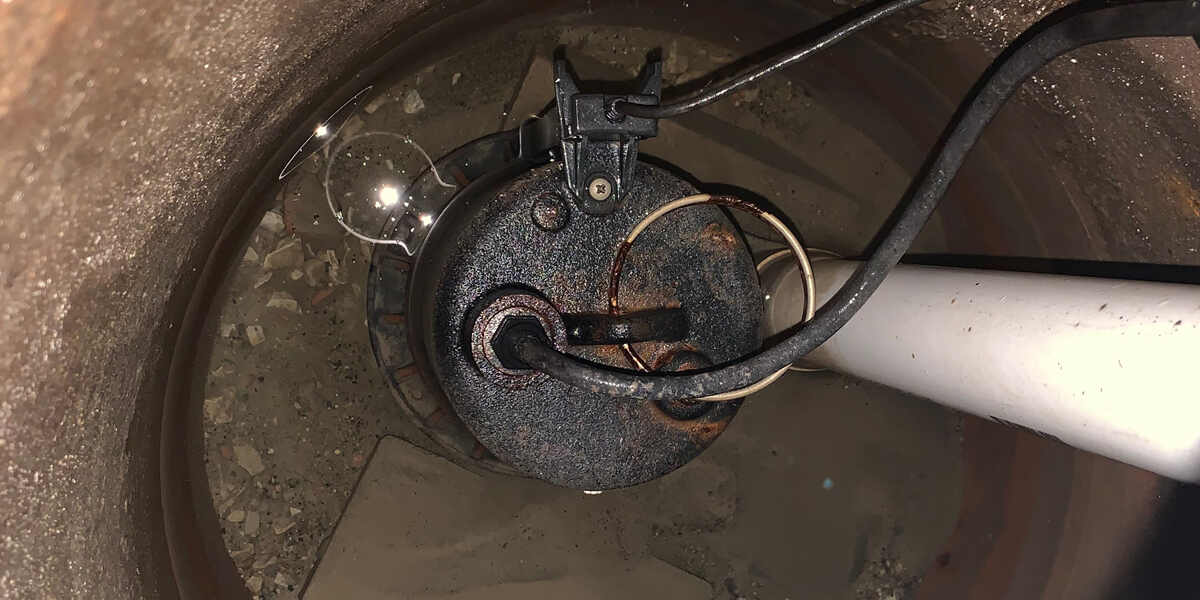
If you see rust or discolored water near your sump pump, prime suspects include corroded battery terminals or bacteria. Iron bacteria feed on the iron in water, causing discoloration and potentially clogging plumbing, including your sump pump.  

While rust may not pose a health risk, it can disrupt water drainage.  

8. Old age  

Your sump pump, regardless of quality, has an expected useful life beyond which you must replace it. If your pump has served you for over seven years, it’s time to let it go.  

9. Irregular Cycling  

If your sump pump cycles on and off frequently, even in heavy rains, hire an expert to check it out. It may be a simple issue, like an incorrectly adjusted float switch that activates the pump unnecessarily. Wiring issues could be to blame, causing erratic pump behavior due to electrical shorts.  

Dallas’ Trusted Source for Sump Pump Services 

Knowing how to tell if a sump pump is failing means you can act fast to protect your home from flooding and water damage. Recognizing sump pump issues and paying attention to the indications of a failing sump pump helps. Upon detecting sump pump malfunctions, acting fast can save you from extensive damage and costly repairs.

That’s where Dial One Johnson Plumbing, Cooling & Heating comes in. Whether you need to learn additional symptoms of sump pump problems or tips on how to clean a sump pump, look no further.  

Trust Dial One Johnson Plumbing, Cooling, & Heating to ensure your home stays dry and protected. Call us at 972-291-0740 to schedule your next sump pump service in Dallas, TX.  

Posted in

Can a Water Heater Explode If Turned Off in Dallas Homes?

Your water heater is one of the most important plumbing appliances in your Dallas home. When it breaks down, you lose a significant chunk of the modern comforts you enjoy as a homeowner.

However, even when it is working, many homeowners are often worried about the state of their water heater and how their usage habits can affect it.  As the best plumber in Dallas, TX, we get many questions regarding the usage of hot water heater systems.

For example, can a water heater explode if turned off? We’ll dedicate this post to answering this question. 

The Risk of Explosion in Water Heaters

Water heaters can explode. However, the risk is almost non-existent if the unit is in great shape. Many homeowners in Dallas, TX, will go through a lifetime without experiencing a water heater explosion.

Can a water heater explode if turned off? It’s highly unlikely. Your water heater will not have a “switch off” mechanism if it could cause the unit to explode. So, if you’re thinking about turning off your water heater before you travel, for example, you should feel free to do so without any worries.

Can a water heater showing signs of trouble still explode after you’ve turned it off?  Unfortunately, it’s likely. Of course, the chances are much lower than when the water heater is still running, but the risk is still there.

Turning off the water heater is not a substitute for getting quality repairs for your water heater-related plumbing issues. 

What Are the Causes of an Exploding Water Heater?

Some of the most common reasons for water heater explosions include the following:  

Pressure Buildup

This plumbing problem is the most common reason for water heater explosions. Water expands as it heats up; therefore, manufacturers put mechanisms in place to relieve that pressure. When something throws the pressure regulation system off-balance, an explosion is highly likely. 

Temperature and Pressure Relief Valve Problems

The pressure relief valve is the central element of components designed to prevent pressure buildup. The professional term for it is the T&P valve. This valve monitors changes within the water heater.

As the temperature or internal pressure climes to dangerous levels, the T&P valve will open to allow cool water to enter the tank and prevent an explosion.

If the valve doesn’t open, pressure will build up to unsustainable levels in the tank. If the valve always stays open, the water heater won’t maintain a consistent temperature. 

Sediment Build Up

Rust and excessive minerals in water can accumulate at the bottom of the water heater tank over time. The buildup acts as extra insulation, causing the heating element to overheat. Overheating can cause increased pressure inside the tank, which might result in an explosion.  

Gas Leaks

Can a water heater explode if turned off? Yes, if it’s a gas-powered unit with a leak in the gas line. If the leak continues, It won’t matter if you’ve turned off the water heater. Once the gas is ignited, the water heater will likely explode first. 

What Are the Signs of a Water Heater Likely to Explode?

You should call a plumber right away if you notice any of the following signs:

  • Popping or cracking sounds. Cracking and popping sounds point to high pressure within your water heater tank. You may also notice a water leak.
  • Scalding hot water. Your water heater is designed to only deliver usable hot water. A faulty thermostat can alter the water temperature, making it too hot. The high temperature also increases the buildup of pressure within the system.
  • Water discoloration. Brown or rusty water is not just unsafe to drink. It also shows that your water heater is at risk of explosion due to excessive heat buildup in the tank.
  • Smell of rotten eggs. If you have a gas-powered water heater, you should watch out for that rotten egg smell that indicates a gas leak. 

Prevent Water Heater Explosion in Your Dallas, TX, Home Today

Can a water heater explode if turned off? It’s highly unlikely. However, the risk is always there, especially if the unit already shows signs of pressure or temperature-related problems. You’re better off hiring an experienced plumber to evaluate and fix the unit. Are you looking for water heater experts you can trust for exceptional service in Dallas, TX? Want to learn more about the common causes of water heater leaks? Call Dial One Johnson Plumbing, Cooling, & Heating today at 972-291-0740to schedule a consultation. We guarantee exceptional customer service when you need water heater or drain cleaning services. 
Posted in

Why Hire a Local Plumber in Dallas, TX? 6 Reasons

Living in Dallas has its charms. However, as a working professional living in the city, you’ll likely always have a lot on your plate. Between navigating the often treacherous traffic conditions and checking off items on your to-do list, you’ll have very little energy left to cope with inconveniences when you come home.

When plumbing issues strike, you’ll want to delegate them to a company you can trust for fast, reliable solutions. In that situation, you’re always better off hiring a local plumber. Why hire a local plumber?

Dial One Johnson Plumbing, Cooling, & Heating, Dallas’ best plumber, covers six reasons in the post. 

1. Swift Response Time

Imagine coming home after a hard day’s work and spending hours meandering through the High Five Interchange, only to find a broken water pipe, a malfunctioning water heater, or any other plumbing problem.

In that situation, you can’t afford to wait a day or two for a large multi-state plumbing company to complete the stages of onboarding a customer and send someone out to your home.

When you hire a local plumber in your neighborhood, you can relax, knowing they will arrive almost immediately. Every minute counts when you have a burst pipe or overflowing toilet. A local plumber reduces the time you have to cope with the inconvenience. 

2. Familiarity with the Plumbing Codes and Regulations in Dallas, TX

If you’re about to do some major plumbing work, it’s crucial that you choose a plumber who understands the local building and plumbing codes and regulations.

An experienced local plumber will know what permits to obtain for a project and how to ensure that the project will pass inspections from code enforcement crews.

So, why hire a local plumber in Dallas, TX? To avoid hefty fines, penalties, and plumbing work that failed to comply with local standards. 

3. Personalized Service

One of the biggest strengths of local plumbing companies is that they treat all customers like the neighbors they are. When you hire a local plumber, it’s often someone you’re likely going to run into at the Dallas Zoo or the Dallas World Aquarium while hanging out with their family.

Therefore, they often pull all the stops to ensure they offer personalized service that will satisfy you thoroughly. Whether you have a water leak or need urgent drain cleaning, you can expect nothing but the best customer service. 

4. Deep Knowledge of Local Conditions

Plumbers working specifically in the Dallas area understand the unique plumbing issues most residents are likely to have. Thus, they are more prepared to offer the ideal solutions and recommendations to tackle these problems.

For example, an experienced Dallas plumber knows that humidity is a major concern in the area. Therefore, they always know not to recommend pipe materials that are more prone to corrosion when it’s time for repiping. They will also know recommendations that will help keep a basement dry even in the face of the multiple storms that hit the area. 

5. Better Accountability

When you hire a local plumber in Dallas, TX, you’re getting a professional who understands the importance of maintaining a stellar reputation. Their reputation is crucial when it comes to building a customer base. 

6. Easy Follow-Up Services

Qualified local plumbers in Dallas, TX, know how to get a job done right the first time. However, some projects require follow-up visits. Hiring a local plumber for your project ensures you won’t have to wait too long between appointments.

For example, during a repiping project, the plumber will need to break into walls and slabs to change old or damaged pipework. After the replacement is done, they’ll have to wait for inspectors to evaluate the work done and sign off on it before they can patch up the walls and floors and round off the project.

Working with a local plumber in Dallas, TX, means that projects rarely take more than a couple of days. Using an out-of-town plumbing company means the project might take up to a week or more to complete. 

Get Quality Plumbing Services in Dallas, Texas, Today

Why hire a local plumber? You stand to enjoy fast, efficient, and personalized services. Are you looking for a local plumbing company you can trust in Dallas, TX? Want to know how much is a normal water bill for a house in Texas? Call Dial One Johnson Plumbing, Cooling, & Heating in Dallas, TX, today at 972-291-0740 to schedule a consultation. 
Posted in

Annual Water Heater Maintenance Checklist: Essential Steps

Your water heater is an indispensable appliance in your home, providing hot water for bathing, cooking, and cleaning. However, to keep it running efficiently and prevent costly repairs, regular maintenance checks are essential. By following this annual water heater maintenance checklist, you can ensure your water heater stays in optimal condition year-round.

Do you need Annual Maintenance?

Many homeowners underestimate the importance of annual water heater maintenance. Over time, sediment can accumulate at the bottom of the tank, reducing its efficiency and lifespan. Additionally, mineral buildup can cause corrosion and leaks, leading to potential water damage and costly repairs. By performing annual maintenance, you can identify and address these issues before they escalate, saving you time, money, and hassle in the long run.

DIY Maintenance vs. Hiring a Plumber

While some homeowners may feel confident performing DIY maintenance on their water heaters, others may prefer to seek professional assistance. If you’re unsure about any aspect of the maintenance process or encounter any issues, it’s always best to consult a qualified plumber or HVAC technician. They have the expertise and tools necessary to ensure your water heater receives the care it needs.

Is There a Difference Between Gas and Electric Water Heaters?

Before we dive into the maintenance checklist, it’s essential to understand that the maintenance requirements may vary between gas and electric water heaters. While the fundamental principles remain the same, there are specific considerations for each type.

Gas Water Heater Maintenance Checklist:

  1. Check the Pilot Light: Start by inspecting the pilot light. Ensure that it’s burning consistently and that the flame is blue and steady. If the pilot light is flickering or has turned yellow, it may indicate a problem with the gas supply or combustion.

  2. Inspect the Burner: Remove the access panel and visually inspect the burner. Look for any signs of rust, corrosion, or debris accumulation. Use a brush or compressed air to clean the burner and ensure proper combustion.

  3. Test the Gas Valve: Verify that the gas valve is functioning correctly by turning it off and on. Listen for any unusual noises or hissing sounds, which may indicate a faulty valve. If you detect any issues, it’s best to contact a professional for repairs.

  4. Flush the Tank: Sediment buildup is common in gas water heaters, especially in areas with hard water. To flush the tank, turn off the gas supply and cold water inlet valves. Attach a garden hose to the drain valve and direct the water into a bucket or drain. Open the drain valve and allow the tank to drain completely. Repeat this process until the water runs clear.

Electric Water Heater Maintenance Checklist:

  1. Inspect the Heating Elements: Begin by examining the heating elements located inside the tank. Look for any signs of corrosion, scale buildup, or damage. If you notice any issues, such as discolored or pitted elements, they may need to be replaced.

  2. Test the Thermostat: Check the thermostat settings to ensure they’re set to the recommended temperature (typically around 120 degrees Fahrenheit). Use a thermometer to verify the accuracy of the thermostat readings. If necessary, adjust the temperature settings to improve energy efficiency and prevent scalding.

  3. Check for Leaks: Inspect the connections, fittings, and pressure relief valve for any signs of leaks. A leaking water heater can indicate a variety of issues, including corroded pipes, loose fittings, or a faulty pressure relief valve. If you detect any leaks, it’s crucial to address them promptly to prevent water damage and mold growth.

  4. Flush the Tank:Similar to gas water heaters, electric water heaters also require regular flushing to remove sediment buildup. Turn off the power supply to the water heater and attach a garden hose to the drain valve. Open the valve and allow the tank to drain completely. Once the tank is empty, close the drain valve and refill the tank with cold water. Turn the power back on and allow the water heater to heat the fresh water.

Are You Having Trouble Following These Steps?

While performing routine maintenance on your water heater is essential, we understand that not everyone may feel comfortable doing so themselves. If you encounter any difficulties or are unsure about any of the steps outlined in this checklist, don’t hesitate to seek assistance from our team at Dial One Plumbing. Our qualified plumbers have the expertise and tools necessary to ensure that your water heater receives the care it needs.

Taking proactive steps to maintain your water heater can save you time, money, and hassle in the long run. By following this annual water heater maintenance checklist and reaching out to Dial One Plumbing when needed, you can ensure that your water heater continues to provide reliable hot water for years to come.

Contact Dial One Plumbing today to schedule your water heater maintenance service and keep your home running smoothly!