Experiencing an emergency? Call 972-914-0833

Ready to Experience the Dial One Johnson Difference?

Your go-to resource for HVAC and plumbing solutions, DIY guides, and home maintenance tips.

Got an emergency? Call 972-914-0833 or …

Explore by topic:
Posted in

What to Do (And NOT Do) When Your Pipes Freeze

Critical Safety Information for North Texas Homeowners 

Last Updated: January 2026
Reading Time: 8 minutes

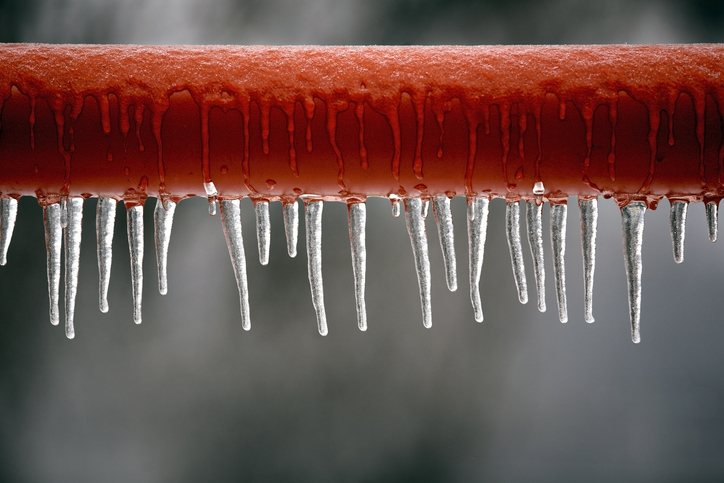
With temperatures dropping below freezing this weekend, North Texas is bracing for a wave of frozen and burst pipes. If you’re reading this in a panic because your pipes have frozen, or you’re trying to prevent disaster, this guide will walk you through exactly what to do, what NOT to do, and how to protect your home.

** CRITICAL WARNING:** Do NOT use open flames, torches, or unattended space heaters on frozen pipes. These methods cause house fires, burst pipes, and toxic gas exposure. Read the safety section below before attempting any thawing.

Table of Contents

  1. Signs Your Pipes Are Frozen
  2. What NOT to Do (Read This First!)
  3. Safe Step-by-Step: What to Do When Pipes Freeze
  4. If Your Pipe Bursts: Emergency Response
  5. Prevention for Next Time
  6. When to Call a Professional

Signs Your Pipes Are Frozen

In most situations, it’s easy to tell if your pipes are frozen. Look for these warning signs:

No water flow when you turn on faucets
Reduced water pressure (trickle instead of normal flow)
Frost visible on exposed pipes (in garage, crawlspace, attic)
Strange sounds from pipes (gurgling, clanking)
Bad odors coming from drains (blockage preventing proper venting)
Bulging or cracked pipe sections (visible ice expansion)

Temperature threshold: Water typically begins freezing at 32°F, but pipes in motion may not freeze until several degrees below freezing. However, exposed pipes in unheated areas like attics, garages, and crawlspaces are at highest risk.

Most vulnerable pipes:

  • Outdoor faucets and hose bibs
  • Pipes in exterior walls
  • Pipes in unheated garages, attics, and crawlspaces
  • Swimming pool and sprinkler lines
  • Water supply lines in cabinets on exterior walls

If you notice ANY of these signs, act immediately. Every minute counts. The longer pipes remain frozen, the higher the risk of bursting.

What NOT to Do: Critical Safety Information

Before you try anything, understand these deadly risks. Homeowners are often tempted to “heat the pipe quickly,” but this creates extreme danger.

NEVER Use These Methods:

Open Flames (Torches, Lighters, Candles)

Fire Risk: Open flames easily ignite:

  • Wood framing around pipes
  • Insulation materials
  • Dust and debris buildup
  • Materials you can’t see in walls

Many frozen pipes are in tight, hidden spaces, walls, crawlspaces, cabinets, where fires start unnoticed and spread rapidly.

House fires from thawing pipes are more common than people realize, especially during freeze emergencies when many homeowners attempt DIY repairs simultaneously.

Space Heaters (Unattended or Pointed Directly at Pipes)

Electrical Hazards:

  • Can overheat wiring
  • Trip circuit breakers
  • Cause electrical fires in enclosed spaces
  • Malfunction when surrounded by flammable materials

Carbon Monoxide Risk:

  • Fuel-burning heaters produce carbon monoxide in enclosed spaces
  • Carbon monoxide is odorless, colorless, and deadly
  • Symptoms include dizziness, headache, nausea, by the time you notice, it may be too late

Heating Pipes Too Fast (Any Method)

Why rapid heating causes pipes to burst:

  1. Ice expands inside the pipe and blocks water flow
  2. When you heat one section, pressure builds up behind the ice plug
  3. Rapid heating causes sudden pressure spikes
  4. The pipe ruptures, often explosively
  5. The damage occurs AFTER thawing, not while frozen

You might “successfully” thaw the pipe, only to have it burst minutes or hours later, flooding your home when you’re not watching.

Plastic Pipe Dangers

Many North Texas homes have PEX, PVC, or CPVC plumbing. These materials:

  • Melt when exposed to high heat
  • Warp permanently, even if they don’t burst immediately
  • Fail weeks later from hidden heat damage you can’t see

Even if the pipe doesn’t burst during thawing, damage may cause slow leaks that go unnoticed until you discover mold, water damage, or skyrocketing water bills.

Heating the Wrong Spot

Here’s the problem: You often can’t see where the ice actually is.

The frozen section is frequently:

  • Inside a wall (not where the pipe is visible)
  • In the attic above the ceiling
  • Under the foundation

Heating the wrong spot:

  • Does nothing to thaw the actual blockage
  • Damages surrounding materials unnecessarily
  • Creates fire risk without solving the problem
  • Wastes precious time while pressure builds

Safe Step-by-Step: What to Do When Pipes Freeze

Follow this exact sequence. Don’t skip steps.

Step 1: Turn Off Water to the Affected Line

If you know which pipe is frozen:

  • Close the shut-off valve for that specific fixture (under sink, behind toilet, near water heater)
  • This prevents water from rushing through once the pipe thaws

If you don’t know which pipe:

  • Locate your main water shut-off valve (usually where the main line enters your home, near the water meter, or in a utility closet)
  • Turn it off completely
  • Write down its location if you don’t already know it, you’ll need this for future emergencies

Why this is critical: When a frozen pipe thaws, water will start flowing again. If the pipe cracked during freezing (even a hairline crack), water will gush out. Turning off water FIRST prevents catastrophic flooding.

Step 2: Open the Faucet

Turn on both hot and cold taps at the frozen fixture.

Why:

  • Relieves pressure in the system as ice melts
  • Allows water to flow out as thawing progresses
  • Gives you a visual indicator of when flow is restored
  • Reduces the risk of pressure-related bursting

Leave the faucet open throughout the entire thawing process.

Step 3: Open Cabinet Doors

If frozen pipes are under sinks or in vanities, open cabinet doors to allow warm room air to reach the pipes.

Bonus step: If temperatures are expected to drop further, leave cabinet doors open and let faucets drip slightly (even before freezing occurs) to keep water moving.

Step 4: Apply Safe, Gentle, GRADUAL Heat

Use ONLY these methods:

Hair Dryer (Safest Option)

  • Start at the faucet end and work toward the frozen section
  • Keep the dryer moving constantly, never hold it in one spot
  • Maintain at least 6-12 inches distance from the pipe
  • Use low or medium heat setting (high heat can still damage plastic pipes)
  • Never leave unattended

Warm Towels or Rags

  • Soak towels in hot (not boiling) water
  • Wrap around accessible frozen sections
  • Re-soak and replace as they cool
  • This is the safest method for plastic (PEX, PVC, CPVC) pipes

Increase Room Temperature

  • Turn up your thermostat
  • Use space heaters to warm the ROOM (not pointed directly at pipes)
  • Open doors to allow warm air circulation
  • Leave interior doors open to equalize temperature

Heat Lamp (with Extreme Caution)

  • Position 12+ inches from pipe
  • Never leave unattended
  • Clear all flammable materials from the area
  • Use only in well-ventilated spaces

The goal is SLOW, controlled warming. Fast warming = burst pipes.

Step 5: Check for Leaks While Thawing

As the pipe thaws:

  • Watch closely for any dripping, spraying, or moisture
  • Feel the pipe for wet spots
  • Look for water pooling or staining on walls/ceilings
  • Have towels and buckets ready

If you see any leaks:

  1. Turn off water immediately (main shut-off if necessary)
  2. Call emergency plumber: 972-291-0740
  3. Do not turn water back on until professionally inspected

Step 6: Check All Faucets

Once one frozen pipe thaws, check every faucet in your home:

  • Kitchen and bathroom sinks
  • Tub and shower
  • Washing machine
  • Outdoor faucets
  • Utility sinks

Why: If one pipe froze, others may be frozen too. It’s better to discover multiple frozen pipes while you’re already managing the situation than to discover them one by one over several days.

Step 7: Monitor for 24-48 Hours

Even after pipes thaw successfully:

  • Watch for new leaks (small cracks may not show up immediately)
  • Listen for unusual sounds (dripping, rushing water behind walls)
  • Check under sinks and in cabinets periodically
  • Inspect your ceiling for water stains or bulging
  • Monitor your water bill for unexpected increases

Hairline cracks caused by freezing may not leak immediately. Pressure from normal use can cause them to fail hours or days later.

If Your Pipe Bursts: Emergency Response

If water is actively gushing from a burst pipe, follow this sequence immediately:

Immediate Actions (First 5 Minutes)

  1. Shut Off Main Water Supply

Location is usually:

  • Near water meter (sometimes in concrete box in front yard)
  • Where main line enters house (basement, garage, utility room)
  • Exterior wall in a recessed box

Turn valve clockwise until it stops. If you can’t find it or can’t turn it, call 972-291-0740 immediately, we can talk you through it.

  1. Turn Off Water Heater

Gas water heaters: Turn gas control valve to PILOT or OFF
Electric water heaters: Flip circuit breaker labeled “Water Heater” to OFF

Why: Prevents scalding hot water from continuing to flow through burst pipes and potentially causing severe burns.

  1. Shut Off Electricity (If Safe)

If water is near outlets, appliances, or your electrical panel: Turn off main power at the breaker panel.

If you must walk through water to reach the panel: DO NOT attempt it. Call 911 or your electric company from outside your home.

Water conducts electricity, electrocution risk is real and deadly.

  1. Flush System
  • Flush all toilets
  • Open all cold-water faucets
  • Open all hot-water faucets
  • Let water drain from all fixtures

Why: Removes remaining water from pipes so it doesn’t continue flowing from the burst section.

  1. Document Everything
  • Take photos and videos of the damage
  • Note the date, time, and location
  • Document water flow (if safe)
  • Save for insurance claims

Insurance companies require detailed documentation. Do this BEFORE you start cleanup if possible.

Next Actions (First Hour)

  1. Contain the Water
  • Place buckets, pans, or towels to catch dripping water
  • Move furniture, electronics, and valuables away from water
  • If water is coming through ceiling, poke a small hole in the bulging area to allow controlled draining (prevents ceiling collapse)
  • Use wet/dry vacuum if available
  1. Call Professional Plumber

Dial One Johnson 24/7 Emergency: 972-291-0740

Tell the dispatcher:

  • “I have a burst pipe emergency”
  • Location of burst (if known)
  • How long water has been flowing
  • Approximate amount of water damage
  • Whether you’ve shut off main water

We will:

  • Dispatch a licensed plumber immediately (usually within 1-2 hours for emergencies)
  • Provide guidance over the phone while you wait
  • Bring specialized equipment to locate and repair burst pipe
  • Assess entire system for additional freeze damage
  1. Call Insurance Company

Contact your homeowner’s insurance immediately. Most policies cover sudden pipe bursts (though not always freeze damage from lack of maintenance, check your policy).

Have ready:

  • Policy number
  • Photos of damage
  • Estimate of damage scope
  • Plumber’s contact information
  1. Begin Water Removal
  • Mop up standing water
  • Use fans to increase air circulation
  • Run dehumidifiers if available
  • Remove wet carpet padding (mold grows in 24-48 hours)

For significant flooding: Call a water damage restoration company in addition to the plumber. They specialize in preventing mold and structural damage.

Signs of Burst Pipe (Even If Not Obvious)

Sometimes burst pipes aren’t immediately visible. Watch for:

Large water stains on walls or ceilings (indicates location)
Water pooling rapidly when faucet is on (major leak)
Sudden dramatic drop in water pressure
Discolored water (brown, red, or rusty, indicates pipe corrosion)
Metallic smell in water
Spike in water bill (hidden leak out of sight)
Sound of running water in walls or ceiling when all fixtures are off
Banging or clanking pipe sounds (pipes moving, can cause bursts)

If you notice any combination of these signs, call immediately: 972-291-0740

Prevention: Protect Your Pipes for Next Time

The best way to handle frozen pipes is to prevent them in the first place. Here’s what to do before the next freeze:

Before Cold Weather Hits

1. Insulate Vulnerable Pipes

Priority locations:

  • Exposed pipes in garage, attic, basement, crawlspaces
  • Pipes in exterior walls
  • Outdoor faucets and hose bibs

Best insulation options:

  • Foam pipe sleeves: Easiest to install, widely available at hardware stores ($1-3 per 6-foot section)
  • Pipe wrap tape: Works for irregular pipe configurations
  • Heat tape/cable: For extremely cold-prone areas (requires electrical connection)

DIY vs. Professional: Most homeowners can install foam sleeves on accessible pipes. Call 972-291-0740 for help with hard-to-reach pipes or heat cable installation.

2. Seal Air Leaks

Cold air infiltration causes pipes to freeze faster. Seal:

  • Gaps around pipes where they enter through walls
  • Cracks in basement or crawlspace walls
  • Openings around windows and doors near plumbing
  • Gaps in attic insulation

Use caulk, spray foam, or weatherstripping depending on the gap size.

3. Disconnect Outdoor Hoses

  • Remove all garden hoses from outdoor faucets
  • Drain hoses completely and store indoors
  • Close interior shut-off valves for outdoor faucets (if you have them)
  • Install insulated faucet covers ($3-5 at hardware stores)

Why: Water trapped in hose or faucet can freeze, expand, and crack the faucet or even the pipe inside your wall.

4. Know Your Shut-Off Locations

Before an emergency:

  • Locate main water shut-off valve
  • Test it, make sure it turns and actually stops water flow
  • Label it clearly
  • Show all adults in household where it is
  • Take a photo of its location and save on your phone

If you can’t find your main shut-off or it doesn’t work, call us: 9972-291-0740. We’ll locate it, test it, and replace it if necessary ($150-300 investment that prevents $10,000+ in flood damage).

During Freezing Weather

5. Let Faucets Drip

When temperatures drop below 28°F:

  • Open faucets to a pencil-lead-thin stream (slow drip)
  • Focus on faucets on exterior walls
  • Run both hot and cold (or cold only if trying to save energy)

Why: Moving water is harder to freeze. The constant flow prevents ice formation.

Cost concern: Yes, you’ll use more water (maybe $5-10 more on your bill). But that’s vastly cheaper than repairing a burst pipe ($500-5,000+).

6. Open Cabinet Doors

Under sinks on exterior walls, open cabinet doors to allow warm room air to reach pipes.

7. Maintain Consistent Indoor Temperature

Don’t drastically lower the thermostat at night or when you’re away. Keep it at least 55°F throughout the home, even in unused rooms.

Cost vs. Benefit: Higher heating bill during freeze = $50-100. Burst pipe repair = $500-5,000+. Easy math.

8. Check Vulnerable Areas

Periodically check:

  • Garage (keep door closed)
  • Attic (make sure insulation is intact)
  • Crawlspace (close vents during extreme cold)

Benefits of Pipe Insulation Beyond Freeze Protection

You should consider insulating pipes even when it’s not freeze season:

Reduces condensation on cold-water lines (prevents mold/mildew growth)
Keeps hot water hotter longer (reduces water heater energy costs 8-10%)
Faster hot water delivery (less water wasted waiting for hot water)
Quieter pipes (insulation dampens water hammer sounds)
Extends pipe lifespan (protects from temperature extremes year-round)

In Texas, where we experience both sweltering heat and occasional hard freezes, insulation provides year-round benefits. The investment pays for itself in 1-2 years through energy savings alone.

When to Call Dial One Johnson

Call Immediately (Emergency: 972-291-0740) If:

Water is actively gushing from a burst pipe
You can’t locate or turn off your main water shut-off
You see major water damage (ceiling bulging, walls soaked)
Water is near electrical outlets or appliances
You smell gas (evacuate first, call 911, then us)
Pipe burst in main water line (extensive damage potential)

We’re available 24/7 for true emergencies. No overtime charges for Advantage Plan members.

Call Soon (Regular Hours: 972-291-0740) If:

  • Pipes are frozen but you can’t safely thaw them yourself
  • You’re not sure where the frozen section is located
  • Pipes are in walls, ceilings, or other inaccessible locations
  • You have plastic pipes and don’t want to risk heat damage
  • Multiple pipes appear to be frozen
  • You suspect a leak but can’t locate it
  • You want professional insulation installation before next freeze
  • Your shut-off valves don’t work or are hard to access

Licensed, insured, and experienced. We’ve handled thousands of freeze emergencies across North Texas, including during the 2021 winter storm that devastated the area.

Why Frozen Pipes Are So Dangerous

Understanding the science helps you take this seriously:

Ice Expansion: When water freezes, it expands about 9% in volume. This creates enormous pressure (up to 40,000 PSI) inside the pipe, enough to crack cast iron, split copper, and burst plastic.

Pressure Points: Ice doesn’t just form in one spot. As water freezes, it creates an ice plug. Water trapped between the ice plug and a closed faucet has nowhere to go as it freezes and expands, this is what causes pipes to burst.

Hidden Damage: Even if a pipe doesn’t burst during freezing, the expansion can create microscopic cracks. These might not leak immediately but will fail under normal water pressure once thawed.

Secondary Damage: Water damage from burst pipes causes:

  • Structural damage (weakened walls, floors, ceilings)
  • Mold growth (starts in 24-48 hours)
  • Electrical hazards (water + electricity = danger)
  • Property loss (furniture, electronics, personal items)
  • Displacement (home may be uninhabitable during repairs)

Average cost of pipe burst damage in North Texas: $5,000-10,000. Some homeowners face $20,000-50,000+ in repairs after major freezes, especially when multiple pipes burst or main lines fail.

Frequently Asked Questions

Q: How long does it take for pipes to freeze?

A: It depends on several factors (temperature, wind, pipe location, insulation), but exposed pipes can begin freezing within 3-6 hours of temperatures dropping below 20°F. Pipes in unheated areas may freeze even faster.

Q: Will running water prevent all freezing?

A: Running water helps significantly but isn’t foolproof. In extreme cold (below 10°F with wind chill), even running water can freeze if pipes are poorly insulated.

Q: Can I just wait for warmer weather to thaw pipes naturally?
A: Yes, you can also try gradually heating the exposed pipe with a hair dryer.

Q: How do I know if my pipes burst while frozen?

A: You might not know until they thaw. That’s why it’s critical to: (1) thaw pipes gradually, (2) monitor closely during thawing, and (3) inspect afterward. Many bursts aren’t discovered until water starts flowing again.

Q: Does homeowner’s insurance cover frozen pipe damage?

A: Most policies cover sudden burst pipes, but coverage can be denied if insurers determine you didn’t take reasonable precautions (like maintaining heat or draining pipes before extended absence). Check your specific policy and document any preventive steps you took.

Q: Should I turn off my water heater during a freeze?

A: Only turn it off if: (1) you’ve lost power and can’t heat your home, (2) you have a burst pipe and need to shut off all water, or (3) you’re evacuating. Otherwise, leave it on, running hot water through taps can help prevent freezing.

Q: My pipes froze last year. Will they freeze again in the same spot?

A: Very likely, yes. That spot is vulnerable, make it a priority for insulation, heat tape, or other preventive measures.

Emergency Checklist: Print and Post

BEFORE the Freeze:
Insulate exposed pipes
Locate and test main water shut-off
Disconnect outdoor hoses
Seal air leaks around pipes
Stock supplies (buckets, towels, hair dryer)
Save Dial One Johnson emergency number: 972-291-0740

DURING the Freeze:
Let vulnerable faucets drip
Open cabinet doors
Keep thermostat at 55°F minimum
Check pipes in vulnerable areas

IF Pipes Freeze:
Turn off water to affected line (or main shut-off)
Open faucets to relieve pressure
Apply SAFE heat only (hair dryer, warm towels, room heat)
Watch for leaks while thawing
Call professional if needed: 972-291-0740

IF Pipes Burst:
Shut off main water immediately
Turn off water heater
Shut off electricity if water near outlets
Drain system (flush toilets, open faucets)
Document damage (photos)
Call emergency plumber: 972-291-0740
Call insurance company
Begin water removal

The Bottom Line: Safety First, Always

We understand the panic that sets in when you discover frozen pipes, especially during extreme cold when everyone is facing the same emergency. The temptation to “fix it fast” with whatever heat source is available is strong.

Resist that temptation.

Using open flames, propane torches, or high-heat methods can:

  • Burn down your house
  • Cause pipes to burst explosively
  • Create toxic carbon monoxide
  • Melt plastic pipes permanently
  • Damage you can’t see until it’s too late

The safe approach takes longer, but it works:

  • Gradual warming prevents bursts
  • Low heat protects pipe materials
  • Constant monitoring catches problems early
  • Professional help is available 24/7

Your safety and your home’s safety are worth the extra time.

If you’re reading this during a freeze emergency and feeling overwhelmed, call us at 972-291-0740. We’ll talk you through it, help you assess the situation, and dispatch a technician if needed.

We’ve been serving North Texas since 1965. We’ve seen every freeze scenario possible. We know how to help.

Contact Dial One Johnson

Call the emergency number for your city or your local fire department if you have a leak and need the water turned off immediately and don’t know how to turn your water off yourself. 

Regular Service & Prevention:
972-291-0740
Monday-Friday 7:00 AM – 6:00 PM
Saturday 8:00 AM – 4:00 PM

Online:
www.dial1plumbing.com
info@dial1plumbing.com

Service Area:
Dallas County: Cedar Hill • Dallas • DeSotoDuncanvilleGrand Prairie • Irving • Lancaster • Mesquite
Ellis County: Midlothian • Waxahachie • Red Oak • Glenn Heights • Ovilla • Ferris • Palmer • Ennis
Surrounding Areas: Mansfield • ArlingtonBalch Springs

Licensed, Bonded & Insured
Texas Plumbing License #41416 | TACLA 0076152E

About the Author

Dial One Johnson Plumbing, Cooling & Heating has served North Texas since 1965. Three generations of the Johnson family, from Lemuel C. Johnson to Sherrie Johnson-Hartsock to current GM Daniel Johnson, have built a reputation on honest service, quality work, and taking care of neighbors.

During the devastating February 2021 winter storm, our team worked around the clock for weeks helping North Texas families recover from freeze damage. We understand the devastation frozen pipes can cause, and we’re committed to helping homeowners protect their homes and respond effectively when disaster strikes.

Stay safe this weekend. Don’t risk your home with dangerous thawing methods. Call us if you need help: 972-291-0740.

Related Resources:

Share this article with your neighbors, frozen pipes affect entire communities. The more prepared we all are, the less damage we’ll see.

Last updated: January 2026 for current North Texas freeze event. Information based on 60+ years of plumbing expertise and lessons learned from the 2021 winter storm.
 

Posted in

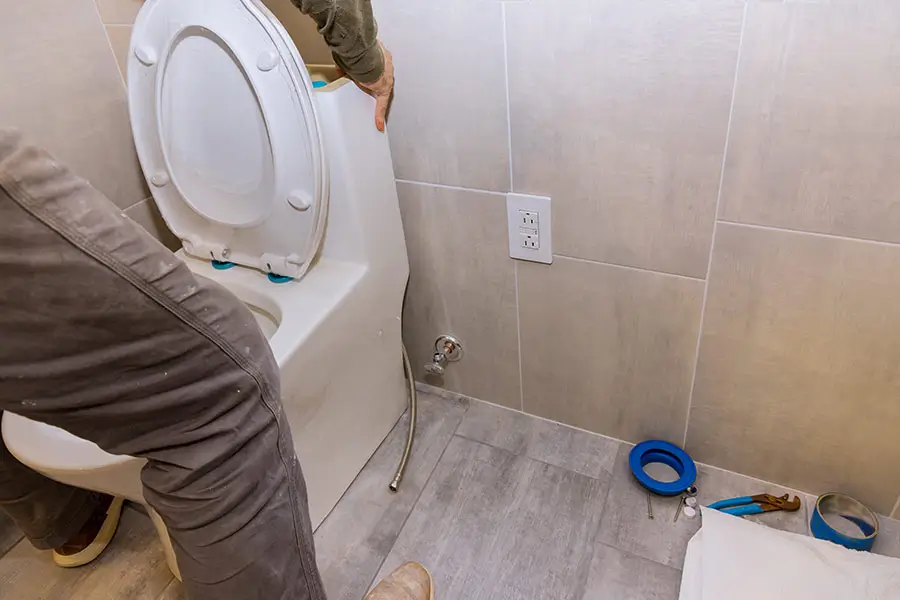
A Guide to Changing Your Toilet Flapper and Valve

Does your toilet seem to run constantly? The problem could be a worn flapper or a defective toilet fill valve. While it’s usually best to contact reliable plumbers in Duncanville, TX, to fix plumbing issues, it might be helpful to learn how to change toilet fill valve and flapper components so that you can understand the process.

Consult our guide below for a step-by-step overview of changing out your toilet fill valves and flappers.

Replacing Toilet Fill Valves and Flappers: Your Complete Guide From Plumbers in Duncanville, Texas

When flappers and toilet fill valves deteriorate or malfunction, they can cause more than just an extra noisy toilet. Expect water wastage and higher utility bills. In fact, some faulty valves can also cause the toilet to leak, increasing the risk of water damage in your bathroom.

Knowing how to change toilet fill valve and flapper components might help pinpoint when it’s time to address the plumbing’s performance and conserve water. Here’s what our plumbers in Duncanville do:

1. Turn Off the Water Supply Valve

The first step in replacing your fill valve is to turn off the water supply valve to the tank. This component sits behind the toilet under the tank.

Turn it clockwise to prevent the tank from refilling with water while you work, then flush your toilet to empty its water. There may be a small amount of water left inside the tank. You could use a towel, sponge, or wet vac to remove it.

2. Remove the Broken Fill Valve

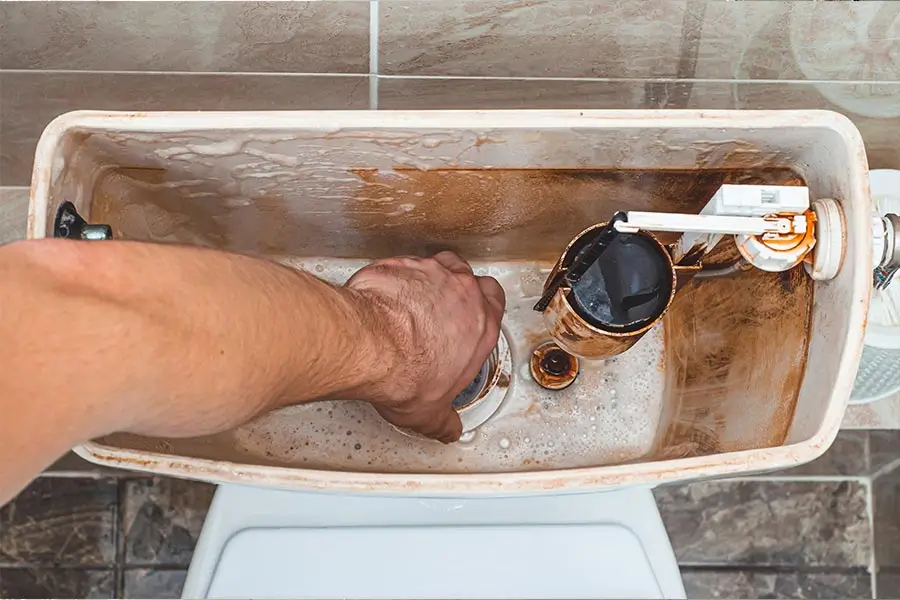
The fill valve is inside the toilet tank. It’s the tall, cylinder-like component that sits to one side of the tank that connects to the water supply line.

To remove it, loosen the tank bolts underneath the tank using pliers or an adjustable wrench. Drain the hose into a bucket or onto a thick towel.

3. Insert and Adjust the New Valve

Knowing how to change toilet fill valve and flapper components includes knowing what to buy. Ideally, you should purchase the valve that matches your old component. However, newer models are universal, allowing them to work in nearly any toilet in Duncanville.

Older models may have a specific valve type, such as:

  • Ballcock fill valves: This air-filled plastic ball or cup regulates water flow inside the tank.
  • Piston fill valves: This brass cup with a rubber lip separates the two voids inside the valve.
  • Floatless fill valves: This pressure-sensing component controls water flow, acting like the seal or ball in the other types of valves.

Once you have the new component, insert its stem into the hole at the bottom of the tank. The top of the valve should be approximately one inch below the top of the overflow tube. Adjust the height of the fill valve to match.

4. Slide Washers Onto the New Valve Stem

Does your new equipment include washers for the fill valve stem? Attach them according to the manufacturer’s instructions. The washers ensure a watertight seal.

5. Disconnect the Flapper’s Lift Chain

It’s a good idea to replace your flush mechanism when replacing a toilet fill valve. The flapper is a rubber disc that lifts the chain whenever you flush so that the water in the tank empties through the flapper.

If you know how to change toilet fill valve and flapper components, removing a deteriorating flapper is easy. Unhook the lift chain connected to the flush lever and flapper inside the tank. Pull the old flapper up from its pivot arm on the overflow tube.

The process requires a temporary water shutoff and an empty toilet.

6. Position and Install the New Flapper

Next, wipe the seal on the valve seat to minimize the risk of a water leak. Then, line up the new flapper on the overflow tube’s pegs. Connect the chain to it and the flush level.

7. Restore the Water Supply and Refill Your Toilet Tank

Once everything is in place, turn on the water supply valve. Check all of your connections. Leaks mean something isn’t lining up.

Need Help Replacing Your Toilet’s Components in Duncanville, Texas? Give Us a Call!

If you’re noticing signs that it’s time to replace a toilet or its components, rely on Dial One Johnson Plumbing, Cooling & Heating for assistance. Our licensed and experienced plumbers know how to change toilet fill valve and flapper components and every other component.

Count on our professionals to resolve your plumbing issues, whether it involves a toilet replacement or a drain clog! Contact Dial One Johnson Plumbing, Cooling & Heating today for experts serving Duncanville, Texas, and the neighboring communities.

Posted in

Six Signs It’s Time To Replace Your Kitchen Faucet

When it comes to your home’s plumbing, you might not give your kitchen faucet much thought. Unfortunately, this type of hardware has an expiration date; it won’t last forever. Knowing when to replace kitchen faucets could ensure your sink functions properly for as long as possible so that you can maximize your investment.

With reliable plumbers in DeSoto, TX, Dial One Johnson Plumbing, Cooling & Heating arrives with years of experience in replacing plumbing fixtures and their various components. Discover more about kitchen faucet replacement below, or give us a call! 

Why Upgrade the Kitchen Faucet in Your DeSoto Home?

Replacing your kitchen faucet typically comes with several benefits, including:

  • Savings on utility bills: Modern faucets are more efficient than outdated designs. You’ll use less water and reduce your monthly water bills. 
  • Aesthetic improvements: Replacing a faucet is sometimes about the overall look of the room. Why not incorporate an updated faucet in a new color or style?
  • Extra functionality: You don’t have to settle for a basic faucet for your kitchen sink. Newer styles include pull-outs, touch-based operations, and much more. 
  • Home value increase: If you’re putting your home on the market, upgrading your faucets could add to the property value for potential buyers.

Still, savings on monthly water bills and an improvement to your home’s interior features aren’t the only reasons to replace the faucets in your house in DeSoto, Texas.

Signs It’s Time To Replace Your Kitchen Faucet in DeSoto, Texas

As a property owner, you should also be aware of when to replace kitchen faucets due to issues with efficiency and performance. Here are six common signs to plan for new faucets.

1. Dripping or Leaking Faucet

If the kitchen faucet at your DeSoto home drips even when its handle is off, a malfunctioning valve or pipe might need replacement. It can become a serious issue if left too long, as persistent faucet drips can lead to severe water damage under the sink and on the wall.

Leaks from the hardware’s base, pipes, or handle can also cause water damage. Leaky faucets are sometimes repairable, but most handle malfunctions and component damage warrant a faucet replacement. 

2. Plumbing Corrosion Buildup

Clear signs that your faucet is nearing the end of its lifespan are visible rust and corrosion. Internal rusting could cause the hardware’s handle to stick or crack. You may also notice that water takes longer to flow from the tap due to corrosion. 

DeSoto properties with hard water, or a higher-than-usual concentration of calcium and magnesium in the water supply, can also accumulate mineral deposits. If rust or minerals affect the inner components of your kitchen faucet, it will need a replacement. 

3. Fixture Age 

Most faucets have a lifespan of ten to 15 years. You can find your hardware’s model number on the back or underside of the spout. The manufacturer’s recommended replacement timeline is usually accurate.

4. Poor Water Pressure

Let’s say the water pressure throughout your property in DeSoto is low and the problem lies with your water supply, a malfunctioning water heater, or extensive pipe clogs. Knowing when to replace kitchen faucets requires determining if other taps in your home besides the one in your kitchen have pressure problems. If the issue is solely with your kitchen’s tap, the problem could stem from excessive mineral buildup or clogs within the faucet. 

5. Frequent Repairs to the Faucets

Is your faucet still experiencing complications even after multiple repairs? If so, it’s time for a replacement. Constant repairs could become expensive and impact the equipment’s overall performance.

6. Lifestyle Changes or Bathroom Upgrades

If you experience a household or lifestyle change, your ideal kitchen faucet may change. Perhaps you’re installing a new sink that’ll work better with a specific type of faucet. For example, if you intend to cook more often, you might love a pull-down faucet with a maneuverable side-sprayer or a pull-out faucet with a spray head and hose.

Get a New Kitchen Faucet With Expert Installation 

That’s when to replace kitchen faucets, and when to contact Dial One Johnson Plumbing, Cooling & Heating for help. As a top-rated plumbing and HVAC company, our experts have the skills, tools, and expertise to address any plumbing need. Thanks to our experience, we deliver reasonable kitchen faucet installation times to minimize disruptions to your daily routine. 

From replacing plumbing fixtures and hardware to addressing low water pressure issues in DeSoto, Texas, contact Dial One Johnson Plumbing, Cooling & Heating!

Posted in

Why Is Your Sink Leaking at the Base in Balch Springs, TX?

Are you searching for “Why is my sink leaking at the base?” That’s a plumbing problem you don’t want to ignore for long.

As the most trusted plumbers in Balch Springs, TX, Dial One Johnson Plumbing, Cooling & Heating shares more below. The team has a 60-year history of excellence in troubleshooting and repairing plumbing issues just like this.

Why You Should Take a Leaking Sink Base Seriously

Many people think a leaking sink is a natural part of home ownership. Aren’t a few occasional drips okay? An experienced plumber will tell you otherwise – you should always take even the smallest leaks seriously.

A faucet base leak might be minor, but all those drips are slowly trickling into the surrounding cabinet, floor, and wall. If the sink is on an upper level, that water can infiltrate multiple floors. Did you know that mold can start growing in about 48 hours and yet inflict long-term consequences upon your health and property?

Delaying leak repairs by a professional always costs more in the long term. 

The Common Causes of Leaking Sink Bases in Balch Springs

From worn-out O-rings to loose mounting nuts, sinks leak for myriad reasons. You’ll want to call a certified local plumber the moment you notice an issue so that they can look for the following:

Serious Clogs Eventually Lead to Leaks

Why is my sink leaking at the base in Balch Springs? Don’t rule out the possibility of a clog, one of the most common reasons you’ll need to fix a leaky drain pipe. Over time, the corrosion and increased pressure from a blockage will cause a hole to erupt.

Damaged Parts Can Develop Holes or Loosen Seals

Hard water and time can wreak havoc on various sink components. You may find plumbing connection issues with the following components and others:

  • Sink drain seal: The sink drain seal connects the pipe with the base of the sink. When it corrodes or cracks, it can cause water to drip into the cabinet or floor.
  • Water supply line: This flexible tube connects the home’s water supply to the sink. A leak may cause a drop in water pressure at that faucet.
  • O-ring: The rubber circles provide leak protection in various places in the faucet. When this fails, you may notice water flowing from where the fixture connects to the sink.
  • Mounting nuts: These help secure the fixture to the sink and can corrode faster in homes with hard water.

Garbage Disposals May Leak Over Time

After about 10 years, the housing chamber of the garbage disposal can crack. The vibrations from grinding the food also loosen connections over time. A certified plumber like Dial One Johnson Plumbing, Cooling & Heating can determine whether you need a replacement.

How To Extend the Life Expectancy of Your Sinks

Why is my sink leaking at the base? You may not need to ask this if you can follow these tips to help your Balch Springs sink last longer:

Stay Vigilant About What You Send Down the Drain

Because clogs can cause leaks and destroy your plumbing, you should avoid sending certain substances down your sinks. Find other ways to dispose of the following:

  • Eggshells
  • Dental floss
  • Coffee grounds
  • Rice and starches
  • Fruit peels and fibrous substances
  • Bones and fruit pits
  • Hair and soap scum (use a drain catcher)
  • Paint and cleaning chemicals
  • Expired medications
  • Grease, oil, and fat

Prioritize Annual Maintenance of Your Entire System

Annual maintenance is the most important service you can schedule for your plumbing. During this appointment, the certified plumber will check for early signs of leaks, clean your drains, and fine-tune everything.

You should consider this a smart investment. You’ll keep your water bills low and your fixtures lasting longer, saving money in the long term.

Install a Water Softener To Eliminate Hard Water

Hard water causes multiple problems throughout a home. It lines your water heater with sediment, corrodes your pipes, and can even cause skin irritation. Consider installing a whole-home water softener to eliminate these issues.

Why Is Your Sink Leaking at the Base in Balch Springs, TX?

Schedule Reliable Sink Leak Repairs and More Today in Balch Springs, Texas

Why is my sink leaking at the base? Dial One Johnson Plumbing, Cooling & Heating works along the banks of Hickory Creek to keep our friends and neighbors’ homes comfortable and free of water damage. Whether they require help removing rust stains from sinks or want to schedule annual maintenance appointments, homes and businesses around Balch Springs rely on our expertise to keep their plumbing in peak condition.

Contact us today to schedule an appointment with Dial One Johnson Plumbing, Cooling & Heating.

Posted in

Plumbing Safety Tips for Homeowners in Cedar Hill, TX

According to the U.S. Bureau of Labor Statistics, over 3,000 plumbers sustain serious injuries annually. This illustrates the potential dangers of attempting to work on your home’s plumbing system yourself rather than leaving the job to the most trusted plumbers in Cedar Hill, TX.

It also highlights why you should take every possible precaution if you ever take the DIY approach to dealing with a plumbing problem. Keep these plumbing safety tips in mind to minimize risk and protect yourself.

Shut Off the Water Supply

Whenever you’re preparing to work on your plumbing system, the first step is to shut off the water supply to your home in Cedar Hill. This will prevent inadvertent flooding and the damage it could cause.

The main water shut-off valve for your plumbing system is typically located where your water service line comes into your home. Look around for it in your basement, crawl space, or near your water heater.

Wear Protective Gear

Trying to tackle a plumbing job in your home can be messy and dangerous. This is why you need these plumbing safety tips in the first place.

You must also wear protective gear to stay safe. Your best options include:

  • Heavy-duty rubber gloves to protect your hands from sharp tools and plumbing pipes
  • Safety goggles to stop water and debris from getting into your eyes
  • Earplugs to prevent loud noises caused by your plumbing pipes from impacting your hearing

You should also wear non-slip shoes to avoid slipping on wet floors and cover-ups to prevent chemicals and other hazardous materials from affecting your skin.

Secure the Necessary Tools

You must rely on various tools to fix a plumbing problem in your Cedar Hill home. For example, a plunger is a must-have tool for those battling stubborn clogs and blockages in drains and pipes.

Other tools you should have on hand include:

  • Adjustable wrenches
  • Hacksaws
  • Pliers
  • Plumber’s tape
  • Drain snakes
  • Metal files
  • Pipe benders

Learn proper tool usage before utilizing them. This is one of the most essential plumbing safety tips, as a single wrong move with a tool can result in a deep laceration or another serious injury.

Set Up the Proper Lighting

Working on your plumbing system might require climbing into some dark places. Even if the problem you’re facing involves a bathroom sink, you will have to spend time poking around underneath it in areas that are difficult to see.

Setting up lighting will stop this from becoming an issue. You won’t have to worry as much about accidentally touching a sharp pipe or something else that could cause injuries.

Ensure Proper Ventilation

Proper ventilation is essential when repairing your plumbing system, especially when working with chemicals to clear clogged drains. If you don’t take ventilation safety seriously, you could end up breathing in these chemicals and suffering from everything from lightheadedness to more serious respiratory problems, like trouble breathing and pneumonia.

If possible, open the closest window and cover your mouth with a mask to prevent fumes from entering your system.

Pinpoint Electrical Hazards

Water and electricity are never a good mix, so ensure they don’t come into contact with each other as you repair your plumbing system. Keep electric tools away from sinks and bathtubs, and unplug any appliances you’re working near.

There is no such thing as having too much electrical hazard awareness. By identifying potential risks, you can sidestep them, making this another one of the most crucial plumbing safety tips for homeowners in Cedar Hill.

Seek Professional Plumbing Services in Cedar Hill, Texas

If you feel that you’re in over your head while working on your plumbing system, stop immediately. Contact a reputable plumbing company and request that they send an experienced plumber to your home in Cedar Hills, Texas.

It’s always better to be safe than sorry. All the plumbing safety tips in the world will not help if you attempt to take on a job for which you are not adequately prepared.

Plumbing Safety Tips for Homeowners in Cedar Hill, TX

Let Us Perform Safe Plumbing Installations, Maintenance, and Repairs in Cedar Hill, Texas

Working on your home’s plumbing system might be more hazardous than you realize. Although the plumbing safety tips found here may provide some protection, why take the risk?

Rather than trying to combat plumbing problems on your own, call Dial One Johnson Plumbing, Cooling & Heating for assistance. We can make repairs or help you enjoy the positive impact of plumbing upgrades on home value.

Contact us today to make an appointment.

Posted in

Is Drain Cleaner Bad for Pipes in Dallas, TX? What You Need To Know

Drain clogs are common in Dallas plumbing systems. Since a blockage is inconvenient enough to affect your household’s daily activities, you may purchase a drain cleaner from a local store. Is drain cleaner bad for pipes, or are there times when it works?

Although it might be tempting to use a chemical drain cleaner instead of calling professional plumbing services in Dallas, TX, these products aren’t ever a good idea. Consult our helpful guide below to understand the risks of chemical cleaners and learn why professional drain cleaning is always your best option.

How Liquid Drain Cleaners Work When You Pour Them Into Your Dallas Plumbing System 

Store-bought drain cleaners contain caustic chemicals like aluminum, lye, sodium nitrate, and bleach. These ingredients are toxic to humans. They also cause severe reactions if anybody drinks, touches, or inhales them.

When used with salt or sodium chloride, these chemicals generate heat and hydrogen bubbles. Sometimes, that reaction helps to break down organic matter. The idea is that the cleaner penetrates the clog and allows water to push the debris down the pipeline. 

The Problem With Chemical Drain Cleaners

Is drain cleaner bad for pipes? The process explained above shows how store-bought cleaners remove an obstruction, but the clog isn’t all the chemicals penetrate! 

The disadvantages are serious enough for most local plumbers in Dallas to recommend alternative drain-clearing methods that don’t involve toxic, volatile ingredients! Why skip the over-the-counter chemical drain cleaners? Let’s take a look.

Corrosive Chemicals Hurt Plumbing Components and the Environment

Chemical corrosion is a major concern for Dallas plumbing systems following a chemical drain cleaning treatment. The heat the ingredients generate is usually more than common drain pipe materials can handle. 

The corrosive action is great for burning through organic matter like hair, soap scum, food particles, and human waste. However, it can also eat away at steel or copper pipes. The damage affects plumbing system longevity, especially if you use the cleaners frequently. 

Liquid Cleaners Aren’t Always Effective, So Their Benefits Don’t Outweigh Their Risks

The unfortunate reality about store-bought drain cleaners is that they’re not always effective. If the blockage is substantial enough, you could pour an entire bottle of drain cleaner down a pipe and still have a clog.

Adding another bottle or a stronger chemical will only cause more problems. Plus, the cleaner will sit in the drain, generating heat and eating away at the pipes and seals!

Enzyme-Based Cleaners Aren’t Without Drawbacks

Chemical drain cleaners are prohibited under PVC pipe safety standards as the heat could melt or warp the material. Enzyme-based cleaners don’t have that reaction, which is okay for plastic pipelines. 

While this small selection of cleaners on the market uses natural enzymes and certain kinds of bacteria to break down organic material inside drains, the unclogging process takes longer, and that’s not the only drawback. Natural cleaners often contain sodium hydroxide or lye, the most harmful ingredients in regular chemical drain cleaners!

Alternatives to Chemical Drain Cleaners To Remove Clogs and Debris From Pipes

Is drain cleaner bad for pipes in your Dallas home? Yes, and there are much safer ways to clear blockages from your plumbing, such as:

Plungers

If you’re dealing with a minor clog, a plunger is a great tool. Flat plungers work well in sinks, tubs, and showers, while those with tapered cups are more suitable for toilets. You need a lot of pressure to dislodge a clog, so prepare to suction your fixture a few times.

Natural Drain Cleaners

Tried pouring half a cup of baking soda and a full cup of vinegar down a clogged drain? After the mixture sits and bubbles inside the drain for a few moments, flush it with hot tap water. 

Professional Plumbing Services in Dallas

Contacting professional drain cleaning service providers is the safest way to clear a clog. In Dallas, a team like Dial One Johnson Plumbing, Cooling & Heating can clear obstructions anywhere within your plumbing system. They can also free pipe interiors of stubborn debris that other clog-clearing methods leave behind.

Is Drain Cleaner Bad for Pipes in Dallas, TX? What You Need To Know

Avoid Pipe Material Damage and Other Chemical Cleaning Complications With Expert Plumbing Help

Is drain cleaner bad for pipes? Yes, but the advantages of regular drain cleaning are plentiful, so don’t hesitate to get regular services from professional plumbers serving Dallas, TX, like Dial One Johnson Plumbing, Cooling & Heating. 

Why risk harsh, corrosive chemicals severely damaging pipes and not actually clearing the obstruction? Our safe and effective drain cleaning keeps pipes free of blockages, foul smells, and stubborn debris. Contact our top-rated team today!

Posted in

Why Your Toilet Bubbles When the Shower Is Running in Cedar Hill, TX

You’re all ready to hop in the shower and switch on the faucets to get the hot water going. Then, you hear a strange gurgling noise coming from your toilet. Puzzled, you walk over to stare into the bowl, asking, “Why is my toilet bubbling when the shower is running?”

Learn the most common reasons for these odd toilet noises below. Alternatively, call us for plumbing services in Cedar Hill, TX!

Your Top Toilet Bubbling Causes in Cedar Hill, TX

If your toilet gurgles when the shower runs, it’s not necessarily a major cause for concern. Both your toilet and shower will likely still work just fine, but there’s no doubt that the sound can be annoying. In some cases, bubbling can signal a larger issue with your plumbing system, so troubleshoot it right away.

You Have a Toilet Drain Line Blockage

Why is my toilet bubbling when the shower is running? The most common reason for your toilet bubbling is a clog. It will be somewhere in the line between the shower and the toilet. 

When there’s a clog, the air gets trapped in sections like the P-trap beneath the floor, which results in the irritating bubbling sound you’re hearing. Usually, this clog is somewhere close to your toilet drain. Shower drains can get clogged, too, but if yours is blocked, you’ll notice shower drain backflow as the water drains too slowly.

To fix the problem, reach for your plunger as follows:

  • Before you begin plunging, cover the shower drain tightly with a towel or duct tape. This creates the pressure needed to push the clog out and through your system.
  • Press the plunger firmly over the toilet drain.
  • Plunge up and down for a minute or two.

If you succeed in dislodging the clog, you may hear one last loud gurgle before the toilet goes silent. If the clog is further down your plumbing line, you might need to use a snake to dislodge it. Wind the snake down the drain until it stops moving (you’ve found the clog!), wiggle the snake a bit to catch the clog, and then carefully pull it out.

No luck? The clog may be in one of the other toilets in your Cedar Hill home. Try plunging and snaking each of them, as well.

You’re Having Plumbing Vent Issues

Why is my toilet bubbling when the shower is running? Rather than your drains, your vent stack might be to blame.

If you were to peek at your roof, you’d see what looks like a pipe sticking straight out of it. This is the vent stack responsible for maintaining the proper pressure in your plumbing pipes. If it’s blocked, gas can build up in your pipes – and bubble.

Someone will have to climb on your roof, shine a flashlight down the vent stack, and look for blockages caused by leaves, twigs, rocks, or animal nests. If you’re lucky, you may be able to retrieve the offending item by hand or use a bent wire hanger. If the clog is too deep to reach, you can use a garden hose to knock it loose.

To prevent this problem from happening again, consider installing a mesh screen over the top of the vent stack.

Your Pipes May Not Be Installed Correctly

Have you recently moved into a brand-new home? You’d expect the plumbing system to be in good shape, but that’s not always the case. The plumber who worked on your home may not have installed the pipes correctly, leading to pressure problems that prevent water from draining properly.

If this is the case, you’ll need to hire a plumber (preferably a different one) to fix the issue.

Sewer Line Problems May Be To Blame for Your Bubbling Toilet

Got multiple drains gurgling throughout your house? If so, there’s probably a blockage in your main sewer line that could be food debris, waste, soil, or tree roots. You’ll need to call a plumber for help, but before you do, ask your neighbors if they’re having plumbing problems, too. 

Do the neighbors have a pipe problem? The sewer main serving your neighborhood might be responsible. Call the city and report your residential plumbing problems.

Why Your Toilet Bubbles When the Shower Is Running in Cedar Hill, TX

Why Is My Toilet Bubbling When the Shower Is Running? Find Out More When You Call Our Plumbers in Cedar Hill, Texas

Are you still wondering, “Why is my toilet bubbling when the shower is running?” Reach out to our plumbers at Dial One Johnson Plumbing, Cooling & Heating! 

You might also be interested in the top signs you need a new toilet.

Posted in

What Is Considered a Plumbing Emergency – Tips and Guidance

When your Richland Hills home’s plumbing betrays you, the clock becomes your enemy. Serious water leaks can waste hundreds of gallons fast, causing damage to your floors and walls. Before you call emergency plumbers in Richland Hills, TX, ask yourself: What is considered a plumbing emergency?

Not every problem needs fixing right away. Keep reading to learn more about when a plumbing issue is really a plumbing emergency. 

Key Questions for Plumbing Emergency Assessment 

If you have a clogged guest toilet, but another bathroom works fine, you can probably wait. Remember, you can turn off water at the fixture valves (turn them clockwise) to stop problems from getting worse. This will stop the flow of water until a professional can evaluate the issue. 

It helps to know what is considered a plumbing emergency. Real emergencies will damage your home quickly if not fixed. A steady leak that’s spreading water needs attention now, but a slow drain can usually wait until morning.

Before making an after-hours call, verify the problem’s source. Don’t pay for emergency service if the water company is already working on neighborhood issues.

What Counts as a Plumbing Emergency in Richard Hills, TX? 

Homeowners often face unexpected plumbing issues that disrupt daily life. Not every dripping faucet requires an emergency call to professionals, though. Knowing genuine emergencies saves stress, time, and money. 

Water Leaks 

Small drips under sinks can wait until morning, but extensive leaking demands immediate attention. When water damages walls or ceilings, call right away. Silent leaks cause the most harm because they remain hidden until significant damage occurs.  

Richard Hills’ humidity levels accelerate mold growth, making these hidden problems dangerous to your home’s structure and your family’s health. 

Burst Pipes 

Burst pipes release gallons of water within minutes, causing widespread damage. This frequently happens during Richard Hill’s cold snaps when pipes freeze and then rupture. First, shut off the main water supply, then immediately call emergency services. 

A Sewage Backup  

The unmistakable sewage smell indicates serious trouble. Multiple clogged drains or toilets flushing into shower drains typically mean a sewage line backup. This situation absolutely falls under what is considered a plumbing emergency and needs professional attention fast. 

No Water Access 

Suddenly, losing water throughout your home requires quick action. Without water, hygiene, cooking, and bathroom use become impossible. During Richard Hills’ hot summers, water loss creates additional health risks. 

Failed Water Heaters 

Cold showers are inconvenient but create genuine emergencies during winter, especially for homes with elderly residents or children. A leaking water heater, unusual noises, or rusty water warrant immediate calls. 

Gas Problems Demand Evacuation 

Gas smells near water heaters or appliances require immediate evacuation and professional help due to explosion risks and health dangers. 

Making the Call 

Richard Hills locals should remember that minor inconveniences escalate quickly in our climatic conditions. Water damage accelerates rapidly, transforming small issues into major problems overnight. 

For local homeowners wondering what is considered a plumbing emergency, err on the side of caution. Local plumbers offer 24/7 services because some problems simply cannot wait until morning. 

When Not To Call an Emergency Plumber 

Save your money by handling minor plumbing issues yourself until regular business hours. A dripping faucet just needs a bowl underneath overnight. For clogged toilets, grab a plunger or use another bathroom temporarily. 

While mold requires prompt attention, you can leave the house and call specialists during normal hours. Remember, emergency services cost extra, so assess whether your problem truly demands immediate professional help. 

Do’s and Don’ts of Plumbing Emergencies 

Try to keep calm and stay on top of things. Turn off the water supply immediately for leaks. For gas leaks, shut off the main valve and open windows. 

Apply temporary fixes to prevent more damage, then call a professional plumber to solve the actual problem. Consider creating an emergency plumbing kit with items such as: 

  • A 5-gallon bucket 
  • Putty 
  • Washers 
  • Plungers 
  • Duct tape 
  • Basic tools 
  • Flashlight 
  • Gloves 
  • Drain snake 
  • Eye protection 
What Is Considered a Plumbing Emergency - Tips and Guidance

Call Us for Emergency Plumbing Services in Richard Hills, TX 

Quick action when dealing with what is considered a plumbing emergency helps prevent costly damage. However, don’t risk your home’s safety with DIY attempts. Our team of experts understands small plumbing leaks and can help you identify major issues fast. 

Dial One Johnson Plumbing, Cooling & Heating provides expert emergency service year-round, ensuring Richland Hills residents get professional help when they need it most. Call us today to solve your plumbing crisis.

Posted in

Water Heater Not Heating – How to Address the Problem

Nothing starts the day worse than a water heater not heating when you need it most. Stepping into an ice-cold shower or finding your dishes won’t clean properly creates real household stress.  

Before calling for professional heating services in Garland, TX, Dial One Johnson Plumbing, Cooling & Heating offers a few practical troubleshooting steps to potentially restore your hot water quickly. 

Common Issues and Solutions for Water Heaters Not Heating in Garland, TX 

If your water heater is not heating, you’ll need to identify potential causes quickly before deciding whether to tackle repairs yourself or call professionals. 

Electrical Troubles 

Electric water heater problems often stem from power supply interruptions. Check for a tripped circuit breaker, which frequently occurs with these appliances. Resetting the breaker might restore function within an hour, but repeated tripping signals deeper electrical issues requiring expert diagnosis. 

Gas Flow Disruptions 

Gas models require a functioning pilot light for proper operation. Pilot light issues prevent the burner from igniting, leaving you with cold water. The pilot may need relighting following manufacturer instructions—always turn off the gas regulator for five minutes before attempting this process to allow gas dissipation. 

Component Malfunctions 

A thermostat malfunction manifests through erratic water temperatures or complete heating failure. Optimal settings range between 122-140°F, and adjusting this temperature without noticing any improvement points toward replacement needs.  

Likewise, electric models depend on heating elements that deteriorate over time, eventually failing completely, which may result in your water heater not heating. 

Water Quality Impacts 

If you use hard water in your Garland home, it contains minerals that accumulate inside your tank, reducing efficiency through sediment buildup. Effective water heater troubleshooting includes listening for unusual rumbling or popping sounds indicating this condition.

Annual tank flushing helps prevent performance degradation and extends appliance life. 

Deterioration Signs 

Water heaters typically last eight to 12 years before replacement becomes necessary. Annual inspections of anode rod corrosion help predict the remaining lifespan and prevent unexpected failures. 

Condensation on the Water Heater 

Condensation on water heaters often masquerades as leaks. This moisture forms when cold water enters a hot tank during heavy use when refilling empty tanks or in humid environments. The temperature difference between the tank and the surrounding air creates water droplets on the outer surface.

Solutions include waiting for the tank to warm up, improving room ventilation, using dehumidifiers, adding insulation blankets to older models, and maintaining proper venting systems. 

Professional Intervention 

While understanding these fundamentals helps diagnose problems, most repairs involve potentially hazardous systems: 

  • Gas connections carrying flammable material.
  • High-voltage electrical components.
  • Pressurized water systems.
  • Complex thermostat and control mechanisms. 

Unless you possess specialized training, professional technicians should handle repairs, especially when dealing with: 

  • Suspected gas leaks (indicated by rotten egg smells).
  • Internal tank leakage.
  • Damaged heating elements. 
  • Water heater is not heating despite basic troubleshooting attempts.

While there are many DIY tips and tricks online, working with water heaters involves electricity, gas, and pressure systems—components that demand proper knowledge and tools for safe handling. When in doubt, consulting professionals protect both your household and your investment.  

Invest in Water Heater Maintenance 

Neglected water heaters develop sediment that wastes energy and damages components. A water heater not heating properly often signals accumulated debris or a failing heating element that the following maintenance would prevent:

  • Annual tank flushes to remove performance-robbing sediment.  
  • Replacing the anode rod yearly to combat corrosion.  
  • Testing pressure relief valves quarterly to prevent dangerous pressure buildup.  
  • Venting inspections for gas heaters to prevent carbon monoxide hazards. 
  • Checking connections regularly for drips or moisture.  

Routine maintenance extends equipment life by years, maintains efficient operation, and prevents most common failures—saving you money and eliminating emergency repair stress. 

Should You Upgrade Your Water Heater? 

Consider upgrading your water heater when repairs become frequent or performance declines. Modern tankless options save space and energy, electric models work well for smaller households without gas lines, and gas models are more effective at handling larger hot water demands.  

When faced with a water heater not heating properly, replacement often proves more economical than repeated fixes. Professional installation services from Dial One ensure proper sizing and efficiency for local water conditions and temperature fluctuations in and around Garland, TX. 

Water Heater Not Heating - How to Address the Problem

Trust Your Local Garland Experts for Expert Water Heater Services 

Is your water heater not heating? Stop shivering through cold showers. Our technicians diagnose and fix problems fast, from broken elements to thermostat issues. We’ll also show you the perfect energy-efficient water heater temperature setting to save money while staying comfortable. Call Dial One Johnson Plumbing, Cooling & Heating today—we’re ready when you need us.

Posted in

DIY AC Repair Risks Every Resident Should Know

Are you considering repairing an air conditioner yourself in Lancaster, TX? If so, you might want to reconsider before committing to DIY AC repair.

Fixing an AC system on your own may seem like it would save you money, but at what cost? You could face many risks that will make you wish you had hired licensed technicians from a company like Dial One Johnson Plumbing, Cooling & Heating to perform AC repair in Lancaster.

Before attempting to repair an air conditioner, consider five risks.

1. You May Struggle To Determine What Is Wrong With Your AC

Before you can begin DIY AC repair, you must determine what is wrong with your system. This is often easier said than done.

For example, suppose your AC system is blowing warm air throughout the house. This situation might be caused by:

  • A dirty air filter
  • A refrigerant leak
  • A broken condenser
  • Frozen evaporator coils
  • A faulty compressor

Figuring out the culprit can be time consuming, especially if you have little experience working on AC systems. This could very well lead to an incorrect diagnosis and leave you without a functioning AC for much longer than you would like.

With temperatures routinely reaching triple digits during the summer months in Lancaster, TX, most homeowners can’t afford to take chances. Instead of attempting to repair an AC unit, contact cooling professionals for air conditioner maintenance.

2. You Might Cause More Damage and Need Additional AC Repairs in Lancaster, TX

Even if you come up with the correct diagnosis while doing DIY AC repair in Lancaster, TX, you won’t be out of the woods yet. You also must take the proper steps to breathe life back into your home’s AC system.

You might get away with tackling a simple task like replacing an air filter well past its expiration date. However, you may not have any luck when repairing a refrigerant leak or fixing a malfunctioning condenser or compressor.

You might even make critical mistakes when repairing an AC system, putting yourself in an even worse position than when you started. This could cause your AC repair costs to skyrocket.

3. You May Sustain Serious Injuries or Hurt Others

Repairing a residential AC system is dangerous, even for the pros. Those who work on them for a living often encounter electrical hazards that put them at risk. Just last summer, a repairman was electrocuted and killed while fixing an AC in Flower Mound, a city located roughly 40 miles from Lancaster, TX.

Electrical hazards aren’t the only issues you will encounter when doing DIY AC repairs, either. Something as simple as refrigerant mishandling could expose you to harmful chemicals and potentially poison you and others in your home.

4. You Might Start a Fire and Damage Your AC and Other Parts of Your House

According to the National Fire Protection Association, air conditioning units start about 2,800 residential home fires annually. Improperly installed AC systems and AC units with faulty wiring are usually to blame.

Taking the DIY approach to AC repairs may increase your fire risks. You will sleep better at night knowing that licensed technicians have worked on your AC unit and performed repairs correctly, minimizing the chances of a fire breaking out and damaging your AC and other aspects of your home.

5. You May Void the Warranty for Your AC

Many residential air conditioner manufacturers extend generous warranties on their products. They typically provide homeowners with warranties that last five or even ten years.

However, if you rely on your lack of experience and improper tools to perform a DIY AC repair in Lancaster, TX, you may end up with a voided warranty. This is another reason to leave repairs to the AC professionals at Dial One Johnson Plumbing, Cooling & Heating.

DIY AC Repair Risks Every Resident Should Know

Skip Doing DIY AC Repair in Lancaster, TX, and Let Us Help

From exploring the city’s Historic District to cooling off at the local splash park, Lancaster, TX, offers so many fun things for residents to do during the summertime. Why not get out and enjoy them instead of worrying about working through a DIY AC repair in Lancaster when your air conditioner stops functioning?

Dial One Johnson Plumbing, Cooling & Heating is the company you can count on to deliver top-notch AC repair services. Call us today to book an appointment, and check out our other blog articles for help with understanding AC condenser pads and other critical AC parts.