Experiencing an emergency? Call 972-914-0833

Ready to Experience the Dial One Johnson Difference?

Your go-to resource for HVAC and plumbing solutions, DIY guides, and home maintenance tips.

Got an emergency? Call 972-914-0833 or …

Explore by topic:
Posted in

Air Filters & Your Allergies: Quick Facts You Should Know

HVAC air filters are an essential part of any heating or cooling system. Far from setting it and forgetting it, air filters need to be replaced or cleaned on a regular basis. This is a simple HVAC maintenance task homeowners can tackle themselves. As always, knowledge is power, so read on to learn more about HVAC filters, how they work and how they can help or hinder those who suffer from allergies.


Need top service for top residential air conditioners? The team at Dial One Johnson Plumbing, Cooling and Heating is fully qualified to take care of all your HVAC needs. Give us a call at 972-362-9801 or visit us online to schedule an appointment today. 

The Ins and Outs of HVAC Air Filters

Indoor air is full of pollutants. From dust and pet dander to pollen and cooking gas particles, our HVAC air filters help capture and trap airborne contaminants, preventing them from circulating back into the air we breathe. Air filters help improve indoor air quality while keeping your HVAC system and air ducts clean. 


Air filters can be disposable or reusable. In either case, they need to be replaced or cleaned every 30–90 days, depending on your climate and lifestyle. Filters are typically made from spun fiberglass, cloth or pleated paper contained in a cardboard frame. 


Printed on the frame, homeowners can find information like the filter’s size and measurements. This is useful when replacing filters, as you’ll need to find one that fits your unit. Most home improvement stores carry standard HVAC air filter sizes. It’s wise to take a picture of this information on your old filter before getting rid of it. 

How Do Air Filters Work?

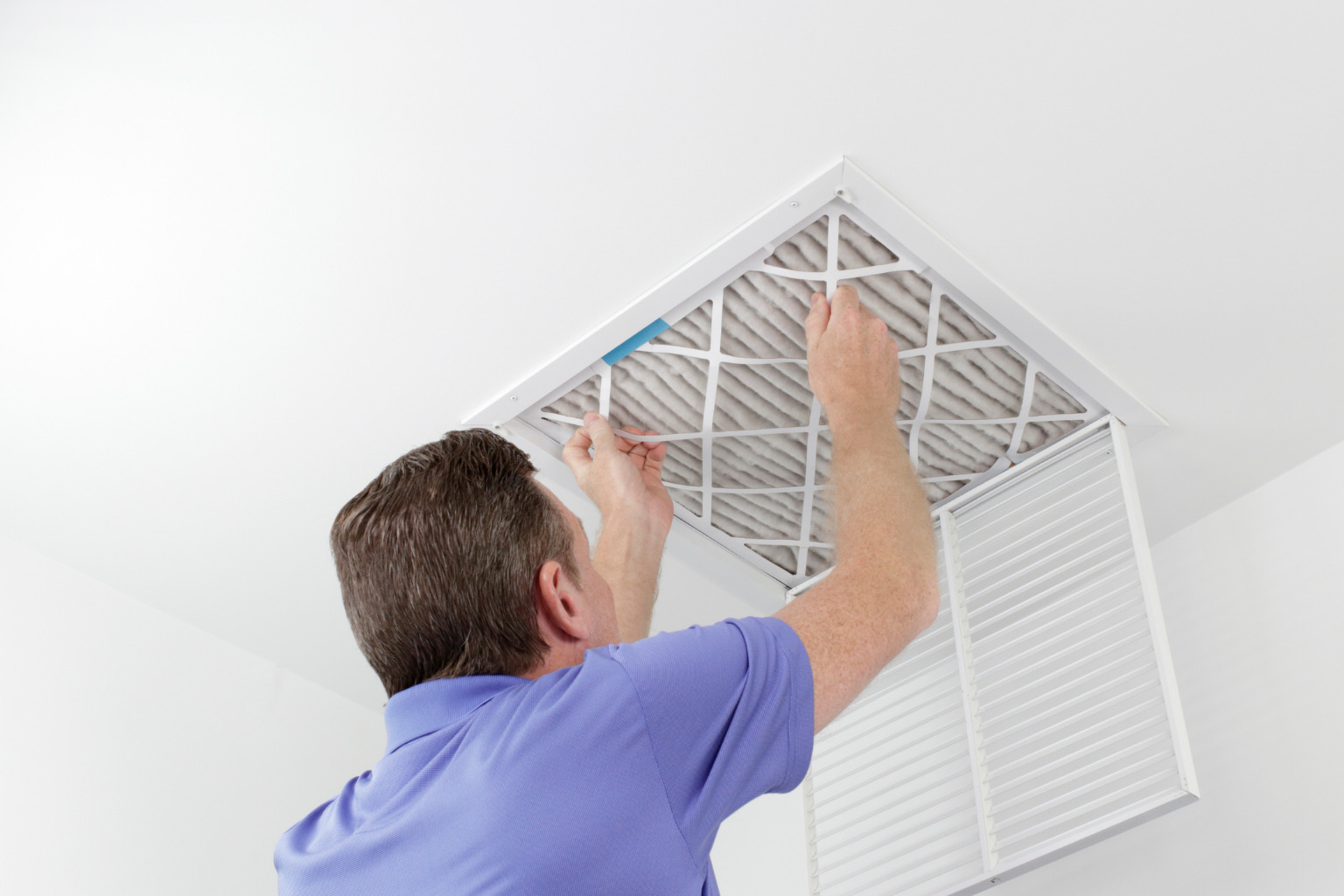
Air filters are located in your unit’s air return registers. Some homes will have only one return register, while larger homes and segmented spaces may have multiple returns. Each one should contain an air filter. Return registers suck air into the unit to be conditioned, rather than expelling air into the home. In doing so, air passes through the air filter before entering your unit, making HVAC air filters your first line of defense for keeping pollutants out of your unit and out of the air you breathe. 

What are MERV Ratings?

The Minimum Efficiency Reporting Value (MERV) rating on an air filter measures how efficiently it can capture contaminants. Standard MERV ratings range from 1–16. Higher numbers indicate that an air filter can capture smaller particles, and therefore, more of them. That doesn’t mean homeowners should get the filter with the highest MERV rating, however. 


Air filters with MERV ratings of 1–4 are common and provide basic air filtration, while those with MERV ratings of 6–8 are often found in top residential air conditioners and offer good filtration. Those rated 9–12 are considered high-quality air filters, while those in the 13–16 range can get rid of extremely small particles. 


Anything above a MERV rating of 16 is typically reserved for specialized systems, like those in medical settings. A residential unit would actually struggle to suck air in through a filter with such a high rating, so it’s best to stick with those in the 6–16 MERV rating range, depending on the level of filtration you’re after.   

HVAC Air Filters and Allergies

Those who suffer from severe allergies can benefit from high-energy particulate air filters, better known as HEPA filters. While paper HVAC air filters can effectively trap larger particles, like dust, HEPA type filters can trap smaller particles and known allergens, such as dander, pollen and tobacco smoke by-products. 


To help prevent allergies, try the following:


  • Keep HVAC equipment clean year-round and schedule professional cleanings/tune-ups twice a year 
  • Replace air filters frequently, especially during known allergy seasons
  • Practice source-control by removing allergens from the home whenever possible. This includes dusting, vacuuming and grooming pets often
  • Improve indoor air quality by increasing ventilation and allowing outdoor air to enter the home
  • Run ceiling fans on a low setting to help circulate air throughout the home, allowing your air filters to capture contaminants that may otherwise linger


What is the Best Air Filter to Prevent Allergies?

Finding the right air filter to suit your HVAC system, household and needs may take some trial and error, but it’s a worthy endeavor. Our experts recommend the following air filters to help prevent allergy flare-ups:


  • A permanent electrostatic air filter with a MERV rating of 8 and microns 1. This filter utilizes self-charging fibers to capture miniscule particles. Washable versions of this filter are available, just be sure to let it dry completely before replacing them in your unit.
  • A disposable filter with a MERV rating of 10 and microns 1. 
  • HEPA filters with a MERV rating between 14–16 and microns up to .3. HEPA filters capture more contaminants, which means they become clogged faster and will need to be replaced more often. 


A clogged air filter will put strain on your unit, increasing wear and tear and reducing the system’s overall efficiency. Installing the wrong type of air filter for your unit can also have the adverse effects of strain and skyrocketing utility bills. It’s always wise to check in with a professional HVAC technician to ensure you’re getting the best air filter for your situation.   

Get Professional HVAC Services From Dial One Johnson 

The pro team at Dial One Johnson Plumbing, Cooling and Heating offers high-quality residential HVAC installation, repairs and maintenance in Red Oak, TX, and the surrounding areas. Our experts are ready to serve with in-depth knowledge and transparent, upfront pricing. 


When you work with the team at Dial One Johnson, you’ll receive a 100% satisfaction guarantee on our workmanship. That means our work isn’t done until homeowners are happy. To get the best out of your HVAC unit, we’re proud to offer competitive ongoing maintenance plans, as well as flexible financing options to help cover unexpected costs. Visit us online to schedule services or call 972-362-9801 to speak to a team member today.  

Author Bio:
Sherrie Johnson-Hartsock
Dial One Johnson Plumbing, Cooling & Heating is now owned and operated by Sherrie Johnson-Hartsock, with his grandson, Daniel Johnson, a third-generation plumber who is also the Service Manager.

Posted in

Two Stage vs One Stage AC: Which One Is Right For You?

For Texans, going without air conditioning isn’t really an option. The summers can get extraordinarily hot down here, and living in a home without AC isn’t just uncomfortable — it’s dangerous. Constant exposure to high temperatures can result in heat cramps, heat exhaustion and even heat stroke. To avoid these heat-related dangers and maintain a comfortable living environment, it’s important to have a functional air conditioning system. The question is, which type of air conditioner is right for your home? 


With so many types of cooling systems on the market, it can be overwhelming to pick out an AC system on your own. Fortunately, you don’t have to. When you need the best air conditioning Cedar Hill, Texas, can provide, call Dial One Johnson Plumbing, Cooling & Heating. We’ll help you find the best air conditioner for your needs. Keep reading to learn about two-stage and one-stage air conditioners and how they differ. 


At Dial One Johnson, our mission is to keep our customers safe and comfortable year-round. Whether you need air conditioning repair, maintenance or installation, we’re here to help. Contact us online to schedule service or give us a call at 469-518-2809. 

How Two-Stage and One-Stage ACs Work

When you start researching different types of air conditioners, you’ll encounter both one-stage and two-stage ACs. The terms ‘one-stage’ and ‘two-stage’ actually refer to the operation mode of the compressor, a critical AC component that is responsible for moving the refrigerant between the evaporator and condenser coils. 

One-Stage vs. Two-Stage Compressors

A one-stage compressor has only one operating mode, meaning it runs at 100% capacity all the time, regardless of the cooling demand. If it’s on, it’s on at full blast. Two-stage compressors have two functioning capacities: medium and high. The high mode runs at 100% capacity, just like the one-stage compressor, and the medium mode generally runs between 60% and 70% capacity.

Two-Stage vs. One-Stage Air Conditioners

Two-stage air conditioners have several obvious advantages over one-stage air conditioners, the most distinct being versatility. Two-stage ACs can produce cool air at a rate that is appropriate for the outdoor temperature. When it’s mild outside, a two-stage AC can run at medium capacity instead of full blast, but can still reach full capacity in hot temperatures. However, versatility isn’t the only factor to consider when comparing one-stage and two-stage AC systems. 

Energy Efficiency

When a one-stage air conditioner is on, it’s operating at full capacity. That means it’s using the maximum amount of energy, whether or not it needs to do so. As you might have guessed, that’s not very energy efficient. Additionally, one-stage air conditioners go through frequent and brief cooling cycles, alternating between blowing cold air on full blast and shutting down. This is important to note because air conditioners use the most energy when they’re starting up and shutting down.


Two-stage air conditioners operate in the opposite way; they generally have longer and less frequent cooling cycles than one-stage ACs. As a result, they waste less energy in the starting up and shutting down processes. Two-stage ACs’ ability to operate at a medium capacity on milder days allow them to consume less energy than one-stage ACs when cooling demands are low. 


An air conditioner’s energy consumption affects homeowners in two distinct ways: carbon footprint and utility costs. According to the U.S. Department of Energy, air conditioners use six percent of all electricity produced in the United States. As electricity is primarily generated by fossil fuels, homeowners can do their part to reduce emissions by buying a more energy-efficient AC system. By doing so, homeowners will also spend less money on utility costs. 


Efficiency winner: two-stage air conditioner

Comfort Considerations

When you’re searching for the best air conditioning replacement, comfort needs to be one of the factors you take into consideration. The frequent and powerful cooling cycles of a one-stage air conditioner can cause big temperature swings in your home throughout the day. For many homeowners, this fluctuation is less than ideal. 


Additionally, the short cycles of the one-stage air conditioner can inhibit its ability to dehumidify your home’s air, leaving you in a potentially muggy, fluctuating climate. The two-stage air conditioner’s gradual cooling process gives the system time to properly dehumidify your air, which means a fresher smell, cooler feel and better air quality. Its longer cycles and less powerful blasts allow for a more even distribution of cool air throughout the home. 


Comfortability winner: two-stage air conditioner

Installation Costs 

When it comes to installation costs, one-stage air conditioners have the advantage; they require a smaller upfront investment to purchase and install. If you’re running low on cash and need an AC system fast, a one-stage air conditioner is your best option. However, one-stage air conditioners may cost more in the long run, as their inefficiency can drive up utility bills. 


Installation cost winner: one-stage air conditioner

Air Conditioning Cedar Hill, Texas

There are many factors to consider when trying to decide which type of air conditioner will work best for your home. This can be a daunting process for people unfamiliar with the pros and cons of each system. Luckily, homeowners don’t have to make the decision alone. If you’re looking for the best air conditioning Cedar Hill, Texas, can provide, consult a HVAC expert at Dial One Johnson Plumbing, Cooling & Heating for help. 


At Dial One Johnson, we know that air conditioners are a big investment, and not everyone can afford to pay a lot of money upfront. Although less efficient systems like one-stage air conditioners require a smaller initial investment, they can end up costing homeowners more in utility bills than two-stage systems. One way that homeowners can avoid being penalized for a lack of liquid funds is by buying an air conditioner through a financing plan. That’s why Dial One offers multiple financing options that require no out-of-pocket expenses. 


Whether you need air conditioning repair, maintenance or replacement, Dial One Johnson’s got your back. Considering an air conditioner replacement? We’ve partnered with Lennox HVAC systems to provide Cedar Hill homeowners with highly efficient, affordable air conditioning solutions. Visit us online to schedule service, or give us a call at 469-518-2809

Author Bio:
Sherrie Johnson-Hartsock
Dial One Johnson Plumbing, Cooling & Heating is now owned and operated by Sherrie Johnson-Hartsock, with his grandson, Daniel Johnson, a third-generation plumber who is also the Service Manager.
Posted in

What Size Central Air Conditioner Should I Buy?

When you’re buying a new car battery, you don’t just grab the first one you see off the shelf at the automotive store; you look up the specific battery that fits with your car or ask an auto expert at the store. That’s because you know that although your car might run with the wrong size battery, it won’t run well. The wrong battery could damage your alternator, result in a breakdown and ultimately put a lot of unnecessary strain on your car. The same thing goes for installing the wrong size central air conditioner in your home.


When you’re shopping for a new central air conditioner, it’s critical you choose a unit that’s sized appropriately for your home. If you install the wrong size, your air conditioner could struggle to maintain comfortable temperatures and humidity levels or even breakdown. If you’re in the market for a new HVAC, Dallas, TX, professionals at Dial One Johnson Plumbing, Cooling & Heating can help you pick out the most appropriate unit for your home. Keep reading to learn why the size of your air conditioner matters, how it affects your home and how to choose the best system for your needs.


In addition to helping you select and install a new central air conditioner, the HVAC professionals at Dial One Johnson can provide the air conditioning repair service necessary to maximize your system’s lifespan. Contact us online to schedule service.  

Why Air Conditioner Size Matters

If you’re in a hurry to replace your central air conditioner, you may be tempted to skip the calculations and just choose one that you know has a lot of power. Afterall, what’s the big deal if the air conditioner’s made for a larger space? Won’t it just cool the house even faster than a correctly sized unit? Unfortunately, that’s not how it works.

Wasted Money

One of the reasons it’s important to buy a correctly sized air conditioner is to avoid paying more money for no reason. The larger the air conditioning unit is, the more expensive it is, both to buy and install. Additionally, an oversized central air conditioner is prone to short-cycling, which can drive up utility bills and decrease its lifespan. Central air conditioners that are too small may run continuously to attempt to cool your home, which can also increase your utility bills.

Indoor Air Quality

In addition to cooling your home, a central air conditioner should also dehumidify it. Most air conditioners keep indoor humidity levels between 30% and 50%. However, in order to dehumidify your home, an air conditioner has to run normal-length cycles, which improperly sized systems do not do.


An oversized central air conditioner doesn’t generally run long enough to remove humidity from the air. High levels of humidity can cause many indoor air quality problems, including the following:


  • Mold and mildew growth
  • Indoor pollutants that grow in a humid environment
  • Damage to brickwork ane walls
  • Rotting furniture and floors
  • Discomfort and heat exhaustion

Durability and Lifespan

Improperly sized air conditioners just don’t run as efficiently as properly sized ones. When an air conditioner isn’t running efficiently, it has to work harder. Air conditioners that are too small will run continuously in an effort to hit the desired temperature, but they’re not built to run non-stop. Similarly, an oversized air conditioner will blast cold air and shut down quickly, which is hard on the machinery. When you buy an improperly sized air conditioner, you’re running the risk of replacing it much sooner than if you’d bought a properly sized unit.


Want to buy the best HVAC Dallas, TX, can provide? The air conditioning experts at Dial One Johnson are here to help. We’ve partnered with Lennox HVAC systems to bring you the highest-quality, most affordable systems on the market. 

What AC Size Do I Need?

To gage what size air conditioner you need, you should look up an air conditioner’s British Thermal Units (BTUS). BTUs are used to measure how much heat a particular air conditioner can remove from a space in an hour. To properly cool a space, you need about 20 BTUs per square foot.


Calculating the BTUs with square footage is an easy, straightforward way to get a ballpark idea. However, there are some additional factors to consider when making these calculations, including room characteristics, amount of sunlight and where you live. These factors can complicate matters, which is why it’s important to consult an HVAC professional.

When Should I Replace My Central AC?

Knowing when to replace your central air conditioner is just as important as knowing what size you need. Too often, people wait until their HVAC system has completely broken down before thinking about replacement. Depending on your home’s needs, your central air conditioner can take some time to replace, so waiting until the last minute can cause a lot of unnecessary discomfort for you and your family. Here are some signs that your central air conditioner is on its last legs:


  • Your air conditioner requires constant repairs
  • Your air conditioner is 15 years or older
  • Your air conditioner uses R-22 refrigerant, an older refrigerant that has been banned from production by the Environmental Protection Agency.

Dallas HVAC Professional

Before choosing a new central air conditioner, remember that size matters. The size of your central air conditioner will play a large role in determining your comfort, air quality and how much money you spend. For all-things HVAC, Dallas, TX, experts from Dial One Johnson are your best resource. They’ll help you determine which central air conditioner will work best for your home and needs.

Concerned about cost? We understand. That’s why Dial One Johnson offers multiple financing options, so you don’t have to spend a dime upfront to get the service you need. Visit us online to schedule air conditioning repair service, or give us a call at 469-557-2703.

Author Bio:
Sherrie Johnson-Hartsock
Dial One Johnson Plumbing, Cooling & Heating is now owned and operated by Sherrie Johnson-Hartsock, with his grandson, Daniel Johnson, a third-generation plumber who is also the Service Manager.
Posted in

How Often to Change Air Filter in House

Out of all the components in your home’s HVAC system, your air filter might seem the least important. In reality, though, your air filter plays an essential role in how your system operates efficiently. Changing them out is a common aspect of maintenance that often gets overlooked. But forgetting about your air filter can lead to some serious problems. So, how often should you change your filter? We’ll walk you through those answers and more; just read on.

If you need affordable AC service in Waxahachie, TX, Dial One Johnson Plumbing, Heating and Cooling is here to help. Our team of licensed HVAC specialists is on-call for anything from routine maintenance to emergency repairs. Get in touch today at 972-291-0740.

The Truth: How Often Should You Change Your Air Filter?

If you don’t even know where your air filter is, chances are you need to change it. That’s one of the huge benefits of having a professional come and maintain your system regularly. Not only can they catch problems before they become costly repairs, but they can take care of the little things like clearing debris, cleaning your system and, of course, changing your air filter.

But if you’re looking to tackle this yourself, it happens to be one of the easiest maintenance tasks you can handle. Okay, so how often should you change your filter? In most cases, 30 to 90 days seems to be the general timeframe. This is going to depend on what type of filter you are using and your system.

Some manufacturers claim their filters can outlast others. While sometimes this is true, you want to be careful which filters you purchase. Some brands might advertise things like extra filtration protection for allergens and dust. Often, these types of filters are much harder to move air through. This can cause your system to perform poorly and inefficiently. If you’ve got questions, make sure to get a hold of your local AC service in Waxahachie TX.

How to Change Your Air Filter

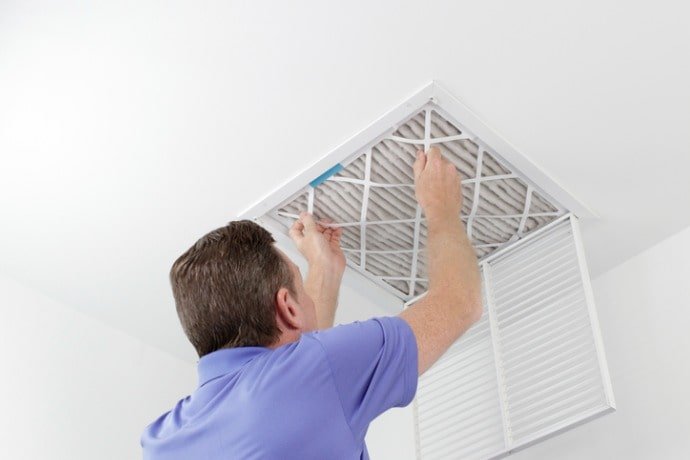
Changing your air filter is incredibly easy. It’s one of the simplest ways you can help maintain your HVAC system and keep your home comfortable all year long. Often, the hardest part is finding the location of your filter. More often than not, it’s somewhere quite obvious. If it’s not, you can always ask your local technician who services your home. They’ll be more than happy to point you in the right direction.

Once you’ve found the location, follow these steps to change your filter:

  1. Make sure you’ve got the right size filter — A good strategy is to go off the measurements of the old filter. Manufacturers usually print this information on the edge of the filter frame.
  2. Turn off your unit — Make sure you flip the switch on your thermostat and your system isn’t running.
  3. Remove the grille cover for the filter — If your filter is located in the system’s handler, you may need to open the access panel. You also may need a screwdriver to remove some types of grilles.
  4. Remove the old filter and insert the new filter — When changing out the filter, make sure you’ve taken note of how the older filter fits into the space. Also, make sure that the airflow arrows on the filter are pointing in the correct direction.
  5. Replace the grille cover and turn your system back on — Always check for strange noises or anything else that might indicate something is wrong.

Why Changing Your Air Filter is Important

When it comes to proper HVAC maintenance, it’s easy to fall into bad habits. If your system keeps on pumping out the cool air, you have nothing to worry about, right? Our home’s air conditioning system is usually an out of sight out of mind kind of home appliance. It only gets most people’s attention when something goes wrong.

If you want to prevent costly repairs down the road, you’ll need to start taking preventative and regular maintenance seriously. That means changing the air filter regularly and having professionals come and perform routine inspections, including a yearly visit.

Your filter is the first line of defense against dirt and debris from getting into the system. That’s the filter’s main job. Some people might think that the filter is for our benefit, and sometimes that’s true. More often than not, though, your air filter’s main purpose is to protect your main unit from dirt and debris causing damage. Here are some scenarios that could occur if you fail to properly maintain and change your filter on time.

Blower Fan Issues

If you haven’t changed your air filter in the last few months, you can probably expect some caked-on dirt and grime. Your HVAC system might still be working properly, but a lot more is happening behind the scenes.

First of all, the blower fan is having to work that much harder to keep things running. That not only means more energy consumption but also more wear and tear on the inner components. As you can probably imagine, this is not great for the blower. It can lead to higher monthly energy costs and even premature failure of the component.

Other Issues

While the blower fan seems to get the brunt of the air filter issues, that’s not the only problem you may have to handle. Another issue is how a dirty air filter affects your system’s performance. It not only means higher electricity bills but also means your home isn’t as comfortable.

Additionally, all that dirt and debris on the filter are prime locations for moisture. Moisture leads to mold growth — which is the last thing you want to tackle. It’s not only dangerous, but a pain to resolve.

Where to Find Quality Air Conditioning Repair in Waxahachie, TX

If you’re on the hunt for the best AC service in Waxahachie, TX, make sure to give the team at Dial One Johnson Plumbing, Heating and Cooling a call. Our team of qualified HVAC technicians can handle any job you need doing. Reach out online to schedule an appointment.

Author Bio:
Sherrie Johnson-Hartsock
Dial One Johnson Plumbing, Cooling & Heating is now owned and operated by Sherrie Johnson-Hartsock, with his grandson, Daniel Johnson, a third-generation plumber who is also the Service Manager.
Posted in

Is Your Condensate Pump Not Working?

Our HVAC systems consist of multiple components with very specific functions. When any one of these parts is faulty or stops working, it can compromise the entire heating or cooling process. Read on to learn more about your unit’s condensate pump, and what to do if it stops working. 

Looking for air conditioning services? Give the pros at Dial One Johnson Plumbing, Cooling and Heating a call at 972-388-3310 or visit us online today.


What is a Condensate Pump?

It may seem like our HVAC units produce and blow out cold air, but they really work by removing heat and humidity from the air inside of your home. During this process, condensation tends to collect on the condenser coils in your indoor air handler. This condensation drips down and collects in your unit’s condensate pump. 

Once the water level in a condensate pump reaches a certain level, a float inside the pump triggers a float switch. This kicks the pump into action, making it work to drain the water to the outside of your home. These components may collect dust, dirt and other types of debris over time, potentially clogging up the system. A clog can cause several issues, including preventing the unit from triggering the float switch, or making it impossible for the water to drain. There’s also the matter of regular wear and tear, which can cause components to malfunction over time. 

If water cannot drain efficiently, it may back up into the system’s overflow drain pan. While this provides an extra measure of precaution, the overflow drain pan will eventually… well, overflow. Once this happens, water may leak into your indoor air handler cabinet, where it can cause damage like rot, mold growth or damage to other components.


How to Fix a Broken Condensate Pump

Depending on the exact issue at play, homeowners may be able to fix condensate pump problems themselves. Let’s look at some basic troubleshooting tips.

Check the Power Source

The condensate pump requires electricity to operate. A good first step when troubleshooting a broken pump is to ensure it is getting power. Be sure to check that the pump’s power switch is set to “ON” and that the wire connecting the condensate pump is connected to an outlet. If all seems well here, check for a tripped circuit breaker.

Test the Microswitch

If your condensate pump’s water reservoir is overflowing, it could indicate that either the microswitch for the main float has failed to activate, or the microswitch that is supposed to kick the pump’s motor into action has failed to activate. With caution not to touch nearby connections, use a long plastic or rubber object to gently tap the main float’s microswitch on and see if this activates the pump. In some cases, a light tap can fix a faulty switch, essentially getting it “unstuck.”

Inspect the Float 

When dirt, debris or pollutants like algae build up inside of a condensate pump, it can cause the main float to become stuck. This may cause the pump to simply shut down. If you notice that the unit’s main float appears to be stuck, give it a gentle tap to free it. Be sure to inspect it for damage, like cracks, and clean or replace the float if necessary. Homeowners can also empty and clean the pump’s reservoir. 

Check for Clogs

Your HVAC unit has a condensate drain line, which is the section of tubing that carries water to the outside. As dirt and debris infiltrate the drain line, clogs can form and prevent water from draining, leading to backups and potential water leaks. Homeowners can check for clogs by adding water to one of the holes at the top of the condensate pump to make it work. It’s important to ensure the pump does not run without any water in the reservoir, as this can cause damage. If you can physically see water moving through the drain line without backing up, then you probably don’t have to worry about a clog. 

If the drain line does appear to be clogged, homeowners can use a wet/dry vac to suction the clog out, or try using a funnel to flush the drain line out with warm water. Stubborn clogs may be dissolved by using a funnel to add up to one cup of baking soda and one cup of white vinegar to the drain line in small amounts. Allow this solution to work for about 15 mins before flushing with warm water. 

Clean Condensate Pump Valves

Algae and other forms of debris can build up around the valves in your unit, preventing them from working properly. Luckily, this is an easy fix. Simply remove the drain line, take out the valve to clean it and replace it again. Ideally, this should get water flowing again.

Clean the Condensate Pump 

A condensate pump that has fallen victim to algae or mold growth will need to be cleaned thoroughly. Be sure to completely turn the power off both at the pump and for the HVAC system itself, then wash the pump with dish soap and warm water, removing any old water from the pump and its reservoir. The wet conditions of a condensate pump make it an ideal breeding ground for algae and mold, so this process needs to be repeated every few months to maintain a clean, functional system.  

Annual HVAC tune-ups by an air conditioning professional can help prevent condensate pump problems. Each visit from an air conditioning repair professional ensures your unit is cleaned and inspected for loose or damaged parts on a regular basis. See our advantage Plan for more information on our HVAC maintenance services


Best Air Conditioning Repair

If you’re ready to skip the troubleshooting and call in a fully trained, licensed and insured HVAC technician to repair your condensate pump, give us a call or visit us online for more information. 

Dial One Johnson Plumbing, Heating and Cooling proudly serves Duncanville, Grand Prairie, Desoto and the surrounding metro Dallas areas. Our customers receive a 100% guarantee on all our workmanship, and we have flexible financing options available to help cover unexpected costs. 

Posted in

7 THINGS TO CONSIDER WITH RESIDENTIAL HVAC INSTALLATION

Even yearly maintenance and diligent repairs can’t keep an HVAC system alive forever; like every other appliance, it will eventually wear out. If your air conditioner struggles to properly cool your house in the summer, and your heater fails to keep you comfortably warm in the winter, it’s time to face facts: your HVAC system is ready to be retired. Although the thought of replacing your HVAC system may be daunting, it may also be exciting. With so many new technologies to choose from, you have the opportunity to install an ideal HVAC system that fits all of your family’s needs. 


At Dial One Johnson Plumbing, Cooling & Heating, we know that HVAC systems play a crucial role in providing you with a comfortable living space. As a big investment, you shouldn’t purchase a new HVAC system before conducting lots of research and consulting with a Red Oak HVAC professional. If you fail to consider your options and impulsively buy a new system, you could end up with an HVAC system that isn’t optimal for your space and needs. Keep reading to learn about seven things you should consider before contracting residential HVAC installation. 


At Dial One Johnson Plumbing, Cooling & Heating, we’re here for all of your HVAC concerns, whether you need an AC repair, a heater tune-up or an entire HVAC replacement. Contact us online to schedule HVAC service today. 

1. Proper Sizing

In the world of HVAC, bigger isn’t necessarily better. Although it might be tempting to buy a gargantuan HVAC system capable of cooling a massive space, it won’t work properly in a home that isn’t also massive. Oversized equipment can cycle too frequently, which shortens the equipment’s lifespan, and will fall short of maintaining the same indoor air quality as a smaller system by failing to efficiently dehumidify. 


Of course, an HVAC system that’s too small will also give you grief. In addition to struggling to cool your home, an HVAC system that’s too small will consume more energy, driving up your utility bills. Unfortunately, you can’t mitigate the effects of a system that’s too small by running fans; although they circulate air, they don’t change the capacity requirements. When calculating the size your HVAC unit should be, your best bet is to contact a Red Oak HVAC expert for an assessment. 

2. Energy Efficiency

The only thing worse than knowing that your HVAC system (or any appliance, for that matter) is wasting tremendous amounts of energy is seeing that waste reflected on your utility bill. When given the choice between a less expensive HVAC system with standard efficiency and a more expensive HVAC system that’s very energy-efficient, the latter is almost always the better choice. You’ll have your new HVAC system for a long time, maybe even for 20 years, and in that time, energy costs will continue to rise. Buying an energy-efficient HVAC system will conserve energy, decrease your carbon footprint and save you money in the long run. 

3. HVAC Budget

Most people would love to buy the most advanced, efficient HVAC system on the market, but they simply don’t have the money for it. Before getting your heart set on the newest HVAC system on the market, it’s important to take a hard look at your budget to determine what’s realistically in your price range. 


Luckily, Dial One Johnson customers don’t have to choose between a quality HVAC system and breaking the bank. We’ve partnered with Lennox HVAC to offer the top residential air conditioners on the market at affordable prices. Still concerned about the cost? That’s not a problem. Dial One Johnson offers multiple financing options so that you never have to choose between going without and buying a system you can’t afford. 

4. Indoor Air Quality

Whether you realize it or not, your indoor air quality can greatly affect your health. According to experts, indoor air can be several more times polluted than outdoor air in even the largest, most industrial cities. Indoor pollutants like allergens, mold, bacteria, particulate matter, volatile organic compounds and smoke can cause respiratory problems and illness. When you’re preparing for residential HVAC installation, make sure your new HVAC includes components designed to improve indoor air quality. 


At Dial One Johnson, we care about the health of our Red Oak customers. That’s why we offer several options for improving your home’s indoor air quality, including advanced cleaning air systems, UV lights and dehumidifiers. Additionally, our HVAC experts can help you pick out a new HVAC system that includes similar components so that you can start getting the cleanest indoor air as soon as your new system’s installed. 

5. Smart Features

Although the idea would have seemed nearly inconceivable 25 years ago, many new HVAC systems include smart features that allow you to control your settings via wifi. Additionally, some smart HVAC systems include the following features: 


  • Smart vents
  • Smart thermostats
  • App control
  • Automatic updates


If staying current with the latest smart home technologies is important to you, Dial One Johnson is here to support your endeavor. One of our experienced HVAC technicians can guide you through the options, determine compatibility requirements and help you purchase the right smart HVAC system for you. 

6. Central Vs. Ductless 

Although central air conditioner systems provide more power, ductless air conditioners offer many advantages, especially in warmer climates. Ductless air conditioners are energy-efficient, sleek and easy to install. However, if your home is relatively large and already contains the ductwork necessary for a central air conditioner or heater, sticking with central may be your best option. An experienced HVAC professional from Dial One Johnson can help you make the best decision for your home. 

7. HVAC Contractor 

At the end of the day, you want to hire an HVAC contractor with the same goal as you: to outfit your home with the highest quality, most affordable HVAC system possible. When you request residential HVAC installation from Dial One Johnson, that’s exactly what you get: a contractor who’s on your side. Dial One Johnson offers top residential air conditioners and heaters at affordable prices with multiple financing options. When you’re ready for the best HVAC installation Red Oak, TX, has to offer, look no further than Dial One Johnson Plumbing, Cooling and Heating. Visit us online or give us a call at 469-518-2809 to get started. 

Author Bio:
Sherrie Johnson-Hartsock
Dial One Johnson Plumbing, Cooling & Heating is now owned and operated by Sherrie Johnson-Hartsock, with his grandson, Daniel Johnson, a third-generation plumber who is also the Service Manager.
Posted in

Why Investing in AC Repair Is So Important

Are you on the fence about air conditioning repair? As the weather cools down and air conditioners become less essential for daily comfort, you may be tempted to save necessary air conditioner repairs for next summer. Afterall, air conditioning repair isn’t free, and why spend money if you don’t have to? Unfortunately, an air conditioner issue is going to require you to spend money at some point, whether now or next season. However, if you put it off, you may end up spending much more money down the line and suffering with poor indoor air quality and an uncomfortable indoor environment in the meantime. 


At Dial One Johnson Plumbing, Cooling & Heating, we know that air conditioner problems don’t go away — they just get bigger with time. If you’re looking for the best AC repair Cedar Hill, TX, has to offer, look no further than Dial One. Keep reading to learn why investing in AC repair is so important, as well as common warning signs of AC troubles. 


Worried your air conditioner is broken? Don’t worry — Dial One Johnson is here to help. Visit us online to schedule service or give us a call at 469-240-5618 for emergency Cedar Hill HVAC requests. 

Reasons to Invest in AC Repairs

Like any other major appliance or purchase, air conditioners are an investment. They’re expensive to buy and require regular maintenance to function optimally. However, it’s a small price to pay for reprieve from the Texas summer heat. Still not sure whether to schedule air conditioning repair? We’ll give you some reasons that you should. 

AC Repairs Save Money 

Consider this: when a car is low on engine oil, the car owner can choose to add oil, get an oil change or ignore the problem and continue to drive the car. However, if they choose to ignore the issue, eventually the car will break down, potentially leaving them stranded. After being towed to a repair shop, the car owner may find out that the engine is completely destroyed or needs thousands of dollars in repairs. Instead of spending $20 on a bottle of engine oil or $50 on an oil change, the car owner is now faced with thousands in damages. The same thing can happen with air conditioners. 


If a homeowner knows that their air conditioner needs repaired but doesn’t want to spend the money, they risk spending much more down the line. What could have been prevented by scheduling regular air conditioner maintenance now requires extensive repairs or replacement. The best way to avoid this situation is to contact the most trusted AC repair Cedar Hill, TX, can offer and ask an experienced HVAC technician to assess your air conditioner for potential problems. 


In addition to saving you money on future repairs and replacements, regular AC repair can save you money by helping your unit run more efficiently. When an HVAC isn’t working properly, it can fail to cool your space to the temperature indicated by the thermostat. This causes it to run constantly, which drives up your utility bills. If you notice that your AC system always seems to be running but can never fully cool your home, it’s time to call Dial One for air conditioning repair

AC Repairs Offer Peace of Mind

Does your air conditioner make troubling sounds or noises, fail to cool your entire home or shut off frequently? If so, you know something’s wrong. Waiting for the problem to get worse not only damages your air conditioner, but also causes you undo stress. It’s not as tangible as money in the bank, but peace of mind is another great reason to schedule air conditioning repair. 


Will my AC make it through the summer? Will it break when family is visiting, making everyone hot and miserable? Does my air conditioner have an electrical issue that could cause a fire? These are questions you won’t have to ask when you choose to be proactive about the situation. Schedule emergency Cedar Hill HVAC services with Dial One Johnson, and rest easy knowing that if there’s a problem, we’ll find it. 

AC Repairs Improve Indoor Air Quality

Most people assume that air quality only pertains to outdoor issues like smoke, pollution and allergens. That couldn’t be further from the truth. In fact, experts say that indoor air quality can be several times more polluted than outdoor air quality in even the largest, most industrial cities. Many things cause poor indoor air quality, including fuel-burning appliances, household cleaners, personal care products, paint and lacquers, building materials, allergens, mold and bacteria. 


At Dial One Johnson Plumbing, Cooling & Heating, we know outdated, under-maintained air conditioners can make indoor air quality worse. That’s why we offer advanced air cleaning systems, UV lights and dehumidifiers to address the issue. If you’re concerned about your home’s indoor air quality, a Cedar Hill indoor air quality specialist can assess the situation and offer appropriate, affordable solutions. 

AC Issue Warning Signs

Some people would like to be proactive about air conditioner repair but aren’t familiar with the warning signs of a problem. If you’re concerned that something might be wrong but don’t know what to look for, consider these common warning signs: 

  • Warm air coming from the air vents
  • Weak air flow
  • Loud noises coming from AC unit
  • Strange smells when the AC turns on
  • Leaking around the AC unit
  • Skyrocketing utility bills
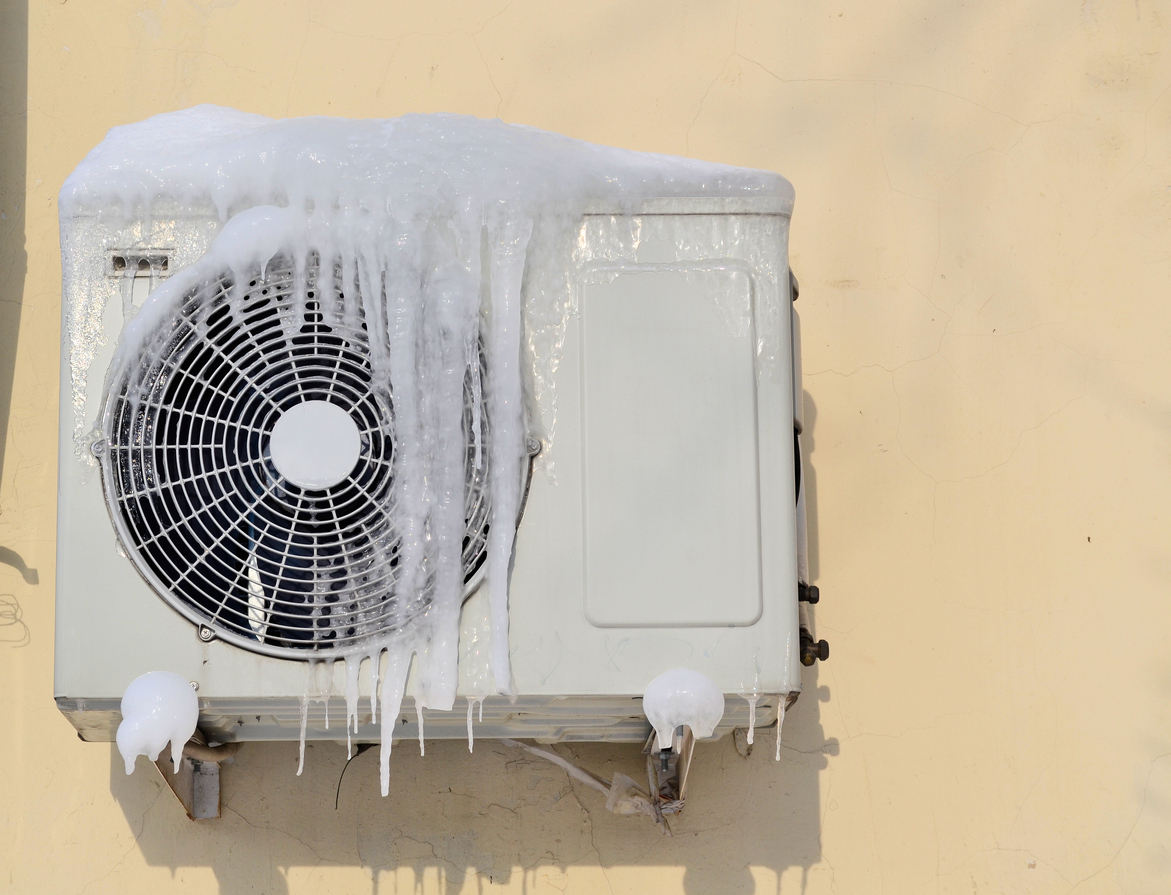
  • Freezing around the AC coils
  • Abrupt and frequent shutdowns


If you notice any of these issues, it’s time to call the best air conditioner repair Cedar Hill, TX, can provide: the HVAC experts at Dial One Johnson Plumbing, Cooling & Heating. Although it may be tempting to look up DIY fixes, we wouldn’t recommend it. If you’re not familiar with common causes of AC problems, you could cause further damage that results in even more expensive repairs. 

Schedule Regular AC Maintenance to Avoid Costly AC Repairs

When your air conditioner is giving you warning signs that it’s on the fritz, you should listen. Making the necessary repairs now improves AC function and also saves you time, money and worry. Instead of Googling, “ac repair cedar hill tx,” and risking subpar, expensive services, call the name you can trust: Dial One Johnson Plumbing, Cooling & Heating. 


At Dial One, we provide fast, quality services at affordable prices. Concerned you can’t afford air conditioner repair? Dial One offers multiple financing options so that you never have to go without the maintenance you need. Contact us online to schedule service or give us a call at 469-240-5618 for emergency repairs.  

Author Bio:
Sherrie Johnson-Hartsock
Dial One Johnson Plumbing, Cooling & Heating is now owned and operated by Sherrie Johnson-Hartsock, with his grandson, Daniel Johnson, a third-generation plumber who is also the Service Manager.
Posted in

Does My Air Conditioner Need a Refrigerant Refill?

The last thing that any homeowner wants to encounter is a faulty air conditioner, especially as the heat rises during the Texas summer. Air conditioning is one of the creature comforts that feels like a must-have to endure our long and brutal summer months, so it makes sense that when your system is showing signs of stress DFW homeowners start to sweat.

One of the most common questions that HVAC technicians encounter when a home is not cooling properly is “do you think it just needs some refrigerant(or freon)?” The answer to that question is a little more complicated than a simple yes or no. Air conditioning units are complex systems that are not designed to last forever. Years of wear and tear can cause issues in a variety of places, including refrigerant leaks. When this happens there are generally larger issues at the root of the problem.

Any AC issues during the Dallas summer can go from uncomfortable to dangerous in a very short amount of time. For over 50 years, the Dial1 Johnson team has been helping North Texas homeowners get their AC units back on track. With offices across the area, our technicians are always right around the corner.

AC Basics

While the “freon” question is one of the most common that technicians will encounter, it is a bit like putting a band aid on a bullet wound. Sure it might get you through the end of the summer, but you will inevitably be right back to square one before too long. Having some basic understanding of how your AC system works will help you avoid the time and money to have a technician make an emergency service call.

How Your AC System Works

The mechanics of a home’s air conditioning system is complex, but the overall concept is relatively simple. The two units, one inside(the evaporator) and the other outside(the condenser) of the home, work together to remove hot air and cool the forced air that keeps a home at a comfortable temperature.

The Role of Refrigerant

Within this cyclical process, refrigerant is one of the biggest catalysts that make the entire process possible. As the refrigerant moves through the outside condenser coils it creates condensation and cools. When it is pushed back into the inside unit, it interacts with the warmer air that the home is working to remove and draws out the excess heat. 

The Truth About Refrigerant Refills

This gets us to the inevitable question of refills. As mentioned, the answer is more complicated. Technically yes, your system could be low on refrigerant. However, this usually points to a leak. AC systems are closed systems, meaning they do not require periodic freon refills. When the system is built it includes enough refrigerant to last the life of the unit. If you think that your refrigerant might be low, your next call should be to a licensed technician.

Common Signs Your System is Leaking Refrigerant

Refrigerant leaks are inevitable over time. Every system will eventually start showing signs of wear and tear. Most of the time, these symptoms are easy to recognize, allowing homeowners to act quickly and get out in front of the problem. Here are some of the most common signs that you might need air conditioning service repair related to a refrigerant leak.

  1. Warm air coming from your vents
  2. Energy bill spikes
  3. The refrigerant line is iced over
  4. Frozen coils
  5. Hissing sound coming from the refrigerant line

Should any of these symptoms appear, consult with a trained professional and determine the best course of action for your system. Newer units are frequently covered under the manufacturer’s warranty, but if your unit is older, the most cost-effective strategy might be a system replacement.

AC System Do’s and Don’ts

Let’s face facts. The amount of misinformation about DIY home repair solutions is enough to make your head spin. Responsible homeowners know that when it comes to AC repair or replacement, only a trained professional should be consulted. Even then there are a number of red flags to keep in mind.

System Charge Scam

One of the most common ways that homeowners are scammed by HVAC companies is by doing a “system charge.” In this situation, the technician only refills the refrigerant without ever actually fixing the problem. Again, putting a band aid on a bullet wound. While the charge might last you a couple of months, or enough to get you to winter, you can bet your bottom dollar that you will be going through the process next summer.

Not only is this a stop-gap solution, but it is also terrible for the environment. Ethical technicians will take the time to diagnose the issue properly and prevent any long-term damage to your air conditioning unit.

DIY Repairs

The conversation with any home repair will eventually turn to DIY options if only to save a few bucks. The problem with taking a DIY approach is that the average homeowner is not equipped, or licensed, to handle refrigerant, let alone fix the leak. As a rule of thumb, anytime your AC is in question, turn to a trusted HVAC technician.

Finding DFW AC Service

Air condition repairs shouldn’t make a homeowner sweat. With a little help from a local technician, your system should be up and running in a short period of time. The most important thing that can be done is to schedule annual maintenance appointments to prevent a full-scale emergency. During these checkups, a licensed technician will be able to find potential problems and address them before they cause the system to perform inefficiently or grind to a screeching halt.

Decades of experience have led the Dial1 Johnson team to be one of the most trusted in the AC repair business. Whether your system is needing a complete overhaul or you are just doing your diligence through routine maintenance, we are happy to help.

Posted in

Five Basic Components of an Effective Air Conditioning System

Summer months always seem a bit longer in the Dallas area, and when the mercury starts to rise, Texans take refuge in their homes. For the better part of the last century, air conditioning systems have made the dog days of summer much more enjoyable. Having a properly working air conditioning system not only keeps your family comfortable, but during extreme heat, it can be a lifesaver.

Of a home’s major systems, HVAC systems are among the most complex. They remove heat from inside your home and disperse cooled air to regulate the temperature even as the outside heat reaches into the triple digits. Having a basic understanding of how your system works is part of homeownership, and while some maintenance can be managed by any DIYer, repairs should be left to the professionals.

AC on the fritz? Does your home feel like it is struggling to say cool? Regular maintenance or emergency service, know that the Dial1 Johnson team has you covered. With offices across the metroplex, we can solve any Waxahachie air conditioning issues.

Components of an Air Conditioning System

The majority of homeowners know that there is an outside unit and an inside unit that comprise their Waxahachie air conditioning system. This article is meant to go a bit deeper into the major components to help you understand each of their functions and why maintenance is critical to keep everything working in unison. 

Compressor

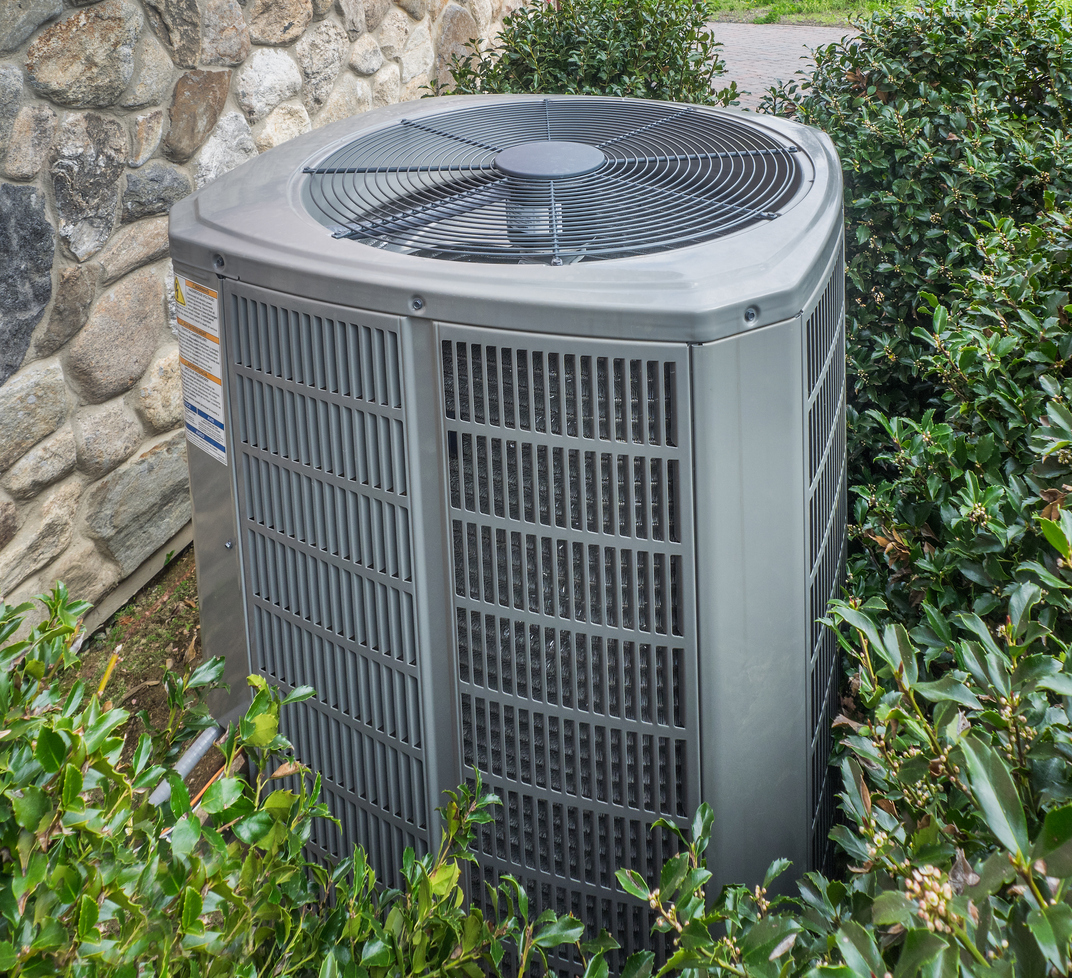
Starting with the outside of your unit, the first major component that you need to know about is the compressor. Compressors take low-pressure gases and compress them into a high-pressure gas, or refrigerant. The refrigerant maintains a high temperature until it passes through the condenser.

If we were to compare your air conditioning system to your car, the compressor would be the engine. It is the driving force behind the AC and like your car engine, should be regularly maintained by a professional technician at least once a year.

Condenser Coils

Once the high-pressure gas exits the compressor, it passes through the condenser coils where a fan cools the gas and is transformed into a cooled liquid. At this point, the liquid is ready to be sent to the inside unit.

When problems arise with your condenser coils one of the two following areas is generally to blame. The fan plays a critical role in pushing the high-pressure gases through the condenser. Should the fan not be able to get adequate airflow, the system will not work properly. Make sure to keep debris away from the unit, and keep the grass trimmed to provide optimal ventilation.

The other problem area is the fins located on the outside of the condenser. These can easily become bent or damaged, preventing the system from dispersing heat and cooling the liquid refrigerant. The fins are extremely sensitive and repairs should only be made by a licensed technician.

Evaporator

As the depressurize liquid refrigerant enters the inside unit it will pass through the evaporator where it is converted back into a gas called the working fluid, or refrigerant. The working fluid pulls heat from the air in your home and returns it to the compressor to be dispersed outside. The process forms a cyclical pattern helping to maintain the temperature inside your home.

Air Handler / Blower Unit

Chances are you have noticed that your home is equipped with two types of vents. One which is located near your HVAC system is the intake vent, which feeds the air handler. This portion of the system is constantly working to pull out the excess heat and pass through the evaporator.

Once the air is cooled, it is pushed through the blower unit so that it can be passed through the home’s duct system and provide cooled air to every corner of the house. When working together your home’s temperature will rarely fluctuate.

One of the most important maintenance items that homeowners can easily do themselves related to the air handler, is to regularly replace the air filter. Proper airflow is needed and over time dirt, dust, debris, pet hair, and more can clog your filter. 

Pro-Tip: Match your air conditioning system’s air filter to your lifestyle. There are dozens of options to choose from including those specifically designed for homes with pets, etc. 

Thermostat

Thermostats, though smaller, play a vital role in the transfer of air through your Waxahachie air conditioning system. We could spend an entire article, and we did, on the subject. In short, the thermostat monitors and manages the temperature inside your home. These can be as simple as a slider that dictates the temperature or as complex as your smartphone.

When selecting a thermostat it is important to check the compatibility with your system. Rather than going through the process only to be frustrated when it doesn’t work, simply reach out to your trusted AC technician and ask for suggestions. Not only will they be able to point you in the right direction, but they will also know what has worked best for other homes in the area.

Air Conditioning Repair Waxahachie, TX

With warmer temperatures stretching out for more than six months of the year, having a properly working air conditioning system is mission-critical for any Texas home. Most manufacturers require regularly scheduled maintenance to maintain the factory warranty, but even if your system is older, it is always a good idea to have a technician check it out once a year. Take the time to do maintenance during cooler months to save an emergency call when temperatures skyrocket and technicians are stretched thin.

Whether you are looking for general maintenance or are in need of emergency AC service, the Dial1 Johnson team is only a short call away. With offices across Ellis County and the greater Dallas area, our team of professional technicians can have your home up and running before you break a sweat. To learn more about Dial1’s services, or to schedule an appointment visit our website.

Author Bio:
Sherrie Johnson-Hartsock
Dial One Johnson Plumbing, Cooling & Heating is now owned and operated by Sherrie Johnson-Hartsock, with his grandson, Daniel Johnson, a third-generation plumber who is also the Service Manager.
Posted in

What Causes an Air Conditioner to Freeze Up?

When late summer temperatures reach blistering highs, you depend on your air conditioner not only to keep your home comfortable, but also to keep you safe from hazards such as heat exhaustion. If your air conditioner keeps freezing up, it’s more than an inconvenience — it’s a potential health concern. It might seem counterintuitive that a freezing air conditioner could be a bad thing; afterall, wouldn’t a colder unit be better at producing cold air? Unfortunately, that’s not the way it works. Air conditioners are more complicated than most people realize, and they depend on the smooth functioning of several mechanisms. Keep reading to learn why your air conditioner keeps freezing up, as well as how to get it running at full capacity again. 

Is a malfunctioning AC system causing you to sweat? You need the best AC repair Desoto, TX, has to offer, the HVAC experts at Dial One Johnson Plumbing, Cooling & Heating. Call us today at 469-518-4211 to request service. 

How Your AC Works: The Basics

If you don’t understand how your air conditioner works, don’t feel bad — most people don’t. However, if you’re dealing with constant AC issues, it’s important to learn the basics so that you can start to diagnose the problem. Here are the main mechanisms that a split AC system (the standard central AC used in most homes) uses to produce cold air: 

  • Evaporator. The evaporator absorbs warm air from your house and pulls it over the evaporator coil, which contains cold refrigerant. The refrigerant extracts heat from the warm air and converts it into a low-pressure gas.
  • Compressor. From the evaporator, the low-pressure gas moves to the compressor. The compressor raises the temperature and pressure of the gas to encourage its movement to the condenser. 
  • Condenser. Once in the condenser, the high-temperature gas passes over the condenser coils, which carry off the heat. The remaining gas condenses into liquid form and travels back to start the process again. 

Top Reasons Your AC Freezes Up

As you can tell, your air conditioner relies on several different parts functioning at full capacity. If one of the parts malfunctions, the whole process is in jeopardy. A broken part or low-functioning component can cause the evaporator to cool the refrigerant too much, which is what causes it to freeze and ice over. Although many issues can cause your AC to freeze up, there are a few common offenders. 

Blocked Air Flow

If your air conditioner doesn’t receive sufficient air flow, humidity could settle on its coils and cause them to freeze. One of the things that stifles air flow is an excessively dirty filter, so if you haven’t changed it in a while, this could be your issue. The first thing you should do is turn off your AC to prevent further damage, then check your filter. If it’s clogged and dirty, replace it while your air conditioner is thawing. After a couple hours, turn it off and see if the issue has improved. 

If it hasn’t, you could be looking at a larger issue, such as a collapsed air duct, bad blower motor or low voltage to the fan. To assess the situation quickly, you’ll need to contact an emergency HVAC specialist from the best AC repair Desoto, TX, has to offer — Dial One Johnson Plumbing, Cooling & Heating

Blocked Coils

Running an AC system with a dirty filter (or no filter at all) has another risk: blocked coils. When dirty air blows across coils that are wet with humidity, dust sticks to the coils, forming a thick layer of grime. This layer of grime insulates the coils, trapping excessive cold inside and creating an icebox effect. You can easily prevent blocked coils by regularly changing your air filter. 

Low Refrigerant Levels

Refrigerant is an essential component of your air conditioner; without it, your AC won’t blow cool air. If your AC’s refrigerant is low, there could be a kink or leak in the refrigerant line. The latter could cause the refrigerant to expand too much and become cold, which can freeze your AC. Even if a leak doesn’t result in an immediate freeze, it will put extra strain on your air conditioner, causing it to break down prematurely. 

Refrigerant leaks are a main cause of AC malfunctions in the summertime. If you suspect a leak, it’s important to call a trained HVAC professional from Dial One to assess the situation, as refrigerant can cause ecological damage when improperly handled. 

Cool Nights

As we head into fall, nights should start to get a little cooler again. It’s important to check the forecast and look out for cool nighttime temperatures, as lower temperatures can drop the air pressure in your AC, causing it to freeze. Luckily, there’s an easy fix: when temperatures are moderately cool, turn off your AC and open some windows. 

There’s an easy way to avoid an expensive air conditioner repair in Desoto, Texas — call Dial One Johnson Plumbing, Cooling & Heating to schedule essential AC maintenance. Our HVAC specialists check filters, fluid levels, fans and more to ensure your AC is working properly. 

Call a Desoto HVAC Specialist

When it comes to AC problems, diagnosing the root cause isn’t always an easy task. Fortunately, you don’t have to figure it out on your own. An experienced HVAC technician from Dial One Johnson Plumbing, Cooling & Heating can come look at your unit and start problem-solving right away. Whether you need a minor repair or a full AC replacement, our Desoto air conditioner repair specialists have got you covered. 

Need an emergency fix? Not a problem! Dial One is proud to offer 24-hour, emergency HVAC services in Desoto. We know that HVAC issues arise at inconvenient times, which is why, in addition to emergency services, we offer multiple financing options. If you’re ready to get the cool air flowing again, contact us online to request the best AC repair Desoto, TX, has to offer. You can also give us a call at 469-518-4211, 24 hours a day, seven days a week.

Author Bio:
Sherrie Johnson-Hartsock
Dial One Johnson Plumbing, Cooling & Heating is now owned and operated by Sherrie Johnson-Hartsock, with his grandson, Daniel Johnson, a third-generation plumber who is also the Service Manager.