
Experiencing an emergency? Call 972-914-0833

Ready to Experience the Dial One Johnson Difference?

Your go-to resource for HVAC and plumbing solutions, DIY guides, and home maintenance tips.

Got an emergency? Call 972-914-0833 or …

Explore by topic:
Posted in ,

Why Heating and Plumbing are Both Important In The Winter

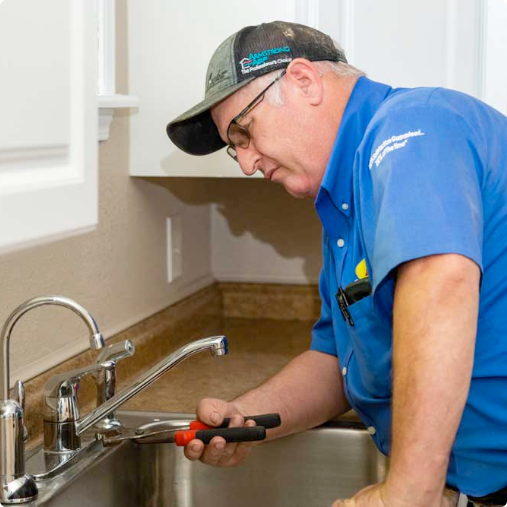
With the winter months approaching, it’s important to make sure your heating system is up and running. The cold weather can cause pipes to freeze and burst when they are exposed to extreme temperatures. It’s also a good idea to check that your plumbing, in general, is working properly before the cold sets in. You can do this by searching “plumbers near me” through Google and scheduling and service call with a plumbing technician. Below we will discuss how you can make sure your heating and plumbing systems work together without any issues, no matter what the weather has in store for us this season.

Why is it Important to Have a Heating System in the Winter?

It is the primary source of heat in your home during this time. If something goes wrong with it, you will have to rely on other means for warmth which can be expensive and dangerous. Here are some tips for keeping things running smoothly all winter long:

  • Keep vents clear – A clogged vent restricts proper airflow, wasting energy and making your unit work harder than it should. It may also cause temperature differences in different rooms of the house, making you uncomfortable and dissatisfied.
  • Clean or replace filters – A dirty filter prevents air from flowing back into your heating system, again making it perform beyond standard levels for hours on end. It also makes your home smell unpleasant and can cause respiratory problems if left uncleaned for too long. 
  • Keep things level – When you install your system on a slant, the airflow will be uneven, increasing the likelihood that your heating unit will break or malfunction.
  • Maintain the temperature – It is best to keep a consistent temperature throughout your home if you want to be comfortable. This necessitates an even distribution of heat from all vents so that everyone can enjoy themselves and stay warm without having too much or too little heat inside their rooms.

Heating your home this winter is vital to ensure it stays at the right temperature no matter what. Heating and plumbing should be done in tandem so that everything runs smoothly, efficiently, and without issue. If you notice something wrong or are concerned about how things are working out for you, contact a professional who can help diagnose any problems with your unit and figure out a solution to keep everything going smoothly.

Why is Your Plumbing System Important in the Winter? 

It makes it possible for you to access running water even when things around you are frozen solid. If something goes wrong with this vital part of your home, there will be no way for anyone inside or outside of your home to have access to running water. Here are some tips for keeping things going smoothly this winter:

  • Don’t leave the faucet on – If you want to prevent frozen pipes, it is best not to leave a tap or hose turned on and left unattended near an area that freezes easily. This includes garages outside of your home or any other area where it is exposed to the elements. 
  • Close your basement – This will keep moisture levels low, making it less likely for water to freeze inside the pipes and cause damage due to expanding ice. It also helps you avoid excess humidity inside your house that could lead to mold growth if left unchecked.  
  • Insulate exposed pipes – Exposed pipes and hoses are more likely to freeze than those that are not left in the open during the winter months. If you have insulation around them, it will help prevent this from happening so easily, keeping your plumbing system working well for years. 
  • Make sure your system is leveled – Even temperatures throughout your home are important, so keep your plumbing system level as well. This means that you should not have any raised or lowered sections of piping anywhere in the house, which helps with even water pressure and flow throughout all areas at all times.

How Your Heating and Plumbing Work Together

Heating and plumbing systems are critical to the comfort of your home, but they also work together. Your heating system will not function optimally without proper drainage, which is where your technician comes in. If you’re having problems with any sort of clog or drain issues that may be preventing water from flowing freely through your pipes, then you need to seek professional help. 

You also want to make sure that your plumbing and heating systems are properly vented together, which means you’ll either want a twin or double-walled venting system for both. This will ensure the best airflow while simultaneously protecting against carbon monoxide poisoning.

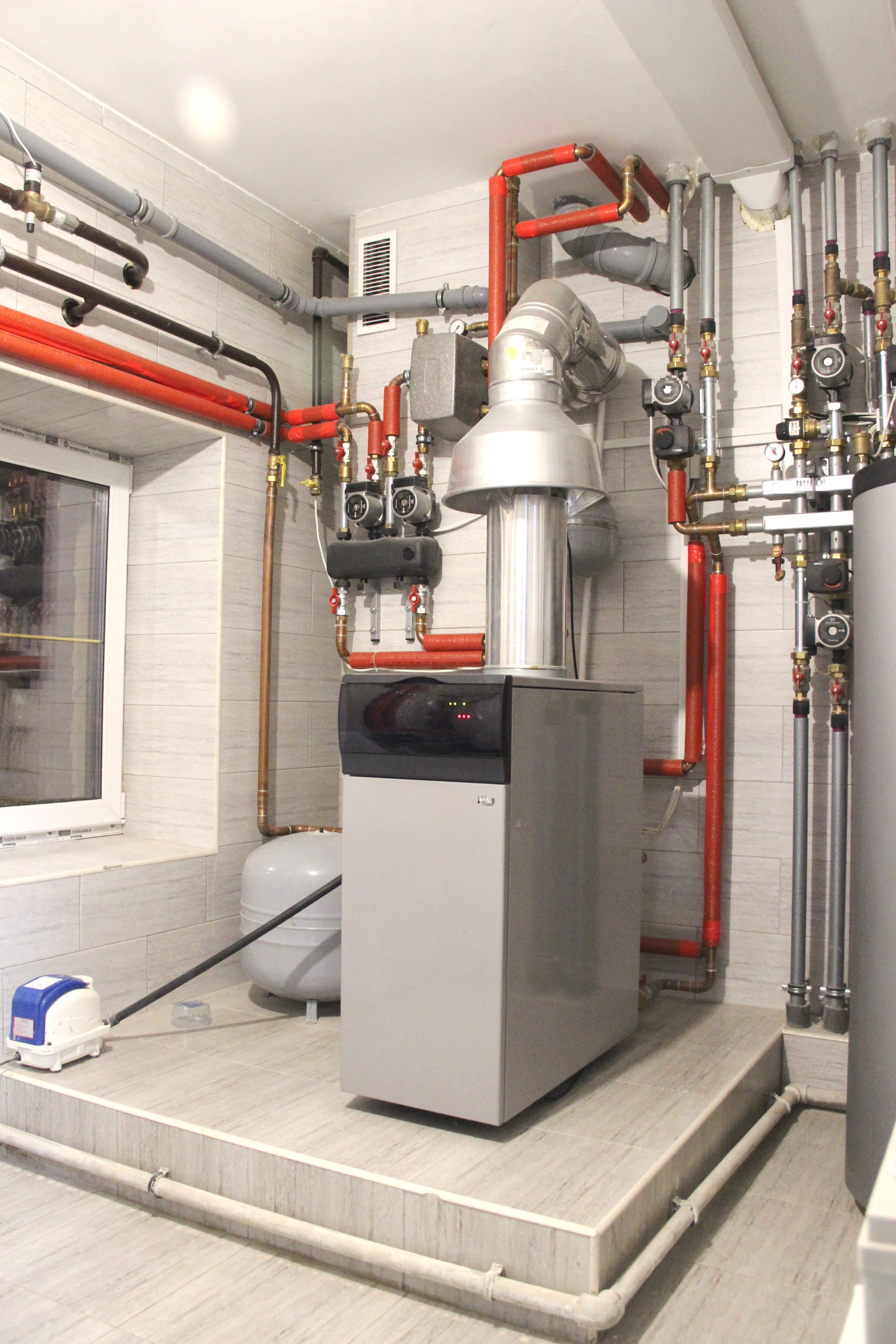
Suppose you have a gas or oil-fired boiler. A technician can inspect all components of your home’s heating and plumbing systems, including the furnace. In that case, they’ll check to ensure that all components are working efficiently at the maximum output while minimizing energy consumption.

Your technician can also help with routine maintenance of your home’s heating system by doing things like cleaning out your registers and radiators.

With a technician on your side, you can rest easy knowing that any issues that may arise with either of these systems will be handled quickly and professionally. Your heating system will work as efficiently as possible while keeping your home warm during the cold winter months, and all drain clogs or other plumbing problems will be taken care of before they become a major issue.

Did you know? The best way to find a plumbing technician in your area is to type “plumbers near me” into Google? You can find all sorts of helpful information about plumbing and heating at your fingertips. Learn more by visiting us today!

Maintaining Your Heating And Plumbing Systems

During the winter, homeowners should always keep their heating and plumbing systems in good working order. This is especially true for those who live in colder climates, where snow and ice can interfere with your system’s functionality, even if it appears to be working properly. Keeping up with routine maintenance will ensure that you are prepared to deal with any problems that arise.

Dial One Johnson Plumbing, Cooling, and Heating is available to assist you at any time of day or night. We provide emergency HVAC and plumbing repairs and services 24 hours a day, seven days a week. Our technicians are always well-equipped with the tools and parts they require to handle everyday emergencies. Please do not hesitate to contact us for dependable service that will get the job done. Remember, typing “plumbers near me” into Google is your best resource to find the best plumbers in Red Oak, TX!

Author Bio:
Sherrie Johnson-Hartsock
Dial One Johnson Plumbing, Cooling & Heating is now owned and operated by Sherrie Johnson-Hartsock, with his grandson, Daniel Johnson, a third-generation plumber who is also the Service Manager.
Posted in

Different Types of Ductwork

If a homeowner takes an out-of-sight, out-of-mind attitude toward repairs, there’s one part of the HVAC system that will suffer more than the rest: the ductwork. Unless the ceiling is exposed, the air ducts are invisible in most homes, tucked neatly behind the walls. However unseen, air ducts play a crucial role in HVAC systems and can affect everything from indoor air quality to electric bills. 

There are certain times when ductwork can’t be ignored, namely when it needs to be replaced or repaired. If you’re in the process of choosing new ductwork for your home but know absolutely nothing about it, don’t worry. Dial One Johnson Plumbing, Cooling & Heating can go over your options. Keep reading to learn about ductwork, its various forms and how to know when your home has a ductwork issue. 

Need the best AC service Duncanville, TX, can provide? Look no further than Dial One Johnson. Our HVAC experts can perform any maintenance, repair or replacement you need. Contact us online to schedule service

What Is Ductwork? 

Air ducts are basically the hallways conditioned air moves through before reaching the vents.  Although we can’t see it, ductwork is responsible for transporting heated or cooled air from the HVAC system to various rooms throughout the house. 

There are a few different types of air ducts that will work in commercial and residential buildings, and each type has distinct advantages and disadvantages. The type of ductwork that’s best for your home will depend on your HVAC system, and you may need a professional HVAC technician to help you determine the best fit. There are two primary types of ductwork: flexible and rigid ductwork.

Flexible Ductwork

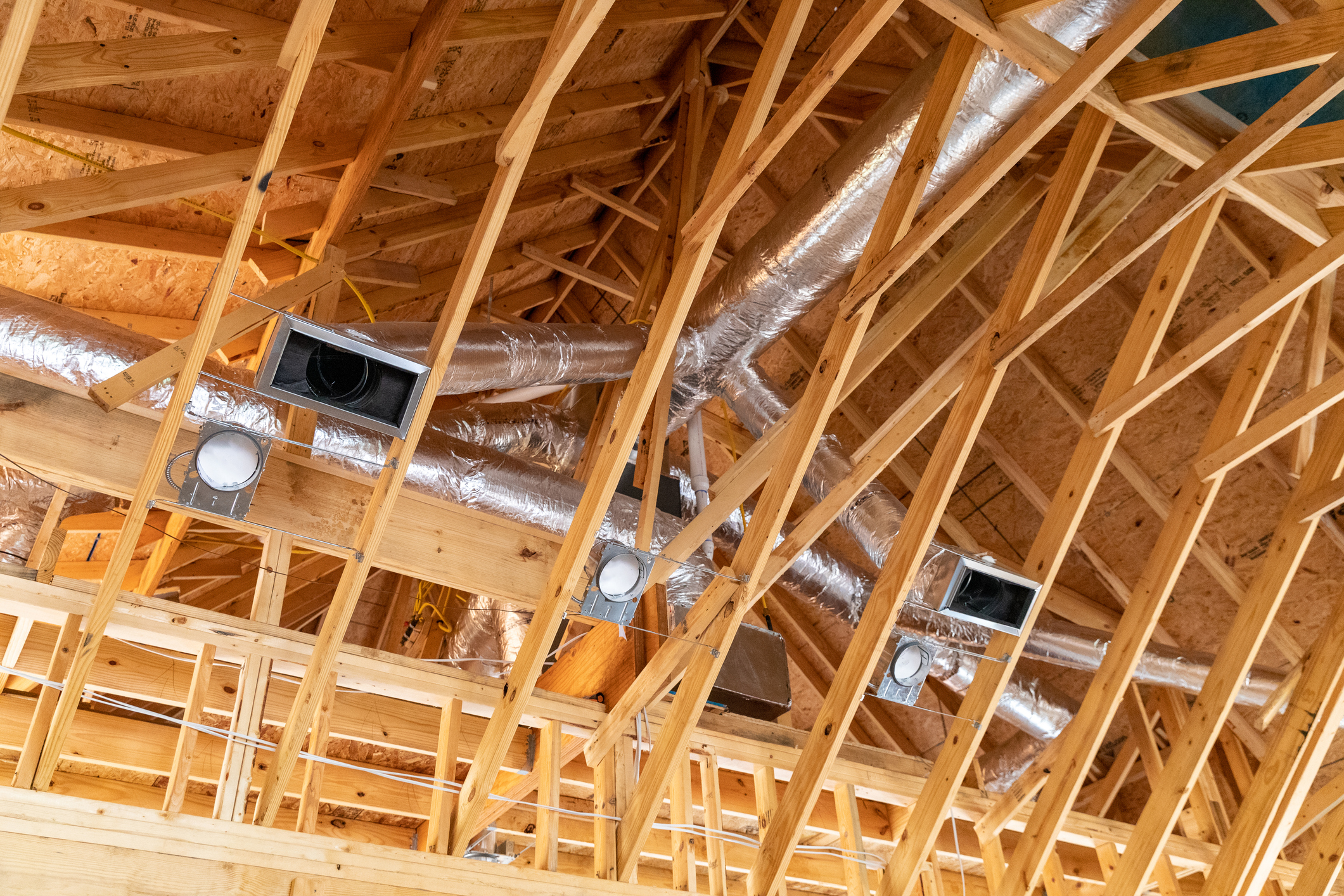
Have you ever been in a building with an exposed ceiling and seen what looked like puffy, metallic tubing near the ceiling? That’s flexible ductwork. Flexible ductwork is made of steel wire helixes covered in a durable, flexible plastic. As far as air ducts go, flexible ductwork is generally easy to install and more affordable than most types of rigid ductwork. It’s also resistant to mold and rust and easy to clean. 

Flexible ductwork is ideal for tight or awkward spaces where rigid ductwork would be a nightmare to install. It can bend around fixed structures and work in even the trickiest spaces. However, its bends and kinks can reduce airflow, which can be hard on an HVAC system. Additionally, flexible ductwork is much easier to puncture and tear than rigid ductwork.

Rigid Ductwork

Rigid ductwork encompasses a few distinct subcategories and can be made from many materials. Rigid ductwork can be rigid or cylindrical. Unlike the cylindrical air ducts found in flexible ductwork, these do not bend and appear smooth, rather than puffy. 

Rigid ductwork doesn’t bend, so there’s no risk of kinks or bends obstructing airflow. Unlike flexible air ducts, rigid ductwork can’t be punctured or torn. However, it also can’t be easily installed in tricky spaces. There are three main types of rigid ductwork: sheet metal ducts, fiberglass-lined ducts and fiberboard ducts. Each type comes with distinct advantages and disadvantages. 

Sheet Metal Ducts

Sheet metal ducts are typically made from galvanized steel or aluminum. Aluminum air ducts are lightweight, which makes them easy to install. Like flexible ductwork, sheet metal ducts are mold-resistant, which means better air quality. Although sheet metal ducts are durable, they are more likely to experience leaks where two sections are joined than other types of air ducts. 

Pros of Sheet Metal Ducts

  • Easy to install
  • Mold-resistant
  • Not easily crushed, torn or punctured
  • Easy to clean by yourself

Cons of Sheet Metal Ducts

  • Prone to leaks at section joints
  • Louder than insulated air ducts
  • Can’t always keep air at the desired temperature

Fiberglass-Lined Ducts

Fiberglass-lined ducts are essentially sheet metal ducts with fiberglass lining on either the inside or outside. The lining works to keep the air at the correct temperature and prevent condensation. It also helps muffle the sounds of the HVAC system, making it ideal for offices and commercial buildings. The downside to the fiberglass insulation is that it can deteriorate over time and worsen indoor air quality

Pros of Fiberglass-Lined Ducts

  • Able to keep air at the correct temperature
  • Prevents condensation
  • Quieter than uninsulated air ducts

Cons of Fiberglass-Lined Ducts

  • Releases fiberglass particles over time
  • Requires professional cleaning services
  • Prone to mold, mildew and bacteria growth

Fiberboard Ducts

Fiberboard ducts are made from compressed fiberglass fibers that have been sealed to prevent fiberglass particles from escaping. The outside of fiberboard ducts are covered with foil, which prevents air and moisture from touching the fiberboard. Of all the types of air ducts, fiberboard ducts are the least expensive to install. However, they are prone to mildew, and because they are rough on the inside, they can cause friction in airflow. 

Pros of Fiberboard Ducts

  • Naturally insulated
  • Least expensive ductwork
  • Doesn’t release fiberglass particles

Cons of Fiberboard Ducts

  • Prone to mold and mildew growth
  • May cause friction in airflow
  • Reduced HVAC efficiency

Signs of Ductwork Issues

All types of ductwork need maintenance from time to time. If you never schedule ductwork maintenance, you could have an air leak that’s driving up your utility bills and never know it. Additionally, if you never clean your ductwork, you’re opening yourself up to dangerous mold exposure and poor air quality caused by excessive dust or bacteria. 

Unfortunately, it’s not always easy to know when you need ductwork maintenance. Afterall, you can’t even see it. Look out for these common signs of ductwork issues: 

  • Unusual noises, like whistles and hums (not the regular roar of starting up)
  • Unbalanced air temperature, cool and warm air coming from the vents
  • Reduced airflow, in some vents or in all vents
  • Cold or warm spots that form on floors and walls 

When you notice any of these signs, it’s time to call the most experienced AC service in Ducanville, TX, can provide: Dial One Johnson. Call us at 972-291-0740, and we’ll send an HVAC expert out to examine your air ducts. 

AC Service Duncanville, TX

Even though you don’t see them, air ducts play a mighty role in your HVAC system. That’s why it’s important to schedule regular air duct maintenance. When you need Duncanville air conditioning and air duct services, look no further than Dial One Johnson. We have the expertise to quickly assess and fix any HVAC issue you’re dealing with.

Author Bio:
Sherrie Johnson-Hartsock
Dial One Johnson Plumbing, Cooling & Heating is now owned and operated by Sherrie Johnson-Hartsock, with his grandson, Daniel Johnson, a third-generation plumber who is also the Service Manager.

Posted in

Will My AC Freeze If I Lower the Thermostat Too Far?

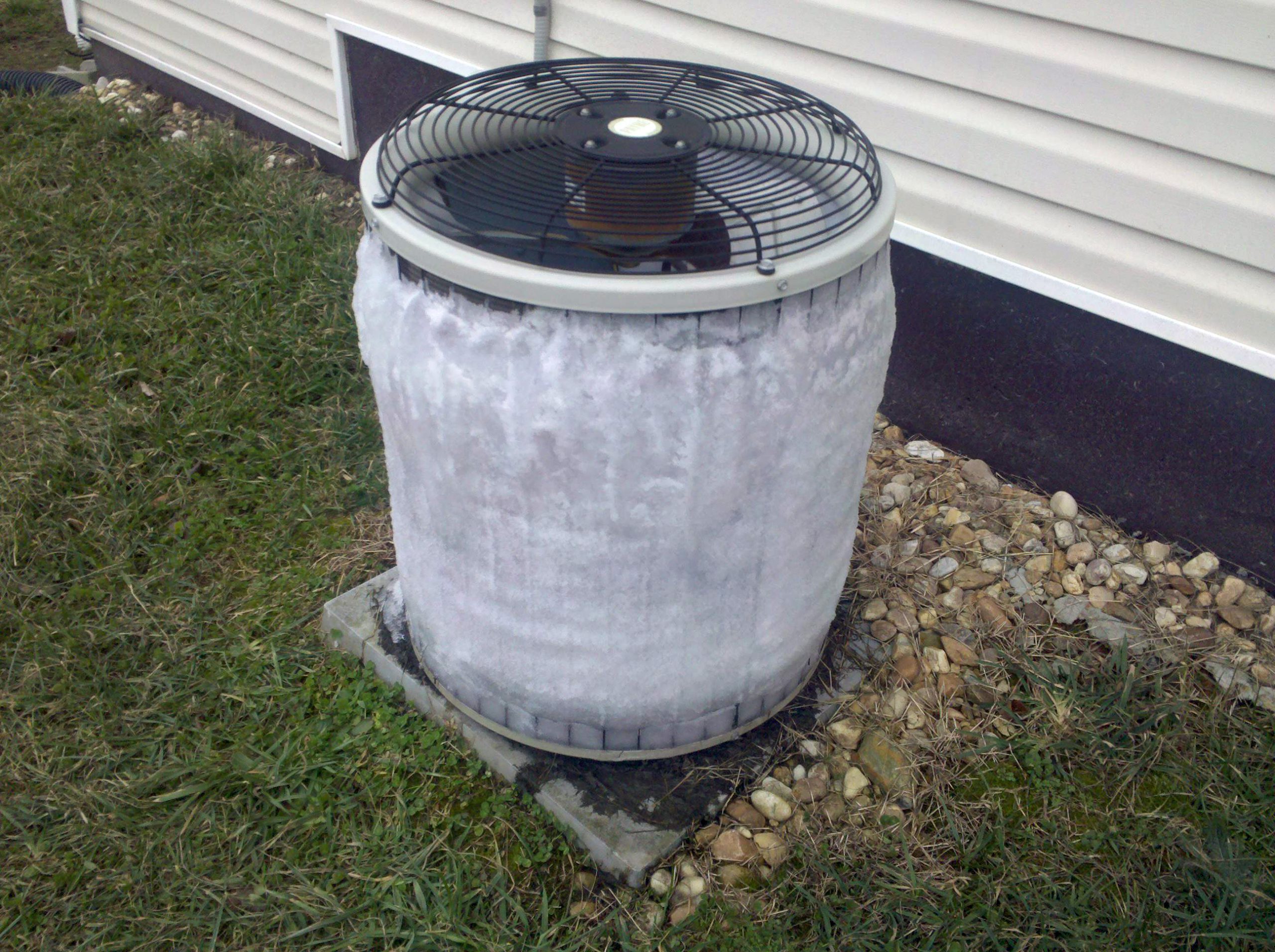
Few HVAC issues perplex homeowners more than the frozen air conditioner. After all, no one runs their AC when it’s cold outside (let alone during freezing temperatures), so how could it have frozen? As strange as it seems, an air conditioner can ice over on even the hottest summer day, because it’s not about the outdoor temperature — it’s about what’s happening inside the air conditioner.

If you’ve ever come home to find ice on your air conditioner, you need to pay attention to what it’s telling you. A frozen AC is a sign that something is seriously wrong, and failing to address the issue could cost you a ton in repairs or require a full AC replacement. Keep reading to learn why your air conditioner keeps freezing and what you can do to stop it.

If your air conditioner keeps freezing, you need help from the best in the business: Dial One Johnson Plumbing, Cooling & Heating. Our experienced technicians are ready to provide fast, affordable service for all your HVAC needs. Call us today at 972-291-0740.

Did I Set My Thermostat Too Low?

You’ve probably heard stories about people whose air conditioners froze after they set the thermostat too low. This sounds unbelievable, but it does happen, especially in higher altitudes. This is why many HVAC experts say you shouldn’t lower your thermostat below 72 degrees during warm months or below 78 degrees in the hot months.

If you’re used to cranking the AC when it’s hot outside, you may be thinking that 78 degrees sounds pretty uncomfortable. However, HVAC experts recommend this for a good reason, namely the fact that air conditioners can only effectively cool a space to 20 degrees lower than the outside temperature. After ACs reach that 20-degree mark, their ability to cool wanes considerably, and they have to work much harder.

Setting your thermostat higher in the summer will prevent unnecessary wear and tear on your system, lower your utility bills and prevent your AC from freezing. However, a low thermostat setting is not the main reason that ACs freeze.

Why Does an AC Freeze?

When we talk about air conditioners freezing, we’re really talking about the evaporator coil freezing. Although the freeze can spread to other air conditioner components and cover them in ice, it starts at the coil. Many issues can cause the evaporator coil to freeze, but they all boil down to insufficient air flow.

The evaporator coil absorbs heat from the home’s indoor air and works with the condenser coil to exchange the warm air for cold air. The evaporator coil is essentially a cluster of refrigerant coils that contain refrigerant, a chemical that can get as cold as 10-20 degrees Fahrenheit.

When everything is functioning normally, warm, unconditioned air passes over the evaporator coils, and the heat prevents ice or frost formation. However, when there’s a lack of warm airflow, the evaporator coil gets too cold and eventually ices over. The ice then spreads to the refrigerant lines.
When you need fast AC repair, experts at Dial One Johnson are ready to make it happen. Whether your AC keeps freezing, doesn’t blow cool air or shuts off frequently, our experienced technicians can fix the issue or offer appropriate AC replacements.

Warning Signs of Frozen AC Coils

If your air conditioner is at risk for freezing, you may be lucky enough to spot some warning signs before major damage is done. If you notice any of the following symptoms, your evaporator coils could be vulnerable to freezing:

  • Heat. The first thing you’re going to notice with most AC issues is that it’s hot in your house. If you can get to your AC unit to inspect it for ice, you should.
  • Weak airflow. Weak airflow can be both a warning sign and a cause of frozen coils.
  • Moisture. Does your home feel muggy? Frozen AC coils could lead to a buildup of moisture and raise your indoor humidity levels.

If you notice any of these warning signs, it’s important to call for the best AC repair available. Spotting the problem early could prevent major damage and may even save you from having to replace the unit.

Top Causes of Frozen AC Coils

Barring a refrigerant leak (which can quickly cause any air conditioner to freeze over), almost every other reason for frozen AC coils has to do with insufficient air flow. Here are some of the top reasons your air conditioner freezes:

  • Dirty air filter. A dirty or clogged air filter makes it difficult for air to flow through the AC. This not only puts strain on the entire air conditioner, but it also means that the evaporator coil isn’t being sufficiently warmed by any incoming air.
  • Obstructed condenser unit. Outdoor condenser units can get obstructed by leaves and debris, effectively halting air flow. Even systems in mechanical rooms can get obstructed when equipment or other storage items are placed too close to them.
  • Dirty evaporator coil. Even if airflow over the evaporator coils is good, they can still freeze if they’re too dirty to absorb the warm air.

How to Prevent a Frozen AC

Setting your thermostat to a higher temperature than you’re used to in the summer can help prevent your AC from freezing, but the best way to prevent a frozen evaporator coil is by scheduling regular HVAC maintenance. When you schedule maintenance with a trusted HVAC company, a technician will do a thorough assessment of your system and alert you to any potential problems. They’ll fix small issues like a clogged air filter or dirty coils before they grow into bigger problems.

If you need the best AC repair Desoto, TX, has to offer, look no further than Dial One Johnson Plumbing, Cooling & Heating. Our committed HVAC experts can perform the necessary assessments and offer affordable, appropriate solutions for any air conditioning issue you’re experiencing. Worried you can’t afford our professional HVAC services? Take advantage of our multiple financing options and get the help you need today, with no out-of-pocket expenses. To schedule service, visit us online or give us a call at 972-291-0740.

Posted in

Signs of a Faulty Sensor in Your Air Conditioner

Ideally, you set the thermostat to your desired temperature, and your HVAC system makes it so. However, this isn’t always what happens; sometimes there’s a breakdown in communication. Your AC may blow past the temperature you set on the thermostat and just keep cooling the house, or it may shut off frequently and never achieve the desired temperature. When chaos ensues, what do you do? 

It may feel like a robot rebellion, but your AC is not trying to freeze you out. However, its inability to meet the temperature you set for it does indicate a problem. There are a few different things that could be causing the issue, including a faulty or failing sensor. Keep reading to learn about what causes a faulty sensor and what to do about it. 

What Is an Air Conditioning Sensor?

Ever wondered how your air conditioner knows when it’s met the desired temperature? It knows because it has a sensor. The sensor is a component that sits near the evaporator coils in your air conditioner, essentially acting as a messenger between the thermostat and HVAC system. 

When your AC sucks in air through the return vents, the air passes over the sensor and the coils. The sensor reads the temperature and compares it to the setting on your thermostat. If the sensor reads the air to be warmer than the thermostat setting, it will begin (or continue) to cool your home. If the sensor’s reading is lower than the thermostat setting, it will shut off the compressor. 

Signs of a Faulty AC Sensor

If your sensor stops reading the temperature accurately, your AC and thermostat can’t communicate with each other. Without any input on when to blow and when to stop, your rogue AC could start to behave very strangely, and you’ll be at its mercy. 

One of the most common signs that a sensor is broken or failing is that your air conditioner will continue to cool your home, even after reaching the desired temperature indicated by the thermostat. So if you ever come home from work one day in July to find your home at a cool 62 degrees, the sensor is the first thing to investigate. 

Another common sign that your sensor is on the fritz is that your AC will turn on and shut off frequently. This short-cycling can happen when the sensor gets dislodged in a way that disturbs your AC’s on-off cycles. However, a faulty sensor isn’t the only reason that an AC starts to short-cycle, so it’s a good idea to contact an experienced AC technician. 

When you’re concerned about your HVAC, Dial One Johnson is here to investigate the situation. Whether you need air conditioner repair, maintenance or a full AC replacement, our trusted HVAC experts are up to the challenge. 

What Causes a Faulty Sensor?

More often than not, sensor issues arise when something has knocked the sensor loose. When the sensor is displaced from its spot beside the evaporator coils, it can’t get an accurate read on the air coming through the return vents. Without an accurate reading, the sensor could tell the compressor to keep blowing even after your home is cooled.

Another common cause of sensor issues is a thermostat malfunction. When the thermostat isn’t working properly, the AC sensor could be taking accurate readings but be unable to compare those readings to the thermostat settings. This often leads to a short-cycling issue. 

Common AC Issues

If your AC issues are caused by your sensor, you’re in luck — this is an easy, affordable fix. Just contact the most trusted AC repair, and you’ll be in good shape. However, the signs of a faulty sensor are also signs for a host of other air conditioner problems, including the following: 

  • Refrigerant leaks. Without refrigerant, an AC can’t function. If you have a refrigerant leak, your HVAC system could fail to reach the temperature indicated on your thermostat or run for an unusually long time. 
  • Electric control failure. AC components like the compressor and fan can wear out or corrode over time. This situation is more likely to occur when an AC is oversized and shuts off and turns on frequently. 
  • Drainage problems. If your AC shuts off, doesn’t turn on or is failing to cool your home, you might want to make sure it’s draining properly. If mounted incorrectly, your AC may be clogged or holding water. 

One of the best ways to prevent AC issues is to schedule regular HVAC maintenance. In an effort to help you avoid an unnecessary, expensive AC repair, HVAC experts at Dial One Johnson have set up a maintenance package called the Advantage Plan. When you sign up for the Advantage Plan, you get deep discounts on regular maintenance and repairs, as well as front-of-the-line service. 

HVAC Service

When you need AC repair in Midlothian, the HVAC experts at Dial One Johnson have got your back. No matter what issue is plaguing your HVAC system, our dedicated crew is ready to investigate and offer affordable solutions. Whether you need AC repairs, replacement or just a routine check-up, we’re here for it. 

Concerned you can’t afford our professional HVAC services? We have multiple financing options waiting for you. Just fill out a simple application and get the repairs you need with no out-of-pocket expenses. Ready to get started? Visit us online or give us a call at 972-291-0740 today.

Posted in

Things to Keep in Mind About Emergency Heat

The winter season has arrived, bringing with it snow, ice, and freezing temperatures. A power outage caused by inclement weather is one possibility during the winter months. If an HVAC system heats your home, you should be prepared to deal with an emergency if one occurs. If you are a homeowner who relies on an HVAC system for heat in your home, there’s something important to know about when the power goes out: how to use the emergency heat switch! Whether you’re a homeowner or not, this guide will explain everything you need to know about using the emergency heat switch and any HVAC issue that arises from it.


What is Emergency Heat?

Emergency heat is when your furnace or boiler switches into a heating mode that uses natural gas instead of electricity. When the power goes out, you’ll need to rely on this backup system in order for your home’s temperature not to plummet and become unbearably cold. The emergency heat switch is designed to activate when the temperature drops below a certain level.

If you’re a homeowner, your furnace should have an emergency heat switch to make sure that everyone in the house stays warm. If it doesn’t, the furnace may have to be upgraded to support running with an emergency heat switch.

If you’re a renter, your landlord should have the system set up so that when there is no power or if someone turns off their circuit breaker by accident, they can easily turn on the gas and use this alternate system. If not, then you should call your landlord and notify them of the situation.

Many local municipalities require home heating systems to be equipped with emergency heat switches, as it’s a definite safety concern. If your power goes out and you don’t have an emergency heat switch, nothing is stopping the temperature from plummeting to below freezing levels. This can be extremely dangerous for those who do not know how to build fires or use alternative heating methods such as kerosene lamps or portable heaters.


When Should I Use Emergency Heat?

Emergency Heat should only be used when the heating system has lost its ability to maintain a constant temperature. It is not intended for extended use. If you have been using Emergency Heat, you may need to get your furnace serviced or repaired before turning it back on again. You can also contact an HVAC professional if there are other problems with your heating system.


When Should I Not Use Emergency Heat?

Emergency heat is an extreme measure to take, so you should only turn it on if the furnace has completely stopped working and there are no other options for staying warm in your home. If you have another source of warmth (such as a fireplace), you may not need to use emergency heat. This can cause your system to overheat, which will result in further damage.


How Do I Use Emergency Heat?

If you need to turn on the emergency heat switch on the furnace, locate it and flip it up or down, depending on how much warmth is needed. Your family may also want to wear extra layers of clothing until the power comes back on.


What Should I do if the Emergency Heat Switch Does Not Work?

If you have tried to use your emergency heat switch and it has failed, first make sure that you are using a working energy source (such as a generator) or other forms of heating equipment such as an electric heater. If all else fails, contact a professional HVAC company to ensure that your furnace is safe.

Ten things to keep in mind about emergency heat:

  1. When the heating system has lost its ability to maintain a constant temperature, the emergency heat switch will kick in. It is important to know how this mechanism works and what you can do about it. 
  2. What constitutes an emergency? This may vary from household to household but ranges from a power outage due to bad weather or if someone has fallen ill and cannot sustain their body temperature.
  3. When the emergency heat switch is activated, you should be aware of any indication that it has been activated. This will either come through a loud noise or an irregular ticking sound coming from your furnace’s fan blades.
  4. Know where your circuit breaker for your furnace is located in case you need to shut off electrical power to your furnace when the emergency heat switch has been activated.
  5. Know where your unit’s thermostat is located and what you should do in case it experiences a power outage with no indication that the emergency switch has been engaged. This will be most likely if there is a loss of power to your home, but not necessarily only from bad weather.
  6. It is important to know that the emergency heat switch will only provide sufficient power for your furnace to run for a limited time, so you may need to prepare yourself if heating is still required after this limit has been reached.
  7. Know what you should do in case someone falls ill and cannot maintain their body temperature or if there are children or pets in your home. If you have a fireplace, make sure to keep it well-stocked with wood and never leave it unattended while someone is using the space heater as a backup source of heat for their room.
  8. Know what your home’s temperature is when you have no heat and what kind of preparations to make if it drops below a certain threshold (like keeping an emergency kit stocked).
  9. If someone in your household has allergies or sensitivities that colder temperatures may exacerbate, know where their medications are stored and how to turn on their humidifier. 
  10. Know where your backup heat sources are in case the emergency heat switch fails or is not activated when it should be, like having a fireplace stocked with wood and ready for use at all times, keeping an oven preheated just enough so that if you need to seal off its vents but leave the pilot light on to maintain a small amount of heat, and keeping your backup space heater plugged in at all times.

Providing Emergency HVAC Service for any Situation

Dial One Johnson Plumbing, Cooling, and Heating is available 24 hours a day, seven days a week. No matter what time of day it is or how serious the emergency is, our team will always be available to assist with any HVAC issue that may arise. We have technicians on call who are available at all hours of the day and night to assist you. You won’t be left in discomfort during the cold winter months because we provide a wide range of services such as repairs, replacements, installations, maintenance plans, and more! Get in touch with us today to learn more about what we have to offer.

Posted in

The Role Ducts Play in Indoor Comfort

Every day we use our HVAC systems to keep our homes comfortable. Behind the scenes, though, a lot is going on to keep your rooms at the desired temperature. Part of the system is your air ducts. Let’s take a quick look at how the role your ducts play in keeping your home welcoming and comfortable.

Looking for professionals to service your HVAC in Dallas, TX? Dial One Johnson Plumbing, Cooling and Heating offers all the services you could ever need to keep your system up and running all year round. Give us a call today at 972-291-0740.

The Main Goal: Transporting Air

This one might seem pretty obvious, but it is the main goal of your HVAC system’s air ducts. While the main unit is responsible for cooling and the furnace or heater is in charge of heating, without a pathway to move that conditioned air, it won’t get to your rooms. That’s where your duct system comes into play.

Your ducts help maintain peak efficiency. The proper seals ensure that the only places your cooled or heated air is escaping are the vents. When leaks occur, it usually means your system isn’t performing properly — and you’re using more energy to cool or heat your home.

Signs of Leaks

Leaks are the main concern when dealing with ducts. Of course, that’s not the only thing you’ll need to worry about, but we’ll get to those other problems a little later. So, when it comes to leaks, what are some of the common signs you’ve got an issue?

  • Temperature irregularities with thermostat — While this can be a symptom of other issues, it can mean leaks in your system are wasting efficiency.
  • Persistent hot or cool spots — If you’re noticing certain parts of your home are at different temperatures than others, it could mean leaks are keeping the air from properly circulating.
  • Higher than usual energy bills — You’ll want to keep an eye on your electricity bills. Again, this is a symptom of other HVAC issues but can be a good indicator that your ducts may be leaking.

If you think leaks are the problem, make sure you contact your local air conditioning repair service. Only trained HVAC technicians should deal with duct issues.

How Air Ducts Affect Air Quality

Your air ducts work kind of like your respiratory system. Much like our lungs, the build-up of material can cause some unwanted consequences. In our bodies, this comes in the form of mucus. For air ducts, it’s dust and debris.

Dirty ducts can be a safe harbor for some nasty contaminants:

  • Pollen
  • Dirt
  • Pet dander
  • Other allergens

These contaminants can wreak havoc on individuals with allergies or asthma. Maintaining your ducts is vital to keeping your indoor air quality at optimal levels. Additionally, dirty ducts mean all that dust and debris is just waiting to dislodge and coat your home — making cleaning up your rooms that much harder.

How Often Should You Have Your Ducts Cleaned?

Cleaning your air ducts is a great way to reduce the amount of dust and allergens in your home. How often you should clean your ducts will depend highly on your environment. Houses located in dusty or moist areas, like the desert or near the beach, often have more issues with cleaning than homes in other areas. Other contaminants, like smog and environmental pollutants, mean homes in urban areas may also need more frequent duct cleaning.

Generally speaking, you should have your ducts cleaned about every three years. To do this, contact a company you trust for HVAC in Dallas, TX. Only a licensed technician should perform a cleaning. During this visit, they may go ahead and check for other problems like leaks.

If you suffer from constant allergies or asthma, you may want to keep a more frequent schedule. As a general note, you should keep up with both cleaning the air ducts and regularly changing the air filter. Both of these tasks can greatly improve your air quality and home’s comfort levels. While you should leave duct cleaning to your local HVAC pros, changing your filter is easy to do even if you don’t know the first thing about your air conditioning system.

In most cases, you’ll only need to change your filter every few months. Keep in mind; you’ll want to ensure you’re getting the right size and type of filter. If you don’t, it could mean your system won’t perform at peak efficiency.

Can Dust Damage Your Air Ducts?

Your HVAC system can easily become an out of sight out of mind problem. Since most of what’s happening goes on behind your walls, if you’re not on top of regular maintenance, you can easily let a small issue grow into a serious problem.

Over time, dust can build up in your system, clogging up your ducts. Clogged air ducts greatly reduce system efficiency. Much like our lung analogy from earlier, all this dust keeps your system from properly functioning. If you’ve ever had bad chest congestion, you know it can be a struggle just to breathe.

Much like our lungs, when you jam your ducts with dust, it means the system needs to perform that much harder just to reach normal operating levels. This means components need to work overtime, causing extra stress on parts. After a while, this can cause your HVAC system to break down, sending you to your local HVAC technician for emergency repairs.

Looking for an Air Conditioning Repair Service in Dallas, TX?

If you’re on the hunt for a reliable and affordable company to take care of your HVAC in Dallas, TX, Dial One Johnson Plumbing, Cooling and Heating have the pros you need to get the job done right. Our qualified technicians have seen it all and can handle anything from routine repairs to duct cleaning.

No matter what your HVAC needs are, our team is here to help. Reach out today to schedule an appointment.

Author Bio:
Sherrie Johnson-Hartsock
Dial One Johnson Plumbing, Cooling & Heating is now owned and operated by Sherrie Johnson-Hartsock, with his grandson, Daniel Johnson, a third-generation plumber who is also the Service Manager.
Posted in

Tips for Keeping Cool When Your AC Gives Out

During the peak of the Texas summer, the last thing you want to deal with is a busted AC unit. Unfortunately, during the hotter months, your HVAC system has to perform harder to keep up with the outside temperatures. This means the system is more susceptible to failure.

Add to that the fact that this is the busiest time of year for HVAC technicians, and you can be sitting waiting for a repair in the heat for a while. So what can you do to stay cool when your vents aren’t pumping fresh cool air?

Staying Comfortable When Your AC is Broken

When your HVAC system isn’t working, it really shows you how important the system is to keep your home comfortable and your sanity in check. We’ve all been too hot. It’s not very fun and can make even the most mundane and boring tasks annoying and insufferable. So, if you’re dripping sweat while trying to watch TV on your couch, what can you do to cool things down?

Let’s explore some super simple ways you can cool your home down without the need for a working AC. Keep in mind that these solutions are far from perfect. While they’ll definitely help, you’ll still need to call your local AC service.

Make Sure to Utilize Your Fans

Running a fan is one of the easiest ways to cool things down when your AC isn’t pumping cool air. When you use your fan, you benefit from the wind chill effect, which can cool down your skin and make you feel like the temperature is a bit more manageable.

You’ll want to make sure your fan is running in the right direction. Not a lot of people know this; fans run in both directions. When it’s blowing air downward, it creates a chilling effect. When it’s pushing air up rather than down, it is great for keeping warm air circulating in the room — which isn’t what you want during the summer.

It’s worth mentioning that fans don’t actually change the air temperature. Instead, they create that wind chill effect we mentioned earlier. While that wind chill can have a great cooling effect, it does mean you’ll need to keep near your fan to experience the chill. If you have a box fan or circulating fan, you might benefit from keeping it near a window to bring in the outside air if it’s generally cooler than your home.

Lower Blinds and Shades

South and west-facing rooms are going to get the brunt of the daily sun. To keep things as cool as you can, you’ll want to pay attention to these rooms as they can really add to the heat if left alone.

What you’ll want to do is make sure you’ve got your shades or blinds down in these rooms. This can drastically reduce the amount of heat that’s coming from the outside of your home. If you have blackout curtains, you’re in even better shape. These curtains absorb a lot of the light, and in turn the heat, coming from the daily sun.

Keep the Heat Generating Appliances to a Minimum

While your AC is out, you’re still going to need to move through your day like nothing is happening. If you’re an avid cook, this can be an issue. Even running the oven for an hour can bring the heat up in the rest of the house, so keep cooking at a minimum. If you can, try to plan your meals around cold dishes, or just eat out.

Some other appliances that you’ll want to worry about include:

  • TVs
  • Computers
  • Stovetop
  • Dryer

Cool Yourself Down

If you’re struggling with the heat, you may need to get creative. You can find all sorts of ways to cool your body down. One that is pretty obvious is taking cold showers. If you can brave the frigid water, cooling down in the shower is a great way to beat the heat. You can also soak a towel in cold water and wrap it around your neck to achieve a similar effect.

Another great tip is to stay hydrated. If you’re sweating, you’re losing water. Your body needs that water to keep running efficiently and cooling your body. It’s kind of like a circular system. Keeping up with your fluids is a great way to ensure you’re not letting the heat get the best of you.

What To Do If Your AC Gives Out

When your air conditioning goes out, it can send you into a panic. The first thing you want to do is get a hold of your local AC service in Waxahachie TX. While you might be able to handle some problems yourself, if your AC is completely broken, you’ll want professional hands to take care of the issue.

Lots of problems can lead to a broken AC unit:

  • Dirty air filters
  • Leaking refrigerant
  • Blocked condensate line
  • Electrical issues

Your technician will walk you through what’s wrong and offer solutions to get things back up and running. If you frequently face these issues or have an older system, you may need to consider either repairing or replacing your unit.

Where to Find Air Conditioning Repair

If you’re looking for AC repair, Dial One Johnson Plumbing, Cooling and Heating are ready to help. Our team of qualified HVAC technicians has decades of experience in AC service.

During the summer months, it can be a struggle to find reliable repair services. Our team is always prompt and professional and will make sure your AC woes don’t last. If you’re ready to finally get that AC fixed, and get your home back to normal, reach out today to schedule an appointment.

Posted in

Air Conditioning Maintenance Guide and Checklist for Spring

Seasonal changes bring long lists of home maintenance tasks right along with them, and that includes HVAC maintenance. Fortunately, homeowners can get a head start on all they need to know with our comprehensive air conditioning maintenance guide for the spring. Read on to learn expert tips from the best in HVAC Grand Prairie, TX, has to offer.

Need professional AC service, Grand Prairie, TX, homeowner? Give the team at Dial One Johnson Plumbing, Cooling and Heating a call at 972-362-9801 or contact us online today.

Central Air vs. Room Air Conditioners

Before we begin, let’s distinguish between central air and room-based air conditioning. Central air conditioning units typically condition and distribute air throughout the entire home or building via a system of air ducts. Central air systems rely on many interconnected components to get the job done, including an outdoor condenser unit, which also requires regular maintenance.

Room based air conditioners and window units are usually mounted on a wall or window sill as a self contained unit. These systems often only heat or cool a single room or zone. While some maintenance tasks, such as changing air filters, overlap between these two kinds of systems, the majority of this guide includes maintenance tasks for central heating and air conditioning units.

HVAC Maintenance: A Comprehensive Guide

Proactive HVAC maintenance makes all the difference between a smooth, headache-free summer and a unit that quits right when you need it the most. Keep your loved ones safe and comfortable this coming season with our HVAC maintenance checklist.

Replace or Clean Air Filters

One of the most important maintenance tasks homeowners can perform is to replace or clean (if reusable) HVAC air filters. This task should be performed every 30–90 days depending on your location and lifestyle. Air filters trap airborne contaminants and allergens and prevent them from entering your HVAC unit, air ducts and the air you breathe.

A clogged filter will not only decrease indoor air quality, but it will make your unit less efficient and lead to higher utility bills. HVAC filter dimensions and specifications are typically printed on the cardboard frame of your old filter. Most home improvement stores carry standard HVAC filters.

Clean Condensate Drain Line

As your unit runs, it removes humidity from the air. This, along with the temperature changes that result from air conditioning, results in condensation inside of your indoor air handler. This condensation drips down and is carried outdoors by a condensate drain line, which can become clogged with debris.

Homeowners can flush condensate drain lines with hot water, or break up existing clogs by pouring one cup baking soda and one cup white vinegar into the drain access point (using a funnel). Seal off the drain opening and let the mixture sit for 15–30 minutes before flushing with hot water.

Open/Close Air Distribution Registers

If you do not use your system for heating in the fall and winter, it’s a good idea to close air distribution registers during this time. This prevents warm air from entering air ducts and being lost and it protects air ducts from getting infiltrated by dust, insects or other contaminants. In the spring, it’s essential to reopen registers before running your A/C for the first time.

Clean Condenser Unit

It’s important to keep your system’s outdoor condenser unit clean and free of debris like leaves, twigs and branches. Carefully remove these from the unit and gently bend back any bent metal fins using a butter knife. Be sure to keep at least a 2-foot clearance around the outdoor condenser unit to ensure proper airflow by trimming back any nearby bushes, branches and shrubbery.

Clean Air Ducts

As air travels through a system’s air ducts, contaminants like dust, pet hair, pollen and tobacco smoke by-products can get deposited and build up over time. This leads to a potential decrease in indoor air quality, a decrease in HVAC efficiency and unpleasant odors.

Scheduling a professional air duct cleaning on an annual basis will help keep your system clean and efficient, as well as prevent issues like insect and rodent infestations.

Spring HVAC Maintenance Checklist

Homeowners have a lot to juggle. That’s why we’ve compiled this quick HVAC spring maintenance checklist:

  • If you covered your outdoor condenser unit over the fall and winter, uncover it
  • Clean the outdoor unit and its surrounding area and trim back nearby flora
  • Swap out or clean air filters
  • Check air distribution registers in each room to ensure they are open and clean
  • Check thermostat battery life or change batteries
  • Inspect the condensate drain line and overflow pan and clean if necessary
  • Test your A/C by turning it on and checking for efficiency

Schedule Professional HVAC Maintenance

It’s important to note that while keeping up with regular HVAC maintenance tasks at home will keep your unit running more efficiently, it should never replace scheduled visits from a licensed HVAC technician.

Homeowners are highly encouraged to schedule professional HVAC maintenance twice a year — once in the spring to prepare your system for the summer, and once in the fall to ensure reliable heating as soon as temperatures drop.

A visit from a qualified HVAC technician entails a top-to-bottom cleaning and inspection of your entire unit. If any loose or worn parts are identified, they can be repaired or replaced before causing issues for you and your family.

Homeowners can save time, money and the headache of maintenance by signing up for our Advantage Plan, a comprehensive HVAC and plumbing maintenance plan designed to keep your home running smoothly year-round.

AC Service Grand Prairie, TX

Dial One Johnson Plumbing, Cooling and Heating specializes in residential and commercial plumbing and HVAC services. Our skilled technicians are dedicated to providing the best repairs, replacements and ongoing maintenance in HVAC Grand Prairie, TX, has to offer.

The team at Dial One Johnson is proud to offer flexible financing options to help cover unexpected costs, as well as 24/7 emergency HVAC and Plumbing repairs to help keep you and your loved ones safe, no matter what.

Give us a call at 972-388-3310 to speak to a team member today or visit us online to learn more about our services.

Author Bio:
Sherrie Johnson-Hartsock
Dial One Johnson Plumbing, Cooling & Heating is now owned and operated by Sherrie Johnson-Hartsock, with his grandson, Daniel Johnson, a third-generation plumber who is also the Service Manager.
Posted in

Ductless AC Myths You Should Stop Believing

Our friends, neighbors and family members can be excellent resources for home maintenance advice. From where to find the best AC repair Midlothian has to offer to the best fertilizer for your lawn, word of mouth has value. Unfortunately, well-intentioned advice can also fall short on factual information. If you’re considering a big decision for your home, such as the best kind of A/C system to suit your needs, it’s always wise to do diligent research. Read on to learn about ductless A/C systems and get a fact check on common myths.

Need emergency repairs for your HVAC, Midlothian homeowner? The team at Dial One Johnson Plumbing, Cooling and Heating is ready to help. Give us a ring at 972-388-3310 or contact us online to book services today.

What is a Ductless A/C System?

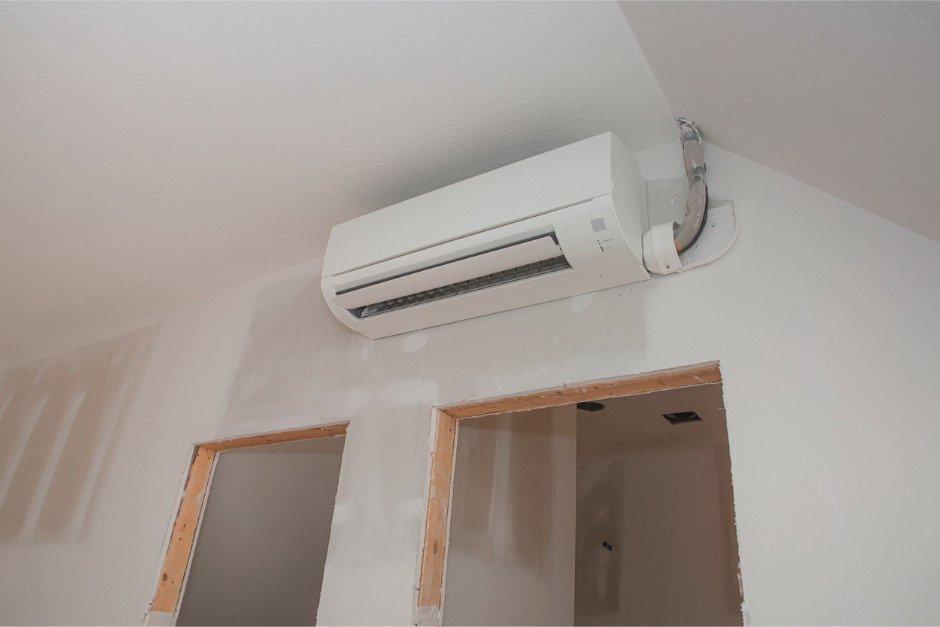
As the name suggests, a ductless HVAC system does not require air ducts to deliver air conditioned air to your home. Ductless units are available as single or multi-zone systems, and homeowners can opt for a unit that offers heating and cooling or just cooling.

Ductless systems are great options for newer construction or old homes that don’t have existing ductwork. They offer great versatility, with the option to truly customize your setup according to your needs. That means if you’re adding a room or addition to your home, you can install climate control without the hassle of installing ductwork.

A basic ductless system includes an indoor unit with an evaporator coil and blower fan, and an outdoor unit consisting of a compressor, condenser coil and fan. The indoor and outdoor units are typically connected through the wall with copper refrigerant tubing and wires.

How Does a Ductless A/C System Work?

The basic operations of a ductless system are exactly the same as a unit with air ducts. The difference comes in how air is delivered to the home. A typical central air conditioning unit may have one centralized indoor air handler that sends heated or cooled air into different rooms or sections of the home via an air duct system. A ductless system delivers air directly to a room or living area. In large homes, multiple ductless units may need to be installed, while smaller, open spaces can be heated or cooled effectively with just one ductless unit.

Types of Ductless A/C Systems

There are two types of ductless A/C systems, single-zone and multi-zone. Let’s explore the difference:

Single-Zone Ductless A/C

In this configuration, a single indoor unit is connected to the outdoor unit via a small pipe. This setup requires minimal disruption to your home upon installation. A single-zone unit can effectively cool one area or zone of your living space, and it can even keep multiple rooms comfortable, depending on the layout of your home.

Multi-Zone Ductless A/C

Multiple indoor units can be attached to a single outdoor compressor unit. Individual indoor units can be controlled separately via a wireless remote control. This option offers flexible configuration options for different areas in your home, which means no more family feuds about the temperature.

4 Ductless A/C Myths

There are multiple myths — both good and bad — surrounding ductless A/C systems. Here are just a few of the most common ones you can stop believing today:

1. They Provide Uneven Heating or Cooling

Ductless systems can be installed to cool multiple rooms. How effectively or evenly it will do so depends entirely on the knowledge and skills of the person or team installing the system. Hiring an expert for the job means they’ll consider the design and layout of your home and create a plan to ensure you get the most out of your ductless system — and that includes even heating and cooling.

2. They Only Work for New Construction Homes

This one simply isn’t true. Again, it all comes down to the quality of installation and whether the system is used and maintained properly. Ductless systems can be effective in both older buildings and new spaces.

3. They Lead to Poor Indoor Air Quality

Both ductless units and duct-based HVAC systems use air filters to trap and hold airborne pollutants, preventing them from circulating throughout your home. Some experts argue that air ducts can collect contaminants like dust, pollen and dirt over time, potentially leading to the presence of mold, insect and rodent infestations and unpleasant odors — all issues homeowners can avoid with a ductless setup. Consider this myth busted.

4. There is No Energy Loss

As air travels through air ducts in a conventional, duct-based system, it’s bound to lose some of its energy. That means your air might lose some of its cool before it reaches your living space, especially if it needs to travel far — and the same goes for heated air. While homeowners may experience lower rates of energy loss with a ductless unit, no system is perfect, and some amount of energy loss is still bound to occur.

The Benefits of Ductless A/C

There are a few key scenarios where a ductless A/C system can really shine. Homeowners may want to consider a ductless A/C setup if:

  • They need a quick installation
  • Greater climate control flexibility is required in separate areas
  • Low-maintenance is a priority
  • Space is limited

Get Expert AC Repair Midlothian, TX

If you’re on the hunt for expert A/C repairs, maintenance or installation, you can trust the pros at Dial One Johnson Plumbing, Cooling and Heating. Our technicians are ready to help with expert advice and upfront, transparent pricing.

If you’re looking to replace your old HVAC unit, or you need to add heating and cooling solutions to your home, our team can evaluate your home, needs and budget and create an optimal plan of action. Dial One Johnson is proud to offer flexible financing options to help cover the cost of new installation and major repairs, and homeowners can enroll in our comprehensive maintenance plan for ongoing care.

Give a ring at 972-388-3310 or contact us online today to get started.

Author Bio:
Sherrie Johnson-Hartsock
Dial One Johnson Plumbing, Cooling & Heating is now owned and operated by Sherrie Johnson-Hartsock, with his grandson, Daniel Johnson, a third-generation plumber who is also the Service Manager.
Posted in

Why Duct Tape Should Never be Used on Ducts

Duct tape is incredibly strong and versatile. This material is a bit of a superstar in the DIY world, where its uses can range from mending broken appliances to curing warts. Despite what the name suggests, however, it should never be used on your air ducts. Read on to learn why you should avoid using duct tape for air duct repairs and what to do instead. 

Need professional ac service, Duncanville, TX neighbor? Give the team at Dial One Johnson Plumbing, Cooling and Heating a call at (972) 992-1495 or visit us online today.

Why Duct Tape and Air Ducts Don’t Mix

It may be tempting to seal air duct leaks, cracks or other forms of damage with duct tape, but there are several reasons why this isn’t the best solution. Let’s dive in.

Temperature Changes

Consistent exposure to heat and extreme temperature changes can break down the adhesive on duct tape over time, rendering it useless. Once the adhesive goes, duct tape can fall off entirely, or weaken enough to allow for air duct leaks — which is likely the problem it was meant to fix in the first place. 

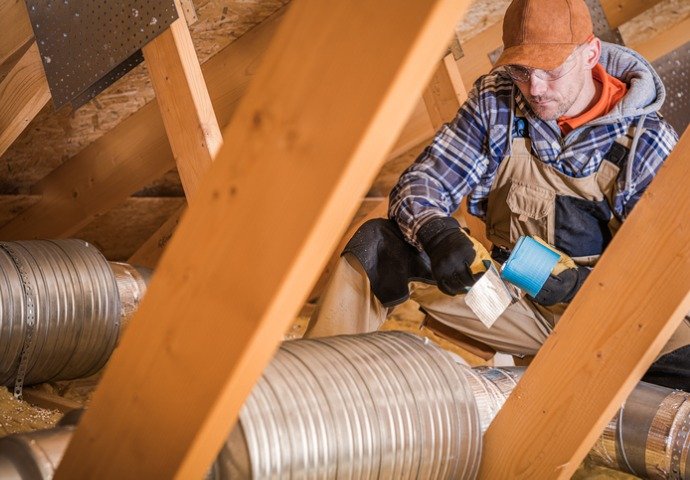
Our air ducts are prone to temperature shifts, not only from the air conditioned or heated air constantly traveling through them, but from external factors as well. This includes instances where sections of air ducts run through uninsulated areas in the home, such as the attic, where extreme heat and cold conditions can wear down duct tape over time.  

Condensation

As a result of constant temperature shifts, air ducts are also prone to forming condensation. This constant exposure to moisture will weaken duct tape, again causing it to fall off or or allow for air leaks. 

Air Duct Leaks

Aside from an inevitable decrease in performance, duct tape that is improperly placed or doesn’t form an airtight seal will still allow for air leaks. Air leaks occur when conditioned air from your HVAC unit escapes into unused spaces, like attics or basements. This makes it harder for your HVAC system to keep up with heating and cooling demand inside your living areas. 

Air duct leaks lead to decreased efficiency from your unit, increased wear and tear on your system and skyrocketing utility bills. Duct tape may seem like an easy fix, but the benefits will likely only be temporary. To ensure you’re getting the most out of your heating and cooling system, it’s worth investing in proper repairs. Anything less will end up costing you in the long run.   

The Right Way To Fix Your Air Ducts

There are effective alternatives to duct tape that homeowners can use to patch small holes and cracks, or to reinforce air duct joints. Let’s take a look:

Foil Tape 

Foil tape is an excellent alternative to duct tape. Owing to a specialized kind of adhesive, foil tape won’t dry out and lose effectiveness as a result of extreme temperature shifts. In addition to its adhesive, the aluminum backing on foil tape can also withstand significant temperature changes common in spaces like attics and basements. 

Duct Putty

Duct putty, a pliable substance sometimes referred to as “duct mastic,” can be used to seal duct joints, cracks and large holes. Homeowners will need to cover the target area with a fiberglass mesh tape before painting over it with duct putty.

Professional Air Duct Maintenance

Regular air duct maintenance from a professional HVAC company will help homeowners identify and prevent issues like air leaks before they can cause major headaches. Keeping air ducts clean will also help improve HVAC efficiency, increase indoor air quality and reduce the potential for hazardous issues like mold and mildew growth. 

When air ducts require extensive or frequent repairs, it may be more cost effective in the long run to consider installing new air ducts, or replacing the damaged section. A qualified HVAC technician can evaluate your system and recommend the best course of action to suit your needs and your budget. 

Homeowners can help keep their air ducts clean and efficient with the following HVAC maintenance tasks:

  • Replace or clean (if reusable) air filters every 30–90 days
  • Schedule professional HVAC tune-ups in the spring and fall to ensure the whole unit receives a thorough cleaning and inspection
  • Practice “source control” by dusting, vacuuming and grooming pets frequently to keep contaminants out of your heating and cooling system.
  • Keep the areas around air vents clean and free from blockages, dust and debris

Air Duct Warning Signs

If you notice any of the following HVAC issues, your air ducts could be the culprit:

  • Rising utility bills
  • Strange or unpleasant odors whenever your HVAC system runs
  • Evidence of insect or rodent infestations, including noises, odors and evidence of droppings, food or nesting materials
  • Decreased heating or cooling efficiency — even with HVAC maintenance
  • Uneven air flow from different air vents in the home
  • An uptick in allergy symptoms, headaches or other respiratory issues, especially while the HVAC unit runs
  • Strange or new air duct noises, including banging, clanking or hissing


If your air ducts are older than 15 years, it may be time to consider replacement. In addition to cleaning and inspecting your existing air ducts, an HVAC professional can recommend the best type of air duct system for your home. Insulating air ducts may help increase heating and cooling efficiency while protecting your system from damage, so be sure to ask your technician about all the available options. 

Work With Local Duncan Air Conditioning Experts

Dial One Johnson Plumbing, Cooling and Heating has been in the business for over 50 years, providing the best AC service Duncanville, TX, homeowners can rely on. Our team of pro HVAC technicians provides affordable and reliable residential HVAC, commercial HVAC and plumbing services.  

Need HVAC repair fast? Dial One Johnson offers 24/7 emergency support along with financing options to help you get the HVAC repairs you need right away. Visit us online or give us a call at 972-388-3310 to schedule a visit today.    

Author Bio:
Sherrie Johnson-Hartsock
Dial One Johnson Plumbing, Cooling & Heating is now owned and operated by Sherrie Johnson-Hartsock, with his grandson, Daniel Johnson, a third-generation plumber who is also the Service Manager.