Experiencing an emergency? Call 972-914-0833

Ready to Experience the Dial One Johnson Difference?

Your go-to resource for HVAC and plumbing solutions, DIY guides, and home maintenance tips.

Got an emergency? Call 972-914-0833 or …

Explore by topic:
Posted in

Features You Should Consider in a Smart Thermostat

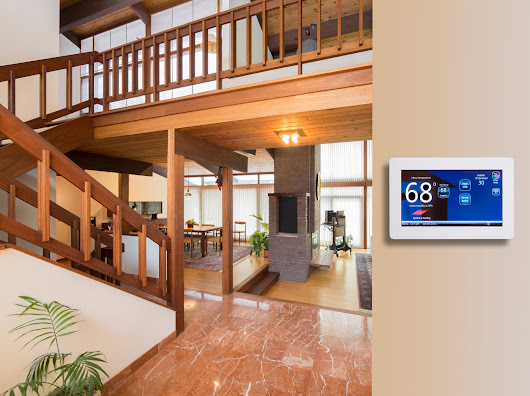
A smart thermostat lets you control your home’s heat remotely via an app or over the internet. Smart features optimize temperatures at different parts of the day and year to boost your HVAC’s efficiency. You can achieve other numerous activities with smart features, such as integration with other appliances, weather tracks, schedule setups, etc.

Smart thermostats are the way to go when you want comfortable temperatures for your home. You should consider various features if you want to buy or install a smart thermostat. Read on to discover some of these important features.

Energy Reports

One of the factors that can save you a considerable amount of money is the ability to receive energy reports. With the reports, you can track your energy use and adjust consumption. The reports notify you of the amount, changes, cost, and tips to save money.

If you get a report that a certain room consumes more power for no apparent reason, you can find the root issue and solve it. That way, you won’t only save costs but identify and solve problems before they escalate.

Some smart thermostats can track meteorological reports and automatically adjust temperatures. For example, the thermostat can lower the temperature if you expect hot weather so that your house remains cool.

Sensors

As the name suggests, sensors allow the smart thermostat to sense changes in the environment. In addition, they relay information to the main thermostat to initiate the necessary actions. For example, when there are movements within a room, motion sensors pass on that information to the main thermostat, which switches on your HVAC unit.

Some of the recommended locations to place your smart sensors are:

  • In poorly insulated rooms
  • At the top or bottom of a room
  • Near a hot water pipe, etc.

Many smart thermostats use multiple sensors that serve different purposes to boost your home’s comfort.

Home Away Feature

Also known as geofencing, a home away feature allows you to set a virtual boundary around your home. To use the feature, you need to download the thermostat app on your mobile device. After that, you can install the home away feature.

The home away feature tracks your cell phone’s location and triggers an action when you cross the boundary. When you are within the set boundary, the thermostat sets the ideal temperature to your convenience. But, if you are away, the thermostat can switch off the HVAC system to save energy.

Pattern Learning

A smart thermostat can learn your preferences and routine and use that information to optimize temperatures. With time, the thermostat masters your ideal temperature during different times of the day. That said, you don’t have to worry about manual temperature adjustments.

Certain events trigger the learning algorithm to set given temperatures. An example is when you reset abnormal temperatures to a comfortable level. In addition, the algorithm can predict electricity tariffs and adjust temperatures to cut down on cost and energy.

Automatic Programmable Features

Smart thermostats have various convenience features with which you can automate schedules. So, you don’t have to change the thermostat settings numerous times. With automation, you can:

  • Schedule optimal temperatures for different times of the day
  • Switch the air conditioner off when you aren’t at home
  • Set different temperatures for different rooms
  • Schedule the air conditioner to warm or cool the house moments before your arrival, etc.

Conclusion

You can choose from a variety of thermostats for your HVAC system. With new and better technological trends, you may want to consider a smart home. We ensure you get satisfactory services at Dial 1 Johnson. Contact us today for all your heating, cooling, and plumbing requirements.

Author Bio:
Sherrie Johnson-Hartsock
Dial One Johnson Plumbing, Cooling & Heating is now owned and operated by Sherrie Johnson-Hartsock, with his grandson, Daniel Johnson, a third-generation plumber who is also the Service Manager.
Posted in

Why is my Furnace Loud?

A furnace making strange noises is often an indication that something is wrong with it. If you’re wondering why your furnace is so loud, there are a few things you can try to figure out. We’ll go over some of the most common causes of grand prairie furnace repair and how to fix them in this guide. So, if the noise from your furnace has been driving you insane, keep reading for some helpful hints.

Why Is My Furnace Making Loud Noises?

One of the most common is when something obstructs or restricts the flow of air through your filter or vent system. This restriction puts strain on the motor, causing it to work harder to compensate, resulting in louder noises to push more air through.

As a result, the motor will work harder and make louder noises. To resolve this issue, simply clean out your furnace filter. This simple task can have a significant impact on your unit’s loudness. Another common issue is when air pockets in ducting or vents restrict airflow, putting additional strain on the motor.

This is frequently caused by improperly installed ducting or a problem with your venting system. It may be necessary to hire a professional HVAC technician for this. You can also experiment with adding air conditioning units to reduce the amount of energy required by the furnace while still providing some heating for your home.

If your furnace is squeaking or squealing, this could be caused by metal parts rubbing together or by the motor wearing down over time. This is possible because particles have found their way into the gears, causing them to wear out faster than usual. It’s critical to figure out what’s causing this problem before you can fix it.

If debris has become lodged in your motor, it will make loud noises when you turn on your furnace. If this isn’t addressed quickly, metal shavings can cause more damage and become a bigger problem than just making noise. If you’re experiencing this problem, it’s best to have a professional inspect your furnace, as it often indicates that the motor needs to be replaced.

If you’ve tried all of these solutions and your furnace is still making loud noises, it’s time to replace it. Furnaces typically last 15-20 years, so if yours is older, you may want to start looking for a new one. If your furnace is relatively new but still making noise, you should hire an HVAC professional to inspect it and diagnose the problem before it worsens.

Types of Sounds You Can Hear in Your Furnace 

Rattling, clanging, knocking, wheezing, and whining are some of the most common noises you’ll hear from your furnace. Each noise is fairly self-explanatory in terms of determining what is causing it to make that noise.

If you hear a rattle or something banging together when your furnace turns on, this could be an indication that something has become loose and is bouncing around. It is often recommended that you inspect all of your panels and covers to ensure that nothing is rattling or banging while the unit is turned on, as this can result in some pretty loud noises if left unchecked.

If you hear clanging sounds coming from your furnace, it could mean that some loose parts, such as a heat exchanger, are collapsing. This is caused by rust or metal deterioration over time and should not be ignored!

When you hear wheezing coming from your furnace, it could mean that there is a buildup in the blower wheel or motor, causing it to make loud noises when trying to push air through. This is frequently caused by dirt, dust, or pet hair and is easily remedied with a thorough cleaning.

If your furnace is whining, it could be due to a problem with the voltage or amperage, which should be addressed as soon as possible. It may not seem like a big deal if it’s just a loose wire, but it’s always better to be safe than sorry.

While these noises can be alarming and upsetting, the majority of them are easily remedied with simple maintenance or by hiring a professional. Just keep in mind that if the problem appears to be too complex or dangerous to handle on your own, it’s always best to call in a professional to take a look and assist you.

How to Fix Loud Noises Coming From Your Furnace

If you’re trying to fix a noise problem with your furnace, you should first figure out what’s causing the problem. Once you’ve determined that, you can experiment with some of these solutions to see if they work for you. If they don’t, or if the problem is more serious, it may be necessary to enlist the help of a professional.

One of the most common solutions for loud noises coming from your furnace is to replace any worn or damaged parts that may be contributing to the issue. If something has become loose and is rattling around, you may only need to tighten a few screws before the problem worsens. Sometimes a simple tightening of loose screws is all that is required to solve the problem of clanging and banging sounds.

If you hear rattling or banging while your furnace is running, it could be caused by something collapsing inside and simply needs to be tightened up. If this doesn’t work, look into other possible causes, such as corroding metal pieces, which should not be ignored.

If you hear a high-pitched whining sound, it could be caused by voltage or amperage issues and should be investigated as soon as possible.

When something becomes stuck in the blower wheel, it is one of the most common causes of furnace noise. If this happens, you can try to clear it yourself by removing the blower door and cleaning it out, but if that doesn’t work, you may need to call a professional.

Grand Prairie Furnace Repair

If you’re still experiencing problems with your furnace after trying these solutions, it’s always best to call Dial One Johnson Plumbing, Cooling, and Heating at 972-291-0740 who can help you diagnose and fix the issue. Furnace noises can be worrying and frustrating, but you can usually take care of them yourself with a little bit of knowledge. Just keep in mind that every furnace is different, and what works for one might not work for another.

Author Bio:
Sherrie Johnson-Hartsock
Dial One Johnson Plumbing, Cooling & Heating is now owned and operated by Sherrie Johnson-Hartsock, with his grandson, Daniel Johnson, a third-generation plumber who is also the Service Manager.
Posted in

Why is my Heating System Buzzing?

What’s the deal with my heating system buzzing? If you wake up to the sound of a buzzing blower, you may be asking yourself this question. Don’t be concerned. Buzzing in the home heating system can be caused by a variety of factors and does not usually indicate a problem with your unit or it needing heating repair Desoto TX. This guide will explain how to determine whether the problem is severe or minor, what causes these issues, and what you can do about them.

The Common Causes of Heater System Buzzing

A buzzing blower in a heating system can be caused by a variety of factors. Most of these are common issues that are usually not serious, but it is useful to be aware of them so that you can determine whether further action is required. 

One possible cause could be that your heater has developed rust or other buildups on the fan blades. As the blades spin, noise is produced, and the airflow is disrupted. In this case, cleaning the fan blades may be required to resolve the issue.

Loose screws or fasteners on components such as the blower housing or motor mount are another common cause of buzzing in a home heating system. When any of these become loose, they can make a rattling or buzzing sound. If this is the source of your problem, tightening the screws should solve it.

Other causes of system buzzing include dirty air filters, bent fan blades, and even rodents nesting in the ductwork. A professional heating contractor can fix (or at least address) all of these issues.

Buzzing is not Serious, but can still be Annoying

Regardless of the cause, if your blower starts to buzz, you will need to determine how severe the problem is and whether or not it needs immediate attention. In most cases, there isn’t any reason to worry. 

Buzzing in the heating system is usually just an annoyance and can be fixed by a professional. However, if the buzz becomes louder or more frequent, it could signify that something serious is wrong, and you should call for heating repair in Desoto TX immediately.

If you are unsure whether or not the problem warrants attention, try turning off your furnace entirely for a few hours and checking if the noise starts again. This is usually a practical test for determining whether or not your system needs service, but it should be used with caution since this will also mean no heat.

Don’t worry if you determine that there isn’t anything wrong with your heating unit. There are plenty of other factors that could contribute to system buzzing, and they are all easy to fix.

Types of Noises a Heating System Can Make 

If your heating system starts to make strange noises, it can be challenging to determine the cause. This list will help you identify some of the most common problems and what you can do about them.

  • Rattling: Rattling noises are usually caused by loose screws or fasteners on components like the blower housing or motor mount. If any of these become loose, they can create a rattling or buzzing noise. 
  • Clanking: This type of noise is usually caused by something hitting another object, such as a screw bouncing around in the blower housing. 
  • Screaming: A high-pitched scream usually indicates something wrong with the fan blades, and they are hitting the housing. If this happens, it may be time to replace your fan blades.
  • Screeching: This type of noise is usually caused by a loose belt or one that has stretched out over time and needs replacing. 
  • Whining: A whining sound can mean several different things – either something inside the blower motor itself has broken, the bearings are worn out and need replacing, or something is wrong with your capacitor. 
  • Grinding: This type of noise can be caused by any number of problems but usually indicates metal-on-metal contact somewhere in your heating system. If this happens frequently, it may mean that you should call for service right away.
  • Buzzing: A constant buzzing noise means that your blower is working too hard and could indicate a problem with the motor or capacitor. If possible, the easiest way to fix this issue is by replacing either one of these components. For further assistance, call for a professional heating contractor service right away.

Troubleshooting Heating System Problems 

If your heating system is buzzing, it’s important to troubleshoot the problem and determine what’s causing it. Several factors could contribute to a blower that’s buzzing, so it’s important to identify the specific cause before you can take corrective action. Here are some things to keep in mind if your heating system is buzzing.

  • The blower may be too loud for the setting you have it on. Reduce the blower speed or change the fan setting to a lower level.
  • If your heating system is new, it may need time to break-in, and the noise will go away over time.
  • There could be something caught in the blower blades, which can be cleaned out.
  • The blower motor may be loose and need to be tightened.
  • The blower wheel may be dirty or clogged and need to be cleaned.
  • There could be a problem with the wiring or the motor itself. If you have any doubts about what’s causing the noise, it’s best to call in a professional.
  • If the noise is normal and doesn’t last for more than a few minutes, you can simply wait until your heating system breaks in or use an alternate heat source like electric space heaters. 
  • Several things could be causing the buzzing: you may need to adjust the blower speed, clean out something caught in the blades, tighten loose parts or wires. 
  • It may take your heating system a while to break in and stop making this sound as it does so over time. Or an alternate heat source, like electric space heaters, can be used in the meantime.

Heating Repair in Desoto, TX

Keep these things in mind if your heating system is buzzing and take appropriate action to correct the problem. It’s essential to get it fixed as soon as possible so you can stay warm and comfortable during the winter months. Contact Dial One Johnson Plumbing, Cooling, and Heating at 972-291-0740 for more information about heating system problems and how to repair them.

Author Bio:
Sherrie Johnson-Hartsock
Dial One Johnson Plumbing, Cooling & Heating is now owned and operated by Sherrie Johnson-Hartsock, with his grandson, Daniel Johnson, a third-generation plumber who is also the Service Manager.
Posted in

This Winter, Keep These 6 Furnace Safety Tips in Mind

Winter brings with it some of the most beautiful sights and memories, but it also brings with it a slew of home safety issues. One thing that many homeowners overlook is their furnace repair service.

Furnaces can be difficult to maintain, especially when the temperature drops outside. They are prone to malfunctions that can result in costly repairs or, worse, a home without heat during the coldest months of the year. Keep these furnace safety tips in mind this winter.

To help you avoid this unfortunate situation, we’ve compiled some useful information on how furnaces work, what signs indicate they’re about to break down, and how you can use our best practices to keep your family safe.

The Importance Of Furnace Maintenance 

Regular maintenance is one of the most important things you can do to keep your furnace running safely and smoothly. This entails having a qualified technician inspect it at least once a year.

Several critical components, such as filters, belts, motors, and flames, should be inspected. If any of these fail to function properly, dangerous fumes or other potentially harmful issues may result.

Having a technician come out and perform routine maintenance on your furnace is always the safest option because they are trained professionals who know exactly what to look for in your specific furnace model. However, if this isn’t feasible due to financial constraints or simply not wanting someone in your home, there are some things you can do on a monthly basis to help keep it running smoothly.

How To Identify Furnace Problems 

Don’t wait until it’s too late if you notice any signs that your furnace isn’t working properly. There are several key indicators that something is wrong, and the majority of them have to do with how your furnace smells.

If you smell gas, get out of the house immediately and call the police or fire department. This is a very dangerous situation that should not be underestimated.

Strange sounds, such as buzzing or scraping, can also indicate a problem with your furnace. These are frequently indicators of metal on metal contact and usually indicate that something is wrong with the motor.

If your heater ever shuts down unexpectedly, this could be another sign that something is wrong with it. While this may appear insignificant at first glance, keep in mind that furnaces are designed to turn on and off. If yours is turning itself off for no apparent reason, it could be due to a power outage or a problem with the thermostat.

Furnace Safety Warning Signs  

Aside from being aware of the signs that your furnace may be failing, it’s also critical to understand what kinds of symptoms to look for in order to keep your family safe.

Excessive condensation on the windows, ice buildup around the unit, and higher energy bills are all warning signs. If you notice any of these signs, it’s a good idea to contact a technician and have them inspect the situation.

It’s also critical to keep an eye on your family members, particularly young children and the elderly. They may not be as aware of danger signs as adults, so it is up to you to keep an eye out for anything out of the ordinary.

If you start to notice any of the above-mentioned warning signs, it’s time to act. If you smell something strange or suspect a leak, don’t be afraid to call in the professionals. But how do you know whether you should call a technician or try to fix it yourself? Here are some pointers to help you figure it out:

  • If your system is making strange noises, these are usually easy enough for anyone who knows what they are doing to identify and fix with just a quick trip down into the basement. If this sounds like something beyond your skill level, call a professional.
  • If you notice any of the signs that there might be an issue with your filter or motor, it’s usually best to have someone come out and take a look at it. While these are easy fixes for most people who know what they are doing, it’s always best to call a technician if not something you feel comfortable doing.
  • If you see an increase in your energy bills, this could be a sign that something is wrong with your furnace. Sometimes, this can be the culprit behind a high energy bill, and you may be able to fix yourself within just minutes. However, before you do anything else, make sure that all of the doors and windows in your home are closed tightly and that there isn’t anything wrong with your thermostat.

Preventing Furnace Problems 

While it is impossible to completely avoid furnace repair service issues, there are some things you can do to help prevent them from occurring in the first place.

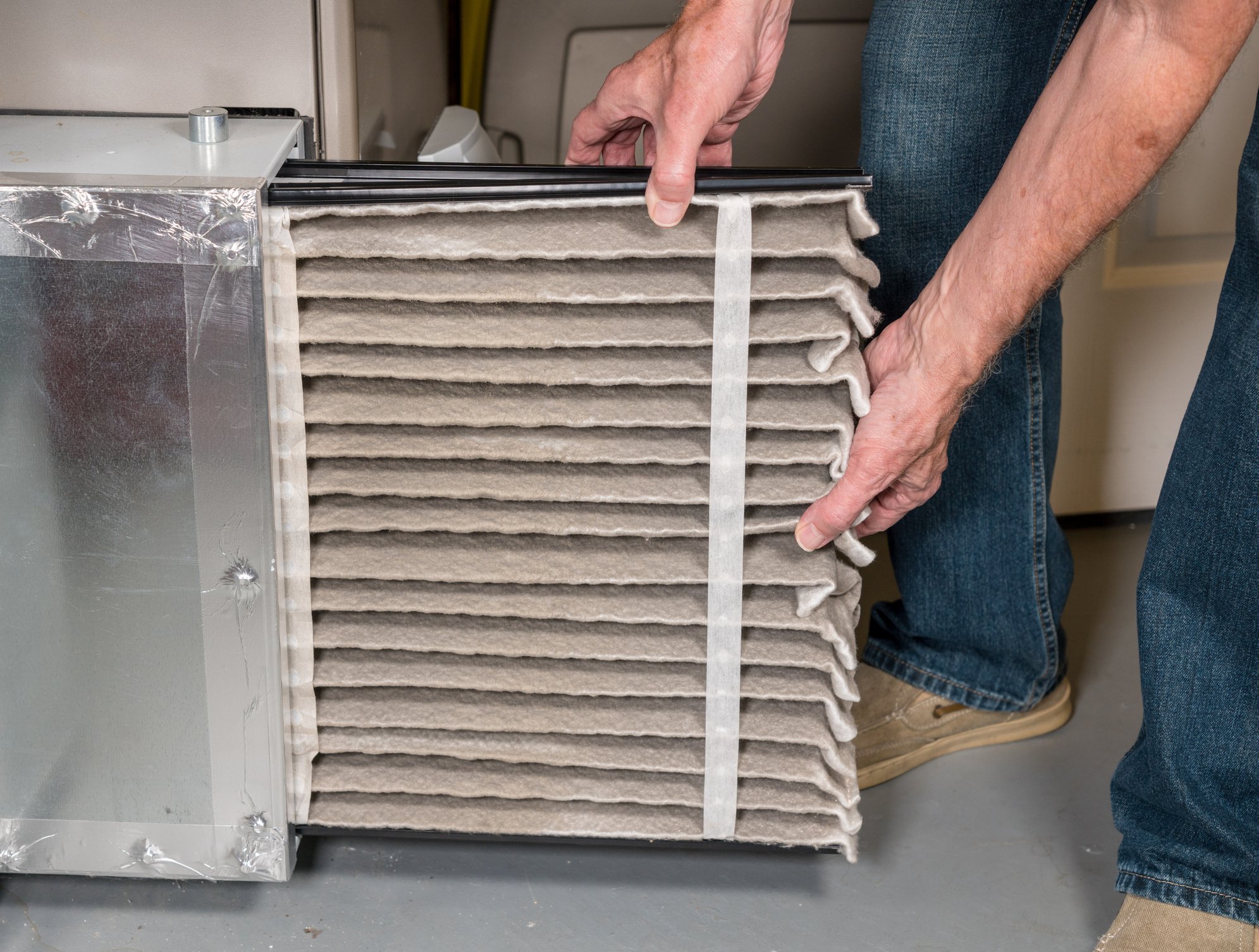
One of the best ways to accomplish this is to change your furnace filter on a regular basis. This may appear to be a minor task, but it is one of the most crucial. A clogged filter will not only make your furnace work harder than necessary, but it may also cause motor problems in the future.

Another thing you can do to help prevent furnace problems is to keep an eye on your energy bills. If you notice that they are rising above normal, it is time to contact a technician and have them inspect your system.

It is also critical to inspect the area around your furnace on a regular basis for anything that could obstruct airflow or access to the unit itself. If you notice any nearby objects, such as furniture, toys, branches from trees outside, etc., remove them right away.

Furnace Safety Tips 

While it’s important to know what symptoms to look out for when determining if there might be an issue with your furnace, it’s also crucial that you know how to stay safe while the unit is running. 

Some of the furnace safety tips that everyone should follow include: 

  • Never touch the heating elements or surfaces of the furnace while it is turned on. These can be very hot and can cause severe burns. 
  • Keep combustible materials, such as rugs and curtains, at least three feet away from the furnace. 
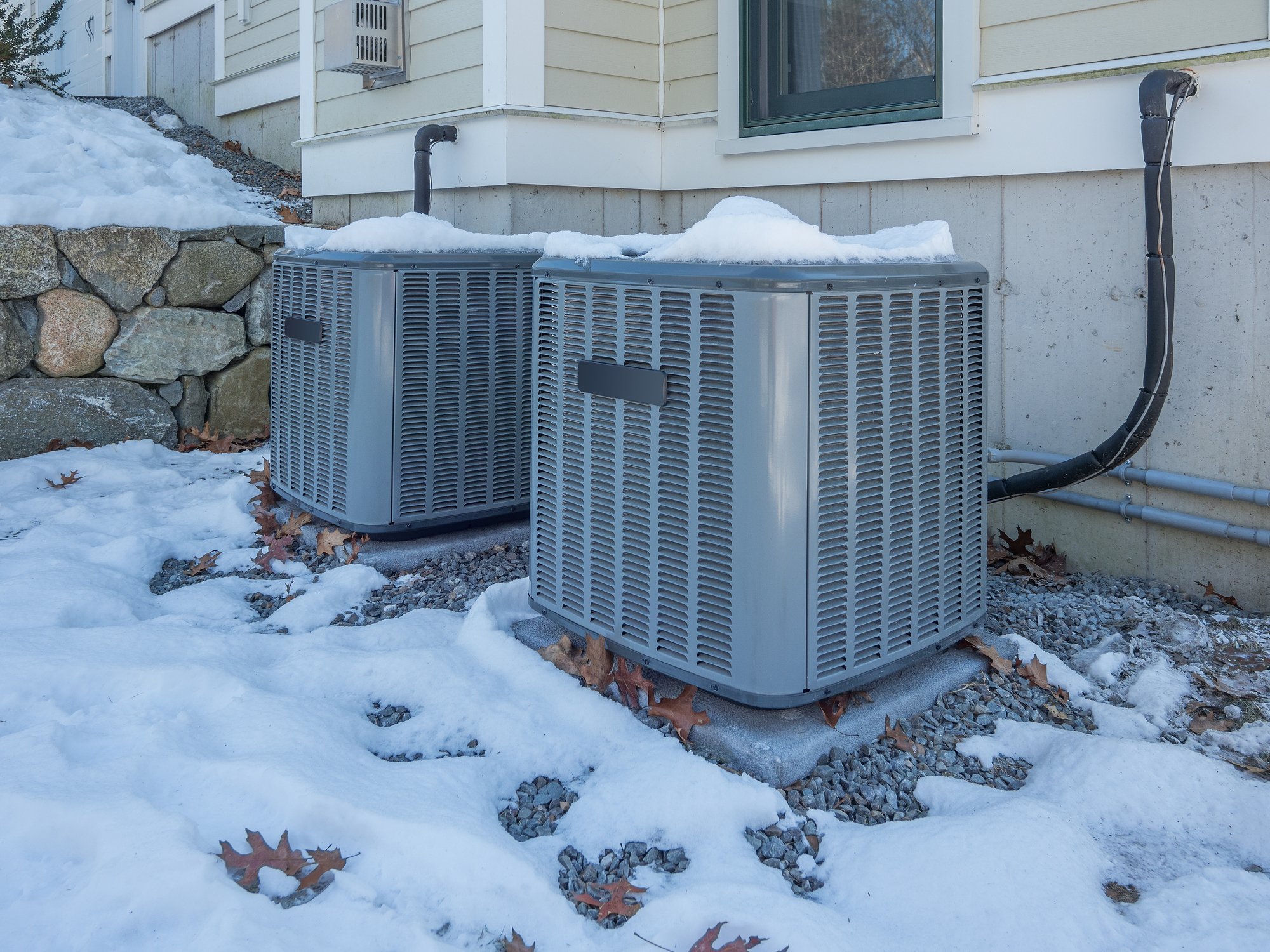
  • Make sure that the area around the furnace is always clear of any snow or ice. 
  • Never try to fix your furnace yourself if you don’t know what you are doing. This can be very dangerous and could result in serious injury.
  • Always use caution when opening the door to the furnace area, as hot surfaces or flames may be present. 

Furnace Repair Service in Duncanville, TX

If you’re looking for more ways to stay safe this winter, be sure to check out our other furnace safety tips. And, if you start to see any of the warning signs mentioned in this guide, don’t hesitate to call Dial One Johnson Plumbing, Cooling, and Heating at 972-291-0740. We can help get your furnace back up and running in no time.

Author Bio:
Sherrie Johnson-Hartsock
Dial One Johnson Plumbing, Cooling & Heating is now owned and operated by Sherrie Johnson-Hartsock, with his grandson, Daniel Johnson, a third-generation plumber who is also the Service Manager.
Posted in

5 Main Components of an Effective HVAC System

A well-functioning heating, ventilation, and air conditioning (HVAC) system is essential to the overall comfort and well-being of a residence. This type of heating repair and HVAC system uses ducts connected to an outdoor unit to distribute conditioned indoor air into living spaces. A high-performance HVAC system is the result of numerous components working together. In this guide, we’ll take a look at how these essential parts come together to form a functional HVAC system.


The Importance Of An Effective HVAC System

The importance of an effective HVAC system cannot be overstated. A well-functioning HVAC system provides many benefits, including: 

  • A comfortable and healthy living environment 
  • Reduced energy costs 
  • Protection against extreme weather conditions 

These are just a few of the many benefits that come with having an effective HVAC system in your home. To ensure that there is the proper operation of all HVAC system components, it is essential to ensure that there are no air leaks or anything wrong with your ducts.

Air Leaks 

If there are any holes in your home’s insulation, conditioned indoor air will escape, resulting in energy loss in your home’s heating and cooling systems. Air leakage causes not only increased energy costs but also a decrease in your home’s comfort level. A smoke pencil or an incense stick can be used to detect air leaks. You have an air leak if you see smoke coming in through windows and doors.

Ducts 

If your ducts are not properly sealed, there is a good chance that they will have air leaks. You can do a visual inspection of your ducts by simply looking at them to see if you notice any holes in the metal or insulation around them. 

The Outdoor Unit 

Assume you have an older unit that is subject to severe weather. In that case, corrosion and rusting are likely to cause damage because metal contracts in colder temperatures and expands in hot temperatures. Make sure your outdoor unit is properly protected from the elements by having it inspected by a professional.

The Indoor Unit 

In addition, you should also have a professional inspect your indoor unit. The evaporator coil and the blower motor are two of the most important components in the indoor unit, as they can easily become dirty and clogged with dust, pet hair, and other debris. When these components become dirty, they can’t work as efficiently, which results in decreased performance and increased energy costs.

Here are five main components that are needed to run a great air conditioning system in your home:


The Furnace Or Boiler

The furnace or boiler, which produces hot water for your radiant flooring, baseboard heating, or air handlers, is the first component. The furnace is also in charge of the combustion process that heats your home’s air.

The furnace or boiler is necessary because it provides heat to the interior of your home. Increasing the size of your furnace or boiler is an effective way to improve its performance. Insulating the unit can help reduce drafts and lower operating costs for this system component.


The Evaporator Coil

The evaporator coil is one of the most important parts of your HVAC system because it cools and dehumidifies the air as it passes over the coils. The evaporator coil is also in charge of distributing heated air throughout your residence.

The evaporator coil is critical to an efficient HVAC system because it contributes to a comfortable and healthy living environment. The coil’s ability to cool and dehumidify the air passing over it aids in the removal of moisture from the air, which can aid in the reduction of mold and bacteria growth in your home.


The Condenser

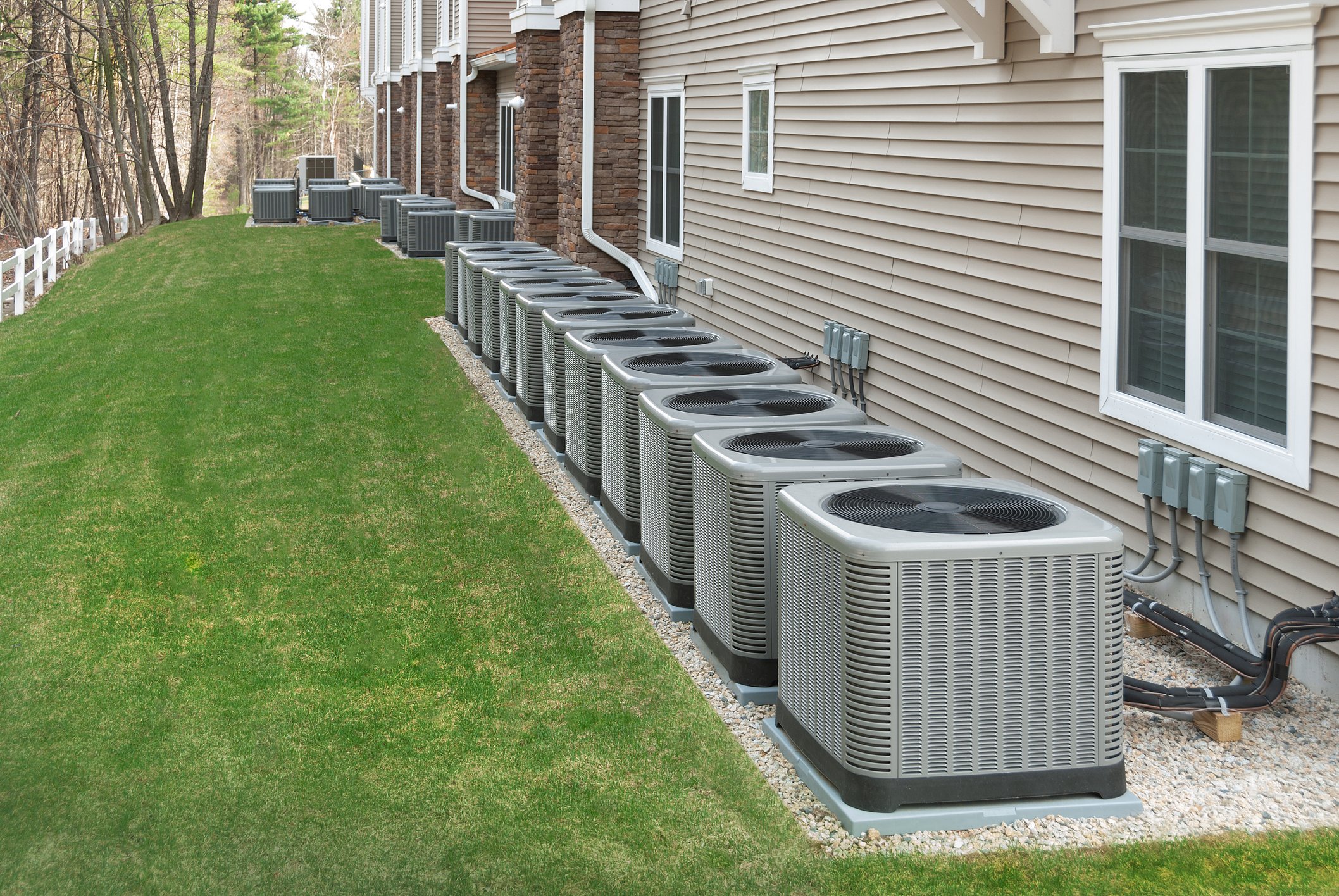
The condenser is located outside your home, and it’s responsible for cooling the hot refrigerant gas created by the compressor in the previous step. The cooled refrigerant gas is then pumped back into the evaporator coil to start the process all over again.

The condenser transfers heat from the refrigerant gas to the outside air. The cool air that’s produced helps lower humidity levels and provides a more comfortable living environment in your home.


The Thermostat And The Airflow Sensor

A programmable or non-programmable digital thermostat that regulates your indoor temperature, humidity levels, air quality, and ventilation settings from anywhere in your home with an internet connection controls an efficient HVAC system. The airflow sensor is a second component of the HVAC system. This component is in charge of measuring the air quality in your home in order to improve its overall comfort or energy efficiency.

A thermostat is essential for maintaining a comfortable and healthy living environment. The thermostat’s ability to control your indoor temperature, humidity levels, air quality, and ventilation settings from anywhere in your home with an internet connection can help your HVAC system perform better overall.

An airflow sensor monitors the quality of air in your home in order to improve its overall comfort or energy efficiency. This component is also in charge of detecting potential leaks in an HVAC system’s ducts. The airflow sensor detects carbon monoxide and other dangerous gases such as radon, which can be harmful to your health, using a laser beam.


The Air Filters And Other Components

An efficient HVAC system also includes a number of smaller but equally important components, such as the air filter, which prevents dirt particles from clogging your evaporator coil and allowing it to function properly. An automatic drain pan, a blower motor, and refrigerant lines are also important features.

An air filter is essential for maintaining a comfortable and healthy living environment by preventing dirt particles from clogging your evaporator coil and preventing the system from working properly. The automatic drain pan is also important for maintaining good airflow throughout your HVAC system, which will keep the equipment running smoothly for years to come.

The blower motor is a component of an HVAC system that is responsible for moving air throughout your home by creating airflow with a series of belts and pulleys. The refrigerant lines are also critical because they are made of copper tubing with cut-resistant insulation, which helps keep the evaporator coil from freezing in cold weather.


Heating Repair

The most effective HVAC systems are made up of multiple components that work in tandem to create a system with high-performance capabilities. These key components include an evaporator coil, a condenser, a thermostat and airflow sensor, air filters, and other smaller but equally important components. By understanding the importance of each component and how they work together, you can improve the overall performance of your HVAC system.

If you’re interested in heating repair and learning more about the components that make up an effective HVAC system, be sure to visit Dial One Johnson Plumbing, Cooling and Heating or give us a call today at 972-291-0740. We’d be happy to help you find the right equipment for your home and answer any questions you may have about maintaining your HVAC system.

Posted in

Do-It-Yourself vs. Professional HVAC Repair: 5 Risks

One of the many benefits of living in the internet age is that when you need to learn how to fix something, you can just look it up! There’s an online DIY fix and tutorial for just about any project you can imagine. Whereas some projects, like fixing a squeaky front door, are relatively safe to do without a professional, other DIY projects are riskier. This is especially true for DIY fixes that involve your HVAC system. 

When it comes to HVAC repairs, there’s a lot that can go wrong. Unless you’re an HVAC professional with a thorough understanding of how your system works, you probably shouldn’t attempt it alone. However, that doesn’t mean you’re out of affordable options. When you need a professional assessment of your HVAC, Dallas, TX-based pros at Dial One Johnson Plumbing, Cooling & Heating are here to help. Keep reading to learn about the five biggest risks of attempting a DIY fix. 

Need HVAC repairs? Don’t risk causing more damage by trying to fix it yourself. Contact Dial One Johnson for the best HVAC contractor Dallas has to offer. Visit us online to schedule service, or give us a call at 972-947-9487 today. 

1. Safety Hazards

Most people don’t realize how complex their HVAC systems are. To provide a home with cool and warm air, an HVAC system relies on electrical or gas components. As a result, HVAC repair comes with significant risks, including electrical shock, fire, explosion and even gas poisoning. Professional HVAC technicians are trained in how to avoid these dangers, but most homeowners are not. 

2. Voided HVAC Warranty

If you’ve ever bought a new furnace or air conditioner, you should have received a warranty. Remember all that fine print? Within most HVAC warranties is a clause stating that while the HVAC is under warranty, it should only be repaired and maintained by a professional. 

Manufacturers include this warranty to avoid paying for damages that, rather than the result of a defect, were caused by a DIY repair. If damages were caused by an amateur repair, manufacturers are likely to void the warranty. That’s one of the many reasons that DIY repairs are just too risky, especially when an HVAC system is still covered by a warranty. 

3. Decreased HVAC Efficiency

There are a lot of mistakes you can make when repairing an HVAC system. Even if you do manage to get it running again, chances are good that it won’t be running at optimal efficiency. When HVAC systems aren’t running properly, it causes more wear and tear on the entire system, increasing the likelihood of another breakdown. Additionally, an inefficient HVAC system can drive up utility costs, costing you more in the long run than a professional HVAC repair

4. Lack of Tools and Parts

If you’re set on fixing your HVAC system by yourself, don’t expect to be able to get the job done with a hammer and a screwdriver. Repairing HVAC systems require a specialized set of tools and replacement parts that aren’t easy to come by. You could go out and buy all of the tools and parts you need, but it wouldn’t be a very good investment for a one-time use. In addition to the upfront cost, you’d need training on how to use the tools. When it’s all said and done, you’ll end up spending more repairing it yourself than if you’d hired an HVAC professional. 

5. Wasted Time

It’s not just that professional HVAC technicians know how to repair a system safely and expertly; they’re also able to repair it quickly. That’s because they’ve worked on a lot of systems and are familiar with common issues and fixes. Professional HVAC technicians can act confidently and swiftly because they have experience. On the other hand, homeowners who’ve never repaired an HVAC system are unlikely to move quickly. If time is money, DIY HVAC fixes that require a huge time commitment are net losses. 

When it comes to repairing HVAC, Dallas, TX-based company Dial One Johnson is your best bet for quality, affordable repairs. Worried you can’t afford HVAC services? We offer multiple financing options with no out-of-pocket expenses. 

AC Repairs for HVAC Professionals

Although some minor repairs and maintenance can be done without help from a professional, there are a handful of issues that you shouldn’t attempt to fix alone. The following repairs require professional assistance: 

  • Refrigerant leak. Refrigerant, a chemical fluid found in ACs, is essential to cooling your home. You shouldn’t have to refill refrigerant, so if it’s run out, that means there’s a leak. Homeowners should never attempt to repair a refrigerant leak on their own because exposure to this fluid can cause refrigerant poisoning
  • Furnace repairs. In many jurisdictions, it’s illegal for anyone without a license to attempt to repair a gas furnace. That’s because a botched repair can lead to toxic gas exposure, fire and even explosion. If your gas furnace is on the fritz, hire a professional. 
  • Hot water tank replacements. Installing a new tank involves more than you might think; it’s not as simple as removing the old one and connecting the new one. Whether a hot water tank uses gas or electricity, there is danger involved. A professional HVAC technician can install your new tank according to code and safety regulations.

AC Repairs That You Can DIY

You may be thinking, “Well, what can I do alone?” Don’t worry — there are plenty of HVAC projects that homeowners can address without a professional, including the following: 

  • Cleaning the outdoor AC unit. Outdoor condensers get clogged with dirt, twigs, leaves and other debris. Removing this debris helps maintain your system.
  • Changing air filters. Changing your HVAC filters goes a long way in improving indoor air quality. Contrary to popular belief, they need to be changed more than once a year. In seasons of high use, try changing air filters every couple of months.
  • Replacing installation. Replacing or installing your insulation will help your house hold warm air in the winter and cool air in the summer. That means your HVAC system won’t have to work as hard or wear out as quickly.

Dallas HVAC Experts

Ready to repair your HVAC? Dallas, TX-based company Dial One Johnson is your best resource for all things HVAC and plumbing. Our experienced HVAC technicians can get the job done the right way: quickly, expertly and safely. Whether your HVAC system needs maintenance, repairs or replacements, we’ve got you covered. Visit us online to schedule service or give us a call at 972-291-0740 today.

Author Bio:
Sherrie Johnson-Hartsock
Dial One Johnson Plumbing, Cooling & Heating is now owned and operated by Sherrie Johnson-Hartsock, with his grandson, Daniel Johnson, a third-generation plumber who is also the Service Manager.
Posted in

HVAC Myths: BUSTED

When a subject is misunderstood or understudied, it’s normal for myths to sprout up in place of facts. Although HVAC systems aren’t terribly complex, few people take the time to educate themselves on how these systems actually work. Instead, many people go by what they consider to be conventional wisdom, but it isn’t always accurate. In many cases, homeowners are operating their HVAC systems based on popular misconceptions. 

A home’s HVAC system gets overlooked because it’s largely unseen; air ducts, fans, motors and other cooling and heating components are hidden from sight. However, it’s important that homeowners work toward a basic understanding of how their systems function so that they can spot warning signs of a problem. The first step in learning about HVAC is unlearning the misconceptions. That’s why we’re busting the most common HVAC myths!

Want to avoid expensive HVAC surprises? Schedule regular maintenance with the best HVAC Waxahachie, TX, can provide: the experts at Dial One Johnson Plumbing, Cooling & Heating. Contact us online or give us a call at 469-256-7828. 

Myth #1: a Low Thermostat Setting Means Faster Cooling

It may seem like the best way to cool your home is to set the thermostat temperature really low so that it cools faster. Unfortunately, it doesn’t work that way. Although humans might be motivated to work faster when the task is bigger, HVAC systems obviously have no conception of urgency. Whether you set your thermostat for 72 degrees or 58 degrees, it’s going to cool at the same rate. 

Myth #2: The Bigger HVAC System, the Better

When it’s time to buy a new HVAC system, some homeowners think the bigger, the better. This couldn’t be further from the truth. If you want an efficient HVAC system, you need to buy one that’s appropriately sized for the space you’re trying to cool. 

For example, if you outfit your three-bedroom home with an HVAC system intended to cool a gymnasium, you’re going to encounter a few problems. A big HVAC system will blast your home with air, cooling it quickly, but then shut off rapidly. This is a process known as short-cycling, and it’s extremely hard on your HVAC system. You’ll end up wasting money on constant repairs, as well as on higher utility bills. 

When you’re ready to buy a new HVAC system, make sure you research the best systems for your home’s size. If you need help choosing an ideal HVAC system, Waxahachie, TX, air experts at Dial One Johnson can point you in the right direction. 

Myth #3: HVAC Filters Need Changed Once a Year

When it comes to changing your HVAC filters, once a year should be the absolute bare minimum. Not only do clogged HVAC filters contain dirt, dust, pet hair, allergens and other things that can damage indoor air quality, but they can also impede air flow. As a result, a clogged or excessively dirty filter can put unnecessary strain on your HVAC system, as well as drive up utility bills. In seasons of heavy use, you should clean or change your HVAC filters once a month or every two months. 

Myth #4: Duct Tape Can Seal Air Duct Leaks

Ironically, duct tape is not effective at sealing air duct leaks. The adhesive on most duct tapes isn’t strong enough to withstand blowing air or changing temperatures. As a result, it will generally flag and fall off, leaving you with an air leak. Air leaks cause your HVAC system to work harder to heat or cool your home and can increase your utility bills. When you have an air duct leak, your best bet is to call the best HVAC contractors Waxahachie, TX, can provide: the heating and cooling specialists at Dial One Johnson. 

Myth #5: I Should Close Vents in Empty Rooms

It’s easy to see why people think that closing the vents is a smart move; after all, closing the vents means there’s one less room to cool or heat, right? Not exactly. When you close off air vents, you create a backup of air within the air ducts, forcing your HVAC system to re-route airflow. Pressure builds up in the air ducts and can cause damage, tears and air leaks. 

Myth #6: Ceiling Fans Help Cool Spaces

Ceiling fans don’t cool air; they only move air. When the wind from the fan hits your sweaty face, you may feel cooler for a second, but the air itself isn’t cooler. Fans move existing air around, which means they can circulate warm or cool air throughout the home. Although they can help with the distribution of conditioned air, they won’t help cool your home unless you have a functioning air conditioner. 

Myth #7: I Don’t Need Regular HVAC Maintenance

You really, really do. Unless you’re capable of performing a thorough seasonal HVAC inspection on your own, you need regular maintenance. When you schedule regular maintenance, you’re investing in your HVAC system’s lifespan and saving money in the long run. An experienced HVAC professional can catch potential problems before they require expensive repairs, as well as perform seasonal tasks that help keep your system running smoothly.

Professional HVAC Maintenance 

Scheduling regular HVAC maintenance may seem like a headache, but it’s really not. Especially when you sign up for Dial One Johnson’s Advantage Plan. Our Advantage Plan offers Waxahachie homeowners deep discounts on HVAC and plumbing services, repairs and seasonal tune-ups. Members can enjoy automatic reminders, free filter changes with each tune-up, front-of-the-line service and many other benefits. 

Concerned you can’t afford our services? Don’t stress — we’ve got you covered. Dial One Johnson offers multiple financing options so that our customers can get the service they need with no out-of-pocket expenses. Contact the most trusted HVAC Waxahachie, TX, has to offer: the experienced technicians at Dial One Johnson. 972-291-0740

Author Bio:
Sherrie Johnson-Hartsock
Dial One Johnson Plumbing, Cooling & Heating is now owned and operated by Sherrie Johnson-Hartsock, with his grandson, Daniel Johnson, a third-generation plumber who is also the Service Manager.
Posted in ,

Why Does My Hot Water Run Out So Quickly?

Does taking a shower feel like a race against time? If you’re barely able to rinse the shampoo from your hair before the water turns cold, something’s not right. You can tough it out, but living without sufficient hot water can decrease your quality of life and hamper your ability to keep a clean home. If you’re sick of your water changing quickly from hot to lukewarm to cold, it’s time to investigate.

Lots of things can cause hot water issues, and finding the source of the problem can be difficult if you don’t know anything about plumbing. Luckily, Dial One Johnson Plumbing, Cooling & Heating can help. Keep reading to learn why your hot water is running out so quickly and what you can do about it.

Need to fix your hot water issues fast? When you need the best emergency plumber Grand Prairie has to offer, look no further than Dial One Johnson. Call us today at 469-518-2809.

Increased Demand

The most obvious reason that you’re running out of hot water is that there is an increased demand. This could be caused by more people in the house, like relatives visiting for the holidays or the kids’ friends staying over frequently. It could also be caused by seasonal activities, such as taking more baths during the winter months.

If you’ve had more people in the house recently, it’s possible that the additional baths and showers are causing the tank to drain more quickly. You can easily solve this issue by installing a larger water tank. Not sure how to do that? An experienced Grand Prairie plumbing company can help with water heater installation

Wrong Temperature Setting

If your household’s demand for hot water hasn’t changed, the next thing to check out is your water heater’s temperature setting. If your temperature is set too low, your hot water will feel lukewarm, and bacteria, including legionella, could grow in your water tank. 

However, you should be careful not to set the water temperature too high. Not only will cranking up the heat drive up your water bill, but it will also increase your family’s risk of getting burned. That’s why the Consumer Product Safety Commission recommends lowering the temperature to 120 degrees. Most experts agree that the ideal water heater temperature is between 120 and 140 degrees Fahrenheit. 

Sediment Buildup

If the water heater’s temperature isn’t the issue and the hot water demand hasn’t increased, it’s time to start investigating the actual water heater. One of the most common water heater issues is sediment buildup in the tank. Sediment buildup happens when homeowners fail to schedule regular maintenance and annual flushes. 

Water contains minerals, and overtime they break down and form sediment in any place they’re stored. Not only does sediment take up space in your water tank, but it also stresses out the heating elements, impeding their ability to heat the actual water supply. The only way to fix this issue is to flush the tank. If you need to get rid of sediment buildup, call the best plumber Grand Prairie has to offer — an expert from Dial One Johnson. 

Broken Dip Tube

Have the changes in your home’s hot water been more abrupt than gradual? They might have been caused by a broken dip tube. The dip tube is a crucial part of the water heater, as it sends cold water down to the bottom of the tank to get heated up. When a dip tube breaks, bits of plastic can chip off and wind up lodged in your shower head, drain strainers or appliance filters. Here are some of the symptoms of a bad dip tube: 

  • Plastic bits lodged in water fixture screens
  • White flecks of plastic in the water 
  • Lukewarm “hot” water
  • Hot water that abruptly cools

Without a functioning dip tube, a water heater won’t heat water properly. That’s why if you suspect your dip tube is broken, you need to call a water heater repair service right away. 

Outdated Water Heater

All appliances have a shelf life, including sturdy appliances like water heaters. If your water heater runs out of hot water quickly and frequently, it may mean it’s time to upgrade. This is especially true if your water heater is a decade or more old. Luckily, there are many modern water heaters that can get the job done and save you money in the process. 

Not sure what to look for in a water heater? Here are two things you should consider when choosing the best water heater for your family’s needs: 

  1. Traditional vs. tankless water heaters. Whereas traditional water heaters have large tanks that store water, tankless water heaters heat water on demand. As a result, tankless water heaters are both more compact and energy efficient than traditional water heaters. However, they’re also a larger upfront investment. 
  2. Fuel Type. Before buying a water heater, it’s important to think about what type of fuel it will use. Natural gas water heaters produce hot water quickly, but they require venting through a chimney or wall; liquid propane heaters require venting and a storage tank. Electric water heaters don’t require venting, but they consume more energy.

Curious about which type of water heater will be best for you? A professional plumber from Dial One Johnson can come assess the situation, make suggestions and install your new unit.

Grand Prairie Plumbing

Tired of shivering in the shower and trying to wash dishes with cold water? You need to address your water heater issues. Luckily, whether you need to flush the tank, repair a broken part or replace the water heater entirely, Dial One Johnson Plumbing, Cooling and Heating has got you covered. From inspection to installation, we’re your one-shop stop for every plumbing need. 

When you need the best plumber Grand Prairie has to offer, there’s no better company to call than Dial One Johnson. Concerned you can’t afford professional plumbing services? That’s not a problem. We offer multiple financing options so that you can get the essential plumbing services you need with no out-of-pocket expenses. Ready to get started? Schedule service online or give us a call at 972-291-0740

Author Bio:
Sherrie Johnson-Hartsock
Dial One Johnson Plumbing, Cooling & Heating is now owned and operated by Sherrie Johnson-Hartsock, with his grandson, Daniel Johnson, a third-generation plumber who is also the Service Manager.
Posted in

What to Know Before Buying a New HVAC System

Whether you’re upgrading your old system or moving into a new home, you’ll want to take special care when it comes time to pick out your HVAC system. The fact is that it’s easy to get a system that won’t perform optimally. This often leads to higher-than-average electricity bills and even more frequent repairs. We’ll walk you through some common considerations you should take into account before you buy a new HVAC system.

If you’re looking for a reliable service for HVAC in Waxahachie, TX, Dial One Johnson Plumbing, Cooling and Heating has the pros you need to get the job done right the first time. We can help you find the perfect HVAC system for your home; just give us a call at 972-291-0740.

Make Sure You’re Getting the Right Size System

In the world of HVAC, bigger is not always better. Getting the right size air conditioner for your home is essential if you want to make the most out of your system and keep your house comfortable all year long. So what happens when your unit is too small or too large?

For starters, if your unit is too small, it just won’t have the power you need to cool your home properly. Conversely, a large unit may provide adequate cooling power but be incredibly inefficient. What often happens is that large units will cycle on and off frequently. This not only wastes energy but also does damage to the unit itself — meaning you might need to replace the system way earlier than normal.

Get Professional Help

While you can get some rough estimates based on your home’s square footage, you really want to get an HVAC specialist involved for accurate assessments. In most cases, qualified contractors will perform a load calculation to determine what size system you might need.

Your HVAC technician will take into account several key factors:

  • Home size
  • Climate zone
  • Roof material
  • Home’s orientation toward the sun
  • Number of appliances in your home
  • Other factors

As you can see, it’s much more than just square footage. For example, your local servicer for air conditioning repair in Waxahachie might consider the heat coming from all the bulbs in your home. Often, specialists will perform complicated measurements like the ACCA’s Manual J calculation to get the most efficient and accurate measurement for your home’s new system. 

Energy Efficiency is Important

It should come as no surprise that major appliances like your HVAC system consume quite a bit of your home’s energy. To get the most out of your system, you’ll need to take into account energy efficiency and consumption. This not only helps you consume less energy but also helps reduce the overall costs of running your system.

This is for both the heating and cooling portions of your HVAC system. For furnaces, energy efficiency assessment takes the form of Annual Fuel Utilization Efficiency (AFUE) measurements. Conversely, your HVAC technician will use the Seasonal Energy Efficiency Ratio (SEER) to access your air conditioning unit. This SEER number will give you an idea of the energy efficiency of your system. Other factors, like the size of your home and environmental concerns, will always play a role in efficiency — but the SEER number of a unit is a good gauge.

New units will often be more energy-efficient due to changing standards set by the Department of Energy. In most cases, you’ll want a new unit with a SEER number of at least 14. Keep in mind that you can find units with even higher SEER numbers of 14-22. These would be energy-efficient units.

Where is Your HVAC System Going to Go?

Another consideration you’ll need to make pertains to the actual placement of your outside unit. This is often the last thing a homeowner might think about, but it plays an essential role in how your unit operates. Additionally, building codes may dictate where how close your unit can be to your home and where it can go.

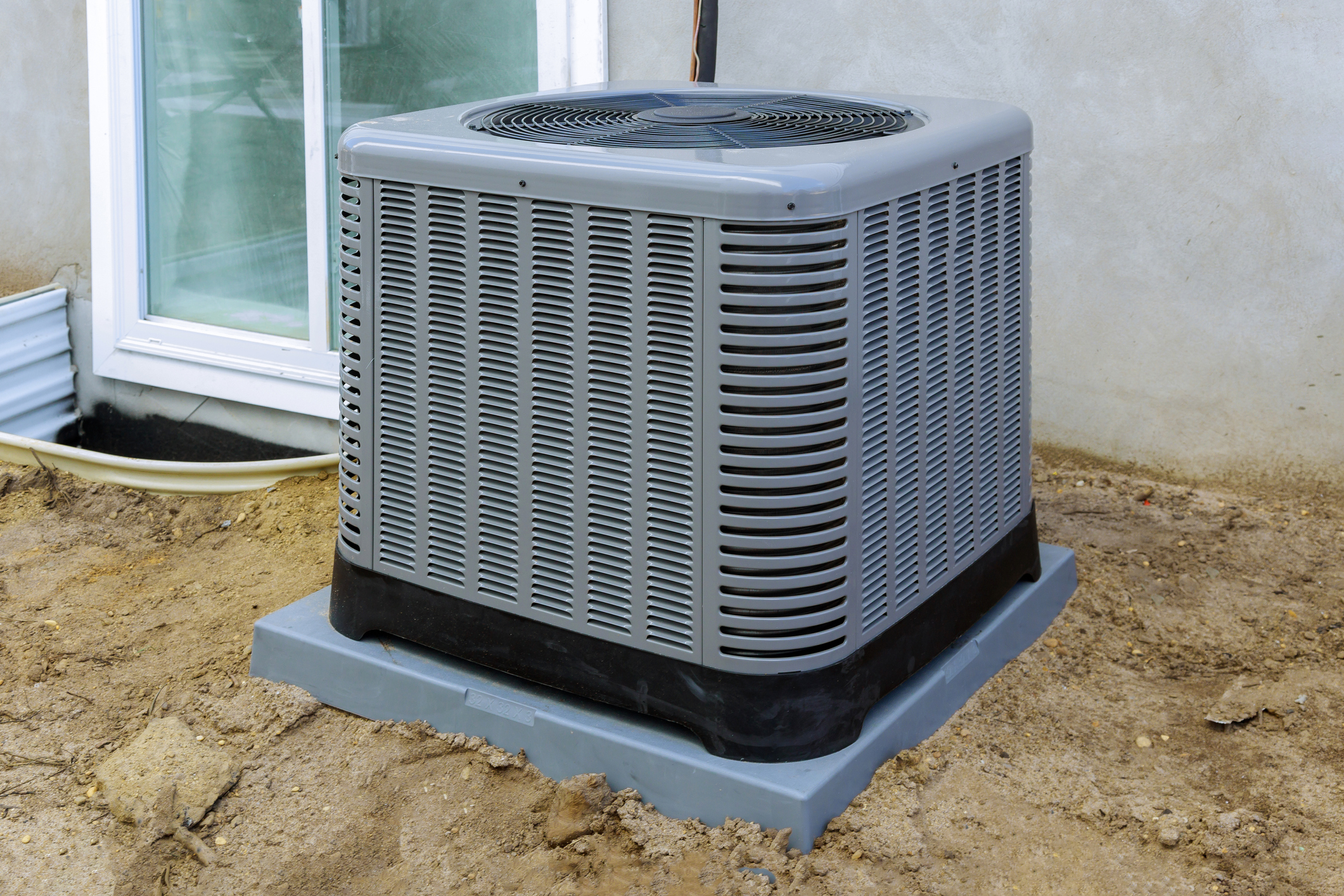
First, you’ll want to make sure your unit has enough room to breathe. For most installations, this means keeping a few feet of clearance between the unit and building obstructions like walls. You’ll want to avoid placement near other appliances like your kitchen’s ventilation system. Lastly, while keeping your outside unit hidden with landscaping might seem like a good idea, covering the area with bushes and shrubs might mean poor airflow and extra debris. 

If you’re planning on installing a new unit, you’ll want to consider the quality of the soil underneath the proposed installation site. If soil is sandy and less than sturdy, it might mean you’ll need to install a condenser pad. This will ensure the heavy equipment won’t sink into the ground.

Always Keep Track of Annual Maintenance

So, those are some of the considerations for residential HVAC installations you should keep in mind, but what about keeping your new unit running smoothly? Keeping a regular maintenance schedule is the best way for you to get the most out of your unit in terms of lifespan. Neglecting maintenance will not only risk your HVAC system’s health but also most likely void any manufacturer’s warranty.

Talk with your local servicer for HVAC in Waxahachie, TX, to establish a regular maintenance schedule. While you can do a lot on your own, like changing out your air filters, a visit from a professional means that every element of your system is ready to go. 

This will not only mean your system is always running smoothly, but regular checkups can also save you energy.  For most systems, both annual checkups and seasonal maintenance are recommended. 

Looking for Reliable Air Conditioning Repair in Waxahachie?

If you’re getting a new AC system, you’ll need to find a professional service to handle maintenance and repairs for your HVAC in Waxahachie, TX. Here at Dial One Johnson Plumbing, Cooling and Heating, our team of qualified HVAC technicians can help with everything from routine maintenance to emergency repairs. If you’re ready to get started, reach out online to schedule an appointment.

Author Bio:
Sherrie Johnson-Hartsock
Dial One Johnson Plumbing, Cooling & Heating is now owned and operated by Sherrie Johnson-Hartsock, with his grandson, Daniel Johnson, a third-generation plumber who is also the Service Manager.
Posted in

What is the Most Efficient Heating System 2022

Winters in North Texas may not get as cold as winters in the Midwest, but they’re not exactly comfortable — especially if you don’t have a high-functioning heater. As the daily lows start dipping into the 30s, it’s important to have a heating system that can keep your home at a  comfortable temperature, both for you and your plumbing system. However, if you’re like many homeowners, you may worry that running the heat will drive up your utility bills.

If your utility bills skyrocket during the summer and winter, your HVAC system may be inefficient and out-of-date, or you may need HVAC repairs. Top residential air conditioners and heaters aren’t supposed to break the bank, so if your utility bills are high, you may want to consider buying a more efficient system. Keep reading to learn why efficiency matters, how it’s measured and how to find the most efficient heating system for your home. 

At Dial One Johnson Plumbing, Cooling & Heating, we know that inefficient residential heating and cooling systems mean higher utility bills for Red Oak homeowners. That’s why we’re committed to helping you find the most efficient HVAC system for your home. 

Why Does Efficiency Matter?

It seems like everything has an efficiency rating these days, and higher efficiency products come with a higher price tag. Although energy efficiency ratings may seem like just another marketing ploy, the fact of the matter is that energy consumption affects us all. 

Energy Conservation 

If your HVAC system were cheap to operate but wasted tons of energy in the process, would you be totally comfortable with that? Probably not, because you know that energy from non-renewable sources isn’t free; it’s harvested from somewhere. In 2020, about 61% of electricity in the U.S. was generated by fossil fuels, a non-renewable resource. An energy-efficient HVAC system can go a long way in helping with energy conservation. 

Utility Bills 

Although it’s not all about the money, the money is certainly important. When utility bills are high, Texas homeowners can really start to feel the strain on their wallets. This can put a lot of pressure on people who don’t have much wiggle room in their budgets to begin with. Although buying a more energy-efficient HVAC system is a large upfront investment, it can provide homeowners with significant savings in the long run.  

How Is Energy Efficiency Measured? 

In the world of HVAC, energy efficiency is measured through rating systems. The rating system a particular heating system uses will depend on what type of energy it uses. The following are the most commonly used rating systems: 

  • Annual Fuel Utilization Efficiency (AFUE). The AFUE rating system measures how efficiently a furnace uses fuel. A furnaces’s AFUE number indicates the percentage of fuel that the furnace converts into heat (in contrast to how much it wastes in the heating process). The minimum AFUE for new systems is 78, but energy efficient furnaces can have an AFUE rating that’s close to 100. 
  • Heating Seasonal Performance Factor (HSPF). The HSPF number is a heat pump’s total heat output divided by its energy consumption. Higher numbers indicate higher efficiency. Heat pumps manufactured after 2005 should have a HSPF of 7.7, but newer models have HSPF numbers closer to 10. 
  • Seasonal Energy Efficiency Ratio (SEER). A SEER rating indicates an air conditioner or heat pump’s cooling efficiency (yes, heat pumps can cool as well as heat). Specifically, SEER measures how much energy a system requires to extract hot air. New ACs and heat pumps must meet the minimum standard SEER 13, but newer models have a SEER of around 20. 

Although it’s a lot to learn, understanding rating systems can help you make an informed purchase. Top residential air conditioners and heating systems generally have higher ratings that correspond to energy efficiency and utility savings. 

Least Efficient Heating Systems

When you’re in the market for a new HVAC system, it can be helpful to know what not to buy. That way you can mark those options off your list and move on to better ones. Even if you’re not shopping for a new heating system, it may be helpful to know what the least efficient options are. 

Electric Furnaces

Electric furnaces are some of the least efficient heating systems on the market, yet 34% of U.S. homes use them. Electric heating systems include forced-air furnaces, radiant cable heating and baseboard heaters. One of the reasons electric furnaces are more expensive to operate has to do with how the energy is produced. Electricity comes primarily from gas, so heating with electric instead of gas requires the additional steps of conversion and transport. 

Wood and Pellet Stoves

Few people still use wood and pellet stoves for heating, and for good reasons. They are inefficient, require a ton of wood to produce relatively little heat and can worsen indoor air quality. However, they are capable of heating small spaces. Pellet stoves are generally more efficient than wood stoves but shouldn’t really be in the running unless it’s your only option. 

Most Efficient Heating Systems

If you want the most efficient heating system in your home, you may want to consider a gas furnace or a heat pump. They may require a larger upfront investment, but they’ll save you tons in utility costs over time.  

Gas Furnaces

Gas furnaces are cheaper to operate than electric furnaces because they don’t require the extra steps of conversion and transport. Additionally, modern gas furnaces have several design features that improve efficiency, including sealed combustion chambers, direct spark ignition and improved filtration systems. Gas furnaces with high AFUE ratings will be the most energy efficient. 

Heat Pumps

Heat pumps work by extracting heat from the air, and they can function as both a heater and air conditioner. During the summer, they extract heat from indoors and move it outside; in the winter, they do the opposite. In moderate climates, heat pumps can heat a home in a short amount of time, but they lose efficiency in extremely cold climates. 

Red Oak HVAC Installation 

Ready to move toward a more energy-efficient heating system? Request heating service from the most trusted HVAC company in Red Oak: Dial One Johnson Plumbing, Cooling & Heating. We’ll offer suggestions to improve the efficiency of your current heating system or help you pick out the best new HVAC for your home. Whether you’re shopping for top residential air conditioners or heating systems, we’ve got you covered. Visit us online to schedule service or give us a call at 972-291-0740 today.

Author Bio:
Sherrie Johnson-Hartsock
Dial One Johnson Plumbing, Cooling & Heating is now owned and operated by Sherrie Johnson-Hartsock, with his grandson, Daniel Johnson, a third-generation plumber who is also the Service Manager.