Experiencing an emergency? Call 972-914-0833

Ready to Experience the Dial One Johnson Difference?

Your go-to resource for HVAC and plumbing solutions, DIY guides, and home maintenance tips.

Got an emergency? Call 972-914-0833 or …

Explore by topic:
Posted in

How To Determine Generator Size for Your Home

Keep your home running smoothly, no matter what the weather brings. Call us today to schedule generator service.

When the lights go out, and you’re left in the dark, knowing you have a reliable backup power source brings peace of mind. But how do you ensure that your backup power, like house generators, is the right size for your home? This is where understanding how to determine generator size for a home becomes crucial.

At Dial One Johnson Plumbing, Cooling & Heating, we recognize the importance of having the right generator size to keep your essential appliances, such as the water heater and sump pump, running smoothly during power outages. In this guide, we will explain how to determine the generator size for your home. Discover the essentials of generator sizing with our generator service in Dallas.

Determine How Much Power You Need

The first step in selecting the right generator for your home is to figure out how much power you actually need. Start by listing all the devices and appliances you want to power during an outage. This includes everything from inverter generators to your water heater and sump pump.

The size of the generator will depend on the total wattage of all these devices combined. The more devices (and the more power your home uses), the bigger the generator.

Figure Out How Much Power Your Home Uses

Understanding your home’s total energy usage is crucial for selecting a generator that can meet your needs while protecting your electrical system. Here’s how you can figure out how much power your home needs:

  • Review Your Energy Consumption: Gather your energy bills from the past year to understand your monthly electricity usage.
  • Calculate Average Consumption: Add up the total kWh (kilowatt-hours) used over the year and divide by 12 to get your average monthly consumption.
  • Determine Generator Capacity: Use your average monthly consumption as a guide to estimate the size of the generator. Generators are rated in kilowatts (kW).
  • Consider Essential Appliances: List appliances and systems you consider essential during an outage (e.g., refrigerator, lights, water heater, sump pump).

Calculate or Estimate Your Starting and Running Watts

Part of learning how to determine generator size for your home is calculating your starting and running watts.

Every appliance has a starting wattage (the initial surge of power needed to start the appliance) and a running wattage (the continuous power needed to keep the appliance running).

Summing up these wattages for all the appliances you wish to run simultaneously will help you understand the generator size you need. Tools like the one provided by Aksa can be invaluable for this calculation.

Pick a Fuel Type

Generators run on various fuel types, each with its own advantages and limitations:

  • Gasoline, while readily available, may not be the most efficient or cost-effective option for long-term use due to its shorter shelf life and higher volatility. 
  • Natural gas offers a cleaner and often more accessible alternative, especially if your home is already connected to a gas line, making it a convenient choice for many. 
  • Propane is a popular choice for its long shelf life and cleaner burning properties, though it requires proper storage. 

Consider the availability, storage, and cost of these fuel types in your area when choosing a generator, as these factors will significantly impact your generator’s operational efficiency and convenience.

Determine What Type of Generator You Want and the Available Features

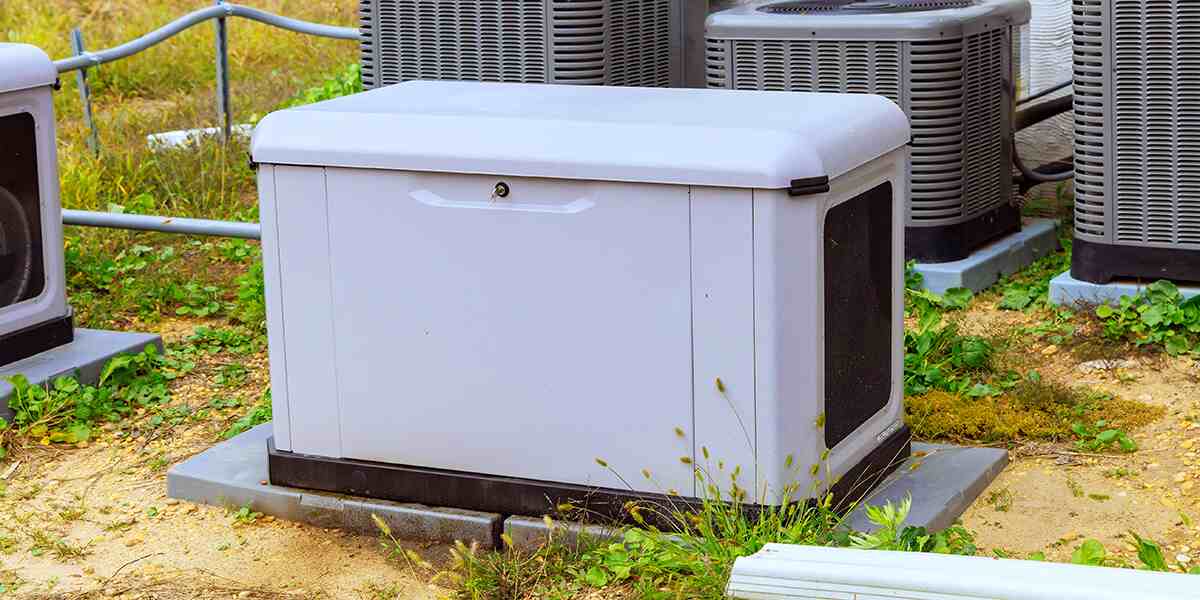
From standby generators that automatically power your home during an outage to manual start inverter generators, the market offers a wide range.

Standby generators are more convenient but also more expensive, providing a seamless transition to backup power without manual intervention.

Inverter generators are quieter and more efficient, making them ideal for running sensitive electronic devices, and their portability allows for versatile use in various settings, not just at home. 

Ensuring regular generator maintenance is crucial for keeping your backup power system in top condition. Additionally, should issues arise, timely generator repair can prevent prolonged outages and disruptions.

Let Dial One Johnson Plumbing, Cooling & Heating Help You Find the Perfect Generator

Choosing the right generator size for your home doesn’t have to be complicated. At Dial One Johnson Plumbing, Cooling & Heating, we work with you to ensure your home remains powered during those critical moments. We can help you learn how to determine generator size for your home, find the most efficient HVAC systems, and more.

With our expertise in generator service in Dallas, you can rest assured that your home will remain comfortable and functional, no matter the weather. For more information, call Dial One Johnson Plumbing, Cooling & Heating at 972-914-0833, and let us guide you through how to determine the right generator size for your home.

Author Bio:
Sherrie Johnson-Hartsock
Dial One Johnson Plumbing, Cooling & Heating is now owned and operated by Sherrie Johnson-Hartsock, with his grandson, Daniel Johnson, a third-generation plumber who is also the Service Manager.
Posted in

How Much Backup Power Do I Need?

Don’t wait for the next power outage to leave you in the dark. Call us for generator installation and take the first step toward uninterrupted power, comfort, and safety.

In today’s world, where energy demands are ever-increasing and unexpected outages are becoming more common, having a reliable backup power solution is not just a luxury; it’s a necessity.

Here, Dial One Johnson Plumbing, Cooling & Heating, will delve into the essentials of generators and backup power and answer the question, “How much backup power do I need?” From understanding your power requirements to finding reliable generator service in Dallas, we’ve got you covered. 

How Do You Know What Size Battery Backup System Your Generator Needs?

The size of the battery system you need for your house varies depending on several factors, making it essential to conduct a thorough assessment of your household’s energy needs. 

Beyond just considering your energy consumption, it’s important to factor in the efficiency of the battery system itself. Some systems may offer higher efficiency, meaning less energy is wasted during the conversion process, which can significantly impact the overall capacity required to meet your needs. 

The climate and location of your home can influence your backup power requirements. Homes in areas prone to frequent power outages due to extreme weather conditions might need a more robust system compared to those in regions with stable power supply; this is also helpful for protecting your electrical system and your family’s safety.

Steps to Calculate How Much Backup Power You Need for Your Home

Calculating the right size generator for your home requires a systematic approach to ensure accuracy and efficiency. 

List Critical Appliances and Devices

Begin by making a comprehensive list of all the critical appliances and devices you need to operate during a power outage. This list typically includes

  • Refrigerators
  • Sump pumps
  • Light bulbs
  • Heating and cooling systems
  • Medical devices

Note the Wattage of Each Appliance

For each item on your list, note its wattage, which you can usually find on the appliance itself or in the user manual. The wattage indicates the power consumption of the appliance.

Estimate Usage Duration

One factor that people tend to overlook when answering the question, “How much backup power do I need?” is how long they need backup power. 

Determine how long each appliance needs to run during an outage. Some, like refrigerators, need continuous power, while others, like light bulbs, may only be needed for a few hours each day.

Calculate Total Energy Consumption

For each appliance, multiply the wattage by the number of hours you expect to use it during an outage. This gives you the energy consumption in watt-hours (Wh) for each appliance. Add up these amounts to get the total energy consumption.

Consider Inefficiency Factors

Generators are not 100% efficient; some energy is lost in the conversion process. Factor in an inefficiency rate (usually around 10-20%) to your total energy consumption to ensure your battery system can cover this loss.

Account for Multiple Days

If you’re preparing for outages lasting more than a day, multiply your daily energy consumption by the number of days you want to be prepared for. This step is crucial for areas prone to long-term power outages.

Assess Solar Panel Integration (If Applicable)

If you plan to recharge your battery system with solar panels during an outage, calculate the expected daily solar input based on your panel’s specifications and average sunlight hours. This can offset some of your energy consumption calculations.

Consider Your Different Generator Options

Once you determine your power needs and the duration of potential outages, it’s time to explore generator options, all while keeping future maintenance in mind.

The top-tier choice often leans towards a whole-home generator, offering a substantial 150% return on your investment. For those aiming to sustain essential appliances like a refrigerator and a few lights during an outage, a 5.5-kilowatt generator proves sufficient.

On the other hand, opting for an 8-kilowatt generator brings more power to the table. This robust unit can effortlessly support up to four 15-amp convenience circuits in an average household. This ensures ample power to keep lights glowing, devices charged, and food refrigerated—all while considering the essential aspect of generator maintenance.

Choosing the right generator is crucial, but ensuring its longevity and performance requires a commitment to regular generator maintenance. By scheduling routine check-ups and addressing any issues promptly, you can optimize your investment and guarantee a reliable power source when you need it most.

Powering Through the Unexpected With Dial One Johnson Plumbing, Cooling & Heating

“How much backup power do I need for my generator?” The answer depends on your home’s energy consumption, the potential duration of outages, and other factors.

Our experienced team at Dial One Johnson Plumbing, Cooling & Heating can guide you through preparing for blackouts and ensure you have a reliable backup power system in place. Let us help you stay powered through anything.

Posted in

All About ERCOT Grid Conditions: Navigating the Complexities of Energy Management

Don’t let ERCOT rolling blackouts disrupt your life. Call Dial One Johnson Plumbing, Cooling & Heating today and take the first step toward reliable energy management.

When managing your Texas home’s energy, understanding the ERCOT grid conditions is crucial. The Electric Reliability Council of Texas (ERCOT) plays a pivotal role in ensuring the stability and reliability of the power grid across the state. 

With energy demands fluctuating and the risk of power outages always looming, staying informed about the grid’s current state can help you make better decisions for your home’s energy management. In this guide, Dial One Johnson Plumbing, Cooling & Heating explains ERCOT grid conditions and how they impact daily life. Discover how generator service in Dallas can be your first step toward energy independence, even during rolling blackouts.

What ERCOT Grid Conditions Look Like

The Electric Reliability Council of Texas (ERCOT) operates a comprehensive dashboard that provides real-time insights into the grid conditions of Texas’ power network. This dashboard categorizes the grid’s operational status into five color-coded levels, each representing different conditions and the corresponding actions required to maintain or restore grid stability:

  • Green: Indicates normal grid conditions. The system is stable, with over 3,000 megawatts (MW) of operating reserves available.
  • Yellow: Signals that conservation efforts are necessary when operating reserves drop below 3,000MW. Consumers and businesses should reduce electricity use to help maintain grid reliability.
  • Orange: Emergency Level 1. At this stage, there are no controlled outages, but the operating reserves have fallen below 2,300MW and may not recover within 30 minutes. This level prompts additional measures to avoid further depletion of reserves.
  • Red: Emergency Level 2. While there are still no controlled outages, the situation is more severe, with operating reserves below 1,750MW and no expectation of recovery within 30 minutes. This level indicates a higher risk of outages if conditions do not improve.
  • Black: Emergency Level 3, the highest state of emergency. Controlled outages begin as the operating reserves dip below 1,000MW without an expectation of recovery within 30 minutes. These outages are a last resort to prevent a more extensive, uncontrolled blackout.

On the ERCOT website, you can also view a dashboard with real-time data on energy supply and operational reserves, energy demand, and system-wide wholesale electricity prices.

By monitoring system conditions and the projected power supply, you can adjust your energy usage accordingly, ensuring you’re part of the solution in maintaining grid reliability.

The Importance of Being Prepared for ERCOT Blackouts

In an era where energy demands are ever-increasing, being prepared for any scenario is more important than ever. This includes understanding the potential for ERCOT rolling blackouts and how they can affect your daily life. 

Rolling blackouts are a last-resort measure to prevent the grid from being overwhelmed, leading to widespread power outages. 

To improve your home’s electrical safety against the unpredictability of the power grid, consider investing in a generator. Generators come in various types and sizes:

  • Portable Generators: Ideal for occasional use and powering a limited number of appliances.
  • Standby Generators: Permanently installed outside the home, these generators automatically power on during an outage, providing uninterrupted electricity to the entire house.
  • Inverter Generators: Known for their quiet operation and efficiency, inverter generators can power sensitive electronic devices due to their stable power output.

Each type of generator has its advantages, from portability and cost-effectiveness to automatic operation and environmental friendliness. Choosing the right generator depends on your needs, such as the size of your home, the appliances you need to power, and your budget.

Dial One Johnson Plumbing, Cooling & Heating: Your Partner in Energy Management

Navigating the complexities of ERCOT grid conditions can be daunting. However, with Dial One Johnson Plumbing, Cooling & Heating by your side, managing your home’s energy needs becomes a breeze. 

By staying informed about ERCOT grid conditions and taking steps to prepare your home for any situation, you can maintain comfort and safety for your family. For those concerned about the impact of potential ERCOT rolling blackouts, our team is here to provide solutions that keep your lights on and your home running smoothly.

At Dial One Johnson Plumbing, Cooling & Heating, we understand the importance of reliable energy management. Our services can give you peace of mind, knowing that your home is prepared for whatever the ERCOT grid conditions may bring. With a focus on customer satisfaction and technical excellence, we’re here to support you in all your energy management needs.

For more information or to schedule a consultation, call us at 972-703-5133. Let us help you navigate the complexities of ERCOT grid conditions together.

Author Bio:
Sherrie Johnson-Hartsock
Dial One Johnson Plumbing, Cooling & Heating is now owned and operated by Sherrie Johnson-Hartsock, with his grandson, Daniel Johnson, a third-generation plumber who is also the Service Manager.

Posted in

The Five Benefits of Using a Home Generator

Have you ever experienced the frustration of a sudden power outage? By using a home generator, you can avoid power disruptions that leave you unable to use lights or appliances, even during rolling blackouts or outages. At Dial One Johnson Plumbing, Cooling & Heating, we understand the importance of an uninterrupted power supply in your daily life.

In this guide, we’ll explore the various benefits of having a home generator, ensuring you’re never left in the dark. Discover how our generator service in Dallas can be a game-changer for your home.

1. Provides Emergency Power

In emergencies, the ability to swiftly restore power is not just a convenience but a necessity. A home generator can detect a power outage instantly and activate within seconds, seamlessly restoring electricity to your home. This rapid response is essential in maintaining a safe and comfortable environment, especially during extreme weather conditions or unexpected blackouts.

For families with young children or individuals with health concerns, the quick restoration of power ensures that their routine remains undisturbed, from keeping the lights on to ensuring that HVAC systems continue to function.

2. Protects Your Appliances

Your home’s essential appliances, such as refrigerators, HVAC systems, and security systems, rely heavily on a consistent power supply. Using a home generator ensures these critical appliances keep running, safeguarding your home’s comfort and security. This continuous power transfer is crucial, especially during extreme weather conditions or unexpected power outages.

Moreover, it prevents the risk of damage to sensitive electronic appliances caused by sudden power surges when the main supply returns. For those working from home, it ensures uninterrupted internet connectivity and the operation of computers, which is vital for maintaining productivity.

A generator positioned at least 20 feet away from your home ensures safety while providing the necessary power, adhering to safety standards and offering peace of mind.

3. Reduces Unexpected Expenses During Power Outages

Investing in a home generator can significantly cut down on unexpected costs during power outages. When the power goes out, you might face expenses like hotel stays or dining out. A generator works efficiently to restore power, keeping your home operational and saving you money in the long run. It’s a smart financial decision that pays off, especially during extended power outages.

Additionally, the ability to store fuel for your generator means you’re prepared even if the outage lasts several days. Frequent outages can also lead to wear and tear on your appliances due to inconsistent power supply, but a generator helps mitigate this issue. Furthermore, having a generator increases your property’s value, making it a wise investment for the future.

4. Prevents Your Food From Spoiling

A prolonged power outage, lasting for hours or even days, poses a serious risk of food spoilage. Without power, refrigerators and freezers quickly lose their cooling ability, leading to the deterioration of perishable items like meat, dairy, and fresh produce. This not only results in the wastage of valuable groceries but also poses a health risk due to potential foodborne illnesses.

With a home generator, you can avoid these issues. It ensures that your refrigerator and freezer maintain their optimal temperatures, preserving the freshness and nutritional value of your food supplies. This continuous operation is particularly crucial during emergencies when access to grocery stores might be limited or impossible.

5. Keeps Essential Medical Devices On

If someone in your household has medical needs, uninterrupted power transcends convenience and becomes a critical matter of health and safety. Backup generators play a pivotal role in ensuring that essential medical devices, such as oxygen concentrators, home dialysis machines, CPAP machines for sleep apnea, and other vital health equipment, continue to operate without interruption. 

For individuals reliant on oxygen concentrators, any power disruption can quickly become a dire emergency. Similarly, for those undergoing treatments like home dialysis, consistent power is essential to complete their medical procedures safely and effectively.

Thanks to backup generators, caregivers and patients alike can rest assured that their health and well-being are not at the mercy of unpredictable power outages.

The Power of Preparedness With Dial One Johnson Plumbing, Cooling & Heating

Understanding the benefits of using a home generator is the first step towards a more secure and comfortable home. At Dial One Johnson Plumbing, Cooling & Heating, we specialize in keeping your home powered and protected.

For expert generator repair and maintenance, trust us to ensure your generator is always ready for action. Call us at 972-645-4760 for all your home generator requirements, and experience the peace of mind that comes with being prepared.

Author Bio:
Sherrie Johnson-Hartsock
Dial One Johnson Plumbing, Cooling & Heating is now owned and operated by Sherrie Johnson-Hartsock, with his grandson, Daniel Johnson, a third-generation plumber who is also the Service Manager.

 

Posted in

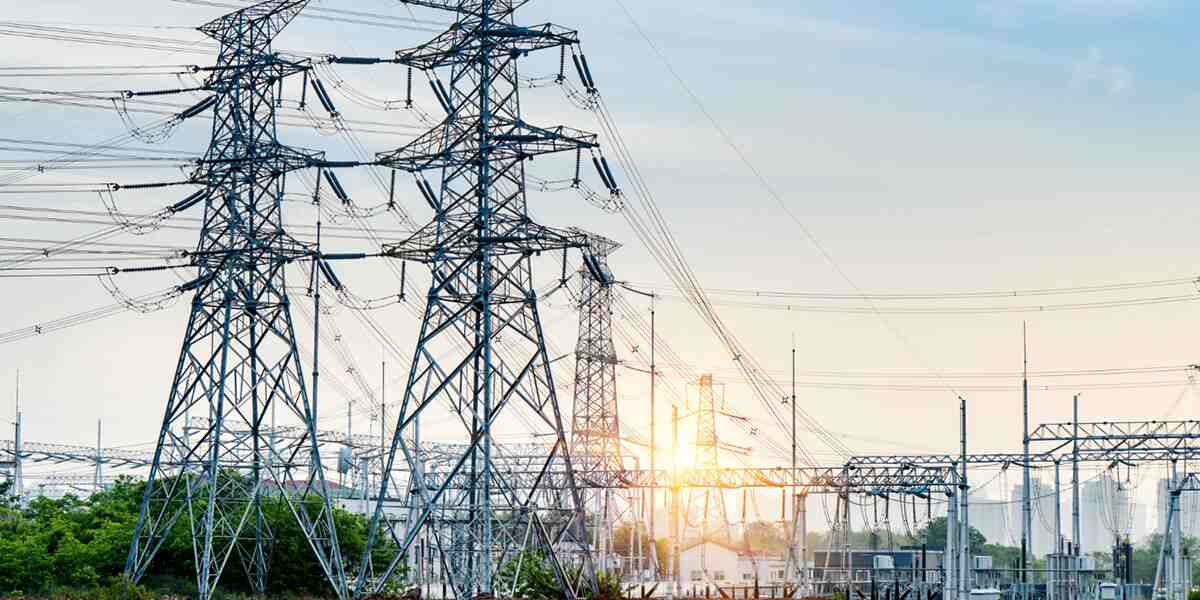
How To Prepare for Rolling Blackouts

As the seasons change, the possibility of rolling blackouts becomes a reality for many. Understanding how to prepare for these events is crucial. Dial One Johnson Plumbing, Cooling & Heating, experts in home maintenance and safety, are here to guide you through this process.

With our generator service in Dallas, we ensure your home remains powered and safe. In this guide, our electricians explain how to prepare for rolling blackouts.

Understanding Rolling Blackouts

How long do rolling blackouts typically last, and what can you expect when they occur?

Understanding the factors that lead to rolling blackouts can help you better prepare for them. These outages are more likely: 

  • During extreme weather conditions, such as heatwaves or severe storms
  • When the demand for electricity spikes
  • When the energy grid infrastructure is damaged

It’s also important to recognize that utility companies sometimes plan these blackouts in a controlled manner to minimize disruption, often rotating them through different areas to spread the impact evenly. This planning helps ensure that no single area is without power for too long, although the exact duration can still be unpredictable.

Prepare Your Home With a Backup Generator

To prepare for rolling blackouts, it’s crucial to have a robust plan for backup power. Backup generators keep essential appliances like refrigerators, medical equipment, and heating or cooling systems running and ensure that your home remains a safe and comfortable haven during power outages.

First, you need to pick the right generator for your home. Here are some factors to consider when learning how to prepare for rolling blackouts with generator installation.

Type of Generator

Portable generators are more affordable and movable, while standby generators automatically turn on during an outage and offer higher power output.

Fuel Source

Generators run on various fuels such as gasoline, diesel, propane, or natural gas. Each has its pros and cons in terms of availability, storage safety, and running costs. Gasoline, for instance, is readily available but has a shorter shelf life.

Safety Features

Look for generators with built-in electrical safety features like carbon monoxide detectors and automatic shut-offs to enhance safety during operation.

Stay Informed About Planned Rolling Blackouts

In addition to signing up for alerts, regularly check local news and weather forecasts, as they often provide updates on power grid status and potential blackout conditions. Utilize social media platforms and community groups, which can be valuable sources of real-time information and tips from neighbors experiencing similar issues.

Also, consider downloading dedicated apps that provide notifications and advice specifically for power outages and emergency situations, ensuring you’re always one step ahead in your preparation.

Consider Power Source Alternatives

One way to keep your home powered during an outage is by relying on another source, like solar. Solar power uses the sun’s rays to provide your home with electricity. By relying on solar power, you won’t have to worry about losing power, even if a city-wide blackout occurs.

Gather Essential Supplies and Have Them Readily Accessible

Having a well-stocked emergency kit is vital for navigating rolling blackouts successfully. In addition to the basics like flashlights, batteries, a first-aid kit, and non-perishable food, there are several other items you should consider including:

  • Water Supply: Store at least one gallon of water per person per day for at least three days for drinking and sanitation. 
  • Battery-Powered or Hand-Crank Radio: This will keep you connected to news and weather updates, especially if your smartphone runs out of power.
  • Warm Clothing and Blankets: In case the blackout affects your heating system, having extra warm clothing and blankets can help keep everyone comfortable.
  • Portable Phone Chargers: Keep a fully charged portable charger to power your mobile phones, keeping lines of communication open.
  • Emergency Contact List: Have a physical list of important phone numbers in case your cell phone dies or you lose access to digital contacts.
  • Candles and Matches: In case batteries run out, candles can provide light, but always use them with caution to prevent fire hazards.

You should also remember to keep the gas tank full for your car or generator.

Stay Prepared With Dial One Johnson Plumbing, Cooling & Heating

Understanding how to prepare for rolling blackouts is crucial for your safety and comfort. Dial One Johnson Plumbing, Cooling & Heating is here to help. With our expertise in generator maintenance, we ensure your backup power systems are always ready.

Our team offers comprehensive solutions tailored to your needs. For assistance with rolling blackout preparations, call us at 972-645-4760. Trust Dial One Johnson Plumbing, Cooling & Heating to keep your home safe and powered.

Author Bio:
Sherrie Johnson-Hartsock
Dial One Johnson Plumbing, Cooling & Heating is now owned and operated by Sherrie Johnson-Hartsock, with his grandson, Daniel Johnson, a third-generation plumber who is also the Service Manager.
 

Posted in

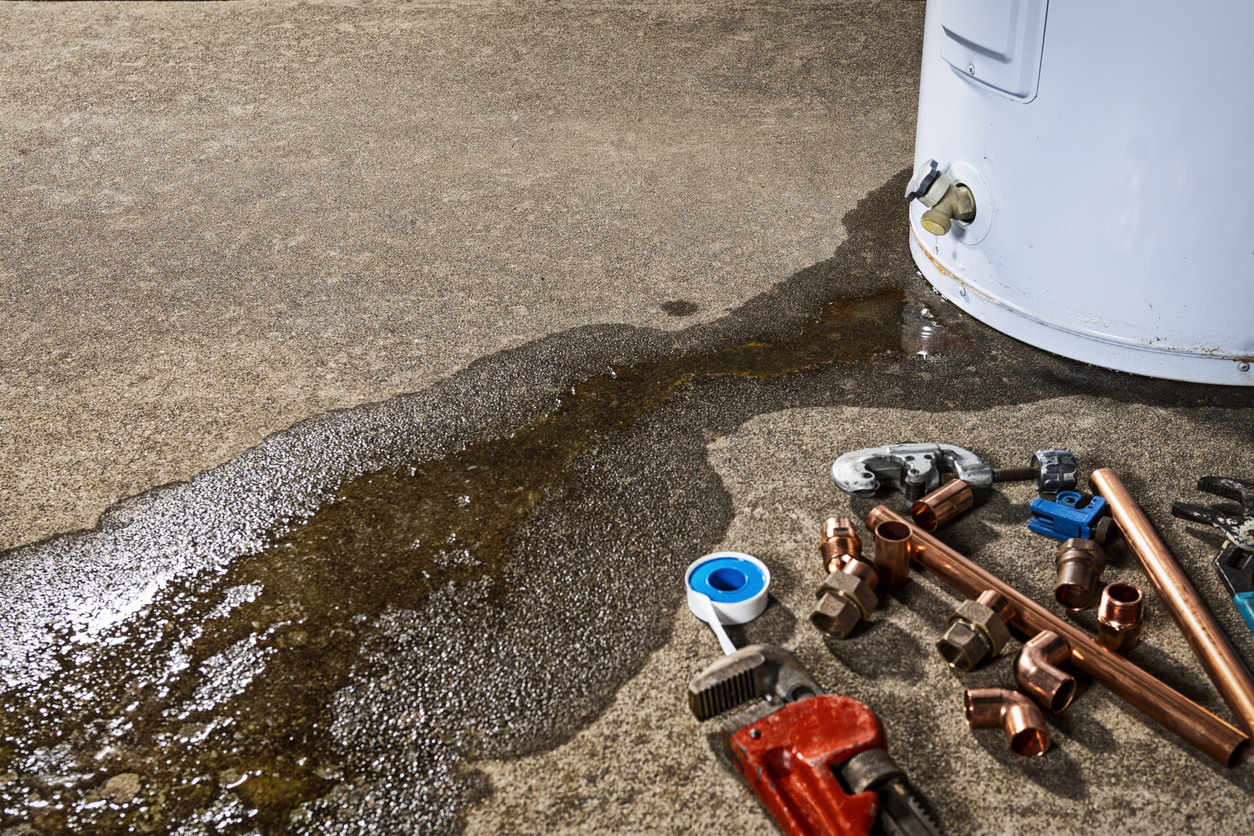
5 Reasons for Water Heater Leaks

Water leaks can cause extensive structural damage, flowing into the walls and flooring in your home. One of the most common sources of leaks is the water heater. Issues such as an old tank, damaged drain valve, high water pressure, and sediment buildup can cause the water heater to leak or damage the base where water can flow out.

It is important to monitor your water heater and identify any possible leaks around the base or floor. You can also schedule a professional water leak detection service from a reputable plumbing company in Dallas, Texas. Catching water heater overflow or leaks as they occur can minimize damage to your home and save you hundreds of dollars in structural repairs.

1. Old Water Heater

How long should a water heater last?

  • A traditional water heater lasts an average of eight to 12 years.
  • A tankless water heater can last up to 20 years.

Once a water heater reaches its life expectancy, you can expect to schedule water heater repair more often. As the tank ages, the parts wear out. The tank may have tiny cracks, or the pipes may have loose connections. You may have to replace some parts. The inside of the unit may also have corrosion. Regardless of the issue, an old water heater will show wear. 

If you move into an older home, you should check the age of the water heater. You may even want to schedule a water heater inspection to see if you need to address any issues. Doing so may prevent water heater leaks. 

2. Loose Drain Valve

Water heater drain valves drain the hot water from the tank to remove built-up sediment. They are typically at the bottom of the tank, which allows the water to drain effortlessly. If you notice dripping or a small stream of water coming from the valve, it signifies that it is either damaged or old and needs repair. There are two main issues with loose drain valves.

  1. Worn-out plastic – Some hot water tank drain valves consist of plastic. Over the years, plastic has become brittle. When the valve empties the drain tank, the plastic can crack and allow water to leak out of the tank.
  2. Failing gasket – Plastic drain valves also use a gasket. Since the rubber gasket will deteriorate over time, losing its seal in the valve. You may notice water slowly trickling from the drain valve gasket.

3. Excessive Water Pressure

Normal water pressure inside a water heater is 50 to 100 PSI. Your unit contains a water pressure valve to ensure the water heater maintains the right pressure. The valve relieves excess pressure in the water heater tank. Doing so prevents excess pressure buildup that can cause a tank to burst, leading to a massive water leak. 

There are three main causes of excessive water pressure.

  1. Valve adjustment – Water pressure will build inside the tank if you shut the valve too tight. The tank can withstand a certain amount of pressure. However, it will burst if the pressure from the hot water gets too high. 
  2. Faulty valve – The water pressure valve may be stuck or damaged. Although it is possible to repair a valve, your best option is to replace it if it’s old or heavily damaged. A valve replacement is affordable and simple.
  3. Hot Water – Experts recommend maintaining a hot water temperature of 130 to 140 degrees Fahrenheit. If the water is too hot, it will create water pressure inside the tank, causing it to burst. Inspect your water temperature and lower it if it is above 140 degrees.

4. Loose Inlet or Outlet Connection

Most water heater leaks occur around the base’s bottom of the unit. However, leaks can occur at the top of the tank around the inlet or outlet. Inspect the heater and look for water leaks in one of these three areas.

  1. Fittings – You may notice that water leaks when the inlet or outlet fittings meet the water heater. The fittings may be loose and require tightening using a wrench. They may also have corrosion. If so, they’ll need a replacement.
  2. Faulty Valve – By now, you’ve probably noticed that your water heater has a lot of water valves that control different functions of the tank. The inlet and outlet pipes also have valves that control water flow. The valves may be leaking. 
  3. Pressure Relief Valve – The pressure relief valve may be on top of the water heater instead of the bottom. Check the pressure relief valve to see any loose connections or leaks.

5. Damaged Or Old Water Heater Tank

Standard water heaters contain two shells. The external shell provides insulation for the internal shell, which holds the water. A final layer of metal covers both shells. Water heater leaks in the internal shell are difficult to spot but occur because of age and deterioration. You don’t see this type of leak outside the tank. 

Some water heaters have an additional tank to expand the amount of water they hold. These tanks sometimes use glass to line the tank. Over time, minerals collect and calcify on the glass. It causes the glass to crack and leak water. Additionally, when the water becomes hot, it expands, which puts stress on the glass and causes small cracks. Replacements are necessary in both cases. 

Schedule Water Heater Repair in Dallas, Texas

Don’t let a bad water heater keep you from getting hot water. Contact Dial One Johnson Plumbing, Cooling & Heating Repair for complete water heater repair in Dallas, Texas. We can perform a full assessment of your home to find and fix any problems. To schedule water heater services in Dallas, Texas, fill out our contact form or call us.

Author Bio:
Sherrie Johnson-Hartsock
Dial One Johnson Plumbing, Cooling & Heating is now owned and operated by Sherrie Johnson-Hartsock, with his grandson, Daniel Johnson, a third-generation plumber who is also the Service Manager.

Posted in

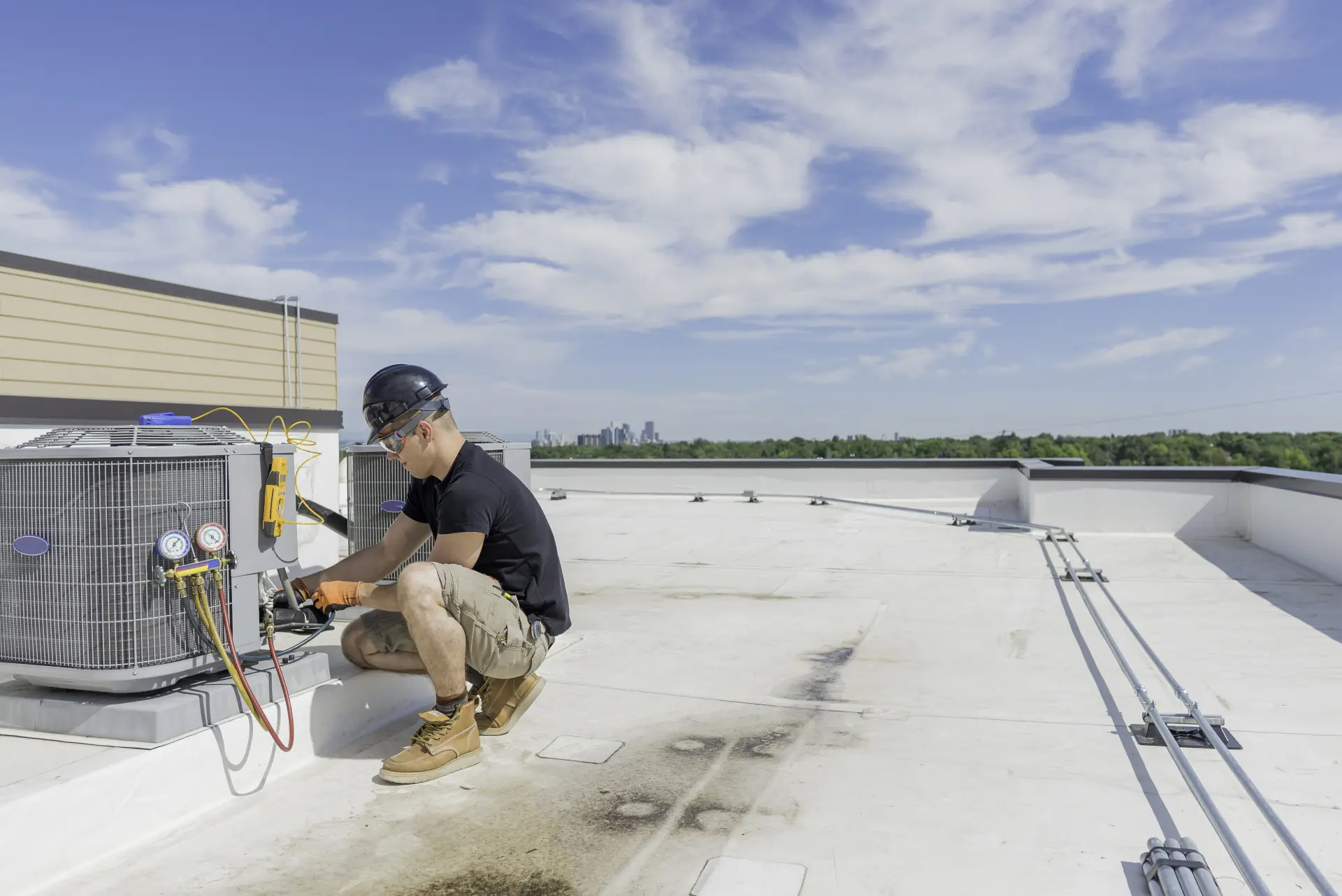
Make Sure Your HVAC System Is At Peak Performance

When summer temperatures begin to climb, you must ensure that your air conditioner runs efficiently. It can cost you a small fortune to try and stay cool if your HVAC system is not keeping up.

In this article, we will discuss with you several different ways to ensure that your air conditioning system is running at peak performance and costing you as little as possible to run while dealing with the intense heat in the Dallas, Texas area.

Change your filters

Changing your filters is a vital part of HVAC ownership. Your unit will begin to develop many different problems if your filters become overly clogged up. One of which will be decreased efficiency and higher cost to run. The other is poor indoor air quality which we will discuss further in another post.

You should be checking and changing your filters to the manufacturer’s specifications. This means that if your filter is recommended to be changed every 90 days, it should be checked and changed every 90 days. However, some specialty filters only need to be changed once per year.

It is also possible that you will need to change your filter more often. If you smoke within your home, have animals, or live on a dirt road, you may naturally have more dirt and debris accumulate in your filters, requiring them to be changed more often. 

Outdoor unit cleanliness

Another thing that you can do as a homeowner is to ensure that your outdoor unit is clean and free of debris. You will want to do your best to ensure that no excess waste, such as leaves, grass clippings, and limbs, is built up around or inside the unit.

You will also want to ensure that the coil itself is clean and free of damage. You should routinely wash your outdoor unit coils off with a garden hose. Even if the coils do not look overly dirty, there can still be excessive dirt built up between the coil fins. If you live in the Lancaster, TX area, you can contact a licensed, professional team to schedule a cleaning service where we will come to your home and clean your entire system.

You should also be aware of the condition of the fins themselves. The fins are the vertical pieces of aluminum that make up your coil. If these coils get bent over, it will restrict the airflow and will not allow the warm air to escape the unit and cool off your home.

Ensure that there is not an excess of vegetation or physical barriers preventing the unit from working as well as it should. This includes vines or bushes growing into or around your air conditioner. Also, any other units, walls, decks, or obstructions that could block the airflow going into the sides or out of the top of your outdoor unit should be addressed if possible.

Schedule routine maintenance

The best way to ensure your unit continues to operate at peak performance is to schedule routine maintenance. This will allow highly trained service technicians to inspect your air conditioning system and ensure that it is clean and operating to its peak level of performance.

Our service technicians will inspect your indoor and outdoor units, ensuring that they are clean and allowing the proper airflow through. Next, they will check your air filters to ensure that your filters are not restricting the airflow.

They will also check the refrigerant levels to ensure that your unit is running at the proper level and performing as it should and can schedule any needed HVAC repairs before they turn into a major problem. 


Conclusion

You must ensure that your heating and air conditioning system is performing at peak performance. Not only will it help you stay cool through the summer heat, but a properly running system also saves you money by not having to work as hard to cool your home off. That is why it is so important for you to set up a maintenance call for all of your summer tune-up needs.

At Dial One Johnson Plumbing, Cooling and Heating, we provide repairs, maintenance, installations, replacements and even 24 hour emergency services so that you will never be without a functioning air conditioner. Family-owned and operated since 1965, Dial One Johnson has been a trusted company in the Cedar Hill and Dallas area for over 50 years. If you need service or replacement, contact us today!

Author Bio:
Sherrie Johnson-Hartsock
Dial One Johnson Plumbing, Cooling & Heating is now owned and operated by Sherrie Johnson-Hartsock, with his grandson, Daniel Johnson, a third-generation plumber who is also the Service Manager.
Posted in

AC Installation: Common Mistakes and How to Avoid Them

Since your AC plays a crucial role in ensuring optimal comfort levels in your home, you must ensure that it performs optimally at all times. Therefore, purchase the right system for your home and ensure that your technician does the installation job well.

AC mistakes can happen, especially if you don’t hire an experienced contractor. Mistakes during installation significantly impact the comfort of your home and the durability of the AC system. Read on to discover some common AC installation mistakes and ways to avoid them.

Purchasing the Wrong AC Unit

Since AC units come in various designs and sizes and with varying features, the best HVAC system for your home depends on your needs and size. For example, if you have a huge house with numerous rooms, an undersized AC system must overwork to meet your home’s heating and cooling needs, leading to frequent breakdowns and a shorter lifespan.

On the other hand, if you buy an oversized HVAC system for a small house, the excess power leads to short cycling, increasing the system’s wear and tear. If you don’t replace such an AC with a smaller one, excessive wear and tear increases the possibility of a breakdown.

An AC system that is the wrong size can also lead to higher energy bills due to decreased efficiency — either by overworking or short cycling. Avoid buying the wrong HVAC size by asking for help when selecting an AC for your home.

Choosing an Incorrect Position for Your Thermostat

The thermostat is a crucial component of your AC system. When you set your optimal temperature, the thermostat automatically regulates your home’s climate control, depending on your home’s indoor temperature.

Therefore, if you place your thermostat in the wrong position, like in direct sunlight, near your kitchen, above air vents, or near openings like doors and windows, the thermostat takes false readings and adjusts your indoor temperatures incorrectly.

For example, if you place your thermostat in a position that receives direct sunlight, the sun’s heat gives it a false reading that your home needs cooling, causing the AC to turn on when you don’t need it.

The proper position for the thermostat is away from any of the wrong places discussed above. Also, since your thermostat adjusts heating and cooling depending on the surrounding temperatures, consider the rooms where you spend the most time.

Installing the AC Unit in the Wrong Position

Like the thermostat, an AC unit can lose functionality and efficiency if positioned incorrectly. For example, if you install your AC unit in an area with no shade, the unit has to work harder, leading to higher energy use.

An AC system also requires clearance to operate efficiently. If you install your AC in a confined area, the machine may pull in warmer air, hindering its ability to cool your home. The ideal position for an AC condenser is in a shaded area with enough airflow.

Placing Your Vents on the Wrong Spots

Your vent’s position plays a huge role in the efficiency of your air conditioning system. If you place vents in the wrong areas, your home won’t enjoy adequate airflow. Therefore, ensure that your home’s vents are away from obstruction for free circulation or air throughout your house.

Since the way you install your AC system determines its ability to flawlessly heat and cool your home, avoid the mistakes above to reap all the benefits of having an AC system. The best way to avoid these mistakes is by hiring an experienced air conditioning contractor to install your AC system.

At Dial 1 Johnson, we only hire the most experienced and trustworthy technicians to ensure quality workmanship. Contact us today to schedule a consultation.

Author Bio:
Sherrie Johnson-Hartsock
Dial One Johnson Plumbing, Cooling & Heating is now owned and operated by Sherrie Johnson-Hartsock, with his grandson, Daniel Johnson, a third-generation plumber who is also the Service Manager.

Posted in

Common Air Conditioner Problems Cedar Hill Homeowners Face

If owning a home is the American dream, a broken HVAC system in the middle of the summer is an American nightmare. Follow along for some typical AC problems and a few tips to minimize them. 

Dirt Problems

The most common air conditioner problem homeowners face is dirty components. While most people know that you should change your air filter regularly, dirt causes more trouble than just a clogged filter. In addition to keeping the air inside your home clean, the filter keeps dust, dirt, dander, and allergens out of the internal parts of the air handler. Excessive dust and contamination on the evaporator coil can act as an insulator  and restrict the heat flow from the home to the coil. Dirt can also clog pressure and temperature sensors within the unit and cause the air coming from the vents to be warm when it should be cold. Outside of the air handler, dirt can clog the condensation drain line and cause water to back up and stop the system from running or even flood and cause water to leak into your home. 

Leaks

Leaks are another common problem. A common leak comes from the refrigerant system, which uses a gas to move heat from inside the home to outside. The leak can come from a corroded evaporator or condenser coil, a damaged air conditioning line, or even a worn gasket or seal. Water leaks and ingress are also common. Without proper HVAC maintenance,  the outside coil gets dirty, and water can build up at the base allowing water to run into the control circuits and compressor assembly, shorting out the electric components.  Air leaks are less common and difficult to locate, so it is recommended to contact a professional when one of the air ducts leak, the conditioned air fills the wall cavity or attic space instead of cooling the air in your home.

Abnormal Noises

Abnormal noise is also a frequent issue. When the outside unit turns on and makes a rhythmic ticking noise, it could be a bad compressor, a bent fan blade, or a failing fan motor. A hissing noise could mean the refrigerant charge is low or there is a refrigerant leak. Noises can also come from foreign objects in the air vents. Homeowners with pets or small children frequently find food and toys lost inside and mimic the sound of a severe failure. 

What To Do

No matter the problem that homeowners face with their HVAC systems, a properly working air conditioner is essential to a comfortable Arlington home. Installing a high-quality home air conditioner is the start of a trouble-free HVAC system. Regular routine maintenance every six months is recommended to keep repairs to a minimum and your system running at its peak performance. An AC tune-up consists of replacing the filters, correcting the refrigerant levels, adjusting the thermostat, cleaning the evaporator and condenser coils, load testing the cooling capacity, and performing an overall safety inspection. 

We Can Help

At Dial One Johnson Plumbing, Cooling & Heating, our experienced air quality and HVAC technicians are ready to help make your home more comfortable. Based in Cedar Hill, we provide HVAC maintenance, repairs, installations, and 24/7 emergency service to the Dallas, Grand Prarie, and Midlothian areas.

Author Bio:
Sherrie Johnson-Hartsock
Dial One Johnson Plumbing, Cooling & Heating is now owned and operated by Sherrie Johnson-Hartsock, with his grandson, Daniel Johnson, a third-generation plumber who is also the Service Manager.
Posted in

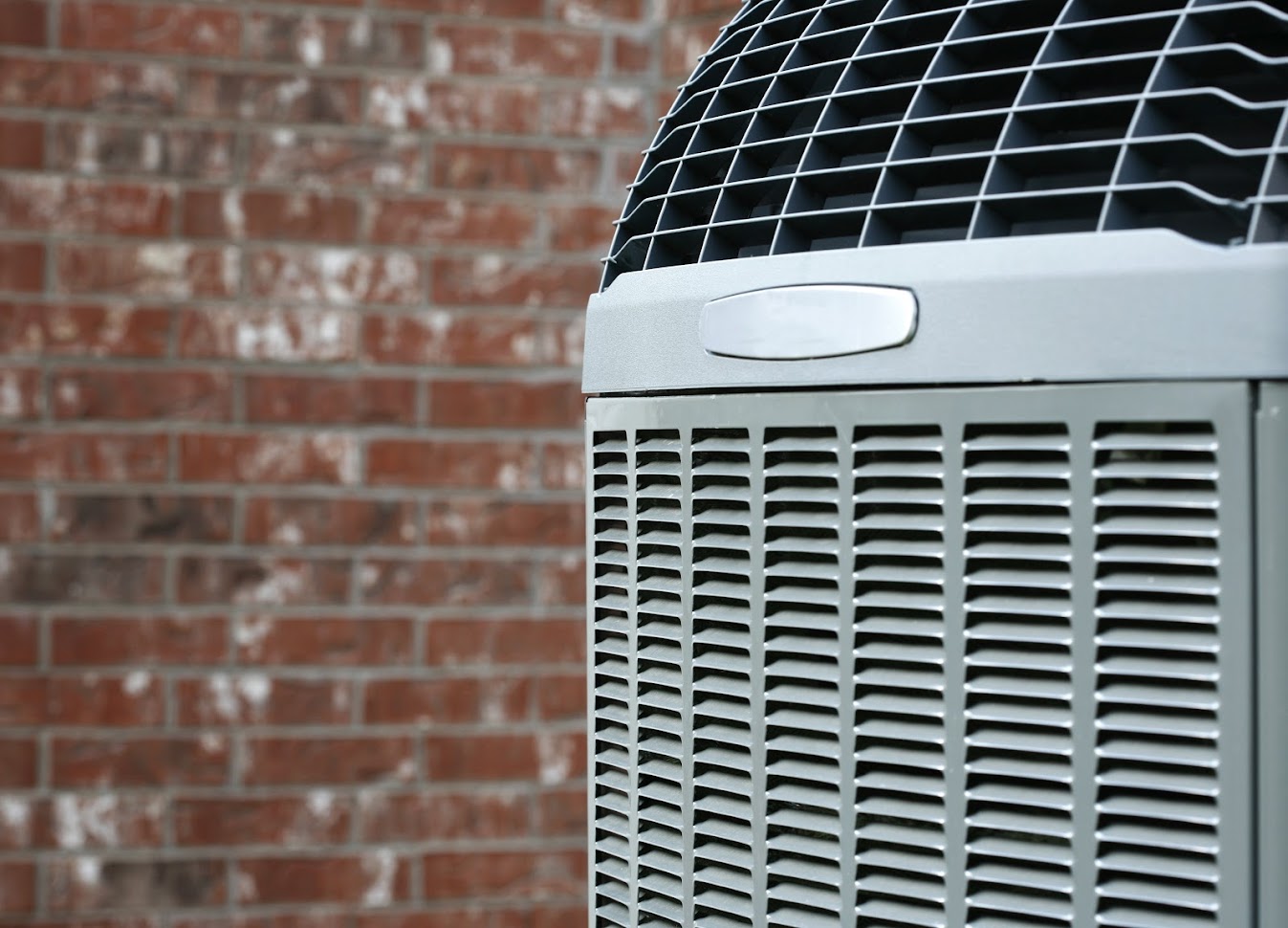
6 Considerations to Make During an AC Unit Installation

Air conditioners provide much-needed cooling during the summer heat, so ensure you get the right AC system model for your home. A poor AC unit installation results in inadequate cooling, frequent maintenance, and expensive repair costs. Consider the factors below during an AC unit installation.

1. Budget

An AC unit is a significant investment, and many homeowners want to save as much money as they can when shopping for an air conditioner. However, costlier cooling systems are often better long-term investments, as they are packed with energy-efficient features and carry better warranties. Premium models also need less maintenance and can outperform inexpensive air conditioners in cooling your home.

2. Sizing

Sizing is an important consideration during an AC system installation, as undersized and oversized air conditioners cause cooling issues. A model that is too big for your house cools the air too quickly without removing excess humidity, resulting in a clammy interior. Many people assume that oversized air conditioners offer better cooling, but they only drive up your utility bills.

Undersized systems aren’t great either, as they struggle to maintain the desired temperatures. You can also expect higher energy costs, as undersized air conditioners constantly run without cooling your home.

An AC unit’s technician considers many factors when sizing your air conditioners, such as room size, room height, humidity levels, and number of residents. The calculations are more complex for whole-house cooling systems, as the technician must consider every room’s dimension, number and type of windows, and ceiling height.

3. Energy Efficiency

Energy efficiency is vital, as it directly impacts your energy bills and your system’s lifespan. Environmentally conscious homeowners often favor energy-efficient air conditioners since they use less energy, resulting in a lower environmental impact than inefficient systems.

Before installing an AC unit, familiarize yourself with the ratings that indicate the efficiency of various models. The Energy Star Rating certifies that an appliance has passed the energy-efficiency expectations the U.S. Department of Energy has set. Energy-certified AC systems use about less energy than comparable models, resulting in energy savings.

EER and SEER ratings are other important certifications to check before AC unit installation. A unit with high SEER and EER ratings has advanced technologies to save energy while keeping your home cool.

4. Ductwork Condition

Inefficient ductwork is a common cause of energy loss and inadequate cooling. Over time, your ductwork accumulates dirt, debris, and cracks, affecting how well your AC system distributes cool air in all areas of your home.

When you install a high-quality AC unit but don’t clean or repair the ducts, you can miss out on the benefits of your cooling system. So, have an AC system’s expert check the ductwork’s condition and seal any gaps to keep cold air in your rooms.

5. Durability

AC units are quite costly, so you likely want a system with a long lifespan that your family can rely on for comfort. Repair costs also add up quickly if you have a low-quality system. So, pay attention to a unit’s specifications, and consult an AC system’s technician to get a high-quality model that remains in optimal condition for a long time.

6. Quality Installation

Your choice of an AC system’s technicians also matters since it affects the operation of your new cooling system. Often, homeowners attempt to save installation costs by doing it themselves or hiring unqualified technicians. However, poorly installed air conditioners operate improperly, waste energy, and attract frequent repair costs. You will likely replace the system earlier than expected due to worn-out parts.

Professional air conditioner consultants evaluate your cooling needs, recommend the best systems, and link your new AC unit to the necessary components, such as the ductwork. Then, the technicians double-check that every part of the AC system works as expected and guarantee performance via an installation warranty.

Contact us at Dial 1 Johnson to ensure you make a wise investment.

Author Bio:
Sherrie Johnson-Hartsock
Dial One Johnson Plumbing, Cooling & Heating is now owned and operated by Sherrie Johnson-Hartsock, with his grandson, Daniel Johnson, a third-generation plumber who is also the Service Manager.