Experiencing an emergency? Call 972-914-0833

Ready to Experience the Dial One Johnson Difference?

Your go-to resource for HVAC and plumbing solutions, DIY guides, and home maintenance tips.

Got an emergency? Call 972-914-0833 or …

Explore by topic:
Posted in

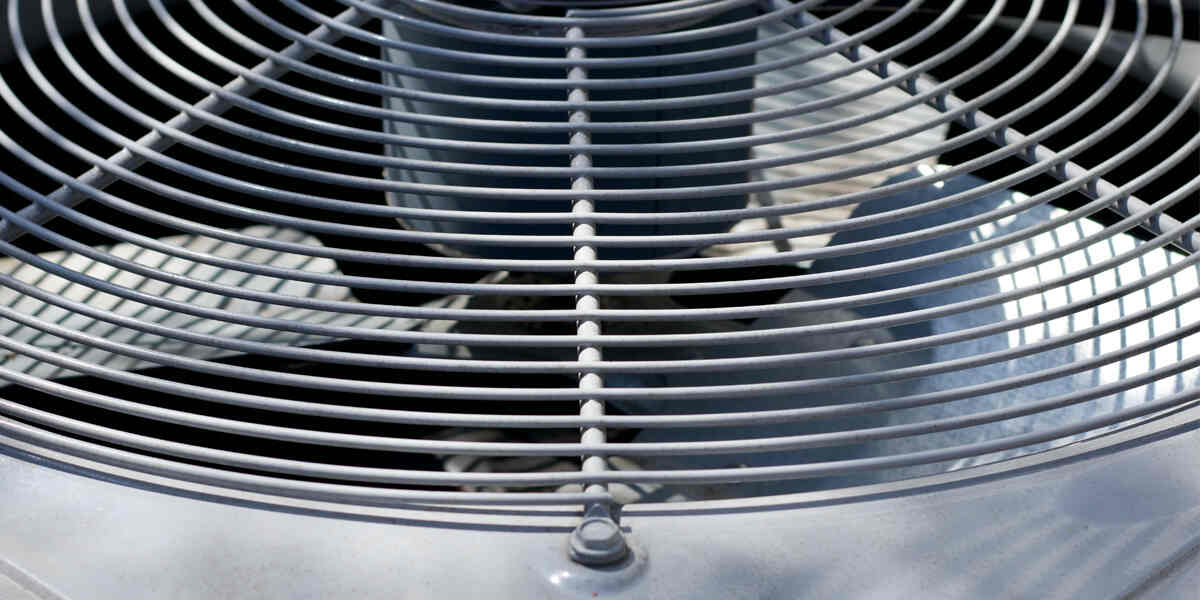
If you’re using an air conditioner and your fan stops working, you’ll quickly have a hot house. While the fan itself isn’t the source of your air conditioner’s cooling power, the fan is responsible for sharing that cold air with the rest of the home. If you want to know the answer to the question, “Why is my air conditioner fan not spinning?” then allow Dial One Johnson Plumbing, an AC repair contractor in Cedar Hill, TX, to explain everything.  

6 Reasons Why Your Air Conditioner Fan Isn't Spinning in Cedar Hill, TX

When your air conditioner fan breaks, there are a few troubleshooting methods you can employ to figure out which part to have a professional address.

1. Clogged Air Filter

A clogged air filter has the potential to mess up everything, from the compressor to the fan. If you don’t clean your air filters, you run the risk of your system getting dirty enough to cause an obstruction, which can impact the condenser coil, causing it to freeze. This can throw the entire system into a meltdown, which may eventually fry your blower motor. 

2. Belt Malfunction

If you’re wondering, “Why is my air conditioner fan not spinning?” it could be the belt slipping. The belt causes your blades to turn. You won’t see your air conditioner fans spinning if it is broken due to age or excessive dirt. If you notice that your air conditioner blades aren’t spinning, but the motor is still running, the belt may have simply slipped off instead. 

3. Blower Motor Issues

Your blower motor is responsible for the entire blowing portion of your air conditioner. When your thermostat tells your air conditioner to pump cold air, this activates the blower motor. If your air conditioner short cycles, then your blower motor undergoes a significant amount of stress from each boot-up and shut-down in the frequent cycling.

Your blower motor is consistently under heat, motion, vibration, and stress. We recommend getting your air conditioner checked every couple of months so that you can check on moving parts such as the blower motor. If you smell burning when you turn your unit on, that’s a clear sign that something motor-based has gone wrong.  

4. Faulty Contactor

If you’re wondering, “Why is my air conditioner fan not spinning?” then consider the contactor. The contactor controls the electrical flow in your air conditioner unit from one portion to another. If your air conditioner suddenly does not work, there may be an internal issue with your compressor contactor.

If there’s too much dust on the inside of your unit, this could prevent your contractor from being able to conduct the electricity required for your compressor to run. This is why it’s important to clean your air conditioner. It’s also worth considering that your contactor is a relatively small electrical component, one that acts like a switch, which can break easily over time with excessive use.

If you use your air conditioner often, or if your air conditioner short cycles, tiny parts like your contactor may be at risk. To prevent such issues, consider getting a maintenance check on your air conditioner unit every six months to see if your parts are in working order. 

5. Capacitor Problems

The capacitor is responsible for starting and running your air conditioner. If you get too much dirt on the interior of your air conditioner, it may cover this part and interfere with its ability to function. Because the capacitor is responsible for sustaining power in addition to starting the unit up, any inconsistencies due to age will show in the lack of reliability, resulting in shutdowns. 

6. Power Insufficiency

Sometimes, the power bank for an air conditioner unit wears down to the point where it can’t support your entire air conditioner. For instance, if your air conditioner is overheating due to a clog in the system, the machine’s interior will become continuously hotter until the power gives out. If your circuit breaker continually trips due to your air conditioner usage, turn it off and contact a professional for help. 

Work With Dial One Johnson Plumbing for HVAC Solutions in Cedar Hill

Now that you know the answer to the question, “Why is my air conditioner fan not spinning?” why not leave all of your air conditioner issues to Dial One Johnson Plumbing? Whether you’re dealing with excessive AC condensation or want to rid yourself of ice buildup on your air conditioner, we have the solution. To schedule an appointment with Dial One Johnson Plumbing, call 972-291-0740. 
Posted in

You probably know that a sudden power surge can harm electronics like televisions, computers, and appliances. But can a power surge damage an air conditioner?

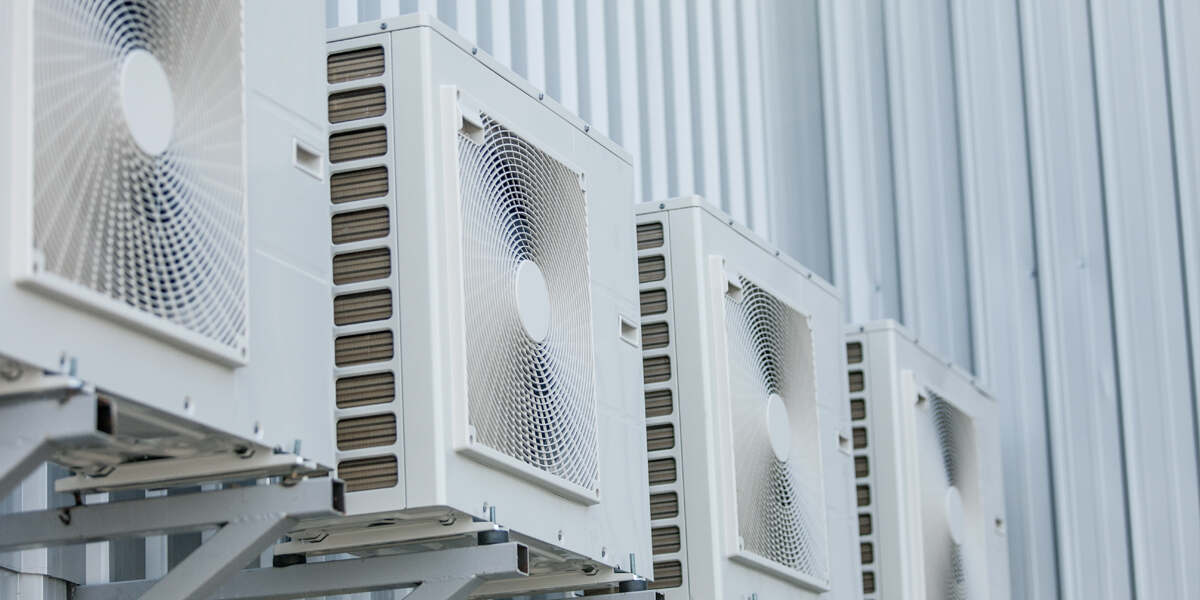
As the provider of AC repair in Cedar Hill, TX, we frequently receive calls from local homeowners who have air conditioner damage due to a power surge. The fact is power outages and other electrical issues can cause fluctuations that put any device connected to the circuit at risk for damage. Understanding the risk that these spikes in electrical currents create and how to mitigate them can prevent problems. 

What Causes Power Surges?

For many people, power surges only occur during storms, when lighting hits a home and sends a burst of electricity through the circuits. Although this is one source of power surges, the average homeowner is more likely to experience a power surge for other reasons. 

Power surges aren’t always dramatic, and in fact, in most cases, they are only a momentary spike in electricity on the circuit. Older homes with faulty wiring are especially at risk for these quick increases, which can cause widespread problems in just a tenth of a second. 

Power outages can also lead to a power surge. During an outage, there’s no electricity at all flowing into your home. However, restoring the service can cause a sudden surge of power that’s more than your electronics can handle. 

Regardless of its cause, the answer to “Can a power surge damage an air conditioner?” is yes.  

How Power Surges Affect Air Conditioners

Can a Power Surge Damage an Air Conditioner

A power surge can lead to a malfunctioning AC because the unit contains electrical components. The average air conditioner can handle up to 120 volts of electricity, so any time there’s an increase in voltage, there’s potential for components like wires, the compressor, and capacitors to burn out. Considering that a lightning strike on a power line can send upwards of 1 million volts of electricity into your home at once, it’s easy to see how a sudden surge can damage your equipment. 

Not all power surges cause such a massive increase in electricity, and your home’s electrical system and the air conditioner itself have built-in protection against unexpected fluctuations. A small surge can lead to a tripped circuit breaker, for example, while the air conditioner may turn off to protect itself if it senses a power increase. 

If you’re wondering how can a power surge damage an air conditioner, the extra power can cause a multitude of issues, including:

  • A compressor failure. If the air conditioner is running when a power outage occurs, it can overheat and keep the system from cycling on and off.
  • Cooling problems, meaning that the unit cannot complete one or more of the cooling stages. 
  • Programming failure, which causes the unit to return to factory settings and require a reset. 
  • Blower motor failure, which prevents the unit from blowing cool air into the ducts.
  • Variable speed motor failure, which stops the unit from turning on at all.  

An air conditioning professional may be able to repair some of these problems; for example, it’s possible to replace a blower motor or reset the air conditioner’s internal computer. However, sometimes a power surge can cause a fatal malfunction, and the only solution is to replace it. For that reason, it’s important to invest in power surge protection for your home.  

How To Prevent Air Conditioner Damage From Power Surges

The best way to prevent air conditioner damage in a power surge is via whole-house surge protectors, which can block the excess power before it reaches any electronics. 

Other options include:

  • Turning off and unplugging devices during outages in case there’s a significant surge when the power comes back on
  • Upgrading old wiring to prevent small surges 
  • Using power strips that you can turn off during an electrical storm  

Get Help When Your Air Conditioning Malfunctions

Now that you know the answer to “Can a power surge damage an air conditioner?” you may be eager to take steps to prevent problems. Or, if you recently experienced a power outage, you may need help troubleshooting an AC unit that’s not working. In either case, turn to the experts at Dial One Johnson Plumbing, Cooling & Heating for help by calling 972-291-0740.

Our local HVAC experts can quickly diagnose your air conditioning issue and find a solution to restore reliable cooling. 

Posted in

Should I Replace the Evaporator Coil or the Whole Unit in Cedar Hill, TX?

If the hot Cedar Hill summer temperatures are hitting and your air conditioner’s evaporator coil is having problems, you are likely to ask, “Should I replace the evaporator coil or the whole unit?” The answer depends on a few important issues.

In this post, the pros at Dial One Johnson Plumbing, which provides premier AC repair in Cedar Hill, TX, discuss what you should consider to address AC performance issues resulting from a failed evaporator coil.

What Does the Evaporator Coil Do?

The evaporator coil is the heart of an air conditioner’s cooling power. It pulls heat and excess moisture from indoor air. Compressed refrigerant circulates through the coil, which absorbs heat from warm air that passes over it. 

After the refrigerant absorbs the heat and humidity through the coil, it moves to the air conditioner’s outside unit, releasing heat and moisture into the outdoor air. 

The refrigerant then returns to the inside evaporation coil to continuously repeat the cycle.

What Happens When an Evaporator Coil Breaks Down

When an evaporator coil is damaged or failed, the problems that result include:

  • The air conditioner takes longer to produce cool air or doesn’t cool at all
  • Refrigerant has to be replaced to proper levels much more often than expected
  • Ice and frost build up on the refrigerant line, and sometimes visible leaks begin

Causes of Evaporator Coil Failure

Evaporator coils can fail through normal aging and wear or from other issues, including:

  • Erosion from consistently irregular refrigerant flow
  • Corrosion from some harmful cleaning chemicals
  • Cracking or breaking that leads to refrigerant leaks

When To Consider Evaporator Coil Replacement

For relatively new and otherwise in good condition units, replacing an evaporator coil can be a more cost-effective solution than installing an entirely new system. In addition to the existing unit’s age, it’s crucial to determine the availability and compatibility of replacement parts. 

If the only problem with the existing unit is the evaporator coil, replacing it will typically lead to immediate remediation of the AC performance issues.

When To Consider Replacing the Entire Air Conditioner Unit

Have you been asking, “Should I replace the evaporator coil or the whole unit?” Because of the cost of evaporator coil replacement and other issues, there are circumstances when replacing the entire air conditioning unit is advisable. 

Some of the most important that weigh in favor of whole system replacement include:

  • System age. Air conditioners over eight years old are usually on the back end of their useful lifespan, and replacing an expensive component may not do much to extend how long the system will work efficiently.
  • SEER rating mismatches. Modern replacement evaporator coils may not be compatible with older HVAC units, leading to inefficient operation.
  • Use of R-22 refrigerant. Older air conditions that use discontinued R-22 refrigerant are more costly and difficult to maintain. They are also more damaging to the environment.

There are several advantages that whole system replacement typically provides in comparison to replacing an evaporator coil, including increased air conditioner efficiency. 

They usually cost less to operate than old systems while providing the same or better cooling power. The expected lifespan of a new air conditioner can often far outdistance the expected remaining life of a repaired unit.

Maintenance Tips for Longevity

Whether you decide to replace a failed evaporator coil or install an entirely new air conditioning unit, regular professional maintenance will improve system performance, efficiency, and lifespan. 

As part of regular professional maintenance, your unit’s evaporator coils are cleaned and inspected for damage or unusual wear. Professional service provided at least annually before warm weather sets in will help head off issues that can grow into major problems.

Rely on Dial One Johnson Plumbing for Professional HVAC Repair or Replacement in Cedar Hill, TX

Having efficient cooling is not an option during the long, hot summers in Cedar Hill, and we will be glad to discuss whether you are better served by replacing an evaporator coil or installing a modern high-efficiency unit to maximize your HVAC system lifespan at the best cost. We’ll help you understand the energy savings comparison between a repair or replacement and what the unit replacement cost will look like. 

The pros at Dial One Johnson Plumbing are ready to discuss your questions related to “Should I replace the evaporator coil or the whole unit?” as you consider the best way to address a breakdown of the most expensive part to replace on an AC unit.

Call Dial One Johnson Plumbing today at 972-291-0740 to discuss your options and schedule service.

Posted in

How Do You Troubleshoot an AC That Isn’t Working in Cedar Hill?

When the Cedar Hill summer temperatures roll in, a reliable air conditioning unit proves essential. The last thing you want is to come home one day and find that your AC isn’t working. You may wonder, “How do you troubleshoot an AC that isn’t working?”

No need to stress! Our experts will explain everything you need to do to get that cool air flowing through your home. With this simple guide, you will receive expert tips from the professionals providing top AC repair in Cedar Hill

How To Spot the Problem

After a long, sunny day of exploring the natural trails in Cedar Hill, we all look forward to coming home, cooling off, and relaxing in the comfort of our own homes. Yet, your home is as hot as the outside heat, and you just can’t get your AC unit to work. This means there’s a problem that needs to be investigated. 

First, you want to make sure the problem isn’t the furnace. To do so, set the thermostat to air conditioning mode and lower the temperature. If the furnace fan starts up, this ensures that the problem is not related to the furnace. However, if the fan doesn’t start, try resetting the furnace circuit breaker.

The next item you want to check is the condensing unit outside. The compressor and fan should both be running for the air conditioner to work. If not running, you will have to troubleshoot your air conditioning unit. 

How To Troubleshoot an AC in Cedar Hill

To begin troubleshooting an AC that isn’t working, follow these three simple steps. You will have your central AC running in no time. 

1. Turn the Power Off

The first step for AC troubleshooting is to turn off the air conditioning and furnace breakers in the electrical panel in your home. To check that the power is completely off, use a voltage tester on the wires in the contactor. 

For warmer cities like Cedar Hill, homes often have a condensing unit outside. Be sure to turn the power off and remove the block from the electric box that is attached to the unit. Then, test the box with a voltage sniffer to ensure the power is shut off. 

2. Clean the Condenser Coil

Second, clean the condenser coil using a hose. Begin by spraying water at the top to wash away the buildup that is under the lid, then work your way down and around the coil to flush the debris down the coil fins. 

3. Test the Fuses

Third, while the condenser coil dries, test out the fuses on the original disconnected block from the electrical box. Set the multimeter to the lowest Ohms scale, then touch the red and black leads to the opposite tips of each fuse. If you receive a numerical reading, the fuse is in good shape. However, if you receive a reading of a zero, a minus symbol, or an infinity symbol, then there is a blown fuse. 

If a fuse is blown, there is a malfunctioning part inside the condensing unit. You will have to replace the parts and install new fuses.

If the fuses continue to blow, there may be a bigger problem and you will have to call an HVAC expert for further assistance.

How To Tell If Troubleshooting an AC Was Successful in Cedar Hill

Now that all the steps have been completed, it’s time to put your air conditioner to the test. Begin by reinstalling the box back into the condensing unit outside. Then, turn the power on for the condensing unit and the circuit breaker in your home.

Set the thermostat to a temperature of your liking and wait for the air conditioner to turn on. The compressor should start up, making the fan spin in the condensing unit outside. If it doesn’t, don’t hesitate to call HVAC professionals for assistance. 

To prevent troubleshooting a broken AC in the future, schedule annual maintenance. Not only will it save you from frustration when trying to flee the brutal Cedar Hill heat, but it will also improve the life expectancy of an AC unit

Contact Your Cedar Hill HVAC Experts for Further Assistance

Are you still struggling and don’t know how to troubleshoot an AC that isn’t working — or how to solve a different problem with your HVAC system? Our Cedar Hill HVAC experts at Dial One Jonson can get the job done for you.

Our services include:

Call us today at (972) 573-4539 for more information or to book an appointment.

Posted in

How Long Do AC Units Last?

When it comes to air conditioning, a common question from homeowners and property managers is, “How Long do AC units last?” Generally, air conditioners last about 15 to 20 years, but several factors can affect this.

The lifespan of an AC unit depends heavily on regular maintenance, the environment it operates in, and the specific model and brand. In this section, we’ll explore what the average lifespan really means, look at the different factors that influence how long an AC can run, and explain why some types of AC units last longer than others.

Average Lifespan of AC

The commonly acknowledged duration for an air conditioning unit’s effective operation tends to range between 15 and 20 years. Yet, this figure is not a guaranteed milestone but rather a signpost suggesting a potential need for a closer evaluation or even replacement.

Assumptions about an air conditioning system’s life expectancy frequently overlook the critical influence of variables like usage patterns, adherence to the manufacturer’s recommended maintenance schedules, and local climate conditions, all of which can significantly extend or shorten an air conditioning unit’s serviceable life.

Factors That Influence the Lifetime of Your AC

Maintenance is key to extending the life of air conditioning units. Regular servicing helps keep an AC running smoothly and prevents sudden breakdowns by addressing wear and tear on important parts like the compressor, condenser, and evaporator coils.

The climate where the AC is used also plays a big role. For instance, air conditioners in coastal areas face challenges like salt-induced corrosion, while those in areas with big temperature swings go through more frequent cycles of expansion and contraction, which can cause quicker wear. As a result, people in these environments may find their AC units have shorter lifespans.

Comparing Different AC Unit Types

Diverse AC units, such as central air conditioning, portable air conditioners, and ductless mini-splits, narrate their own unique lifespans, influenced heavily by their individual designs and usage demands. Central systems, for example, are often associated with a longer life expectancy due to their robust construction and comprehensive cooling capabilities, which distribute stress uniformly across the system.

In contrast, portable units and mini-splits may encounter a compressed lifespan as they tend to be utilized in more concentrated spaces, which can lead to heightened strain on their components. It’s essential to recognize that these types of air conditioning service demands and operational stresses distinctly shape the longevity and performance efficiency of each unit category over time.

How to Maximize Your AC Unit's Lifespan

Regular Maintenance:

Just like getting regular oil changes for your car, keeping up with your AC maintenance is essential for its performance and longevity. Routine check-ups by an HVAC technician help maintain crucial parts like filters, coils, and fins, which can prevent costly breakdowns and keep energy bills low. Regular maintenance also includes checking for refrigerant leaks and ensuring that airflow is unobstructed, helping your system run more efficiently.

Professional Inspections:

Having your AC regularly inspected by professionals can significantly extend its lifespan. Technicians can spot early signs of trouble, from small leaks to inefficiencies that you might not notice. These early interventions prevent bigger issues down the line and keep your system running smoothly, ensuring it performs well for a longer period of time.

Upgrades for an Improved Lifespan:

Upgrading your AC system can also enhance its longevity. Installing a smart thermostat can help manage energy use more effectively, reducing strain on the AC by maintaining a steady temperature. Additionally, adding a high-quality dehumidifier helps the AC manage moisture more efficiently, which can prevent mold growth and reduce stress on the system. 

Efficient Usage Tips:

Using your AC efficiently is key to prolonging its life. Set your thermostat at a comfortable but energy-saving temperature to reduce the system’s workload. Also, make sure any ductwork leaks are sealed, and consider using a ceiling fan to help distribute air evenly throughout your home. These steps not only improve your AC’s performance but also help maintain good indoor air quality and reduce overall wear and tear. 

Signs Your AC Unit May Need Replacing

  1. Reduced Cooling Efficiency:

    • If your AC isn’t cooling as well as it used to, taking longer to cool the room, or not cooling at all, it might be time to consider a replacement. This is a sign that the internal parts, like those involved in airflow and heat exchange, might be wearing out.
  2. Frequent Breakdowns and Repairs:

    • Constant breakdowns are a clear indication that your AC is in trouble. If you find yourself calling for repairs often, especially for major parts like the compressor or condenser, it might be more cost-effective to invest in a new unit.
  3. Unusual Noises or Smells:

    • Rattling, buzzing, or hissing sounds can suggest loose parts or other malfunctions. If your AC starts to emit odd smells like mustiness or a chemical scent, it could mean mold or refrigerant leaks, both of which require immediate attention.
  4. Increasing Energy Bills:

    • A noticeable rise in your energy bills can indicate that your AC is becoming less efficient. This might be due to leaks, blockages, or damage forcing the unit to run longer and work harder, which in turn uses more energy.

Recognizing these signs early can help you avoid the inconvenience of sudden system failures and potentially save money in the long run. 

How Regular Maintenance Affects AC Lifespan

Essentials of AC Maintenance:

Maintaining your air conditioner is crucial for its efficiency and lifespan. A well-maintained AC can efficiently cool your rooms, but neglecting maintenance can lead to breakdowns. Regular maintenance includes cleaning or replacing filters, checking coolant levels, inspecting electrical components, and ensuring proper airflow. These tasks collectively help extend the lifespan of your AC by preventing malfunctions and wear. 

Key Maintenance Tasks:

Cleaning and Replacing Filters:

  1. Regularly cleaning or replacing your AC filters is vital. Dirty filters block airflow, making the unit work harder, which can lead to breakdowns and higher energy use. Clean filters ensure good airflow and reduce indoor air contaminants, significantly extending your AC’s lifespan.

Checking and Replenishing Coolant Levels:

  1. Keeping the coolant at the right level is essential for your AC’s performance. Low coolant causes the system to work harder, increasing wear and energy consumption. Annual coolant checks by a professional can detect and fix leaks, helping your unit maintain optimal cooling efficiency.

Inspecting and Maintaining Electrical Components:

  1. Regular checks should include a thorough inspection of the AC’s electrical components. This ensures all connections are secure and the system operates safely and efficiently, preventing electrical issues that could lead to more severe problems.

Ensuring Proper Airflow:

  1. Proper airflow is crucial for AC efficiency. Make sure vents and ducts are clear of obstructions, and keep the area around outdoor units free from debris. This prevents the system from overworking, which can reduce its lifespan.

Environmental Impact on AC Lifespan:

Coastal vs. Inland Climates:

  • Coastal areas can cause AC units to corrode more quickly due to salty air, requiring more frequent maintenance. Inland, the challenges might be different, like dealing with heat spikes that demand continuous AC use.

High Dust or Pollution Areas:

  • In dusty or polluted environments, AC units need to work harder to filter out particulates, leading to faster accumulation of dirt and potential mechanical issues. Regular cleaning of filters and components is crucial here.

Seasonal Usage Patterns:

How often you use your AC also impacts its lifespan. Units in cooler climates may sit idle for months, which can cause parts to stiffen or seals to dry out. Conversely, ACs in warm climates might run year-round, necessitating more frequent maintenance to handle the constant wear.

Understanding these factors and adhering to a regular maintenance schedule can help maximize the lifespan of your air conditioning unit, ensuring it performs efficiently for years to come.

Do you need to replace your AC Unit? When and Why

Timing is critical when contemplating the replacement of an AC unit—a decision that hinges on more than just the age of your system.

Advancements in air conditioning technology not only offer enhanced comfort and control but also present an opportunity to evaluate the cost-effectiveness of upgrading to a more energy-efficient model.

With growing environmental consciousness, replacing older units becomes a considerable factor in reducing one’s carbon footprint, as modern air conditioners adhere to stricter energy standards set forth by agencies like the Energy Star program.

This section will explore the tangible benefits of embracing new AC technology, the economic rationale underpinning such an investment, and the environmental implications tied to the disposal and performance of outmoded systems.

Recent Advances in AC Technology

The landscape of air conditioning technology has experienced a remarkable transformation, integrating smart home automation and precision engineering to enhance efficiency. Innovations such as programmable 

thermostats and variable-speed compressors allow for tailored cooling experiences that reduce electricity usage and cost.

Continued strides in refrigerant development have led to systems that are not only more environmentally friendly but also deliver superior performance with less energy consumption. As a result, property owners opting for newer AC models can benefit from improved indoor air quality and significant savings over time.

Is there a benefit to upgrading your AC?

When mulling over the decision to upgrade an air conditioning unit, one must weigh the initial expense against the long-term gains. A new, energy-efficient system may require a sizeable outlay, but it typically compensates for that cost with lower energy bills and a reduced frequency of repairs.

Upgrading to a modern AC system often comes bundled with enhanced features and warranties that provide peace of mind and long-term savings. The investment in a new unit also aligns with the quest for environmentally conscious living, marrying personal comfort with environmentally sustainable technology.

Environmental Considerations for Older Units

Swapping out an older air conditioning unit is more than just a home improvement upgrade; it’s an environmentally conscious decision. As older units typically consume more energy and often utilize refrigerants that are less environmentally friendly, upgrading to a newer model can lead to significant environmental benefits, thereby aligning one’s home with global sustainability efforts.

Furthermore, responsibly retiring outmoded air conditioners is pivotal in managing environmental impact. Modern disposal and recycling protocols ensure harmful materials, like Freon, are carefully handled, reducing the ecological footprint associated with air conditioning services and mitigating the adverse effects on climate health.

The lifespan of air conditioning units, typically falling between 15 and 20 years, is significantly influenced by factors like climate, usage, and maintenance.
Regular air conditioning servicing and upgrades, such as installing a smart thermostat, play a vital role in extending the life expectancy of these cooling systems.

Recognizing the subtle signs of a declining AC unit, including reduced efficiency and frequent repairs, informs homeowners of the need for timely intervention.

Ultimately, investing in routine maintenance and considering environmental impacts ensures that AC units remain a steadfast and cost-effective feature of home comfort. 

Posted in

How Do I Know If My AC Fuse Is Blown in My Cedar Hill House?

When summer hits in Cedar Hill, there are certain questions you won’t want to find yourself asking about your air conditioner. First of all, you won’t want to be asking: 

“How do I know if my AC fuse is blown in my house?”

Cedar Hill is a friendly Texas town to settle down in, situated just outside Dallas. What isn’t so nice, however, is dealing with extreme heat without an AC. If your air conditioner’s fuse blows when you need it most, then you need to get in touch with the best of Cedar Hill’s AC repair technician talent. 

A low-voltage fuse is designed to regulate the electrical currents and circuits in your AC system. This fuse is an integral part of your HVAC system’s control board. If an electrical fault happens, this fuse will “blow” or burn out.

This protocol will protect the other components of your AC from suffering surge damage. However, they’ll still need professional service to get back up and running. Let’s look at the signs and symptoms of a blown fuse, and when they warrant professional service.

Common Signs That Your AC Fuse Has Blown

Visual and physical damage will show the most common signs of a blown fuse. You could see visible breakage in the metal filament, or discoloration on the window by the fuse. Alternatively, you could notice any one of the following three performance issues, all of them indicative of a blown fuse. 

1. Your AC Works Harder To Power On

If your low-voltage fuse is blown, you might notice your air conditioner taking longer to power on. Alternatively, it might be failing to power on altogether. In either case, if adjustments to your thermostat fail to make a difference, that could indicate a blown fuse.

2. Your Circuit Breaker Is Tripped by the Blown Fuse Box

A blown low-voltage fuse in your HVAC system could frequently trip your circuit breaker. Notice it tripping every time you turn on your air conditioner? That could be an indicative sign of a blown fuse.

3. Your Air Conditioner Unit Is Failing To Blow Cold Air

Various issues could cause this problem. But what if it’s because of a blown fuse? If so, then your AC will be failing to draw the necessary current it needs to circulate cool air.

Test your thermostat settings. Is your AC failing to respond to the commands you input? Is your air conditioner failing to adjust to different cooling or energy efficiency settings? That could be a tell-tale sign of a faulty low-voltage fuse.

Common Causes of Blown Fuses in Your Air Conditioner

So, you suspect that your AC’s fuse is blown in your house. Now what? How do you determine the culprit of your blown fuse?

Multiple issues could be to blame for your blown fuse. These could include:

  • A circuit that’s short or overloaded: Line wire insulation can deteriorate, causing a short circuit; too many connected devices can overload a circuit.
  • Electrical power surge in the fuse: Overvoltage bursts can blow fuses, usually from power outages, lightning, or malfunctioning appliances.
  • Malfunctioning thermostat or control board: The voltage balance in these two appliances can malfunction, overwhelming your fuse box.
  • Incorrect or improper fuse: Your fuse needs to match the amperage of your AC unit; if it’s too high or too low, it could blow.
  • A failing HVAC transformer: If your transformer fails, it could send high voltages to your HVAC system’s low-voltage circuits.
  • Dirty filters or condenser coils: Neglecting to maintain these components could cause them to clog up with contaminants.

Regardless of the cause, a blown fuse will need prompt service. One small, faulty fuse is all it takes to disable your entire HVAC system. Professional expertise will provide your best bet at getting it back up and running.

Cedar Hill Air Conditioning Repair Services

If your fuse is blowing regularly, it’d be wise to speak with a professional HVAC technician. They can offer more insights and resources to detect, diagnose, and treat any fuse issues.

You don’t want to find yourself asking “How do I know if my AC fuse is blown in my house?” But if that’s the question you’re asking, you can answer it in three stages: by calling Dial One Johnson, requesting a quote, and scheduling the appropriate repair services.

Cedar Hill Homeowners Can Depend On Dial One Johnson Plumbing, Cooling & Heating!

Is a blown fuse impacting the life expectancy of an AC unit in your home? Dial 972-645-4760 to connect with Dial One Johnson Plumbing, Cooling, & Heating!

Posted in

What Is the Life Expectancy of an AC Unit in Cedar Hill, TX?

Do you have questions about your AC unit? Call Dial One Johnson Plumbing, Cooling & Heating at 972-703-5133 to schedule a consultation.

As a resident of Cedar Hill, TX, you know that summer temperatures will feel like 100 degrees most of the time. It’s impossible to navigate these months without a fully functional air conditioning unit.

Therefore, it’s always disconcerting to come home to an underperforming or broken unit. That’s when people start asking questions such as, “What is the life expectancy of an AC unit?” As the top choice for AC repair in Cedar Hill, we get this question a lot from people who want to know if their underperforming air conditioning units have seen their best days or if repairs can bring them back to life.

We’ll cover the details you need to know in this post.

How Long Will an Air Conditioning Unit Last?

The lifespan of an air conditioner depends on various factors. However, you can expect yours to last between 10 and 20 years. Central air conditioners last 15 years, while split or window units last around ten years.

However, the numbers above are just averages. Your air conditioner might last longer or break down a lot earlier depending on a few factors.

Factors Influencing the Life Expectancy of the AC Unit in Your Cedar Hill, TX, Home

Some of the factors that will determine how long your AC unit will last include the following:

Use Frequency

Living in Cedar Hill, TX, means your air conditioner will be working most of the time.

However, savvy homeowners know to optimize their unit to only work sparingly while they are away (to avoid a large difference between the indoor and outdoor temperatures) and at night when the temperatures generally cool off, allowing you to open up windows and use fans.

If your AC is always working at full blast around the clock, the answer to “What is the life expectancy of an AC unit?” in your case will almost certainly be around the barest minimum, if not worse.

The Quality

The make and model of your unit can determine its lifespan.

Products from some of the biggest manufacturers in the country will invariably last longer as they are manufactured to meet stringent safety and efficiency standards set by the Environmental Protection Agency (EPA) and the Department of Energy (DOE). Imported units may not meet these standards.

Installation Location

Is your AC’s outdoor unit positioned around bushes and tall plants? If so, it will work a lot harder to keep your indoor space cool. The extra strain on the compressor, blower motor, and other such components can shave years off your air conditioner’s life expectancy.

So, it’s important to keep the area around your AC’s outdoor component free from obstructions if you don’t want to replace your air conditioner earlier than normal.

Quality of the Installation Work

It may seem like a good idea to watch a few tutorials and then install your AC on your own without help from a professional. However, it’s rarely a good idea. Any mistakes can handicap your unit, causing more wear and tear for key components.

For example, you may end up using pipes that are too long or mishandling the wires, or you may fail to seal ductwork properly, ruining your indoor air quality.

 You may even choose the wrong size of cooling system to start with. A properly installed air conditioner will last longer. Most importantly, you’ll also qualify for any manufacturer warranties.

Approach to Regular Maintenance

Your air conditioner is just like other HVAC systems. You can’t afford to use it from year to year without proper maintenance. Following a professionally recommended maintenance schedule is a sure way to keep components working optimally.

You’ll also identify potentially damaging issues long before they can ruin your air conditioner.

Call Dial One Johnson Plumbing, Cooling & Heating for Expert Guidance

Do you want a more personalized answer to the question, “What is the life expectancy of an AC unit?” Are you looking for an HVAC contractor you can trust for quality AC maintenance and repair work in Cedar Hill?  Turn to the team at Dial One Johnson Plumbing, Cooling & Heating.

We have extensive experience delivering air conditioning services across Cedar Hill, TX, from Waterford Oaks to Wooded Creek Estates.

Learn more about the importance of investing in AC repair or call us today at 972-645-4760 to schedule a consultation.

Author Bio:
Sherrie Johnson-Hartsock
Dial One Johnson Plumbing, Cooling & Heating is now owned and operated by Sherrie Johnson-Hartsock, with his grandson, Daniel Johnson, a third-generation plumber who is also the Service Manager.

Posted in

What Is the Most Expensive Part to Replace on an AC Unit in Cedar Hill, TX?

When you live in Cedar Hill, TX, you know you’ll experience humid, subtropical weather a good part of the year. In the summer months, the outdoor temperatures can reach 100 degrees so most people heavily depend on their air conditioners to stay comfortable.

Since the air conditioner is unarguably the most important HVAC system within your home, it makes sense to know as much as you can about it to prepare you for potential issues.

As the leading Cedar Hill AC repair experts, homeowners often call us to ask questions like, “What is the most expensive part to replace on an AC unit?”

We’ll cover all the details in this post.

The Compressor: The Fulcrum of Your Air Conditioning Unit

The compressor is the most expensive component to replace in an AC unit, and it can cost up to $4,000.

It’s expensive for two major reasons. First, it’s responsible for circulating the refrigerant between the evaporator and condenser coils. Secondly, it’s a highly complex equipment with intricate details.

Thus, most HVAC contractors will advise doing all you can to keep your compressor in excellent shape.

Common Signs of AC Compressor Failure

Your AC compressor has failed or is about to fail if you notice any of the following signs:

Warm Air and Poor Indoor Air Quality

Is your space uncomfortable with the AC running? Has the indoor air quality dropped? Check the obvious possible causes like the wrong thermostat setting or clogged air filters.  

If the thermostat settings are fine and your filters are not too dirty, you may have a broken compressor or refrigerant leak. Either way, you need to schedule repairs quickly.

Frequent Circuit Breaker Trips

Your home’s circuit breaker is designed to protect your home from electrical hazards. Using an air conditioner with a broken compressor is a hazard, so the breaker will trip to protect the unit and the rest of your electrical circuitry.

Noisy Operation

A bad compressor will give off banging or clicking sounds whenever you try to use your air conditioner. Additionally, you might find the outdoor unit vibrating as well.

Factors That Will Influence the Cost of AC Compressor Replacement in Cedar Hill, TX

Now you know the answer to “What is the most expensive part to replace on an AC unit?” you’ll want to know some of the things that will ultimately determine how much you pay for the replacement.

The cost of your AC compressor replacement will depend on the following factors:

  • Compressor size. AC compressors vary in size depending on the type of air conditioner. Central air conditioning systems tend to have bigger compressors than window units.
  • Type of compressor. The compressors in most air conditioners are either single-stage or two-stage systems. You can expect to spend a lot more replacing a two-stage compressor.
  • Compressor brand. The compressor for any popular air conditioner brand will cost a bit more than one from an unknown brand.
  • Labor costs. The HVAC technician will charge an installation fee based on the complexity of the job, the distance to your home, and other such factors.

Keep in mind that you’ll also need to pay the cost of any additional repairs alongside replacing the compressor.

Can You Repair the Compressor in Your Cedar Hill, TX, Air Conditioner?

Seeing how much an AC compressor replacement project will cost, you’ll want to know if it’s possible to repair the compressor instead of replacing it.

You can technically repair a compressor. An experienced HVAC technician can dismantle it and replace the damaged components or correct any electrical issues plaguing it. However, the cost of the repairs (in addition to the labor required) means it’s rarely a good idea.

Why pay 70-80% of the cost of a new compressor on repairs?

How to Avoid AC Compressor Troubles

You can avoid the hassle of compressor replacement throughout your air conditioner’s lifespan with regular maintenance. Maintenance work such as cleaning dirty coils, maintaining the refrigerant levels, and changing filters regularly can reduce the strain on the compressor.

You should also ensure the outdoor unit housing the compressor doesn’t have any obstructions around it.

Get Quality Air Conditioning Service in Cedar Hill, TX

Do you want further discussions on “What is the most expensive part to replace on an AC unit?” Are you looking for an HVAC contractor you can trust for affordable service in Cedar Hill, TX? We can help. Our technicians can do everything from compressor replacement to air vent cleaning.

Call Dial One Johnson Plumbing, Cooling & Heating today at 972-914-0833 to schedule a consultation.

Author Bio:
Sherrie Johnson-Hartsock
Dial One Johnson Plumbing, Cooling & Heating is now owned and operated by Sherrie Johnson-Hartsock, with his grandson, Daniel Johnson, a third-generation plumber who is also the Service Manager.

Posted in

How Long Do AC Capacitors Last ?

When your air conditioning unit struggles to cool your home, there could be an issue with your AC capacitor. If you don’t know what that is, don’t worry, you aren’t alone. Learning about your HVAC systems can be beneficial for home ownership so that you can familiarize yourself with the warning signs of failure before it happens.

If you’re wondering, “How long do AC capacitors last?” then let Dial One Johnson Plumbing, Cooling & Heating and its team of expert HVAC contractors, explain everything you need to know about AC capacitors and how they function.

What's an AC Capacitor?

An AC capacitor is the electrical component inside your air conditioner that provides power to your unit. The thermostat in your home sends a signal to it that allows your AC capacitor to start your unit up. Without the capacitor, your unit wouldn’t have the extra boost it needs to start the cycle of cooling to chill your home. 

Once the capacitor provides power to your unit to get the process going, your system doesn’t need it anymore. The power system within your air conditioning unit is enough to keep it going until your home is cool and the cycle is over. If you’re trying to locate your capacitor, it looks like a battery with wiring on the outside.

How Long Do AC Capacitors Last?

AC capacitors are long-suffering parts for your unit, generally not subject to as much wear and tear as other components. This is because it’s essentially a one-time-use piece, only responsible for turning the air conditioner on and nothing else. Once the short job is done, the capacitor doesn’t do anything else until the unit needs to start up again. 

Capacitors have a few weaknesses, though, in the sense that they are electrical starters. Because of this, they can burn out from the discharge that they use to wake the AC unit up. Similarly, if your air conditioner frequently short cycles, having this problem with your unit can cause your capacitor to wear down faster.

Typically, an AC capacitor will last as long as your system does, which is about six to 10 years on average.

Why Do Capacitors Fail?

Capacitors can fail for many reasons, the first of which is excessive heat. This doesn’t just mean external heat, although that does play a role. If your air conditioning unit isn’t good at cooling itself due to an air filter clog or other maintenance issue, this could cause internal temperatures to become damaging enough for capacitors and sensors alike to fail. 

Another reason a capacitor may fail is because of age. Just like the rest of your AC unit, capacitors are subject to age and decay. Years of usage can take their toll on a capacitor, causing a buildup of material until the electricity can’t flow properly.

Another reason you may run into a capacitor issue is due to DIY replacements. If you accidentally install the wrong replacement, it can cause strain on the capacitor and your AC unit. This is why it’s always best to let an experienced HVAC professional handle any air conditioning repairs.

How To Know When Your Capacitor Has Gone Bad

If your AC unit is having issues and you don’t know why, you may be drawing a conclusion by asking yourself, “How long do AC capacitors last?” If you notice some of these things wrong with your unit, it may be time for a replacement:

  • Slow startup: If you notice your air conditioner taking longer to start up, it may be unsuccessful in trying to run capacitors. 
  • No cool air: Another sign that your capacitors fail often is that your air conditioning unit either blows little air or no hot air at all. This means that your capacitor may not have enough power to blow or cool your home.
  • Odd noises: If your unit makes odd noises, such as humming or banging, this could be a sign that your capacitor is failing.

Work With Dial One Johnson Plumbing, Cooling & Heating for All Your AC Unit Needs

Now that you know the answer to the question, “How long do AC capacitors last?” let our team at Dial One Johnson Plumbing, Cooling & Heating solve your air conditioning woes. We provide excellent HVAC services to our customers, answering humidity and HVAC system FAQs and more.

Contact Dial One Johnson Plumbing, Cooling & Heating at 972-703-5133 for more information or to schedule an appointment.

Posted in

How Long Does It Take to Install a New Furnace?

Your furnace works hard daily to keep you and your family warm and comfortable. However, furnaces eventually break down due to normal wear and tear or other issues. If you need to replace your unit, you might wonder: How long does it take to install a new furnace? 

The installation timeline depends on several factors, but most contractors can replace a furnace in four to ten hours. More complex projects might take a day or two to complete. Read on to learn more about new furnace installation. 

Contact Dial One Johnson Plumbing, Cooling & Heating today to speak to the best HVAC contractors in Dallas, TX!

Factors that Affect Furnace Installation Times

Furnaces vary significantly depending on their brand, manufacturer, and model. Below are some of the most important factors that affect furnace installation times. 

HVAC Model

The specific model HVAC you buy may have specific installation conditions that differ from other models. For example, electric furnaces are usually cheaper to install than gas furnaces because most homeowners already have the correct electrical hookups in their HVAC closet. 

Furnace Size

The size of the furnace also affects installation times. For example, a furnace for a one-bedroom apartment or two-bedroom home will usually take less time to install than a larger furnace for a four-bedroom house. 

Furnace Location & Accessibility

Depending on where your furnace is located in your home, it may take more or less time to replace it. Additionally, the presence of utility lines, such as electrical or gas line modifications, affects installation times. For instance, it will take longer to install a gas furnace if the contractors need to run a new gas line to the unit. 

Ductwork Requirements

Depending on the type of furnace you get, you may have to reorient your ductwork. Depending on how much ductwork needs to be added, installing new ductwork can take a few days. Conversely, some heating systems, such as mini splits, don’t require ductwork installation or connection, so they take less time to install. 

Additional Furnace Systems

The inclusion of additional furnace systems can further increase installation times. For example, installing zoning features on your furnace system will take longer as the technicians will have to install the proper zoning shutters in your ductwork in addition to the new furnace. 

Furnace Installation Process

The first step of the installation process involves having a technician walk you through your home to prepare the site. While there, the technician will make note of any repairs or upgrades they will need to make, and they should be able to tell you approximate installation times. 

Next, they will schedule an installation time. You won’t have access to your HVAC system while they are replacing it, so we recommend scheduling a time when you will be out of the house so the installers can work without interruption. 

After completing the installation, the technicians will walk you through the post-installation inspection to ensure all connections are secure and the system is working as expected. At this point, you can ask your technician any pressing questions about maintaining your system. 

Signs You Need a New Furnace

If you notice any of the following signs, your furnace is probably not in good shape, and you may want to call an expert to discuss furnace replacement:

  • Your furnace is over 15 years old.
  • The heating in your home is uneven.
  • Airflow is restricted.
  • Your energy bills have started to rise rapidly.
  • Indoor air quality has decreased.
  • You have to make frequent repairs.
  • Bad smells come from your ducts.

Old furnaces are not only a drain on your power bill; they can also be dangerous. For example, damaged electrical or gas lines can pose a health and safety hazard for you and your family. As such, don’t hesitate to contact an expert and discuss furnace replacement. The sooner you call for replacement, the sooner you can enjoy your new, energy-efficient system.  

Furnace Installation Services

So, how long does it take to install a new furnace? It depends on the specific furnace, but you can expect your furnaces to be properly installed anywhere between four and ten hours. 

Read our blog if you want to learn when to repair and when to replace your heating system. Contact Dial One Johnson Plumbing, Cooling & Heating online or call 972-291-0740 today to schedule an appointment!