Experiencing an emergency? Call 972-914-0833

Ready to Experience the Dial One Johnson Difference?

Your go-to resource for HVAC and plumbing solutions, DIY guides, and home maintenance tips.

Got an emergency? Call 972-914-0833 or …

Explore by topic:
Posted in

Should You Cover Your AC Unit in the Winter in Addison, TX?

If there’s one question sure to stir up debate among HVAC professionals, it’s “Should you cover your AC unit in the winter?” Unlike many other air conditioning maintenance issues, like the importance of changing the unit’s air filter, which everyone can agree on, covering the outdoor unit seems unnecessary for some and a good idea for others.

As the leader in AC services in Addison, TX, homeowners often ask us whether a cover should be part of their winter care plan for their air conditioners. Although there may be some benefits to investing in a cover in colder climates, in Texas, our opinion is that there’s no real benefit to doing so – here’s why.

To Cover or Not To Cover Your Air Conditioner in the Winter in Addison, Texas

AC unit protection is the primary reason that homeowners consider covering outdoor equipment during the colder months in certain climates. Heavy snowfall, ice, and falling debris could potentially damage the unit. In that case, a cover provides a layer of protection against inevitable damage.

Here in Addison, however, that type of weather doesn’t pose much of a concern. Winters tend to be mild, and even on the rare occasion that it does snow, accumulations rarely amount to more than an inch or two before melting away. There’s also little risk that water will get into the unit and freeze or cause damage to internal components. 

Even when Addison’s weather turns chillier than normal, the equipment design ensures it can withstand extreme conditions just fine without covering concerns. Should you cover your AC unit in the winter to prevent debris like leaves and sticks from accumulating inside? A cover could be helpful in maintaining a clean system, but there’s also a chance that doing so could do more harm than good.

Three Reasons You Shouldn’t Cover Your Addison AC Unit in the Winter 

Despite the slight advantage that a cover offers in terms of keeping the AC unit clean, it pales in comparison to the damage that could occur with a cover on the unit.

  1. Moisture and Mold BuildupPutting a cover over the outdoor air conditioner can trap moisture inside the unit, which supports mold and mildew growth. Organic growth would be significantly more harmful in your air conditioner than exposure to the elements. It will certainly have a detrimental effect on your indoor air quality as soon as you turn the cooling system back on in the spring.
  2. Pest InfestationsNothing’s more inviting to rodents and other pests than a safe, warm spot that provides protection from the cold — a place like an air conditioner underneath a cover. If creatures take over the unit, they wreak havoc, chewing through wires and insulation, leaving droppings, and causing other mayhem. 
  3. Reduced AirflowManufacturers design air conditioners to withstand outdoor conditions in places with far more extreme weather than Addison. However, that same design also requires adequate airflow to prevent moisture buildup inside the unit, which can cause mold and corrosion. Putting a cover over the unit restricts airflow, which hinders rust prevention. 

Best Practices: Winter Care for Your Air Conditioner in Addison, Texas

Given Addison’s mild winters and the covering-related concerns, we typically caution against covers when customers ask, “Should you cover your AC unit in the winter?” Instead, we might recommend these alternative seasonal preparation steps:

  • Schedule professional maintenance. Experts ensure your cooling unit is in good shape and ready for its peak season.
  • Clear debris like leaves, twigs, or dirt from around the unit. Cleaning prevents unit blockages.
  • Turn the system off for the season. Doing so may avoid accidental activation during a warm spell.

If you feel the need to protect your air conditioner from falling debris, why not invest in a top cover that doesn’t enclose the unit? Combined with regular maintenance and cleaning, this will more effectively protect the system over the winter.
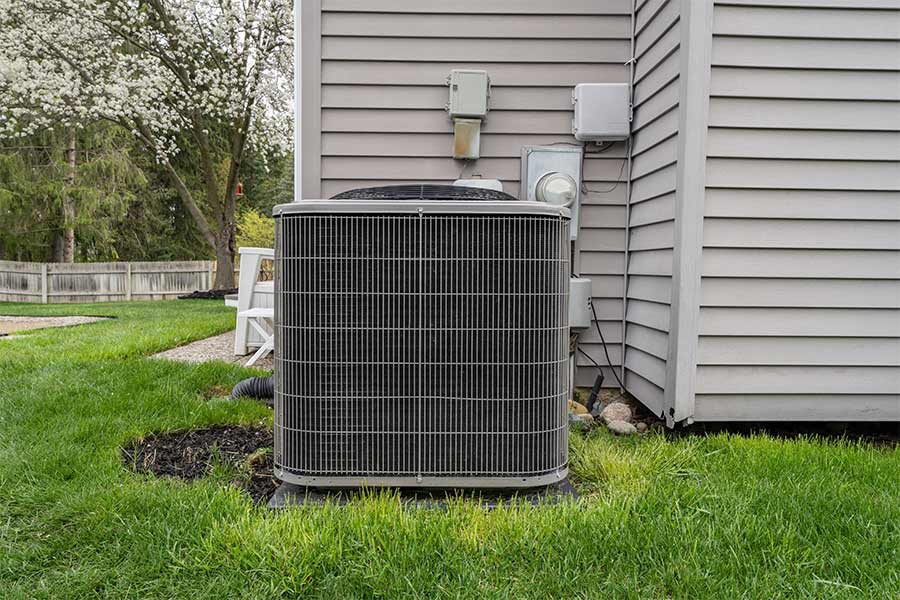
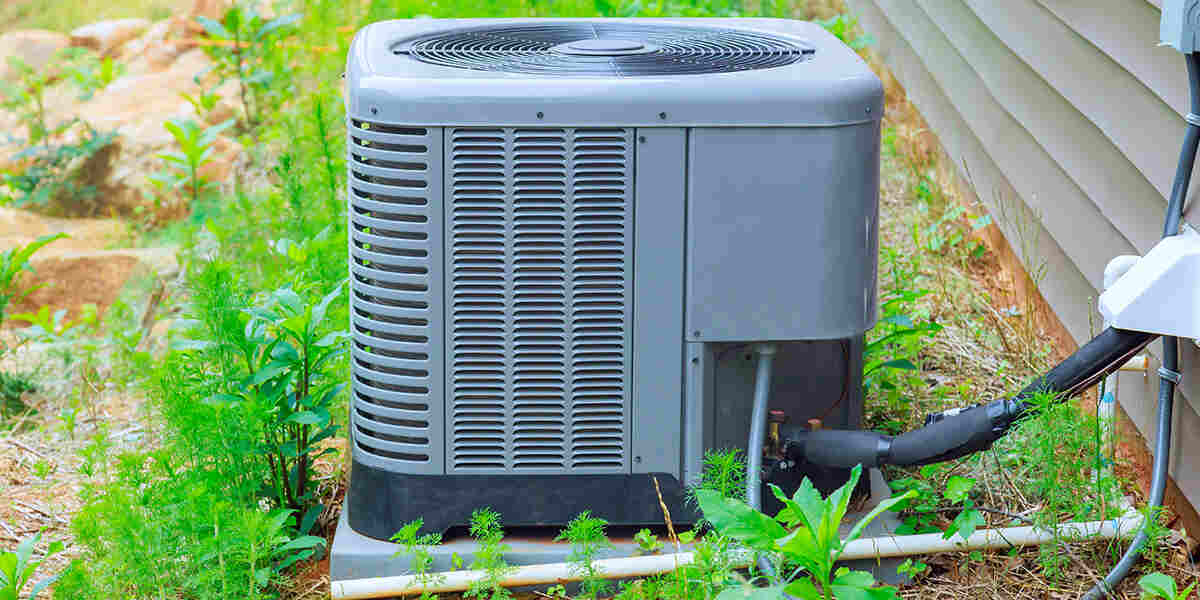
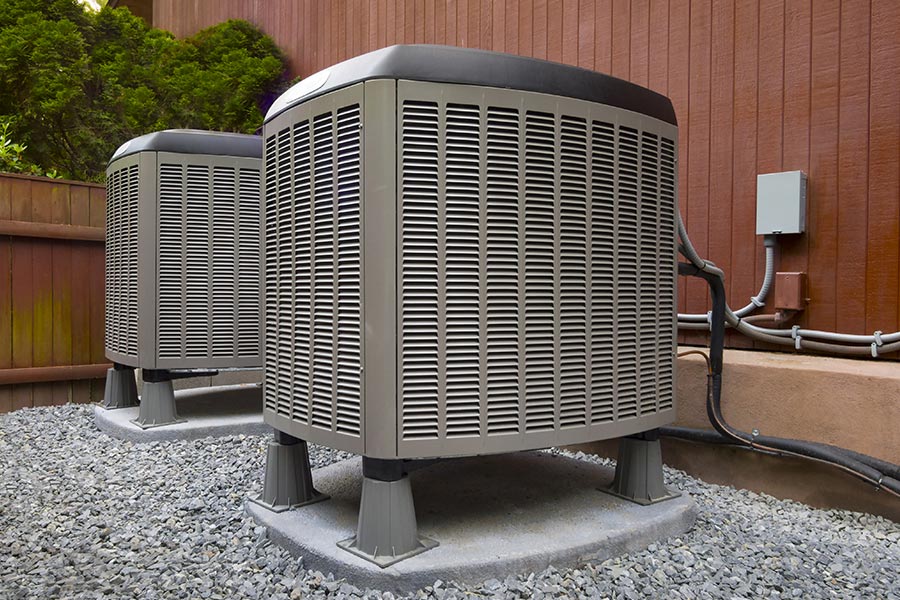
Outdoor air conditioning unit installed beside a suburban house

Get Expert Advice From Addison’s HVAC Leaders 

Are you a homeowner in Addison, Texas, asking, “Should you cover your AC unit in the winter?” Our experts have shared that it’s unnecessary and might even cause more harm than good, but why not consider regular maintenance sessions instead? Keeping the unit clean and ensuring it’s properly shut down for the season will also help. 

Whether you’re curious about the reasons for ACs blowing warm air or need help preparing your air conditioner for winter in Texas, we can help. Give Dial One Johnson Plumbing, Cooling & Heating a call today!
Posted in

Why Is My Outside AC Unit Frozen in Euless, TX?

A frozen outside AC unit is definitely not normal—and it’s a problem you’ll want to fix fast. This issue can leave you feeling uncomfortable, especially during the hot months in Euless, TX. If you’re wondering, “Why is my outdoor AC unit frozen in winter?” you’ve come to the right place. 

Understanding the causes and how to safely address them is essential. In this post, one of the top-rated companies for AC services in Euless, TX, Dial One Johnson Plumbing, Cooling & Heating, explores the reasons behind a frozen outside AC unit. 

Reasons for a Frozen AC Unit 

Your AC is freezing up because something’s making the refrigerant get too cold. This causes the evaporator coil (inside) or condenser coil (outside) to freeze. Several issues with your AC can lead to the refrigerant temperatures dropping too much, causing the system to freeze up. 

Low Refrigerant Levels 

When your AC’s refrigerant is low, a refrigerant leak is the most likely culprit. As a result, the refrigerant can’t absorb heat from your home like it’s supposed to. This causes the refrigerant inside the system to get too cold, which can result in coil freezing. 

As the coils freeze, moisture in the air turns to ice and creates a thick layer that blocks air from flowing through. Your AC then has to work overtime just to do its job. If you ignore it, that ice will eventually melt and could clog up your drainage or result in other system issues. 

Obstructed Air Vents 

When air can’t flow freely through the vents because it’s blocked by furniture, curtains, or other items, your AC struggles to pull in the warm air it needs to work properly. As a result, the evaporator coil that’s meant to grab heat from the air doesn’t get enough warm air flowing over it. 

Without proper airflow, the coil gets too cold, and you end up with an outdoor AC unit frozen in winter. Your AC needs those vents clear to pump cool air throughout your home and keep you comfortable without working overtime. 

A Clogged Air Filter 

A clogged air filter can mess with your AC’s cooling power. When the filter is blocked, air can’t flow over the evaporator coil like it should. This causes the refrigerant inside to get too cold and freeze up. When that happens, it can freeze the outside unit too. 

Remember to replace dirty filters regularly to avoid this problem. If your AC unit keeps freezing, call in an expert for a comprehensive diagnosis.

Blocked or Leaky Ductwork  

When your ducts are blocked or have leaks, they mess up the airflow to your AC unit. This poor airflow forces your AC to work way harder than it should. When this happens in winter, all that extra strain can actually make the coils freeze up completely.   

It’s a common problem that starts with simple duct issues but can lead to a totally frozen outdoor unit. Keeping ducts clear helps your AC run smoothly.  

Dirty Evaporator Coil  

When dust and dirt coat your AC’s evaporator coil, they block warm air from flowing over it. The refrigerant inside the coil is designed to absorb that warm air—but when it can’t get enough warm air, it just keeps getting colder and colder until ice forms on the coil.   

When you have an outdoor AC unit frozen in winter, the ice doesn’t just stay in one spot; the ice buildup can creep through the entire system and even freeze up the unit sitting outside your house.  

When to Call a Professional 

If you have consistent issues with your AC and thawing doesn’t seem to help, don’t hesitate to seek professional help. A frozen unit often signals a bigger problem, like low refrigerant, dirty coils, or electrical issues.  

These are not things you should try to fix yourself—they require a professional touch to properly defrost and address the underlying cause. A technician from Dial One Johnson Plumbing, Cooling & Heating can quickly identify and fix the problem, ensuring your system works efficiently. 

If thawing wasn’t done properly, we’ll inspect your unit to make sure there’s no additional damage. 

Call Our HVAC Professionals to Get Your AC Unit Back in Proper Working Condition 

Whether you’re dealing with an outdoor AC unit frozen in winter or an AC blowing warm air, don’t stress. At Dial One Johnson Plumbing, Cooling & Heating, we make AC repairs easy and stress-free.  

Don’t let a frozen AC cause more headaches—call us today for fast, reliable repairs to get your AC unit working seamlessly.

Posted in

How Does a Heat Pump Work in the Winter?

If you’re “wondering how does a heat pump work in winter?” you’re not alone! There’s actually plenty of heat energy in cold air, and heat pumps excel at grabbing this heat. With some clever physics, they can keep you warm even when it’s freezing outside. 

As one of the top-rated heating services in Farmers Branch, TX, Dial One Johnson Plumbing, Cooling & Heating explains how a heat pump can heat your home even when it’s chilly outside. Keep reading to learn how these systems work and how to make sure yours runs smoothly all year long. 

How Heat Pumps Work in the Winter  

So, how does a heat pump work in winter? The system relies on a refrigeration cycle for heat transfer, similar to your fridge, but in reverse.    

It uses a special fluid called refrigerant that absorbs and releases heat as it changes from liquid to gas. Since the air still contains some heat even in cold weather, the heat pump’s outdoor unit collects this heat through the refrigerant, which evaporates (turns from liquid to gas) as it absorbs energy.    

This process happens in the evaporator, where the refrigerant absorbs heat from the outside air. The compressor then increases the pressure of the gas, which raises its temperature. The hot gas flows through indoor coils, releasing warmth into your home.  

Next, the refrigerant cools and condenses in the condenser, releasing more heat into the air to further warm your home.  

After warming your home, the cooled refrigerant heads back outside to pick up more heat. Even when it’s a chilly 5°F outside, your heat pump can keep stealing heat from the cold air to keep you cozy, all while using less energy than traditional heating.  

Heat Pumps at Extremely Low Temperatures  

Heat pumps work great in mild weather, but they face real challenges when temperatures drop below freezing. When frost builds up on a heat pump in winter, the system typically runs a defrost cycle that melts away the ice in about 10 to 15 minutes.   

But the colder it gets outside, the harder the heat pump has to work to warm your home. If the cold lasts for a while, the system switches to emergency heat, which can cost a pretty penny.  

If you live somewhere that gets seriously cold in winter, you might want to think twice about a heat pump. Gas furnaces tend to work better when temperatures really drop. But if your heart’s set on a heat pump, just make sure to get one that’s built for freezing weather.  

Advantages of Using Heat Pumps in Winter  

How does a heat pump work in winter? A heat pump grabs warmth from outside air and moves it into your house. Unlike traditional furnaces that burn fuel to create heat, a heat pump simply shuffles heat around. It’s a two-in-one marvel—it pulls heat from outside air in winter and removes indoor heat in summer. Ultimately, you’ll get a warm, cozy home and a happier planet. 

Heat pumps do more than heat and cool; they clean your indoor air while running. They’re reliable, need little maintenance, and cost less than traditional systems.  

How to Keep Your Heat Pump Working Efficiently During Winter 

Nobody wants their heat to quit when it’s freezing outside. While heat pumps are pretty low-maintenance compared to traditional AC units, they still need some TLC to keep your home cozy all winter long. 

Here are some tips: 

Change Filters Regularly

Those air filters need changing once a month or more often, especially during heavy use. Keep the air clean and the unit running smoothly. 

Clear Outdoor Components

Your outdoor unit needs breathing room. Sweep away any leaves, ice, or debris that pile up, and keep furniture, plants, or your kid’s toys at least two feet away. Your heat pump will thank you with better performance. 

Schedule Maintenance

Book a professional check-up twice a year. It’s way cheaper than emergency repairs. The expert will inspect internal components and ensure everything is functioning well. 

Wait a Moment After Power Issues

If your power goes out or a breaker trips, resist the urge to fire up your heat pump right away. Give it at least six hours to reset. 

If something seems off, don’t ignore it. Call an HVAC expert before a small issue becomes a big headache. 

Contact Your Local Heat Pump Experts  

Understanding how a heat pump works in winter can help you stay warm cost-effectively. While there are some differences between heat pumps and furnaces, both do a great job of keeping you cozy. If you need help, contact us at Dial One Johnson Plumbing, Cooling & Heating.

Posted in

What To Do If You Find Mold on Furnace Filters

We’re acutely aware of the health hazards mold infestations introduce to homes, families, and workplaces. Understandably, discovering mold growth on your furnace filter during routine maintenance can be very disconcerting.

This isn’t as uncommon as you might think. Just ask professionals like Dial One Johnson Plumbing, Cooling & Heating, a leader in heating and HVAC repair services in Balch Springs, TX. Based on this experience and expertise, the team shares some vital information below about what to do when you discover mold on furnace filters.


Immediate Actions To Take When You Find Furnace Filter Mold

If you see visible mold growth on your furnace filter, do this first.

Replace the Moldy Filter

Most importantly, start by carefully removing the filter. Rough handling will release mold spores into the air and your system’s components. 

Wear gloves and a mask, and place the old filter into a sealed trash bag for disposal. Install a fresh, high-quality filter in its place.

Clean the Surrounding Area

As you are installing the new filter, be sure to clean the filter housing and cover carefully. 

Wipe down these surfaces with a disinfectant solution to eliminate residual mold growth.  

Inspect and Clean the Ducts

Mold spores can easily spread through your ductwork. A moldy filter is a strong warning sign that spores have infiltrated other parts of your HVAC system. 

Clean exterior vents and schedule professional duct cleaning to remove contaminants. This attention to detail may prevent recurring or spreading mold growth.


The Causes of Mold Growth

These are the leading causes of mold on furnace filters.

High Humidity Levels

Excess humidity affects our Texas climate during almost every month of the year. Mold growth on filters is one side effect. Without a reliable HVAC system, overall poor indoor air quality can be another.

Leaks and Water Damage

Water leaks inject moisture into your ductwork and indoor areas. Regular professional HVAC and plumbing system maintenance could prevent these hazardous system leaks and, by extension, stop mold from taking hold.

Dirty or Clogged Filters

Old, dirty filters are more prone to trap moisture and contaminants as they clog up. If left for too long, this fosters mold growth and many other issues.

Poor Airflow

Dirty or damaged components lead to insufficient HVAC system airflow, too. Prevent excessive condensation, and you’ll equip your system to stop mold in its tracks.


The Dangers of Mold on Furnace Filters

During contaminants’ removal, it’s common for professionals to discover an active mold infestation on the furnace filter. Mold causes property damage, although the largest concern is its potential health risks like: 

  • Respiratory issues
  • Allergic reactions
  • Asthma attacks

Long-term mold exposure can contribute to problems with chronic conditions, so don’t wait to deal with them.


Preventative Measures for Mold on Furnace Filters

Has your HVAC system recently been professionally inspected and remedied? The best preventative steps to ensure mold and mildew prevention include:

Regular Filter Replacement

Check your HVAC system filter every 30 days for dirt, clogging, and mold growth. Change the filter when needed, but no less than every 90 days. High-quality filters more effectively trap mold, allergens, and other problematic airborne particles.

Control Indoor Humidity

Set a target of 50% or lower for indoor relative humidity levels. A modern humidifier/dehumidifier system could help you maintain healthy, comfortable living spaces.

Schedule Routine HVAC System Maintenance

Regular HVAC maintenance visits from a competent professional prevent mold-causing HVAC problems. Ordinary household cleaning can’t match these routine component cleanings and system tune-ups.

Duct Cleaning Services

Professional duct cleaning also effectively removes mold on furnace filters, including spores and other pollutants that often build up in these channels. This service will greatly improve your indoor air quality. Repairing damaged ducts also aids in energy efficiency. 


When To Call an HVAC System Professional

While the basic cleaning and filter replacement discussed above are first-aid measures, mold infestation demands immediate expert intervention. An HVAC system professional can restore proper furnace function and protect your family’s indoor air quality. 


Contact Dial One Johnson Plumbing, Cooling & Heating for Comprehensive Heating System Services

Property owners deserve peace of mind and safe HVAC systems that are mold-free. So, finding mold on furnace filters in your home demands prompt attention to prevent adverse health effects and diminishing indoor air quality.

Contact Dial One Johnson Plumbing, Cooling & Heating to discuss your situation and schedule service. We’ve provided the highest quality heating and AC services to our region since 1965, and we’ll be there for you when you need us.

Posted in

Signs Your Furnace Burners Are Dirty and Need Cleaning

During our hot, humid Texas summers, it’s easy to forget how much we rely on our heating systems when serious winter weather sets in. When those first few cool evenings arrive, many property owners find their furnaces aren’t quite up to par. How can you tell, though?

That’s easy with Dial One Johnson Plumbing, Cooling & Heating, a top provider of HVAC and water heater repair services. Below, the team discusses the most important symptoms of dirty furnace burners so that you can feel ready to face this winter.


1. Yellow Flames Are a Key Indicator of Dirty Burners

Among all of the symptoms of dirty furnace burners, you don’t want to see yellow burner flames. Sparkling-clean burners produce a steady blue flame, indicating complete fuel combustion. 

When dirt or debris gets inside or on burners, the gas fuel fails to burn completely and begins to produce a flickering orange or yellow flame. This poor combustion then creates wasteful heating inefficiency, not to mention posing a serious carbon monoxide risk. 

Never ignore flame color changes — continued carbon monoxide exposure is an extreme health hazard!


2. Heating Inefficiency and Uneven Heat Distribution

Is your home taking longer than normal to heat up? You might also notice some cold spots as you move from room to room. Inadequate or uneven heating is a leading indicator of heating inefficiency caused by dirty burner issues.

Clogged burners cause uneven fuel burning, which stresses the furnace. The system’s extra work consumes a great deal more energy to produce those inconsistent results, so you won’t be comfortable or saving anything. In addition to these preventable surges in your utility bills, overworked furnaces face excessive wear and tear that will shorten their lifespan – and you’ll have to pay for a replacement much sooner. 


3. Soot Buildup and Strange Odors

Another of the common symptoms of dirty furnace burners is visible soot buildup. As debris (soot and waste material) builds, fuel efficiency suffers. The chain reaction includes soot production from incomplete combustion, and beyond the dirty residue, it creates a fire hazard as well. 

Soot has another unpleasant feature: odors. If you detect smells like burning rubber, oil, or excessive smoke, schedule a professional furnace cleaning.


4. Carbon Monoxide Warning Signs

Let’s remember the dangers of potential carbon monoxide production, which dirty burners can contribute to over time. Gas is an extremely efficient fuel source if it has the infrastructure to support complete, clean combustion. Inefficiency and safety issues happen when poorly maintained, dirty burners produce unwanted waste byproducts, including potentially deadly carbon monoxide.

Experts like Dial One Johnson Plumbing, Cooling & Heating strongly recommend installing carbon monoxide detectors in every property. Without one, symptoms like headache, dizziness, and nausea when your furnace is operating would require leaving your home immediately, getting medical attention, and calling for expert heating system help.

Beyond detectors, regular professional furnace cleaning and inspections also offer preventative measures against carbon monoxide risks.


5. Frequent Cycling and No Heat

Frequent cycling is one of the other common symptoms of dirty furnace burners (it also indicates incomplete combustion). If dirty burners cause your furnace to cycle on and off repeatedly without reaching the desired indoor temperature, the system wastes resources.

Energy inefficiencies also place high stress on your entire heating system. Luckily, you can prevent more serious problems by just calling a heating professional to clean the burners and examine the system. 


6. Strange Noises 

If you begin hearing unusual sounds from your furnace when it fires up, dirty burners could well be the cause. Popping or rumbling sounds are signs that the burners are having trouble with immediate ignition. 

These little rumbles may not sound like much, but they are actually small explosions of escaping gas. Call an expert to inspect your furnace and clean the burners when you hear these warning signals. They can damage the system’s heat exchanger and lead to more involved and expensive repairs.


Choose Dial One Johnson Plumbing, Cooling & Heating To Prepare for the Winter Weather

Whether or not you’re already seeing these warning signs, you’ll benefit from a furnace inspection by Dial One Johnson Plumbing, Cooling & Heating. Why not make it part of your pre-winter furnace checklist and have peace of mind that your system is well-prepared?

Don’t wait for symptoms of dirty furnace burners to escalate — contact Dial One Johnson Plumbing, Cooling & Heating to schedule service! It could keep your home warm and safe this winter.

Posted in

When winter comes to Texas, Dallas residents worry about ice storms that’ll knock out their power for days (like the history-making arctic blast that struck DFW in February 2021). Maybe you were one of the thousands who lost power, and you decided to buy a generator so you wouldn’t be left without heat again.

But now you think the generator might be failing, and you’re wondering how to repair your generator before frigid weather sets in.

Below, learn the top four signs of a generator on its last legs, then call us for reliable generator repair in Dallas, TX.

Signs of a Failing Generator

Is your generator about to kick the bucket, or does it have a few years of life left in it? Here are the warning signs that you’ll need to replace yours sooner rather than later.

1. Startup Difficulties

Maybe you purchased your generator a few years ago, and thanks to fairly mild weather, it has sat idle ever since you took it out of the box. It’s brand-new, so you expect it to run flawlessly. To your shock, though, it won’t turn on at all.

Or perhaps you last turned your generator on half a decade ago (or more). It worked great back then, but now it struggles and chokes when you try to turn it on.

Just like with cars, sitting idly for a long time is bad for generators. The battery can drain, and over time, internal parts may become damaged. Telltale signs of a problem include failure to start, difficulties starting the unit, or stopping prematurely.

2. Strange Smells and Noises

Your generator shouldn’t smell like much of anything, whether it’s running or not. If you smell a bad odor when passing by your generator, the unit may be about to die.

Of course, it depends on the type of odor you’re smelling. Rotting smells generally mean that an animal has died in or near the unit. If a critter has gotten inside, you’ll need to open it up to remove the remains.

If you smell something smoky, that’s a much bigger concern. There may be some sort of electrical problem that could spark a fire if not addressed.

Keep your ears perked to catch weird noises your generator might be making, too. Grinding, rattling, and banging could indicate a problem with the unit’s components, such as the fuel filter, spark plug, voltage regulator, or ignition coil.

3. Leaks

There’s something leaking out of your generator, and it definitely isn’t water. It’s probably gas, oil, or coolant, none of which you want to have soaking into your lawn.

Normally, your generator keeps fluids like these contained, but if cracks develop somewhere in the system, all bets are off. Liquids can seep through hoses and storage pans.

If you recently refueled your generator but it dies after a few minutes of running, chances are you’ve got a leak on your hands. Stop wondering how to repair a generator and call us.

4. Visible Damage

While inspecting your generator, you notice that the unit is cracked in a few spots, or maybe its wires are frayed in places. If your generator is physically damaged, it might struggle to do its job or refuse to turn on at all.

Because generators are often placed outside, where they’re exposed to foot traffic and the elements, they’re always at risk for physical damage from the weather, wildlife, and even careless people.

How To Repair a Generator in Dallas

If your generator is giving you trouble, you may or may not be able to fix it yourself. Follow these troubleshooting tips:

  • Check the fuel tank and ensure the system has enough fuel to run.
  • Check the oil level and add more oil if it’s low.
  • Ensure the choke valve switch is set to “closed” before turning the unit on. The switch should only be set to “open” once the system warms up.
  • Inspect the carburetor for clogs. If you find a clog, remove it with carburetor cleaner.
  • Inspect the spark plug with a spark tester to verify whether it’s receiving a current.
  • Ensure that the vacuum relief valve and fuel valve are open. If they’re open and the unit still won’t start, there might be a clog in the fuel line.

Stop Worrying About How To Repair a Generator and Call Our Expert Electricians in Dallas

If you’re wondering how to repair a generator before cold weather hits, stop stressing and call Dial One Johnson Plumbing, Cooling & Heating. We offer speedy home generator repair, including battery replacement and carburetor cleaning, in Dallas and beyond.

Posted in

If your water heater is having issues, is do-it-yourself water heater repair worth it? After all, it’s attractive to try and save some money. Wouldn’t doing minor repair work on your own instead of hiring a professional do just that?

No. DIY water heater repair is never a good idea. 

You’re aware that water heaters connect to both electrical and plumbing systems in your home. If you’d like to stay safe, rather rely on water heater repair professionals in Cedar Hill, TX, like Dial One Johnson Plumbing, Cooling & Heating. Let’s look at why.

Why DIY Water Heater Repair Is Not a Good Idea

Below are just a handful of reasons not to consider DIY water heater repair (in most circumstances).

Time and Money

The two main reasons you should rely on a professional are simple: time and money. 

A professional can probably get the job done faster than you can. They also ensure there are no costly mistakes, which are easy for an amateur to make. If you try to make repairs and make a mistake, you might put your water heater out of commission for longer than if you had simply called a professional initially.

Electrical Hazards

Typically, water heaters run at a high voltage to generate heat, especially if you have an electric water heater with a heating element. Messing with your water heater’s wiring and electrical connections is a surefire way to accidentally give yourself an electrical shock! 

You may also wire the water heater incorrectly. If it takes too much current, you’ll have an overheating electrical appliance, which poses a serious fire hazard. 

Voided Warranty

Most modern water heaters come with some kind of warranty that will cover manufacturer defects. However, warranties require regular maintenance from a professional to stay valid. 

If you try to repair your water heater on your own, you might void the warranty agreement. That means you also won’t be able to use the benefits to replace the unit if it breaks.

Gas Leaks

If you have a gas model, then gas leaks are a risk with do-it-yourself water heater repair. Gas is highly combustible and can cause destructive explosions when exposed to an open flame. Gas exposure itself is also harmful, causing headaches, nausea, and difficulty concentrating – at best. 

A professional plumber knows how to work safely with gas lines to avoid danger and exposure. For example, if you damage the gas burner, the water heater might start to emit carbon monoxide. This colorless, odorless gas can be fatal if you don’t realize you or a loved one are breathing it in.

Water Damage

Working with water-based appliances always runs the risk of causing extensive water damage around the property. For example, if you incorrectly connected the hot water line or the dip tube, it might start to leak. 

Water heaters are often out of the way in basements or crawl spaces, so it might be difficult to notice a leak around the tank. Any size leak can quickly cause water damage. Leaks are especially destructive if the water is going into your property’s foundation slab.

Can I Ever DIY Repair My Water Heater?

Never perform do-it-yourself water heater repair! However, there are one or two smaller preventative maintenance tasks that you could do. These tasks keep your system in good condition and minimize repairs:

  • Flush your water tank at least once every six months and test the pressure relief valve. Removing sediment buildup saves your heating system from damage over time. 
  • You can use a handheld multimeter to test electrical connections and voltages. If voltages are not within expected ranges, contact a professional for water heater troubleshooting. 
  • For gas water heaters, regularly clean the burner assembly to keep it blockage-free
  • Periodically tighten connections and hoses. Tight connections will prevent leaks and potential electrical problems.
  • Check the pilot light color and thermocouple. Is it orange or yellow instead of blue? Contact a professional to inspect your gas burner or lines. 
  • Once a year, replace the anode rod. The anode rod absorbs imperfections in the water to prevent corrosion on the interior of the tank.

It’s also helpful to visually inspect your water tank system for leaks, cracks, rust, and other damage.

Professional Water Heater Repair in Cedar Hill

Do-it-yourself water heater repair might be tempting if you’d like to reduce the cost to plumb a house or maintain things, but it is often counterproductive or creates unnecessary expenses to fix your mistakes. Why not reach out to Dial One Johnson Plumbing, Cooling & Heating online or call today to schedule water heater repair in Cedar Hill, TX?

Posted in

Your typical air conditioner will last about 15 to 20 years, on average, depending on how well you take care of it. If it’s near the end of its life, however, you may start to see signs your AC unit is going out of commission. 

Keep an eye out for the signs below so that you can call an air conditioning professional to schedule a replacement when the time comes. You could also contact Dial One Johnson Plumbing, Cooling & Heating for premium AC services in Desoto, TX!

Weak Airflow

Low airflow is a major sign your air conditioner is failing. Most of the time, airflow weakens because you have a clogged filter. 

It could also be because a crucial component in your unit, like the fan motor, has gone wrong. A broken fan motor might make unusual noises, like scraping or grinding.

No Cold Air

A lack of cold air is usually caused by compressor issues or a refrigerant leak. Without the compressor or refrigerant fluid, your air conditioner can’t make cold air. In this case, it just ends up circulating the warm air it draws from outside. 

Unfortunately, warm air also has high humidity. If your unit isn’t cooling, indoor moisture levels might increase. Compressor malfunctions also trap your air conditioner in a frequent cycling loop, which wears it down faster.

Bad Smells

Foul odors coming from your Desoto air conditioner’s vents could be a sign of two things – growths or fires.

If it’s a musty or sour smell, you may have mold or algae growing inside your air conditioning ducts. Sometimes, you can clean and remove mold, but if it’s a recurring problem, your system might not be regulating indoor humidity as it should. You’ll need a new one. 

A burning smell, on the other hand, indicates an electrical or wiring failure. It’s dangerous and can cause fires, so call a professional if you smell burning or smoke in the vents. 

High Energy Bills

Another one of the common signs your AC unit is going out is a higher energy bill. Air conditioner units have to work a lot harder as they age to provide the same performance. The end result of an ailing unit is that your energy bills start to skyrocket without the unit’s performance changing. 

Regular maintenance tuneups can optimize your cooling system. Still, after a certain point, energy costs will keep climbing and won’t come back down, and you’ll need a replacement air conditioner. 

Frequent Repairs

Another sign your air conditioning unit is on its way out is frequent breakdowns. Aging systems can’t handle the constant performance. 

If you have hit the point of calling a professional for air conditioning repairs every few months, get a new system. 

Extending Your Air Conditioner’s Lifespan

You can avoid these signs your AC unit is going out if you take good care of the system and help cool your home for longer. 

Below are some tips to keep your air conditioner working in top condition for as long as possible. 

  • Make sure you replace your air filter at least once every three to six months. Dirty air filters restrict airflow and can increase the strain on your system. 
  • Upgrade your home’s insulation. Insulation regulates your home’s temperature, so your air conditioner doesn’t have to work as hard to keep your home cool. 
  • Schedule regular maintenance at least once per year. During maintenance, a technician will clean and test your cooling system and inspect its components. 
  • Keep the space around the outdoor unit clean. Cut at least a foot of clearance between the grass and the bottom of the unit. Ensure you pick up leaves and sticks that can block intake vents, too. 

In our experience, following these tips could extend your cooling system’s lifespan by an additional five to seven years. 

When Should I Repair or Replace My Air Conditioner in Desoto, Texas?

As a general rule of thumb, you should replace your air conditioning once repair costs rise to 50% of what it costs for a new unit. Air conditioning replacement will cost more upfront than repairs, but you will save more money in the long term with fewer maintenance and repair costs. 

Modern air conditioners are also much more energy-efficient. Thanks to these upgrades, running a new unit can cost significantly less.

Your Trusted Desoto HVAC Experts

Is your AC not working, or do you see signs your AC unit is going out? Contact Dial One Johnson Plumbing, Cooling & Heating online or call today to schedule an appointment in Desoto, Texas!

Posted in

Have you ever gone a day without your air conditioner here in Cedar Hill, TX? You’ll quickly agree that it’s an experience you should avoid repeating! Most residents here will agree that their air conditioning units are highly crucial for their comfort all through the year.

However, not many people know the key parts that come together to produce that consistent stream of cool air when temperatures start to hover around 100 degrees. In this post, Dial One Johnson Plumbing, Cooling & Heating, the leading AC repair company in Cedar Hill, TX, covers the parts of an air conditioner you need to know.

1. The Refrigerant

When you’re thinking about parts of an air conditioner, your mind likely doesn’t picture the refrigerant, and that’s not surprising because you don’t see it. However, it’s arguably the most important part of the air conditioner. As we progress, you’ll see how the bulk of the other major components are there to “serve” the refrigerant.

The refrigerant is a chemical compound that runs inside your air conditioning system. It’s crucial to the heat exchange process because it absorbs the heat from your indoor space and moves it to the outside. The compound changes from gas to liquid and back to gas through the process.

2. The Compressor

Most technicians will tell you that the compressor is the heart of your air conditioning system. It’s responsible for pressurizing and circulating the refrigerant, keeping it flowing through the system. The compressor’s efficiency ultimately determines the air conditioner’s efficiency as well.

Many HVAC technicians will advise doing your best to avoid compressor problems because it’s one of the most expensive parts of an air conditioner.

3. The Condenser Coil

The condenser coil sits in your air conditioner’s outdoor unit. It’s responsible for receiving the heated refrigerant and delivering the absorbed heat into the surrounding air. The refrigerant enters the coil as a high-pressure gas and loses its heat to transform into a liquid before it goes back up the channel to resume its job of heat absorption.

4. The Evaporator Coil

The evaporator coil is the opposite of the condenser coil. You’ll find it inside the air conditioner’s indoor unit. The refrigerant enters the evaporator coil as a high-pressure liquid and then expands and evaporates to turn into a low-pressure gas. As the refrigerator evaporates, it will absorb heat from your indoor air.  That’s how the space feels cooler.

5. The Expansion Valve

The expansion valve is another key component that helps regulate the flow of the refrigerant. It controls the pressure of the refrigerant and also determines how much of the refrigerant will enter the evaporator coil. Therefore, the expansion valve is key to optimal cooling.

6. The Blower Fan

The blower fan is a key part of central air conditioning systems — the most popular type of AC across the country. It helps circulate the cooled air throughout your living space by blowing over the evaporator coils.

In ductless systems, the fan is more compact and positioned inside the air handler. Still, the job is the same. Without the blower fan, the cool air may not reach most parts of your indoor space.

7. The Air Filter

The air filter is one of the simplest parts of an air conditioner, but it’s still crucial. It can trap dust, allergens, and a host of other particles, stopping them from circulating through your indoor air and clogging up your HVAC system.

Using your air conditioner with clean air filters will allow the unit work efficiently. It will also increase the unit’s lifespan in addition to maintaining a healthy indoor air quality.

8. The Thermostat

The thermostat is your air conditioner’s control center. You can use it to communicate the temperature you want to the air conditioner. It also monitors the temperature in the room and will shut down the AC when it has reached your desired temperature.

If you have a forced air system, then the thermostat isn’t really a part of the air conditioner. It controls the air conditioner, but it will sit somewhere outside of the unit.

However, for ductless systems, mini-splits, and some heat pumps, the thermostat is on the air handler, and you can interface with it directly or remotely.

Learn More About Air Conditioner Components From Your Local AC Experts in Cedar Hill, TX

Do you have further questions about the different parts of an air conditioner? Would you like to learn the effect of a power surge on an AC? We can help!

Call Dial One Johnson Plumbing, Cooling & Heating in Cedar Hill, TX, at 972-291-0740

Posted in

As a homeowner in Cedar Hill, TX, your air conditioner plays a significant role in the level of comfort you enjoy during the summer months. Temperatures hover around 100 degrees during this time.  

However, you probably don’t know how the various components in your air conditioner work. This is why it’s easy to miss potential faults when they develop. One component that plays a crucial role in the cooling process that you’ve most likely never heard of is the AC expansion valve.

What is it, and what does it do? Dial One Johnson Plumbing, Cooling & Heating, the leading AC repair company in Cedar Hill, TX, covers the details in this post.

Explaining How the AC Expansion Valve Works in the Air Conditioner Serving Your Home in Cedar Hill, TX

The expansion valve is a component that controls the flow of refrigerant between the condenser and evaporator coils.

The refrigerant is a key aspect of the heat absorption process. When you turn on the air conditioner, the refrigerant will flow from the condenser as a high-pressure, high-temperature liquid. However, it must cool down before it gets to the evaporator coil. That’s where the AC expansion valve comes into play.

The expansion valve lowers the pressure and temperature of the refrigerant as it passes through it, converting it into a cool, low-pressure liquid. In that state, the compound can effectively absorb heat from your indoor space when it gets to the evaporator coils.

That’s essentially the bulk of the expansion valve’s job. However, it also determines how much refrigerant will go into the evaporator coil. It has to get the balance right because if it doesn’t deliver enough refrigerant, your air conditioner will no longer produce enough cool air, if at all.

On the other hand, releasing too much refrigerant will flood the unit and potentially damage it.

Top Signs of AC Expansion Valve Problems

Air conditioners have many parts working together to deliver the level of comfort you desire. Therefore, it can be hard to know the source of problems when they arise. Roughly 90% of homeowners use air conditioners, but few can tell what is wrong with their air conditioners.

You should have a technician check out your AC expansion valve if you notice any of the following problems.

Warm Air Coming From the Vents

Is your air conditioner blowing warm air? It’s possible that you have a faulty AC expansion valve. The valve may not be delivering enough refrigerant to the evaporator coil. In most cases, this occurs when there’s a refrigerant leak somewhere in the line. Other times, it could be an issue with the valve itself.

The best way to know for certain is to have an experienced technician complete a thorough check.

Unreasonably Long Cooling Cycles

In an air conditioner in excellent shape, the AC expansion valve will shut off the refrigerant supply when your home has reached a desired temperature. This will allow the compressor to shut down and end the cooling cycle.

If the expansion valve fails to regulate the flow of refrigerant and keeps delivering it to the evaporator coil, the compressor will keep running for long periods.

If your air conditioner runs longer cycles every time, your energy bills will skyrocket. Your home might also start to feel too cold. After running longer cycles for a few months, the AC’s compressor will also likely give up, saddling you with an expensive repair job to do.

Whistling Noise

Can you hear a whistling noise while your air conditioner is working? It’s a clear sign that the refrigerant is flowing from the AC expansion valve with excessive force. This occurs when the valve can’t maintain the correct pressure. This issue will make your air conditioner less efficient.

Frozen Coils

If your expansion valve has poor refrigerant control and allows too much of the compound into the evaporator coil, the coil might freeze over if it gets too cold.

You may be wondering how an evaporator coil will freeze over in your home during the summer here in Cedar Hill, TX, but it can happen. If you see ice accumulating around the air conditioner, shut it down to prevent further damage.

Get Further Guidance From Your Local HVAC Experts in Cedar Hill, TX

Do you want to learn more about how your AC expansion valve works? Is your AC fan not spinning? Whatever your AC needs, you can count on our crew for professional guidance and custom solutions.

Call Dial One Johnson Plumbing, Cooling & Heating in Cedar Hill, TX, today at 972-291-0740 to schedule a consultation. Learn more now.