Experiencing an emergency? Call 972-914-0833

Ready to Experience the Dial One Johnson Difference?

Your go-to resource for HVAC and plumbing solutions, DIY guides, and home maintenance tips.

Got an emergency? Call 972-914-0833 or …

Explore by topic:
Posted in

Can You Get Carbon Monoxide Poisoning From an AC Unit?

Carbon monoxide is a dangerous gas you never want to let loose inside your home. It’s possible to face disastrous results from a leak, but are there certain household appliances or pieces of equipment that are particularly bad? For example, can you get carbon monoxide poisoning from an AC unit?

Dial One Johnson Plumbing, Cooling & Heating provides some of the best AC services in Glenn Heights, TX. We know the importance of having a functional air conditioner to keep the sweltering summer heat at bay, and that functionality includes safety mechanisms. Here, we explain whether cooling systems are more susceptible to carbon monoxide leaks than other devices and how to keep your home safe.

The Dangers of Carbon Monoxide Exposure

Carbon monoxide is a toxic byproduct of burning fuel like natural gas, propane, and oil. Since it is a colorless and odorless gas, it’s undetectable without a carbon monoxide alarm. That’s why it has a reputation as a “silent killer.”

Inhaling these toxic gas molecules allows them to seep into your bloodstream and block oxygen from reaching your red blood cells. Essentially, this lack of oxygen will suffocate your brain and other vital organs, resulting in severe health complications or death. Even minimal amounts of carbon monoxide can be dangerous with prolonged exposure and may lead to these common symptoms of carbon monoxide poisoning:

  • Nausea
  • Dull headaches
  • Dizziness
  • Fatigue
  • Chest pain
  • Memory loss

If you want to keep your home safe, working detectors and well-maintained heating and cooling equipment are important.

Are You At Risk of Carbon Monoxide Poisoning by Running Your Air Conditioner?

Can you get carbon monoxide poisoning from an AC system? The answer is complicated. Air conditioners typically run on electricity, not oil or gas, and only fuel-burning appliances create carbon monoxide.

With electrical devices, you don’t have to worry about incomplete combustion. It’s not actually possible for your electrical cooling unit to leak carbon monoxide.

Possible Sources of Carbon Monoxide Leaks in Your Home

So, your electric air conditioner can’t produce carbon monoxide. However, your home might still have one of the biggest producers of carbon monoxide: gas-powered HVAC units or furnaces.

A buildup of dangerous gas might seep into your living spaces with an ailing furnace or these other fuel-burning appliances:

  • Fireplaces
  • Gas clothes dryers and washing machines
  • Charcoal grills
  • Gas-powered space heaters
  • Boilers
  • Motor vehicles
  • Portable or standby generators

Regular furnace maintenance and timely HVAC repairs are crucial for your safety!

How To Detect Carbon Monoxide in Your Home

Can you get carbon monoxide poisoning from an AC unit? No, but it’s important to know the symptoms of carbon monoxide poisoning anyway. Your home likely has at least one gas-burning appliance, so a leak is possible.

Soot is another indicator of carbon monoxide issues. You may notice yellowish or brownish stains, soot falling out of your fireplace, or black buildup accumulating around fuel-burning appliances.

Excess condensation on the inside of windows and interior walls also indicates a gas leak. Gas-fueled appliances failing to combust fuel properly could lead to ventilation issues.

Essential Tips To Minimize Your Risk of Carbon Monoxide Exposure

To keep your home’s indoor air quality healthy while co-existing with fuel-burning equipment, follow these tips to avoid carbon monoxide poisoning:

  • Install carbon monoxide detectors: It’s vital to detect this deadly gas before its concentration gets high enough to cause significant harm. Put at least one detector near bedrooms and on every level of your home.
  • Schedule HVAC maintenance regularly: Your air conditioner won’t cause carbon monoxide poisoning, but your furnace might. HVAC technicians can uncover potential problems in their early stages during service calls to minimize your risk.
  • Use gas-powered equipment safely: Never use grills indoors.

And, of course, don’t leave a vehicle running inside a garage, even if the door is open.
Secure Your Heating and Air Conditioner Safety With Help From Our Local HVAC Experts

Can you get carbon monoxide poisoning from an AC unit? Technically, you can’t since electrical equipment doesn’t burn gas. However, many fuel-burning appliances, including some HVAC systems, can leak this harmful gas if they have maintenance issues, and this will compromise your safety and health if you don’t detect it in time. 

Thankfully, Dial One Johnson Plumbing, Cooling & Heating’s top-rated HVAC company provides comprehensive heating and cooling services! Let’s prioritize lasting results, your family’s safety, and your customer satisfaction. Don’t wait to contact us if you need help troubleshooting an AC unit, reach out today!
Posted in

What Size Air Conditioner Do You Need for a Studio Apartment in Mesquite, TX

What size air conditioner works best for studio apartments? As the trusted provider of AC services in Mesquite, TX, Dial One Johnson Plumbing, Cooling & Heating helps you choose the perfect device. From Lawson to Bridgeview Estates, people like you rely on our advice to keep their homes safe and comfortable, no matter the time of year.

How To Determine an Air Conditioner’s Size and Why It Matters

Did you know air conditioners come in different sizes? Choosing the right one is important because an undersized model can’t adequately cool your space. An oversized one wastes energy, and you’ll pay a considerable amount to cool your home.

Experts use a BTU rating to measure an air conditioner’s cooling capacity. Short for British Thermal Unit, the higher the number, the better the cooling power. In general, you need about 20 BTUs per square foot of living space.

If you have a studio apartment, you likely need a wall-through or window unit. They typically range in size from 5,000 to 15,000 BTUs. If your studio can support a ductless mini-split, you can find single units up to 24,000.

Best Tips for Choosing the Correct Air Conditioner for Your Mesquite Studio Apartment

In general, you can choose the size based on the square footage of your studio apartment. However, several factors can determine whether you need a smaller or larger air conditioning system. Use these tips to ensure you choose the right portable air conditioner.

Number of Windows and Amount of Sunlight

What size air conditioner works best for studio apartments? If you have significant sunlight entering the space, you may need a larger device. Consider factoring in the room size and adding about 10% additional power.

Sunlight is one of the biggest factors that determine the energy efficiency of your home. It can quickly heat the home and force your device to work longer and harder. Think about the following:

  • Number of windows 
  • The direction they face (Southern exposure gets consistent sunlight) 
  • Window size 

Local Climate Including Humidity Levels

The local climate plays a major role in determining what size air conditioner you need. Mesquite has a humid subtropical climate, which means you’ll need to account for nearly year-round use and significant moisture in the air.

If you live in a cooler or more temperate climate, you can often invest in an air conditioner with lower BTUs than suggested. However, in East Texas, you’ll need one higher than typical.

Building’s Insulation Quality From All Sources

Consider the quality of both building-wide and studio-specific insulation. For example, if the apartment complex has a great roof, it can keep some heat from infiltrating the building.

When it comes to your Mesquite apartment, think about the following:

  • Do your windows leak, and do you have blackout curtains to keep the sun out? 
  • Can nearby trees provide natural shade during the hottest time of day? 
  • Do your vents and ducts have any leaks where cold air could leak out? 

The more sunlight and heat you can block, the better. With the right techniques, you can find a cost-effective and energy-efficient cooling system.

Room’s Layout Including Height and Nooks

What size air conditioner works best for studio apartments? That depends partially on the layout of your room and building.

For example, if you live on the tenth floor, much of the heat from the lower apartments will rise to your room. You’ll need a more powerful device than you would for a first-floor studio.

Also, consider the layout of your room. If you have unusual nooks and crannies rather than traditional square rooms, you may need more energy to keep these areas cool. High ceilings or peaks also retain more heat than low and flat spaces.

Number of People Living There Full Time

The body heat you generate may seem minuscule, but it matters. A studio apartment that has two or three people living there full time will require a more powerful device than a bachelor pad. You don’t need to factor in occasional guests or gatherings. 

Dial One Johnson Plumbing, Cooling & Heating Provides Quality Air Conditioner Services in Mesquite

What size air conditioner works best for studio apartments? When you work with Dial One Johnson Plumbing, Cooling & Heating, we make the choice feel simple.

We’re the experts who help you understand the lifespan of an air conditioner or how efficiently it runs. Whether you live near Long Branch Creek or Mesquite Metro Airport, you’ll benefit from working with the best HVAC technicians in the area. 

Contact us to schedule air conditioner services today. 

Posted in

How To Spot Black Mold on Your AC

Did you know that skipping annual maintenance could mean you miss black mold on AC units? Dial One Johnson Plumbing, Cooling & Heating provides expert AC repair services, but regularly scheduled maintenance is a far better way to avoid serious problems along our stretch of Highway 175. We’re passionate about keeping cooling systems in peak condition and mold-free – learn how below.

The Dangers of Black Mold in Your Home

Black mold accumulates quickly. Often, spores emerge when moisture sits on your cooling device for a prolonged period. Beyond harming indoor air quality, long-term black mold exposure can have chronic health ramifications, including worsening respiratory conditions and skin irritation.

Without mold remediation, the HVAC system can blow the spores throughout your property, where they will take root. Over time, spreading mold can cause serious damage to your walls and floors, resulting in expensive repairs.

Look For These Signs Black Mold Grows in Your Air Conditioner

While air conditioner maintenance offers effective HVAC mold prevention, certain conditions can still mean it develops unseen. For example, you might look for the following signs of black mold air conditioner contamination:

Your Air Conditioner Smells Like a Musty Basement

When mold grows anywhere in the house, it emits a smell similar to a musty basement. A basement doesn’t always have mold or mildew, but if you notice the scent in other places, assume that a mold problem needs immediate attention. You can inspect your indoor and outdoor units to pinpoint the mold’s location and visually confirm black mold.

You See Black Spots Forming on the Device

Homeowners can often see black mold on AC units. In the early stages, it may look like tiny black spots on the coils, in the drain pan, or beneath the device. You may also see black dust blow across the room whenever the device’s fan activates – and these are mold spores, not dirt.

You’ve Found Mold in Your HVAC or Vents

It’s helpful to periodically inspect your vents for the presence of mold spores or mildew growth. Often, growth accumulates on vents where the air enters each room, but it also happens deep within the system. Address the issue immediately with mold remediation, and consider hiring an expert to find and eliminate the root source.

You Sense Allergies Increase When the Air Conditioner Activates

Allergies are one of the less severe health risk symptoms that mold produces. It’s often a precursor to more serious issues like long-term respiratory complications. If you sniffle or scratch your skin whenever you turn on the air conditioner, you likely have this fungus lurking inside the unit.

You’ve Noticed Increased Moisture in Some Rooms

Have you noticed a room with higher humidity levels than normal? That room would have an increased vulnerability to mold growth, so stay vigilant for any of the above-mentioned signs.

How To Protect Your Air Conditioner From Mold Growth

So, how can you prevent black mold on AC units? Prioritize the following best practices:

Control Humidity in Your Home

If you’d like to reduce the likelihood of mold growth, keep the humidity in your home between 30% and 50%. You might also consider installing a whole-home dehumidifier for your property. A good balance can hinder the ability of mold spores to reproduce. 

Schedule Annual Maintenance

Annual maintenance is the most important thing you can do for your HVAC system. The services of a certified technician can help prevent the conditions that lead to mold growth and inspect the system to catch mold before it gets out of hand. Schedule in early spring, just before you’ll be using your cooling system intensively.

Clean Your Home and Change the Air Filter

The more dust and dirt you have in your home, the more organic particles like mold spores collect. Simply keeping your home vacuumed and wiped down daily can make a big difference. It’s also safer to change your unit’s air filter at least monthly.

Improve Your Ventilation Insulation

Improving airflow in your home is the last way to reduce humidity and remove standing water. Proper insulation can prevent outdoor contaminants from entering your home and settling there. Improving both elements significantly reduces the chances of mold.

How Much Energy Does a Heat Pump Use in Dallas, TX?

Schedule Fast and Reliable Air Conditioner Repairs

Now that you know how to identify and prevent black mold on AC units, contact Dial One Johnson Plumbing, Cooling & Heating. We’ll help you avoid DIY AC troubleshooting risks and keep your family safe – all at a competitive price. Residents count on our expertise and consistent professionalism, so contact us today!

Posted in

Why Does Your Air Conditioner Turn Off by Itself in Grand Prairie, TX?

It’s been a long, hot day, and you just want to veg in front of the TV in your cool living room. Your AC clicks on but shuts off just as you get comfortable. You wonder, “Why does my air conditioner turn off by itself?”

Dial One Johnson Plumbing, your team for AC repair in Grand Prairie, TX, has created this guide so you have some answers.

Your Thermostat Is in the Wrong Place or Malfunctioning

Let’s start with something simple. Is your thermostat: 

  • Near a vent?
  • By a window?
  • In direct sunlight? 

These problematic placements mean it doesn’t get an accurate read on the temperature, so your AC won’t work. The same applies to a thermostat malfunction. You should call in someone to check it out. 

Your AC Is Short Cycling

Is your air conditioner turning on and off within a few minutes? This common issue is not only annoying but also damaging to your system. Some of the reasons include: 

  • A refrigerant leak
  • An oversized AC unit
  • Electrical issues
  • A dirty air filter or evaporator coil

You should check your air filter first and then the thermostat. If that doesn’t work, call in the professionals. 

You Have a Clogged Air Filter

This is one of the most common answers to “Why does my air conditioner turn off by itself?” Air can’t move through a clogged filter, resulting in a frozen evaporator coil. The system can overheat, so it switches off to prevent damage. 

It’s tempting to squeeze out as much use out of a filter as possible, but you’re better off following the manufacturer’s instructions for replacement. 

Your AC Is Overheating

Your air conditioner might stall in response to: 

  • Dirty condenser coils
  • Blocked airflow around the outdoor unit
  • A failing motor
  • Low refrigerant levels

If your HVAC gets too hot, it switches off to protect itself. For example, an overheating compressor can cause the motor to burn out over time. 

Check your outdoor unit and clear away any leaves, grass, or debris. Ensure there’s at least two feet of space around it so it can cool off properly. If this doesn’t help, call a pro to diagnose the issue, which may lurk deeper within your system. 

You Have Electrical Issues or a Faulty Capacitor

Your HVAC contains many internal components, each of which is integral to making it run smoothly. If there’s a faulty capacitor, bad relay switch, or loose wire, the system could shut off randomly. You’ll notice: 

  • Breakers that trip often
  • Flickering lights
  • Blown fuses

Of all the systems within your AC, this is the last one you should fiddle with. A trained technician has the tools and expertise to find the problem quickly. 

The Refrigerant Is Running Low

This is another common answer to “Why does my air conditioner turn off by itself?” It’s also one of the most important things you should know about air conditioning. Your system circulates a refrigerant to remove heat from the air. The system’s pressurized, so any leaks are problematic. If the refrigerant drops too low, the system shuts down. 

You’ll see: 

  • Warm air from the vents
  • Hissing noises near the unit
  • Ice buildup on the coils 

This is not a DIY fix and means you must switch off the AC immediately. If you don’t, you’ll damage the compressor. 

Your Unit Is Too Big for Your Grand Prairie Home

It’s tempting to buy a bigger unit than what you need, but this can be as bad as one that’s too small. It cools the area too quickly, so the dehumidifier doesn’t get a chance to work properly. The AC switches off because it’s cool, but switches back on again quickly because of the humidity. 

This strains your system and shortens its lifespan. 

The Evaporator Coils Are Blocked or Frozen 

This issue will usually stop your AC dead in its tracks. This could be due to: 

  • Restricted airflow caused by a dirty filter
  • Low refrigerant
  • A malfunctioning fan

In this situation, the first thing to do is to turn off the unit and let the coils thaw completely. Then, swap out the filter and restart everything. If the freezing keeps happening, you’ll need a technician to dig deeper into the cause.

Why Does Your Air Conditioner Turn Off by Itself in Grand Prairie, TX?

Seek Expert Advice in Grand Prairie, TX, Today!

Save yourself the guesswork and get the right answer to “Why does my air conditioner turn off by itself? Don’t risk the dangers of fixing AC yourself; contact Dial One Johnson Plumbing for expert service. 

Posted in

Why Are More HVAC Technicians Recommending Amana for Summer 2025?

This year, Amana — along with its sister brands Daikin and Goodman — is leading the pack by using a new refrigerant called R32, and that’s a big deal. Meanwhile, major brands like Lennox, Carrier, and Trane are sticking with R454B, and that’s causing some serious problems.

Quick refresher: what’s refrigerant?

Refrigerant is the special fluid that runs through your air conditioner or heat pump to keep your home cool and comfortable — no refrigerant, no cold air!

Right now, there’s a major shortage of R454B, and since only a few companies can produce it, prices have skyrocketed — sometimes up to $900 for a 20lb tank! With supply limited, getting fast air conditioning repair could be a real challenge if your system runs on R454B.

Why does this matter for homeowners?

If your A/C system needs service and uses R454B, you might be waiting days or even weeks for the right parts and refrigerant. That’s the last thing you want when temperatures hit triple digits in Texas.

Why Are More HVAC Technicians Recommending Amana for Summer 2025?

What makes R32 better?

R32 is much more available, more affordable, and widely produced. Plus, R32 is a single oil refrigerant, unlike R454B, which is a blend of several oils. That makes repairs faster, easier, and less expensive for both homeowners and HVAC contractors.

The bottom line:

Choosing Amana means quicker repairs, fewer headaches, and a home that stays cool when it matters most.
✅ Faster, easier A/C repairs
✅ Shorter wait times for refrigerant
✅ Lower service costs

If you’re considering air conditioning installation, or you need emergency A/C repair this summer, it’s smart to pick a system that uses R32 refrigerant. Our team specializes in HVAC maintenance, A/C replacement, and full HVAC system upgrades across Midlothian, Waxahachie, Cedar Hill, and beyond. Trust us to keep your family comfortable no matter how hot it gets!

Posted in

How To Replace an AC Blower Motor

Grand Prairie, TX, is one of the hottest places in the country. In 2023 alone, there were three days when the temperature exceeded 110°F!

When you live in a place with relentless heat having a fully functional AC isn’t just a matter of comfort; it’s also a matter of safety. That’s why so many homeowners turn to Dial One Johnson Plumbing, Cooling & Heating for fast, reliable AC services when their system starts to fail.

In this blog, we’ll walk through how to replace AC blower motor components, what signs to watch for, and when to let a pro handle the repair.

What Does an AC Blower Motor Do?

The blower motor powers the indoor fan that moves air through your home. It pushes cool air in the summer and warm air in the winter, which makes it one of the few parts of your HVAC system that works year-round.

You’ll find the blower motor inside the furnace or the air handler, depending on how your system is set up.

When the blower motor stops working, airflow stops completely. At that point, you’ll need an air conditioner blower motor fix or a full HVAC motor replacement from a professional to get your system moving air again.

Understanding What Causes AC Blower Motors to Fail

Blower motors fail for a few reasons and each one comes with warning signs you shouldn’t ignore.

  • A clogged air filter restricts airflow, traps heat, and forces the motor to spin under heavy strain.
  • Poor duct design causes high static pressure, which blocks airflow and adds mechanical stress.
  • Age and worn bearings cause the motor to lose efficiency or stop working altogether.
  • Electrical issues like failed capacitors or bad control boards can shut the motor down.
  • Common signs include no airflow, weak airflow, loud mechanical noises, or a burning smell.

These problems will get worse with time, so if you catch them early, you’ll avoid a full system breakdown and potentially thousands in future repairs.

An Urgent Safety Warning To the Inexperienced

Blower motor repairs involve serious risks. If you don’t have experience, stop now and don’t touch anything. Live wires inside the unit shock on contact, sharp metal parts slice through skin with little effort, and capacitors store enough charge to deliver a jolt even after you shut off the power.

You aren’t just risking your own safety; you’re risking damaging your entire system. A wrong connection will burn out the control board or destroy the new motor. Even a small wiring error will void most manufacturer warranties.

This job demands years of training and the proper tools. Still wondering how to replace AC blower motor parts? Simply let a licensed technician handle it and keep your warranty intact.

Get Proof That You Need More Than a DIY AC Blower Motor Change

If you want proof you need HVAC blower motor repair before you call a technician follow these tips and don’t touch anything you don’t fully understand:

  • Pull out the air filter and replace it if it looks dirty or clogged.
  • Check airflow by placing your hand near the vents.
  • Listen for buzzing, grinding, or rattling sounds from the system.
  • Shut off the power at the breaker before opening the access panel.
  • Inspect the wiring for burn marks or loose connections without touching anything.
  • Take a photo of the wiring for reference, but leave all connections in place.

These steps reveal early warning signs. If you spot any, protect yourself and your system and schedule HVAC blower motor replacement or repair services with a licensed professional.

What the Pros Do That You Can’t

Replacing AC fan motor parts takes more than just swapping one part for another. HVAC pros test power draw, check airflow, and install the right motor for your system. They work fast, avoid damage, and fix the problem at its source. You won’t get that by guessing your way through the job.

How To Replace an AC Blower Motor in Grand Prairie, TX

The Risks That Come With a DIY AC Blower Motor Change Aren’t Worth It

If you’re still wondering how to replace an AC blower motor after reading through this blog post, you probably shouldn’t attempt any DIY repairs or replacements.

We know how frustrating it feels when your outside AC unit won’t turn on. That’s why we also wrote a simple guide to help you troubleshoot the most common problems.

When you’re ready for expert help, contact Dial One Johnson Plumbing, Cooling & Heating for the best AC services in Grand Prairie, TX.

Posted in

How Much Energy Does a Heat Pump Use in Dallas, TX?

If you’re sick of your ancient furnace and air conditioner costing you a fortune every year, making the switch to a heat pump can feel quite appealing. Heat pumps do use less energy than other types of HVAC units, but “less” doesn’t mean “none.”

Exactly how much energy does a heat pump use? Learn more below, or find out the specs when you call us for heating services in Dallas, TX.

How Much Energy Does a Heat Pump Use? Your Average Heat Pump Electricity Consumption Explained

According to the Department of Energy, an average-sized heat pump in a typical-sized home uses about 5,475 kilowatt hours each year. Heat pumps can use anywhere from 400 to 22,500 kWh, which is significantly lower, even at its higher limit.

Why is there such a big range for heat pump energy usage? Let’s explore the factors affecting heat pump power consumption below.

The Size of the Heat Pump

The bigger your home, the larger your heat pump will need to be to keep the living space comfortable. Heat pumps come in several sizes ranging from one to five tons. As you might expect, larger heat pumps need more power.

If you have a small home, you can get by with a 1-ton, 12,000-BTU unit. For medium to large homes, a 2-ton, 24,000-BTU heat pump will be better.

Buying a heat pump of three to five tons may seem like a good idea, but in a mild climate like Dallas, overkill will cost you. In Texas, most people simply don’t need a heat pump that powerful to stay comfortable.

The Type of Heat Pump

How much energy does a heat pump use? There are a few different types of heat pumps, each with its own energy requirements. 

Air-to-air heat pumps are the most common in Dallas. These units gather warmth from the air and use it to heat your home. In the summer, air flows across a coil in your ductwork to provide cooling.

Ground-source heat pumps, also called geothermal units, are super-efficient options. These units bury a pipe that contains antifreeze and water. This solution absorbs warmth from the ground and passes it to a heat exchanger indoors.

Other less common types include air-to-water, water-to-water, and water-to-air heat pumps. You can ask our HVAC professionals at Dial One Johnson Plumbing, Cooling & Heating about which is best for your Dallas home.

The Local Climate in Dallas, Texas

Your local climate plays a big part in how often your heat pump runs and how efficient it is. Generally, heat pumps work best in places with mild climates – like Dallas. Here, your system doesn’t have to work as hard to heat and cool your home.

If you lived in a colder area, it might be a different story. Heat pump operating costs for homeowners in cold climates can be quite high. Many also opt to install a separate furnace to take some of the load off their heat pump.

The Heat Pump Energy Efficiency Ratings

How much energy does a heat pump use? When purchasing a heat pump, pay attention to the Seasonal Energy Efficiency Ratio and Coefficient of Performance ratings. 

  • The SEER rating tells you how efficient a unit is at cooling.
  • The COP rating measures a system’s ability to convert energy into heat. 

The higher these ratings are, the better. Look for a heat pump with a COP rating of at least 250% for the best efficiency. Comparatively, gas furnaces have a COP of about 80%, and electric ones around 100%. 

Heat pump SEER ratings start at 15 and go up to 21.

The Home’s Weatherization

If you want to lower your residential heat pump energy use, you’ll need to give it a helping hand. Weatherizing your home includes:

  • Sealing leaks around windows and doors with weatherstripping.
  • Installing double-pane windows that prevent less air from escaping your home.
  • Adding high-quality insulation to your walls and ceilings.
  • Ensuring that your air ducts are clean and in good condition.

Want more tips for weatherizing your home? Give our HVAC team a call.

How Much Energy Does a Heat Pump Use in Dallas, TX?

How Much Energy Does a Heat Pump Use? Learn More From Our HVAC Experts in Dallas, Texas

If you’re ready for a heat pump for your Dallas home, you probably realize it can drop your monthly energy usage compared to other climate control options. Why wait?

Call Dial One Johnson Plumbing, Cooling & Heating to schedule a heat pump installation. You can also check out our guide to choosing between a furnace and a heat pump.

Posted in

The Risks Associated With DIY Generator Repair

Few states endure as many power outages as Texas. One recent study found that the Lone Star State had 264 blackouts between 2000 and 2023. This illustrates the importance of Texans investing in generators and generator services in Midlothian, TX, and other cities throughout the state.

If you ever find yourself in a financial bind, you might consider taking the do-it-yourself approach to home generator repair. While this might save you money initially, it can lead to costly damage and serious injury. 

Learn more about the risks of DIY generator repair below, and then contact Dial One Johnson Plumbing, Cooling & Heating for help with residential generator fixes.

Electrocutions and Electrical Shocks

While doing a DIY generator repair in Midlothian, TX, you will likely have to tinker with the electrical wiring inside your unit, possibly exposing you to high-voltage electricity.

If you don’t know what you’re doing while making a DIY electrical repair and you come into contact with live wires, you risk being electrocuted or enduring electrical shocks. An electrical current will pass through your body, and it might lead to serious injuries and potentially death.

For the best generator repair safety, let experienced technicians make the necessary repairs. They can tackle portable generator maintenance tasks, ensuring you won’t get hurt or even killed while working on one yourself.

Fire Hazards

The U.S. Fire Administration reports that nearly 350,000 residential building fires occur every year, causing almost 3,000 deaths and over 10,000 injuries.

Generators are only responsible for a small percentage of these fires. However, they can and do cause some of these fires, especially when homeowners attempt to take on DIY generator repair themselves.

You may accidentally start a fire if you try to fix a generator and make one of the following mistakes:

  • Wire it improperly
  • Mishandle its fuel
  • Allow it to overheat

To make matters worse, you might also have a tough time convincing your home insurance company to approve a claim for fire damage if they discover you caused it. This is just one more reason to leave generator troubleshooting to the professionals.

Carbon Monoxide Poisoning

The Centers for Disease Control and Prevention (CDC) reports that about 400 Americans are killed each year by unintentional carbon monoxide poisoning. As the U.S. Consumer Product Safety Commission (CPSC) has pointed out, about 100 of these people die due to CO buildups caused by portable generators.

Carbon monoxide is a deadly and odorless gas produced by many home generators. Unfortunately, you might not realize you’ve been exposed to this dangerous gas while completing DIY generator repairs until it’s too late.

Leave a broken generator in Midlothian, TX, in the hands of professionals to avoid these dangers and more.

Backfeeding Power

Trying to tackle a DIY generator repair could put you in harm’s way, but it could also negatively affect your family if you aren’t careful. Additionally, it’s worth noting that it could take a toll on others if you make any critical errors.

For instance, let’s say you wire a generator improperly while working on it. This could result in electricity flowing back onto the electrical grid in Midlothian, TX, rather than working its way into your home.

If this happens, your unit will likely be damaged. At the same time, you will also risk the lives of local utility workers making repairs to the electrical grid. Don’t take the risk. Trust the professionals at Dial One Johnson Plumbing, Cooling & Heating to inspect and repair your generator. 

Voided Warranty

The average home generator typically costs between $1,000 and $9,000, while pricier options can run you tens of thousands of dollars to install.

If you have issues and arrange for professionals to fix them, your unit should have a warranty covering many repair costs. However, if you’re caught doing DIY generator repair in Midlothian, TX, you could risk voiding your warranty and being forced to pay for repairs on your own.

You spent good money on a generator to protect your home and provide peace of mind — avoid ruining this by trying to repair it yourself and voiding your warranty.

The Risks Associated With DIY Generator Repair

Skip DIY Generator Repair and Take Advantage of Our Trusted Services in Midlothian, TX

From home damage protection and improved safety and comfort to increased home value, there are many benefits of a home generator. Avoid missing out on them by refraining from making DIY generator repairs.

Instead, rely on the experts from Dial One Johnson Plumbing, Cooling & Heating to get your unit back in good working order. Contact us now to make an appointment.

Posted in

What Causes a Heat Pump to Freeze Up in DeSoto, TX?

Many Texas property owners now enjoy the energy efficiency and convenience of single-unit heating and cooling provided by modern heat pump HVAC systems. Heat pumps rely on compressed refrigerants to operate, which means they occasionally freeze up. 

Dial One Johnson Plumbing, Cooling & Heating presents the discussion below to cover what causes a heat pump to freeze up and how to address it. As the leading provider of expert heating repair services in DeSoto, TX, we’re here to help keep your living space safe and comfortable throughout the year. 

Low Refrigerant Levels

Refrigerant is essential for the heat transfer process, as it allows your heat pump to efficiently heat and cool your home. 

Leaks or poor maintenance lead to insufficient levels of chemical refrigerants, and that causes improperly low pressures inside the closed lines and coils that move it through the system.  Insufficient pressure in the evaporator coil leads to much lower temperatures that cause water vapor to freeze and form frost and ice on its surface.

In addition to visible ice buildup, signs of low refrigerant include: 

  • Reduced heating efficiency 
  • Hissing or bubbling sounds near the unit resulting from leaks
  • Surging electricity bills as the system struggles to maintain consistent temperatures

Our long, hot Texas summers can strain HVAC systems, making refrigerant leaks more noticeable when cold weather arrives.  

Dirty Coils Prevent Proper Heat Exchange

What causes a heat pump to freeze up? Over time, heat pump coils collect dirt, dust, and debris, especially in our region where pollen counts run high. Dirty coils impair the efficient transfer of heat into and out of the coils.  

Here’s how dirty coils lead to freezing:

  • Dirt acts as an insulator, reducing heat transfer efficiency.
  • The system compensates by working harder, causing excessive cooling on the evaporator coil.
  • Moisture that collects on the coil turns into ice, further blocking efficient heat transfer.

Regular coil cleaning and routine seasonal professional maintenance can prevent this issue. 

Blocked Airflow Restricts Proper Circulation

A heat pump relies on unobstructed airflow to function correctly. In DeSoto, TX, common reasons for blocked airflow include clogged air filters, obstructed ductwork, and debris around the outdoor unit.

Heat pumps depend on open airflow, and here’s what happens with blockages:

  • Impaired airflow prevents proper heat exchange, leading to ice formation, as described above.
  • The compressor can overheat and shut down prematurely.
  • Indoor air circulation decreases, making the system work harder in the struggle to maintain the desired temperature. 

Faulty Defrost Cycle

Modern heat pumps use a built-in defrost cycle to remove ice buildup when outdoor temperatures drop. However, if this cycle malfunctions, you can expect ice formation that can adversely impact system performance.

What causes a heat pump to freeze up when a defrost cycle fails? Some of the reasons include: 

  • A defective defrost sensor may not detect ice buildup
  • A malfunctioning control board may prevent the system from switching to defrost mode
  • Low refrigerant or dirty coils may cause excessive ice formation despite defrost cycle operation

Outdoor Temperature and Humidity Levels

While Texas winters are generally mild, our occasional extreme cold snaps and high humidity can increase the risk of heat pump freezing. 

In Texas, our outdoor temperatures can affect heat pump performance in different ways:  

  • Whenever temperatures drop below 32°F, condensation on the coils can freeze.
  • High humidity levels in DeSoto, TX, often accelerate ice buildup.
  • Extended periods of subfreezing weather can overwhelm a system’s defrost cycle.

Poor Maintenance Increases the Risk of Freezing

We recommend scheduling regular, routine professional heat pump cleaning, inspection, and servicing to avoid the problems that lead to frozen coils. An HVAC system technician will check refrigerant levels and inspect for leaks, in addition to cleaning essential components professionally.

In addition, you should change your system’s filter no less than every 30 to 90 days. Also, keep the area around your outside unit free of dirt, vegetation, and other airflow obstructions. 

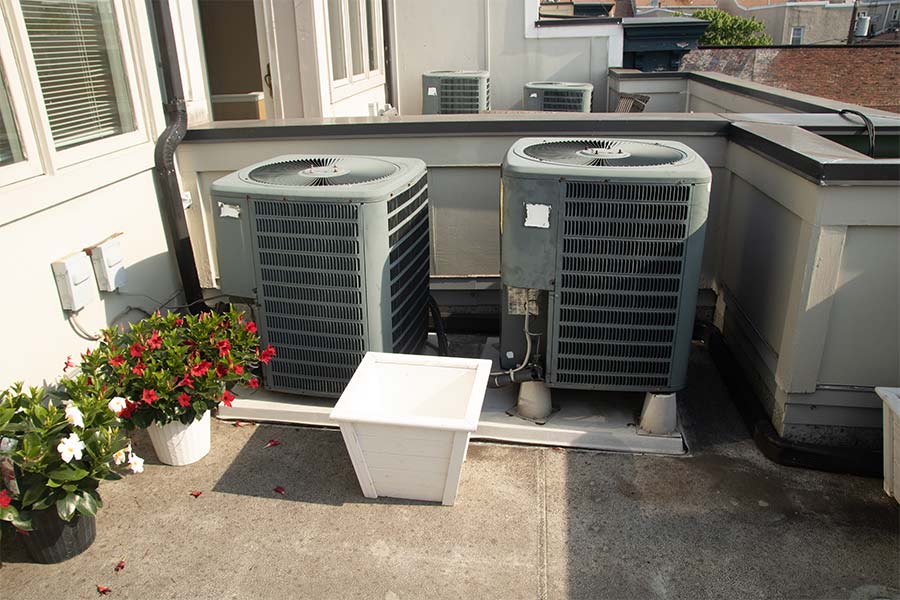
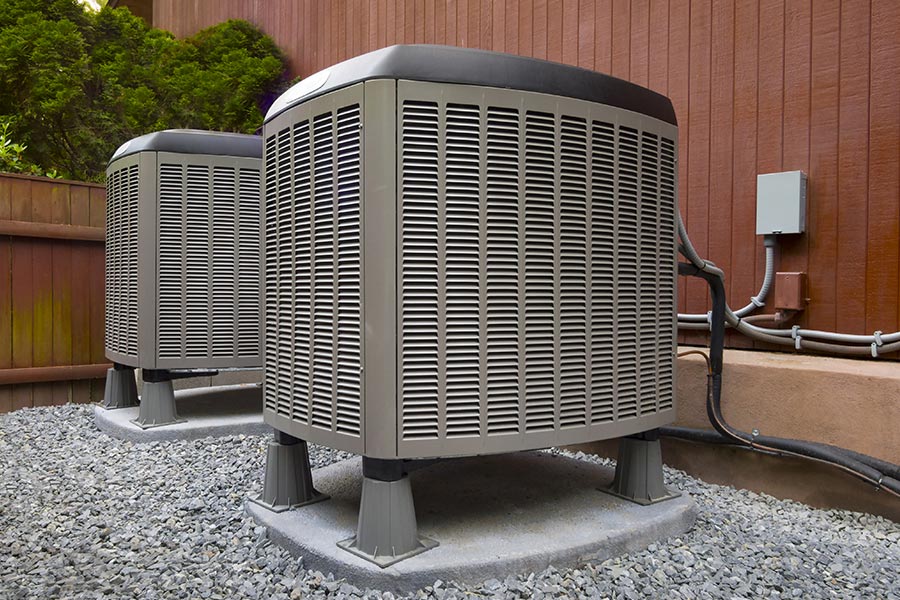
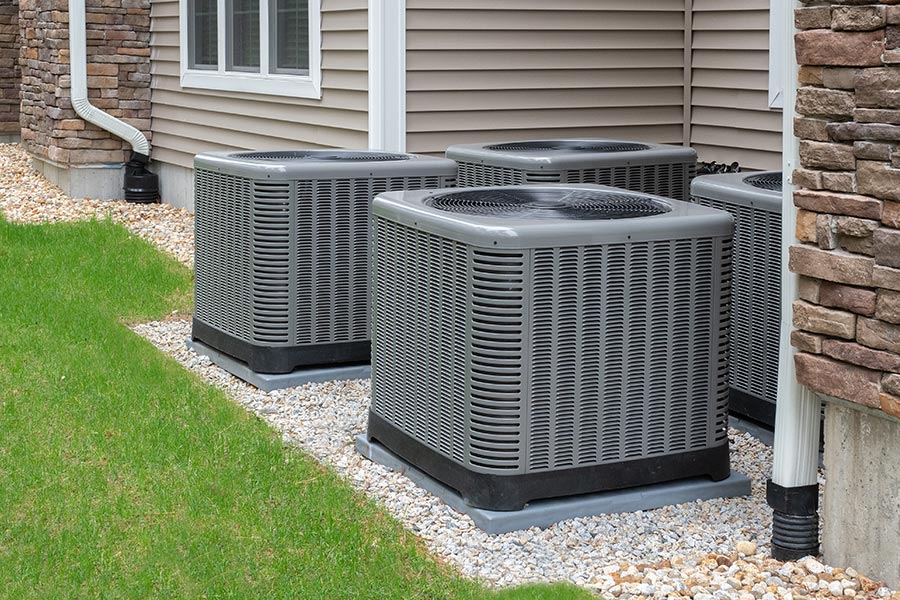
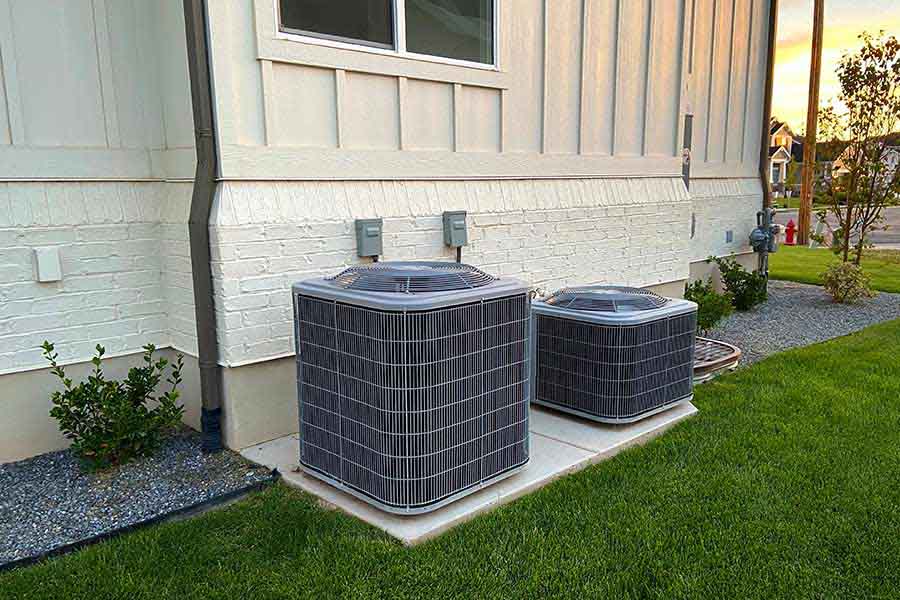
Multiple outdoor air conditioning units installed next to a house

Contact Dial One Johnson Plumbing, Cooling & Heating for Expert HVAC Service in DeSoto, TX

Dial One Johnson Plumbing, Cooling & Heating proudly serves DeSoto, TX, and the surrounding region with professional heat pump services throughout every season. Our routine servicing, teamed with your proactive care, can significantly reduce the risk of freezing and other malfunctions.

Now that we’ve covered what causes a heat pump to freeze up, check out our other blog posts for coverage of related topics, like evaluating the heat pump vs. furnace question when it comes to considering a new heating system.

Contact Dial One Johnson Plumbing, Cooling & Heating today to discuss your indoor comfort needs and to schedule service.

Posted in

Are New Furnaces More Efficient in Lancaster, TX?

Summers in Lancaster can get very sultry, but when winter arrives, it’s time to curl up inside your toasty home. Maybe you’re wondering if it’s worth replacing your furnace before frigid temperatures come to town this year. Are new furnaces more efficient than older models? They sure are!

Learn about modern furnace efficiency below, then call us to schedule heating services in Lancaster, TX.

The Basics of Furnace Efficiency Explained

How exactly do pros determine furnace efficiency? Experts use a metric called annual fuel utilization efficiency (AFUE), which depicts the amount of gas turned into heat energy.

Back in the day, old furnaces had an AFUE of only 56%-77%. That may not sound too bad, but these units would waste 30%-44% of natural gas burned due to heat escaping the combustion chamber via the chimney.

Modern furnaces, on the other hand, have an AFUE of 80%-98.5%. Many furnace manufacturers in southern areas, such as Lancaster, aim for at least 90% AFUE to earn the coveted ENERGY STAR rating. To become ENERGY STAR-rated in northern states, furnaces need an AFUE of at least 95%. That’s because northern homeowners rely on their heating systems for winter comfort more than those in the south.

Are New Furnaces More Efficient for Your Lancaster, TX, Home?

So, are new furnaces more efficient than older units? They certainly are. Here’s why upgraded furnaces beat outdated units hands-down in the energy efficiency department:

  • New furnaces are made from lighter materials that process fuel and create heat more efficiently than old units.
  • Long ago, furnaces had pilot lights to trigger the systems into starting. The pilot light had to stay on at all times, wasting energy when the system wasn’t in use. Modern units, even gas ones, are now equipped with electric ignitions that only use power when needed.
  • Outdated furnaces featured fans that blew at the same speed no matter how hard the system worked. Today’s systems have variable-speed fans that run at low speeds most of the time.
  • Older furnaces were equipped with atmospheric combustion chambers that remained partially open at all times, allowing heat to escape and requiring the system to work harder. Modern furnaces boast sealed combustion chambers that don’t release any heat.
  • Some furnaces have a condensing unit that recycles exhaust gas and turns it into heat. This furnace technology is more expensive than traditional heating systems, but with the energy savings, such units quickly pay for themselves.

Benefits of Upgrading Your Heating System

Are new furnaces more efficient? Yes, but a new furnace is a big investment, so what do you get for all that cash? Plenty of great perks! Here are just a few:

  • You’ll save a nice chunk of change on your heating bills, and even more, if you choose a furnace with the ENERGY STAR rating. Many of our customers who have made the switch have saved 20% or more on their annual energy bills.
  • Modern furnaces release fewer pollutants and byproducts, which means improved air quality for your home.
  • You won’t have to worry about your system breaking down on a cold winter day. New furnaces are much more reliable than old ones and come with extended warranties, too. Plus, we make keeping your system in peak shape easy with regular maintenance.

Signs It’s Time to Replace Your Heating System

Now that you’ve learned about modern furnace efficiency, are you looking for reasons to upgrade your old unit to an improved model? If your system exhibits any of these signs, it’s a good time to make the switch:

  • The furnace costs you an arm and a leg in heating bills. Switching it for a new one could drastically reduce your energy consumption.
  • Your system doesn’t heat your home evenly. This is a sign that it’s too small for your house.
  • The furnace smells terrible. It’s possible to resolve foul odors such as burning and rotting, but if it keeps occurring, it might be a good idea to replace the unit.
  • You repaired the furnace six months ago, and now it’s broken again. Stop wasting money on costly repairs and switch to an upgraded unit. It’s much more cost-effective in the long run.
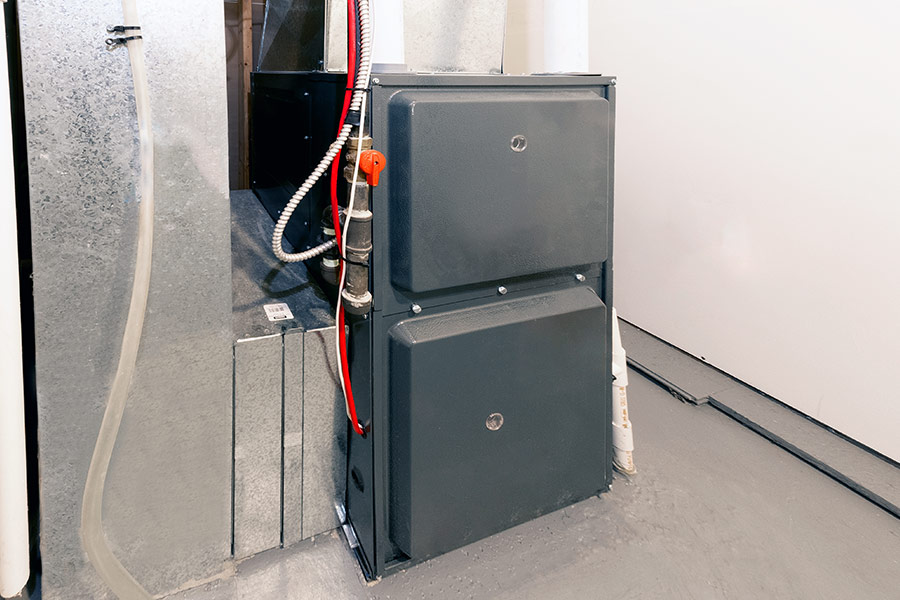
Close-up of a furnace unit with wiring and duct connections

Are New Furnaces More Efficient for Lancaster Homes? Yes!

So, are new furnaces more efficient? You bet! Today’s heating systems offer impressive energy savings and require few repairs with good maintenance. Our experts at Dial One Johnson Plumbing, Cooling & Heating will help you pick the perfect unit for your Lancaster, TX, home.

Call today to schedule furnace installation or learn more about the importance of scheduling furnace maintenance.