Our Blog: Heating, Cooling & Plumbing Insights
Your go-to resource for HVAC and plumbing solutions, DIY guides, and home maintenance tips.
Got an emergency? Call 972-914-0833 or …
Explore by topic:

Top 8 Reported Problems with Residential HVAC Systems
Residential HVAC systems are known to be troublesome. This is why air conditioning units require regular, biannual maintenance. This can also help to alleviate the need for unnecessary repairs, increase efficiency and extend the lifespan of your system. However, if you do encounter an issue with your HVAC system, you’ll want to understand what’s going on.
Contact Dial One Johnson Plumbing, Cooling and Heating for residential HVAC service at 469-557-2703.
Read further to find out the eight most common problems with residential HVAC systems.
1. Air Conditioning Unit is Not Powering On
An air conditioner that is not powering on can be an easy fix. If your air conditioner is not turning on, check the batteries in your thermostat. Replacing old batteries can prevent a thermostat from turning off. Make sure to have the “cool” setting in place with the appropriate temperature setting. If the AC is still not turning on, check the circuit breaker to see if the switch is flipped. Switch it back to the ‘on’ position if it was turned off. Contact an air conditioning specialist to complete an AC repair.
2. HVAC Not Blowing Cold Air
A clogged air filter is a common issue that often goes unnoticed. However, if you notice that your HVAC is only blowing out hot air, you may have a clogged air filter. The air filter is responsible for filtering out any dust and debris that comes through the ductwork. If the air filter is dirty, it can limit the cooling capability of your air conditioner. Changing out the filter every one to two months can help increase the efficiency of your AC.
3. Air Conditioning Unit Freezing Up Outside
A common problem with an HVAC unit is when it freezes up outside. This is due to many things but the usual cause is cold temperatures. In the south, there can be a lack of insulation around your pipe lines and your AC unit. There is a common misconception that because of the hot temperature that exists for most of the year, piping and HVAC systems don’t require insulation.
The air conditioner may also have low refrigerant levels that can end up freezing your evaporator coil. The refrigerant helps to keep the pressure consistent. The outside unit can have poor airflow which can cause freezing and frost on the system. Schedule necessary AC or heating repair and maintenance to ensure that everything is in working order.
4. Electric Controlling Mechanism Failure
The wear and tear of air conditioning units is common. If you constantly turn your AC on and off it can increase the wear on compressor belts. Sometimes, if one part of the electrical connection has an issue, it will prevent the air conditioner from turning on. The connection is important as it aids in the function of the AC unit. If you suspect there is something wrong with the controlling mechanisms in your air conditioner, schedule an appointment with an expert technician to find the root of the problem.
5. AC Coolant Leaks
The air conditioning coolant is responsible for keeping the pressure inside the air conditioner stable. A refrigerant leak is not uncommon but needs to be fixed as soon as possible.
A leak of refrigerant can lead to:
- Low output
- Higher energy need
- Evaporator coil freezing
- Broken compressors
- Irregular cooling
Do not attempt to clean up leaked refrigerant or to replace refrigerant. This substance should only be handled by professionals to avoid chemical burns and other safety hazards.
6. Weird Noises
Strange noises are one of the easiest ways to tell if something is wrong with your air conditioner. An air conditioner should not make any noise while in operation other than a low hum or rumble. If you do hear noises then it is indicative of a malfunctioning part within the air conditioning unit. Here are some noises you may hear:
- Hissing noises may come from a refrigerant leak.
- Thumping or knocking noise could be a malfunction with the assembly of your AC blower or motor.
- Screeching noises are usually caused by the compressor but can sometimes be the fan motor.
- Humming and buzzing typically means there is a problem with the electrical connection.
Contact your local HVAC repair specialist for further information on why your air conditioner is making a weird noise.
7. Evaporator Coil Freezes
A frozen evaporator coil can occur when the air conditioner is not receiving enough air to operate effectively. An evaporator coil that is not working can cause your AC to malfunction or freeze. Blocked vent and clogged filters can be the reason for the lack of airflow that causes your evaporator coil to freeze. Replace your air filter every several months to avoid this issue.
For ducts and vents, dust or vacuum the area to remove any particles that could cause blockages. Another issue may be the thermostat sensor. An air conditioner has a thermostat sensor located close to the evaporator coil near the furnace. The thermostat sensor can malfunction and short cycle the AC unit. The sensor can easily be displaced and affect the productivity. The sensor can be fixed by adjusting it into position.
8. Leaking Water From AC
Water leaking from your air conditioner unit is normal and should not be your biggest concern. However, there are some common problems with water leakage. Dirty air filters can block the airflow which results in leakage. As previously stated, replace the air filters before they become a problem. Another common issue is faulty installation of your AC unit. This problem is especially likely if you notice puddles surrounding the unit. If you suspect that your AC unit was improperly installed, contact an AC replacement specialist to help you.
Trustworthy Residential HVAC Repair
The best residential HVAC service in Red Oak, TX is Dial One Johnson Plumbing, Cooling and Heating. With the experience and tools to handle the most common issues, our team is ready to jump in and solve any problem. At Dial One Johnson we can take care of all of your HVAC and plumbing needs such as repairs, maintenance and replacements.
If you’re ready to schedule an HVAC repair or replacement with Dial One Johnson, contact us online or call us at our main operating line 469-518-4211.
Author Bio:
Sherrie Johnson-Hartsock
Dial One Johnson Plumbing, Cooling & Heating is now owned and operated by Sherrie Johnson-Hartsock, with his grandson, Daniel Johnson, a third-generation plumber who is also the Service Manager.
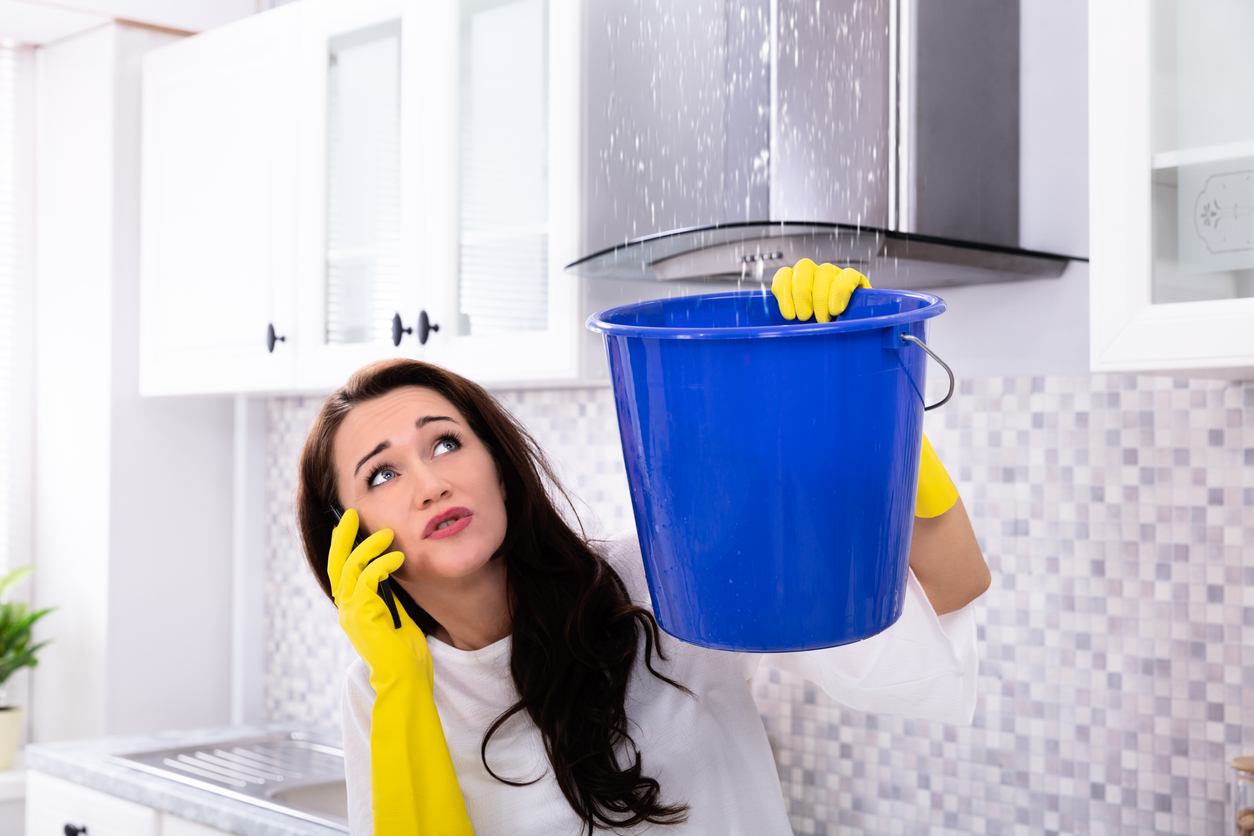
How to Manage a Plumbing Emergency Before it Goes Out of Hand
Plumbing emergencies never happen at a convenient time. Even if you’ve got the time, an overflowing toilet isn’t how you want to spend it. Often going unnoticed, plumbing issues are rarely caught before they escalate. For many, they are simply out of sight and out of mind until the situation gets worse.
Chances are, you found this article through a simple search of “emergency plumbers near me.” Being proactive when a plumbing emergency strikes will help you and the licensed plumber that you work with quickly resolve the problem.
Read on for more information about how to handle a plumbing emergency.
What to Do in a Plumbing Emergency
The very first thing that you should do in a plumbing emergency is to not panic. Even in the most severe plumbing emergencies, it is important to stay calm and find solutions. The troubleshooting steps below will give you a good starting point. Of course, if you are looking at an overflowing toilet, backed up tub or backwater in your sink: call for emergency plumbing services.
1. Turn Off the Water
Water leaks can result in serious issues such as flood damage, mold growth and foundation issues. It is important that once a leak or burst pipe is noticed, that the water is immediately turned off to avoid further damage.
Think of your plumbing as a tree, with the main line as the trunk and the different pipes, toilets, sinks and drains as the different branches. It is important to understand how your plumbing works to know the different access points and where to find the shut off valves.
If the leak is coming from your sink or toilet, there will be a local shut off valve located under or behind the appliance. For sinks, you may notice that there are two. These will control the hot and cold water individually.
If the leak persists once these are shut off, you will need to find the main water valve that shuts the water off for the entire house. For most properties, this will be near the street or alley where the city water lines meet your home lines. Depending on the home, it may also be located in a garage or crawl space.
Because these valves are not regularly used, there may be dirt or debris that needs to be removed. You may also want to use a pair of pliers to help if the valve still seems stuck. An easy way to remember if the valve is open is that the handle will line up with the pipe. When the handle is perpendicular to the pipe, the valve is closed.
2. Assess the Situation
Your next thought will naturally be to look up plumbers in your area, but it is important to assess the situation before making any phone calls. This will help you determine if the issue is a plumbing emergency. It will also allow you to provide critical details to the plumbing company so that the contractor can quickly diagnose and resolve the issue.
Homeowners don’t need to be plumbing experts to assess the severity of a plumbing issue. Think back to the plumbing tree referenced earlier. Where is the leak located? Is it local or is the entire house affected?
If the leak is isolated to a spare bathroom—where you can successfully turn off the water and avoid further damage—scheduling an emergency plumber may not be needed. This will save you money and allow you to book the plumber at a more convenient time.
For burst pipes or issues that require you to shut off water to the entire home, an emergency call will be needed. Your daily home functions will need to continue, such as cooking, cleaning and using the bathroom. Without the ability to use the water lines, your daily life is disrupted.
3. Clean Up the Area
Depending on the plumbing emergency, your next step should be to clean up the affected area. Cleaning will minimize any potential damage. It will also ensure the area is safe for your family. Obviously only do this in an emergency after the plumbing contractor is dispatched to help.
For emergencies that are caused by water, the most important thing is to dry the area and any affected surfaces as quickly as possible. Drywall and flooring are particularly sensitive to water. Failure to remove moisture can lead to larger plumbing repairs.
Sewage backup poses a biohazard concern and should be approached with caution. Wear protective gear, such as a mask and rubber gloves. Once debris and water are removed, make sure that you use a commercial grade disinfectant or bleach to thoroughly sanitize the area. If the sewage is in your yard, remove all objects. Prevent pets from going to that area until the emergency is resolved.
4. Avoid Do-It-Yourself Repairs
Despite a never ending supply of DIY YouTube videos, you should avoid DIY when it comes to plumbing issues like this. From additional flood damage to serious injury, there are a number of risks associated with a DIY approach.
Finding a Plumber
Remain calm and follow a procedure when a plumbing issue pops up. Have a trusted team to back you up for all your plumbing needs, whether plumbing maintenance or emergency. Avoid a situation where you’re panic searching through the results from a “emergency plumber near me” search.
Dial One Johnson is the #1 choice for homeowners in search of plumbing maintenance and repair. Our team has been serving the residents of Dallas County and the greater Dallas-Fort Worth Metroplex for over 50 years. With offices in Midlothian and Cedar Hill, and 24-hour service options, you can count on our team of professional, licensed plumbers to get the job done right the first time. Contact us today to learn more about our services and schedule an appointment.
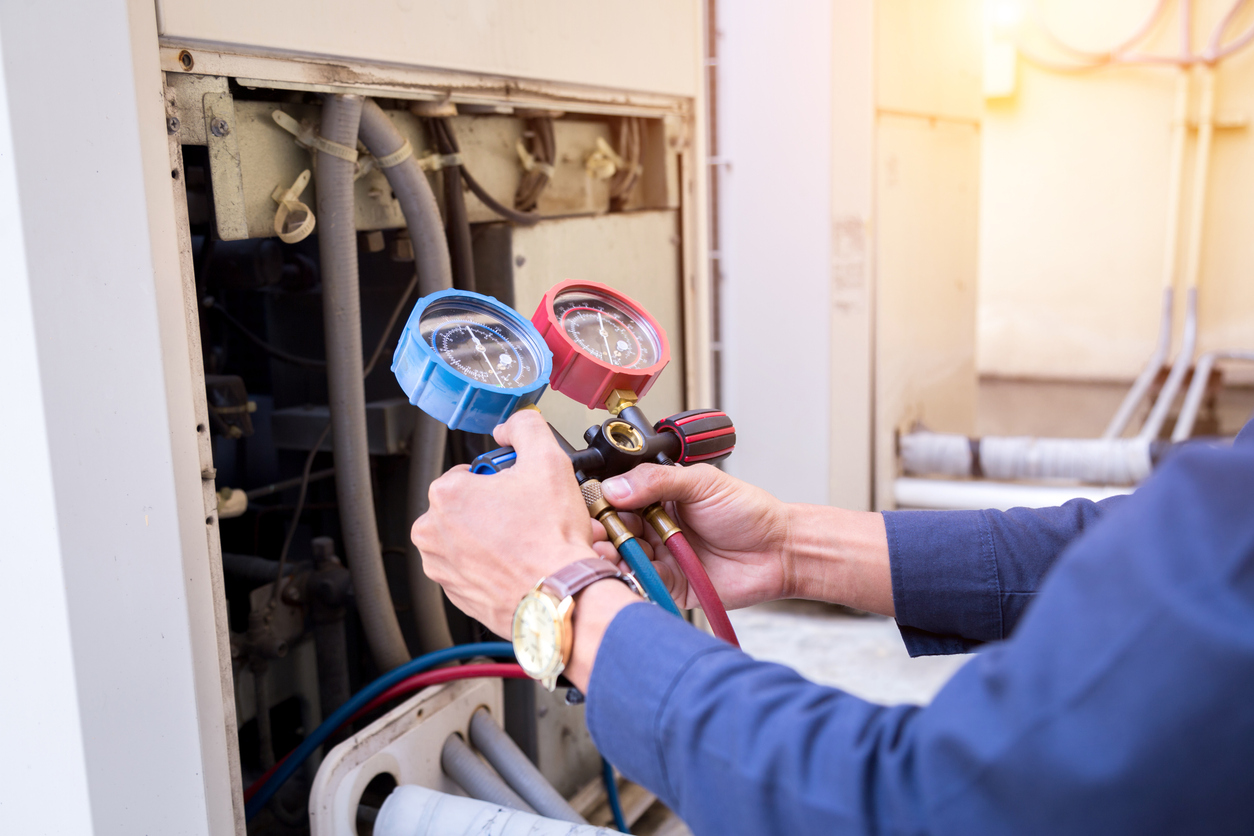
What to Look for When Choosing Heating Repair Services
When it comes to home repair, furnaces often follow Murphy’s Law. If breakdowns can happen at an inconvenient time, they will. The result can send even the most knowledgeable homeowner scrambling to keep their family comfortable and happy.
Before you get into a sticky situation where all you have is a search for “heating repair near me,” do some research. There are plenty of HVAC contractors out there. And not all HVAC companies are created equal.
For reliable heating repair services, call Dial One Johnson Plumbing, Cooling and Heating at 469-240-5618.
Continue reading for more information on what to look for when choosing heating repair services.
3 Things to Avoid When Choosing Heating Repair
Before we dive into what to look for, let’s discuss what you should avoid. This will save you time, money and headaches. The last thing you want is to have another contractor come out to fix subpar work.
1. Free Services
A tactic that is employed by a number of heating repair companies is to offer free services. For budget conscious homeowners, this can be a welcome sight. However, it is important to understand that although the company may provide a free service, they will make up that cost in other ways. Some will add expense on to the bill once services are completed, meaning that if you go with their company you will be paying for it one way or another.
Less reputable contractors may use the “free” hook to get inside the home, only to claim that, due to safety related concerns, they will need to shut off the furnace until repairs are completed. You may also hear that certain parts are “hard to find” for your furnace, which means they will be more expensive. Parts for major brands are generally in supply, so get a second opinion if you hear lines similar to these.
2. Using Only Google Reviews to Source Contractors
Google has revolutionized the contracting space by making more information available. You can find out a lot about an HVAC company with a simple search for “heating repair near me.” But using a Google review as the sole reason to choose a company is ill advised.
Companies regularly employ people who provide fake reviews to improve overall Google ratings. That is not to say that all 5 star rated companies are doing this, as some do provide exceptional service.
Rather, use the Google reviews as a starting place. Exclude any company with a rating that is under 4 stars, while also avoiding companies that only have a few reviews. Look for a contractor that is in your area, has been operating for a number of years and has a higher number of positive reviews.
3. Diagnosing Your Furnace Over the Phone
With a quick search on YouTube or Google, homeowners can find nightmarish heating repair stories that have led to major issues. Sometimes they end with a full system replacement. Are there circumstances where replacement is the best option? Absolutely. However, many times repairs can be made.
When calling in to schedule a repair, be careful about sight-unseen recommendations that you “might need a new furnace.” If you quickly agree, it can steer the conversation toward sales, rather than diagnosis.
Being cautious and fully vetting a new service provider will ensure that you work with a reputable company that will provide you a trusted ally when heating repairs come up.
How to Hire the Best HVAC Company
Whether you are looking for general maintenance or emergency repair services, there are a number of indicators to look for that will make the decision-making process easier.
Check Credentials
Working with a licensed and insured HVAC repair company should always be your first choice. Not only will contractors be properly trained, they will also be familiar with local codes and regulations that will impact any repairs they are making.
Contractors that have achieved professional-level credentials have two or more years of field experience and have passed an extensive examination process. Additionally, they will bring knowledge of common problems that may help as they diagnose any potential issues.
Know the Company’s Offerings
When narrowing down your selection, take a close look at the different offerings that each company has to offer. Reputable companies will state these with as much transparency as possible, listing all of their services on their website.
Here are a few things to consider:
- Does the company provide emergency services?
- Does the company offer plumbing services?
- Does the company offer system replacement?
- Do they have offices located in your area?
A company does not need to check all of the boxes. However, there is a tremendous value in having a trusted partner that can help with home repair issues when they arise, particularly in emergency situations.
Get Referrals
When in doubt, get referrals from other homeowners in your neighborhood. Companies that are highly regarded will become apparent. Your neighbors may be able to provide additional insight on which HVAC companies to avoid.
Social media is also a great way to collect a large number of referrals. You can try a local Facebook group or apps like NextDoor. It is important to note that, similar to Google reviews, going solely based on a referral can be risky. Use caution and consider referrals as part of the decision-making process.
Get a Price Quote
Budget will play a major role in your final decision, so don’t just go with the first company you find. Taking this extra step can save you money and give you a better understanding of your short-term and long-term heating repair options.
Don’t be afraid to mention that you are getting other quotes. For emergency repairs, the need may be more pressing. Try scheduling the quotes back to back if possible so that you can quickly make a decision and move forward with the repairs.
Heating and Air Conditioning in Duncanville, TX
Take the time to be diligent in selecting your home’s HVAC service provider. This will pay off in the long run. Start with a “heating repair near me” search and you will quickly find that Dial One Johnson Plumbing, Cooling and Heating is among the best heating and air conditioning, Duncanville, TX service companies.
For high quality service that you can trust, choose Dial One Johnson Plumbing, Cooling and Heating. Our team is ready to provide only the best heating, cooling and plumbing services possible. We also offer emergency services for when an issue is too big to ignore. When you hire our team, you can feel confident that the issue will be resolved correctly the first time.
To schedule an appointment with our team, give us a call at 469-240-5618 or contact us online.
Author Bio:
Sherrie Johnson-Hartsock
Dial One Johnson Plumbing, Cooling & Heating is now owned and operated by Sherrie Johnson-Hartsock, with his grandson, Daniel Johnson, a third-generation plumber who is also the Service Manager.
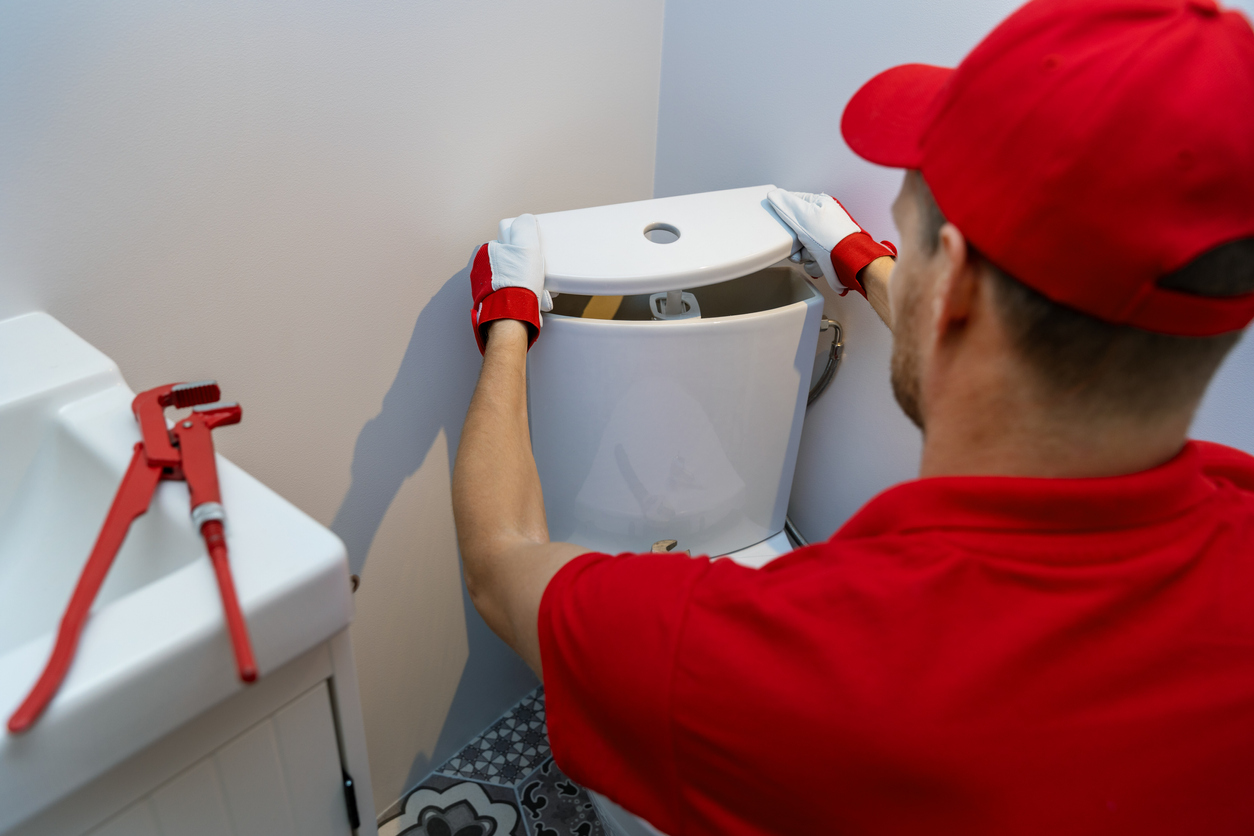
How Does a Toilet Tank Work?
When it comes to home repair, toilets may fall in the “easy fix” or “emergency plumbing” arenas. The good news is: you can easily break down what’s going on. A lot of times, it’s what’s going on inside. With just a quick jiggle of the handle you may realize that the issue is inside the tank.
In many ways toilets are genius in their simplicity. That said, looking into the tank at the different mechanisms can be intimidating. Lifting that back lid shouldn’t scare you off. With some basic knowledge of how the tank works, you will be well on your way to troubleshooting your Midlothian plumbing problem. Just remember that when in doubt, reach out to your local plumbing experts all your plumbing needs.
All About Toilet Tanks
The inner workings of your toilet tank are all interconnected, with one impacting the next in sequence. Keeping this in mind will help you get to the root cause of your issue.
There are two essential processes that your tank goes through whenever you flush the toilet can help narrow down any plumbing related issues.
- The flush
- Refilling the tank.
Let’s dive in. No pun intended.
Emptying or Flushing the Tank
The first function of your toilet is the flush. There are a few parts that are involved in this process.
Handle
Even if you have never looked under the lid of the tank, you will at least be familiar with this first part. The handle acts as a lever that starts a chain reaction to send pressurized water from the tank to the bowl, flushing waste down the main line.
Handle Arm
Attached to handle, running through the wall of the tank is the handle arm. When the handle is pushed down, the handle arm should go up. Handle arms can wear down over time as they are typically made of thin plastic and are put under stress each time the toilet is flushed.
Chain
The chain is exactly that: a chain that is attached at the top to the handle arm and at the bottom to the flapper. Have you ever pressed the handle and it feels like there is no pressure when you push it down? Chances are, there is an issue with the chain. Chains can come loose or break altogether, making them one of the more common plumbing issues that homeowners will encounter.
Flush Valve Seal
The flush valve seal, or “flapper” (as it is more commonly known) is attached to the bottom of the chain. This rubber piece creates a watertight seal that prevents water from dropping down into the bowl. If you notice water continually runs into the bowl, even minutes after you flush, your issue might involve the flapper.
Flush Valve
The flush valve is connected to the flapper and the drain opening that connects to the toilet bowl. This mechanism helps hold the flapper open so that the water can drain from the tank and flush the bowl. Without the valve, the flapper cannot remain open.
Drain Opening
The drain opening is the connection between your tank and toilet bowl.
When these 6 components work in unison the flapper will rise and water will drop into the drain opening, becoming pressurized, allowing the bowl to be successfully flushed. The flapper will remain open until most, if not all, of the water has emptied from the tank. At this point it will fall back into place and seal so that fresh water can be brought in to refill the tank.
For plumbing issues that center on not being able to flush the toilet, you can be confident that something has gone wrong with one of these 6 components. Start at the top and work your way down until you find where the issue is. If all else fails, reach out to your local licensed Midlothian plumbing experts so that they can troubleshoot and get your toilet back in working order.
Refilling the Tank
Once your tank has successfully flushed, it’s next action is to refill so that it will be ready to flush when called back into duty. Just as the flushing components all worked together, the refilling mechanisms create a chain reaction to bring water back into the tank.
Fill Valve
Your toilet has a water line that is connected in the back of the tank. That water line is connected to the fill valve. When activated, it will allow fresh water to flow until the tank is full. If you hear water constantly running in the tank, your fill valve is a great place to start problem solving.
Refill Tube
When flushing, you will notice that the tank is not the only thing that will fill back up. The toilet bowl will also refill with water. As water passes through the fill valve, the refill tube will help syphon water to the overflow tube on the flush valve. While not a common issue, start with the refill tube if you notice that your bowl fails to fill back up once flushed.
Filler Float or Float Ball
Depending on the age of your toilet, you may have an internal float that operates within the fill valve, or you may have an external ball attached to the top of the fill valve with a long stem. The float regulates how much water is in the tank and prevents it from overflowing. Once the float gets to a certain height the fill valve will disengage and the water will stop running.
Overflow Tube
The overflow tube acts as a fail safe in the event the float becomes stuck, breaks loose or if the filler valve malfunctions. Rather than let the tank continue filling until it overflows, excess water will move through the overflow tube into the bowl of the toilet.
When working properly, your toilet should refill in about three minutes. If water continues to run, you will have a good starting place to troubleshoot. More often than not, if this is the case, the filler valve is to blame.
When it comes to the mechanics of the toilet tank, taking a methodical look at the different parts and how they interact with one another will go a long way to getting your commode fixed and your daily life back on track. If you continue to encounter issues your next move should be to enlist the help of a licensed plumber.
Finding a Plumber – Midlothian, TX
Understanding how the parts of your toilet tank work—and work together—is a great first step to troubleshooting issues as they arise. Having a trusted team to back you up for all your plumbing needs, whether maintenance or emergency, is the next.
Homeowners trust Dial One Johnson for all of their Midlothian plumbing needs. Our team has served the residents of Ellis County and the greater Dallas-Ft Worth Metroplex for over 50 years. With offices in Midlothian and Cedar Hill, and 24-hour service options, you can count on our team of professional, licensed plumbers to get the job done right the first time. Contact us today to learn more about our services and schedule an appointment.
Author Bio:
Sherrie Johnson-Hartsock
Dial One Johnson Plumbing, Cooling & Heating is now owned and operated by Sherrie Johnson-Hartsock, with his grandson, Daniel Johnson, a third-generation plumber who is also the Service Manager.
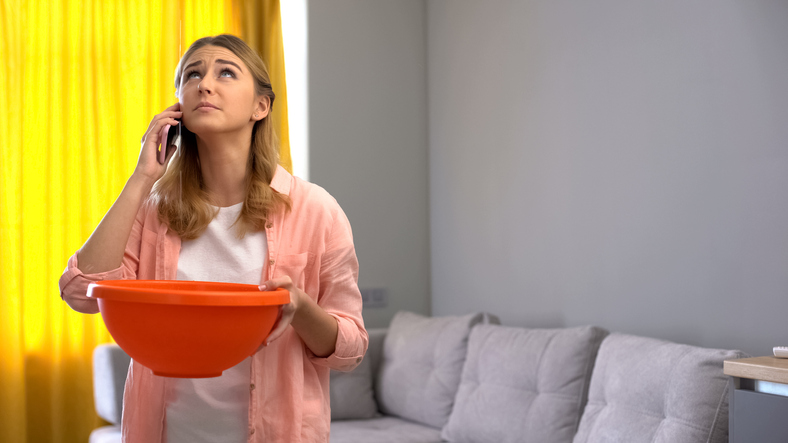
Slab Leak: Causes, Signs, Detection & Repair
Repairs are bound to to be needed when you are a homeowner. The majority of the time, issues with your plumbing system are relatively minor. These can be leaky faucets or clogged drains. Issues like these are easier to identify because they are visible, but what about plumbing issues that are out of sight?
Leaks can form anywhere along your plumbing system. When a pipe begins to leak within or underneath the foundation of your home, this is known as a slab leak. Slab leaks can become dangerous if not taken care of right away. However, because they occur under your home, they are incredibly difficult to notice.
With risks like these, it’s important to contact a plumber right away. Call Dial One Johnson Plumbing, Cooling and Heating at 469-240-5618.
Causes of a Slab Leak
Water leaks can occur for many reasons. One common reason why a leak may occur is pipe corrosion. This is especially true of older pipes. Another reason for why a slab leak may occur is tree root infiltration. As trees grow, roots can grow into a pipe, causing a leak. No matter what the cause, it’s important to know whether or not you have a slab leak. The quicker that you notice it and call a plumber, the quicker you can avoid major damage.
Common Signs of a Slab Leak
When a slab leak occurs, it impacts the entire home. An attentive homeowner will quickly recognize the visible signs that something is wrong. Here are some common signs to look for to help with slab leak detection:
Increased Water Bills
Slab leaks are not visible, like a leaking sink or toilet. A surge in your water bill can be a painful sign that there may be a larger issue that needs to be addressed. As a slab leak continues to waste water, your water bill will increase. As soon as you notice this issue, you need to call a licensed technician to provide plumbing repair services.
Water Spots
Keep an eye out for unusual spots on the walls or baseboards. When a pipe is leaking or has burst within a confined area, water spots are often the first sign that there is slab leak in the area. With water spots, you may not necessarily notice dripping water. Drywall will absorb moisture and start to discolor before any trace of water is visible. Repairing slab leaks includes replacing these affected areas. An experienced plumber will be able to address the issue with minimal destruction.
Damp Flooring
Just as the walls and ceiling can start to show signs of water intrusion, damp flooring is another clear indicator that a slab leak may be present. While water can certainly start to pool up, more common are damp areas that can be felt when walking across the floor. As the sub-floor retains moisture it will weaken over time.
Eventually, the flooring material will become visibly softer. If your home has hardwood or laminate flooring then you will most likely need to replace them. This may be more difficult to detect with tile flooring, but will often coincide with dark spots in the grout. You may also notice hot spots on your floors. A hot spot indicates that the slab leak occurred in the hot water pipe. Be sure to call a plumber if you notice any of these issues.
Visible Cracks
As a slab leak progresses, it will weaken the concrete slab and areas of the home may shift. Horizontal cracks can be some of the more identifiable (and frustrating) signs of a slab leak. You may also notice cracks in your tile or baseboards.
The challenge comes with finding the root of the issue. As a home shifts, cracks may appear on the opposite side of the house from where the slab leak has occurred. Be sure to contact a contractor right away for slab water leak detection if you notice visible cracks in your walls.
Mold or Mildew
Due to the retained moisture in the walls or floor, you may start to notice mold or mildew growth. Often, these patches will not become noticeable until they emit an odor or start to discolor the walls. This is a sure sign that something is wrong in your home. If you notice this along with cracks and other signs, you need to call for emergency plumbing services straight away.
Detecting and Repairing a Slab Leak
Slab leaks are serious business and should only be repaired by a licensed plumber. Because they affect the foundation of your home, failure to properly address a slab leak can have costly consequences. Slab leaks are one of the most difficult kinds of leaks to detect. This is because they are typically within or underneath inches of concrete. A plumber will bring in sonar equipment to detect the exact location of a slab leak.
Once the slab leak has been detected, the plumber will break through the concrete to reach the leaking pipe. The technician will then replace the damaged section of pipe using one of a variety of methods. Some plumbing companies will help to fill the affected area back up with concrete. If yours does not then you will have to contact a construction company to provide this service.
Knowledgeable and Quick Plumber Desoto, TX
Because slab leaks pose so many threats to a home, having a plumbing team that you can trust is imperative. At Dial One Johnson Plumbing, Cooling and Heating, we know the importance of acting fast when an emergency situation is at hand.
Whether you require slab leak detection or a toilet installation, we have got the tools to help you. At Dial One Johnson, we are dedicated to providing excellent customer service and effective repairs. Our team is here for you no matter your plumbing, cooling or heating needs.
To schedule an appointment with the Dial One Johnson team, give us a call at 469-240-5618 or contact us online.
Author Bio:
Sherrie Johnson-Hartsock
Dial One Johnson Plumbing, Cooling & Heating is now owned and operated by Sherrie Johnson-Hartsock, with his grandson, Daniel Johnson, a third-generation plumber who is also the Service Manager.
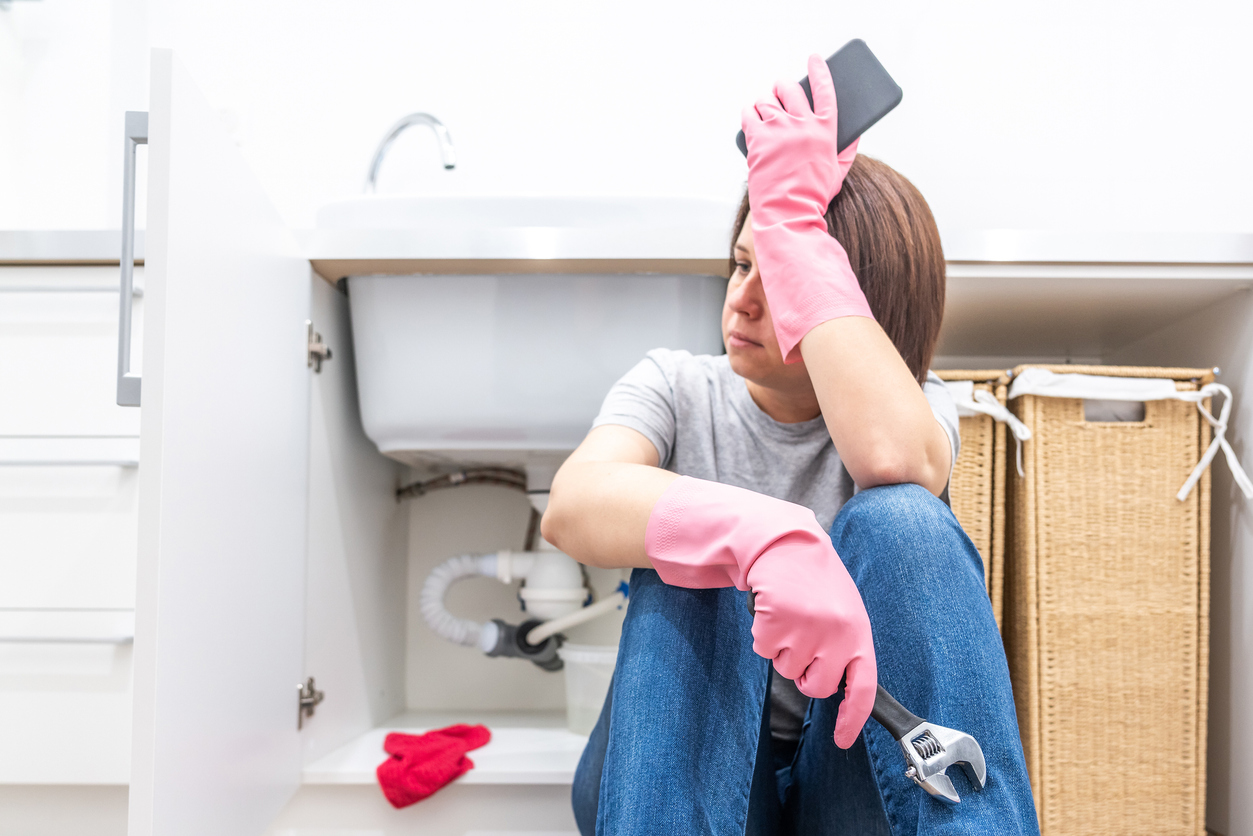
What Are The Risks of DIY Plumbing Work?
Few things will make a homeowner feel like the King (or Queen) of the castle like tackling do-it-yourself projects around the house. DIY is often a great way to minimize costs. Local hardware stores even carry specialized tools to help you get the job done. Regardless of your DIY skill level, it is important to remember that not all home improvement tasks or repairs are equally difficult. When it comes to projects that can quickly go sideways, plumbing is usually at the top of the list.
The safest option is to schedule an appointment with your trusted, local plumbing repair company. Hiring a pro helps you avoid the headache of a plumbing repair gone wrong. When it comes to plumbing, Grand Prairie, TX, trusts Dial One Johnson to get the job done quickly and professionally.
5 Risks of DIY Plumbing
Still thinking of taking the DIY approach? Here are five risks that you face.
1. Burst Pipes
One of the most common mishaps when plumbing goes wrong is a burst pipe. You may be attempting to fix a connection and the next thing you know, the pipe breaks. One of the most common repairs that plumbers encounter is related to pipes that break when turned because the connection was soldered instead of threaded.
Burst pipes can be frustrating, costly and potentially damaging to your home. There is a chance that you found this article after searching for “plumbing repair companies near me” because you already broke a pipe, perhaps for one of these very reasons. Don’t worry, you are not first and will not be the last.
First, make sure that the water is shut off at the main. Even if the pipe can be closed locally, such as with the shutoff valve under your sink, there is always a chance that the pipe is broken in multiple places. Next, save yourself any added frustration and make a call to your trusted local source for plumbing repair in Grand Prairie, TX: Dial One Johnson.
When working with a professional team, they will be equipped with the tools that are needed to get the job done right the first time. Factors such as the material your plumbing is made of will determine the approach that a licensed plumber will take to correct an issue.
2. Leaks
Suppose your DIY plumbing fix went according to plan, or at least looks like it went to plan. Similar to using proper tools, a professional plumber will ensure that the correct fittings, pipe and materials are used to avoid further issues.
For regulators and pipe fittings to work correctly, they have to be tightened to a certain specification. If they are over/under tightened, they can easily leak. For exposed plumbing— under your sink for example—it’s easy to notice when a leak has occurred. However, for plumbing that is under the house or behind a wall, a leak might not be obvious.
Leaks can damage your foundation, walls, flooring and more. If you suspect a leak, cause a leak or if a leak is already visible, contact a plumbing professional so that the issue can be identified and resolved.
3. Flood Damage
The first two risks mentioned on this list lead to what is arguably the most expensive one. The highest-ticket risk that you face if you choose to complete plumbing repairs yourself is (drumroll please): flood damage. While flood damage can be localized, if it is not caught and fixed fast it can become a giant problem.
Most often, flooding occurs when homeowners forget to shut the water off before beginning any plumbing repairs. The results can be disastrous. Once a connection has been broken, and water starts flowing. Getting it shut off before major damage is done can be difficult. Main line connectors are often at the edge of property and closest to the city’s connection. Issues compound if you are trying to work on lines that are under your home or behind walls.
Even if you get the water stopped fairly quickly, small amounts of water can damage drywall and flooring. Prolonged exposure can result in issues with your foundation and mold. Don’t attempt to tackle this problem on your own. Be sure to call for plumbing repair services if you notice flooding in your home.
4. Unidentified Problems
When it comes to plumbing repairs, there is tremendous value in a trained eye. Homeowners are often fixated with the problem at hand, failing to identify root causes. Sometimes other issues need to be addressed, such as corrosion or faulty work.
Plumbing professionals are trained to detect early signs of equipment failure and can suggest remedies that will mitigate the risk for more repairs and added expenses. Working with someone that is familiar with your hometown is an added benefit. They will be able to check for issues that they have seen in other homes in your area, helping you be proactive with plumbing maintenance.
5. Injury
Plumbing might not appear to be the most hazardous job, but between water pressure/temperature and confined spaces, you could hurt yourself. Here are five of the most common plumbing repair injuries:
- Severe burns
- Eye injuries
- Heat exhaustion
- Electrical shock
- Biohazard exposure
Avoid a trip to the emergency room by working with a professional. Your body will thank you later.
Finding Plumbing Repair, Grand Prairie, TX
Understand the risks that are associated with plumbing repairs. Sometimes, calling a professional is necessary. A trusted team to back you up for all your plumbing needs—whether maintenance or emergency—can make all the difference.
Dial One Johnson Plumbing, Heating and Cooling is the first choice for homeowners in the Grand Prairie area. At Dial One Johnson, we provide high quality service that is guaranteed to work the first time. Give us a call at 469-240-5618 or contact us online to schedule an appointment.
Author Bio:
Sherrie Johnson-Hartsock
Dial One Johnson Plumbing, Cooling & Heating is now owned and operated by Sherrie Johnson-Hartsock, with his grandson, Daniel Johnson, a third-generation plumber who is also the Service Manager.
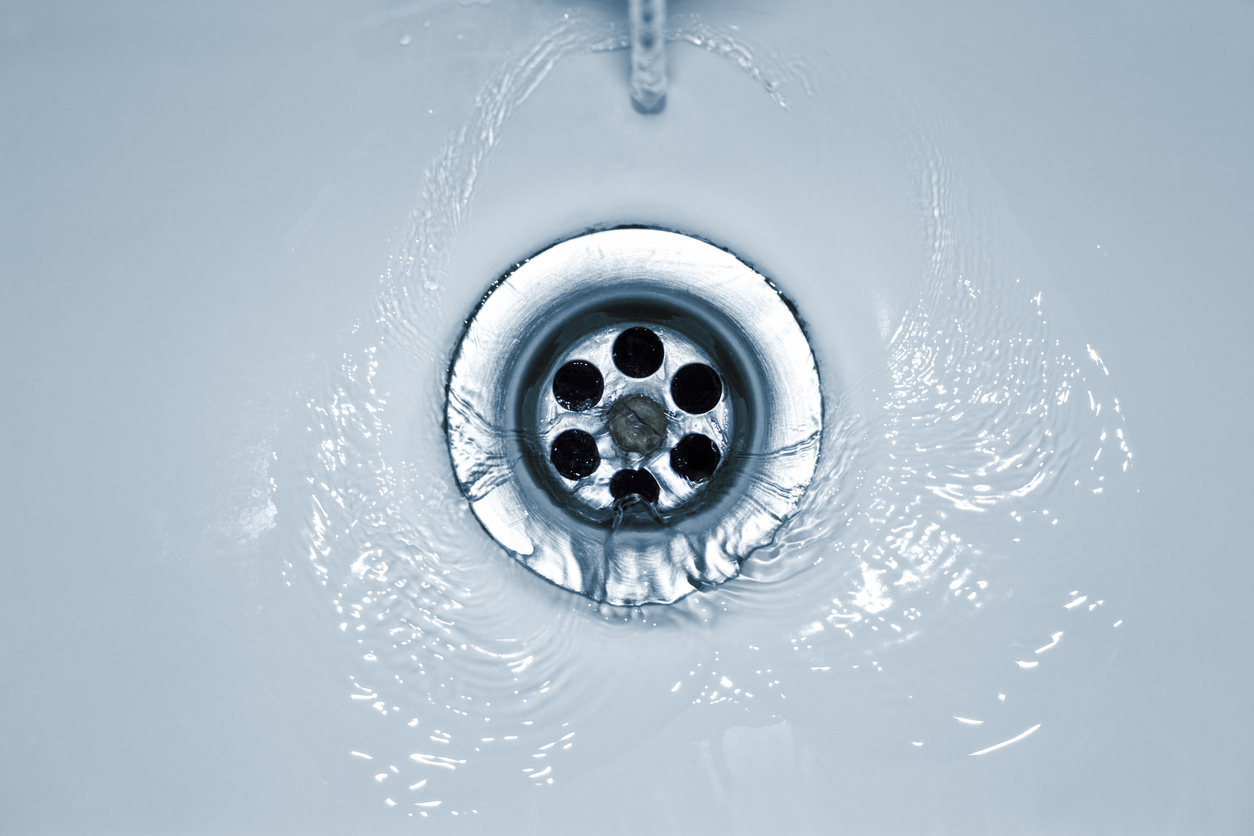
Clogged Drain Repair & Fixing Drainage Problems
Plumbing is often the most used and abused system in your home. Resulting from a myriad of incidentals and plain bad choices (hair, food, grease), clogs are an occasional issue that every homeowner faces. With pipes primarily being under the house or underground, nightmarish scenarios may require clogged drain repair. For homeowners, simple maintenance and monitoring can help your plumbing system function properly, saving you time and money.
Several steps can be taken by homeowners to detect and remedy clogged drains, but for an plumbing emergency is the trusted source for professional plumbers in the greater South Dallas Area.
3 Signs Your Drain is Clogged
Clogs can occur anywhere within your plumbing system, most of which is not visible, making it hard to pinpoint exactly where the issue is located. Knowing how water flows through your system will help you find the root cause of any issues that arise.
Plumbing is often called a tree, with the main line as the trunk and other pipes as the branches. Clogs that are in the main line will affect the entire tree. Those that are isolated to a single drain, or branch, will be a more localized issue. Keep this structure in mind as you work to identify the source when faced with a clogged drain repair.
1. Water Backing Up
While this might be the most recognizable sign, water backing up is regularly the last in a long line of signs that your system needs attention. If water is backing up in multiple sinks, the toilet and bathtub, your clog is somewhere in the main line. If isolated to one drain, your problem is more localized.
2. Slow Draining
Restrictions in your piping will cause water to flow more slowly, including drains in your bathroom or kitchen. Standing water while you are showering is often a clear sign that an obstruction has occurred. Test multiple drains to see if the issue is throughout the system or a localized problem.
3. Low Water Pressure
Low water pressure can be frustrating but often points to bigger issues that need to be addressed for the health of your plumbing system. Due to a wide range of possible culprits, should your water pressure suddenly drop, consult with a licensed plumber. They will be able to more quickly determine the cause and address the situation.
How to Fix a Clogged Drain
We could easily write an entire article on the types of things that we have pulled out of clogged drains, but for now we will stick to common items that are likely to cause an issue.
Tree Roots
Tree roots are often cited as the #1 issue that causes water to back up in underground pipes. As a living organism, the root systems grow in search of water and have the ability to cause major damage. Because they are more likely to enter your plumbing outside the home, on the main line, they regularly affect the attached system.
Equipment, such as drain snakes, do little against the harder material. In many cases it is best to contact your local, licensed plumber as they will have commercial grade augers that can chew through the root system and clear the blockage. Additionally, the pipe may need to be replaced depending on the damage caused.
Food and Grease
Food poses a clogging threat primarily to your kitchen sink, although it should be said that food should never be poured down any drains in your home. With the potential to cause clogs anywhere along the line they can quickly progress from the minor inconvenience of a slow draining sink to an emergency situation should water start to back up.
For homeowners that have a garbage disposal, understand that not all food materials are safe to process and pass into your plumbing system. Harder to break down foods, such as eggs, fruit rinds, and meat, should never be put into your disposal.
Grease regularly accompanies food, and should never be poured down the drain. As grease cools, it solidifies and can quickly build up to cause a blockage.
When facing this type of clogged drain repair, avoid using harsh chemical agents as they can degrade pipes, leading to a host of other issues. Rather, first try a pressurized approach. Filling your sink with hot (or boiling) water and draining will help build up pressure and can help remove the clog.
In the event that the clog remains, pour a half box of baking soda into your drain along with a half cup of vinegar. This will cause the volcano effect that we know from elementary school science. Wait 30 minutes and fill your sink again to repeat the process. Please note that boiling water is often recommended, but should not be used if you have PVC pipes, as it can cause the connections and joints to loosen.
For tougher clogs, try using a drain snake or checking the P-Trap, which is the u-shaped bend in your pipe directly under your sink. If the clog persists, contact a licensed plumber.
Hair
Humans shed and lose hair each day and for many of us, those strands of hair find their way into our bathtub drain. For some, the problem is greater than others, quickly leading to a clogged drain as the hair wraps itself around any and everything in the pipe.
Preventative maintenance can be inexpensive and include items such as a hair trap from your local hardware store. But should the issue progress, a drain snake will be your next option. The coiling action and spring of the snake are ideal for removing the clog.
Non-Biodegradable Products and Objects
Sewage backup can range from an inconvenience to health and safety concern and should be acted upon immediately. Items such as feminine hygiene products and diapers should never be thrown into the toilet. Remember that these types of products are made with a cotton-like material that does not break down quickly and gets caught very easily.
Although your first thought may be to use a plunger in this situation, you are more likely to simply push the clog further down the line. Even if you are able to get the obstruction through your main line, these items must be dealt with later at sewer treatment facilities.
In this scenario, your best bet is contact your local plumbing experts. They will be equipped to extract any debris that is in your system so that the materials can be disposed of properly.
Proper maintenance and good habits will go a long way to keep your plumbing system running smoothly. Allowing you to avoid the headache, and cost, of an emergency call to a licensed plumber.
Find Local Plumbers
Being armed with an understanding of the signs and causes that result in clogged drain repair is a great first step. Having a trusted team to back you up for more technical plumbing maintenance or in the event of an emergency is the next.
Dial One Johnson is the #1 choice for homeowners in search of plumbers in Waxahachie, Texas, serving the residents of Ellis County and the Dallas-Ft Worth Metroplex for over 50 years. With offices in Midlothian and Cedar Hill, and 24-hour service options, you can count on our team of professional, licensed plumbers to get the job done right the first time. Contact us today to learn more about our services and schedule an appointment.
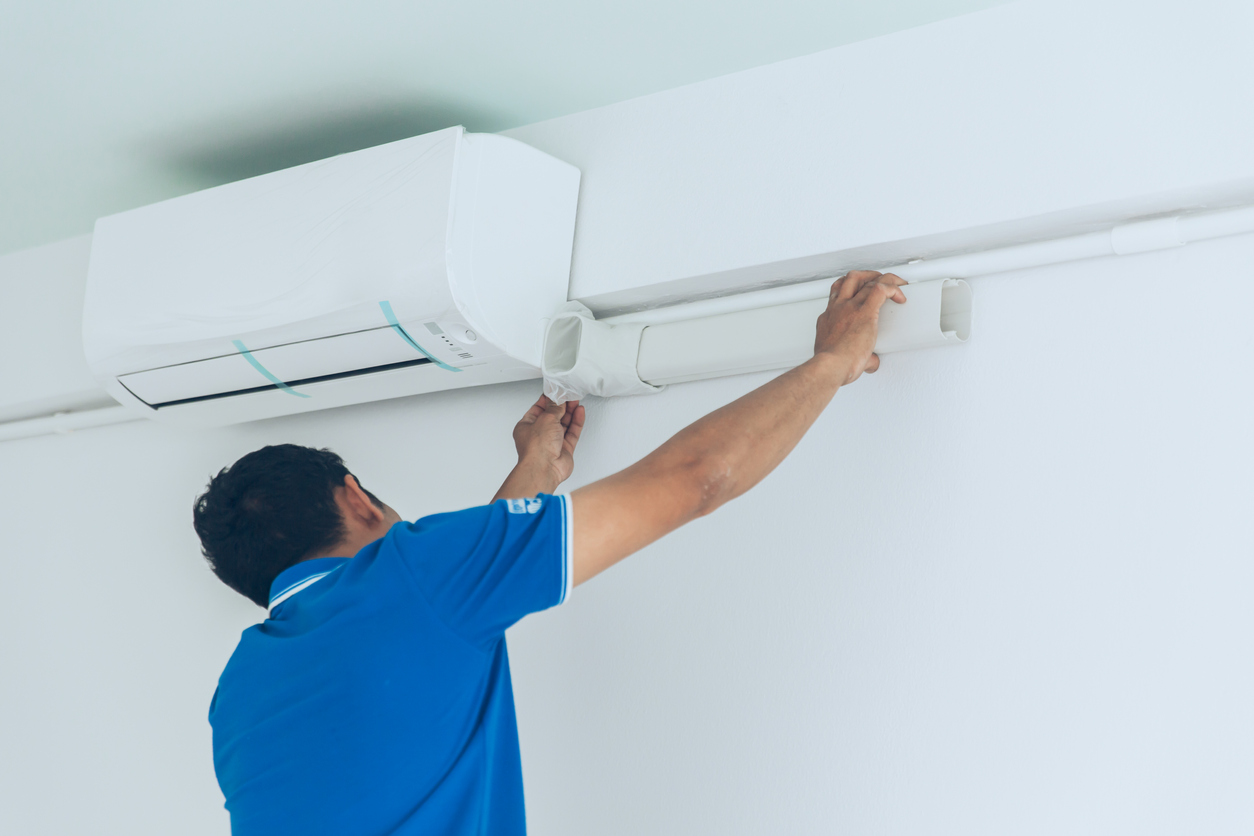
What Can Cause an HVAC Emergency?
The weather in Texas can be as temperamental as a moody teenager. We get everything from the occasional ice storm to the brutal summer heat. Running an HVAC may be a year-round activity. When your HVAC system has problems, the situation is never fun and could turn from an inconvenience into an emergency.
The Dial One Johnson Plumbing, Cooling, and Heating team are among the best HVAC contractors in Waxahachie, TX. Don’t wait until disaster strikes: save our number in your phone right now so we can be on deck
As with other systems in your home, your HVAC can give some early warning signs that maintenance, or more, is needed. Here are five common signs that are easy to spot.
5 Signs Your HVAC is Malfunctioning
You can spot all of these major issues yourself: and they shouldn’t be ignored! Here are the five most common signs that an HVAC system is on the fritz.
1. Inadequate Airflow
Inadequate airflow is the one of the first and most obvious signs that something may be wrong with your HVAC unit. Often, this means that it is unable to heat or cool to the desired temperature or air is somehow blocked.
While your first thought may be to diagnose and solve the problem yourself, the challenge is that inadequate airflow can be caused by a wide variety of problems including electrical issues, a damaged compressor, or clogged vents.
The best option is to find a HVAC contractor in your area that can help properly diagnose the issue, getting to the root of the problem and providing long-term solutions.
2. Frozen Coils
When your heating or cooling system is stressed, you may spot frozen coils. Surprisingly, this can even happen during the dog days of summer when the temps are above 100 degrees.
Frozen coils occur when the refrigerant temperature drops below the freezing point and may indicate a refrigerant leak. Note: you cannot (and should not) deal with refrigerant yourself. Here’s what you can do to prevent this issue:
- Check to make sure that your AC is not running if the temperature outside is below 60 degrees.
- During summer months, make sure that your thermostat isn’t set below 70 degrees.
The added stress and constant running can quickly escalate.
In the event that your coils freeze, shut down your system and call a repair person. Refrigerant is a dangerous chemical that is essential to the normal function of your unit. It must be handled by an HVAC professional.
3. Screeching
Often a dead giveaway that there are larger problems looming, screeching sounds from your HVAC can be caused by a handful of issues.
Frequently, the sound is the result of high pressure within the compressor, bearings going out or loose belts. As with most conditions, these can be prevented with regularly scheduled maintenance and inspection.
However, for systems that have been sitting without use, some screeching may be natural when reactivated. If the problem persists, call an HVAC tech to check it out. An electrical failure probably means a new HVAC. If you catch it early, you may be able to avoid that..
4. Other Odd Noises
Beyond a high pitched screech, you may notice that your system is making other odd noises, such as popping or clicking. These can come from either the inside and outside unit and shouldn’t be taken lightly.
More often than not these indicate an electrical problem. Listen closely to when and where you are hearing the noises to help your contractor quickly identify where the issue is coming from.
5. Burning Smell
Anytime your HVAC smells like it is burning, you need to act immediately. After all, this is an electrical system that can potentially catch on fire. A burning smell could be a sign that something has already melted and will need to be replaced.
First, turn off the system to make sure that no further damage is done. Then, reach out to your local HVAC specialist for assistance. Because of the potential for a fire, this is not an assessment that should be done by a homeowner.
Investigating root cause is important. But, of course, the goal would be to prevent disaster or an HVAC emergency.
How to Prevent an HVAC Emergency
As with other home systems, regular maintenance for your HVAC system is critical to keeping it running. While the technical aspects of maintenance should be left to the professionals, here are a few ways you can maintain your HVAC system.
Proper Ventilation
When it comes to your outside unit, regularly check for debris that can accumulate and restrict airflow. This includes leaves, nesting insects, overgrown grass and more. For your inside unit, keep the area around your return vents clean. This allows proper circulation and causes less stress to your system. Keeping both areas free of excess debris will also make regular maintenance or emergency service much easier for your HVAC contractor.
Change Filters
Changing the filter on your system is an easy step to properly maintaining your home HVAC unit. It is recommended that you check your filter at least once a month and replace it every 3-6 months.
For pet owners, this may be more frequent as pet dander can quickly accumulate and clog the filter. Additionally, parents of fur babies may buy filters specifically designed for pets, dust or bacteria. This not only improves indoor air quality but also prevents your damage to your system.
Regularly Scheduled Maintenance
Regularly scheduling maintenance from a highly rated, local HVAC provider reduces the likelihood that an emergency call will be needed. They will be able to quickly diagnose any potential problems and can remedy the situation, saving you time and money.
HVAC Replacement: What to Consider
While most emergency HVAC calls will result in repairs, replacement may be the best or only option. Just like other home systems, your HVAC was not designed to last forever and eventually need replacement. Typical life expectancy for HVAC systems is approximately 15-20 years, with proper maintenance. New systems are a large home investment so it is important that you choose one that will reliably work for years to come. Here are three things to consider if you need to replace your HVAC.
Life Expectancy
Because this is a large investment, you will not want to revisit this issue every couple of years. Stick with the common manufacturers that have a proven life expectancy of 15 or more years. In addition to reliability, contractors will be more familiar with the system and maintenance will be cheaper.
Size
Rely on your HVAC expert to guide this option. Simply choosing the biggest option is not always the best way to beat the Texas heat. Adequate sizing results in more efficient heating and cooling of your home, less stress on your electrical system and fewer problems in the future.
Cost Savings
With each passing year, newer HVAC models become available that are more energy efficient. When your AC is running around the clock during our 6-7 month summers, your energy bills will benefit from a greener option.
The good news is that you don’t have to do all of the research yourself. Your local contractor will be able to recommend brands, estimate installation costs and more. Additionally, because they are familiar with your area, they can provide insider knowledge that will help you make a decision.
Find Emergency HVAC
Whether you are looking for general maintenance or emergency service for your HVAC, Dial One Johnson is the trusted source for your residential or commercial needs. Serving the Dallas area for over 50 years, Dial1 provides 24-hour emergency service to ensure that you are safe and comfortable in the event of an HVAC emergency. With offices in Midlothian and Cedar Hill, we are excited to expand our services to Waxahachie and the greater Ellis County area. Contact us for the best HVAC contractors.