Our Blog: Heating, Cooling & Plumbing Insights
Your go-to resource for HVAC and plumbing solutions, DIY guides, and home maintenance tips.
Got an emergency? Call 972-914-0833 or …
Explore by topic:
Causes of Dishwasher Leaks in Coppell
The invention of the dishwasher was a modern day wonder that has changed many lives, and continues to be a blessing in cities like Coppell. In big families especially, the convenience allows the enjoyment of life’s more important things.
If that dishwasher acts up, however, life slows down and not in a good way. Fortunately, plumbing repair in Coppell has a reliable resource in the form of experts at Dial 1 Johnson Plumbing who can restore normal functions, enabling squeaky dishes without a lot of elbow grease
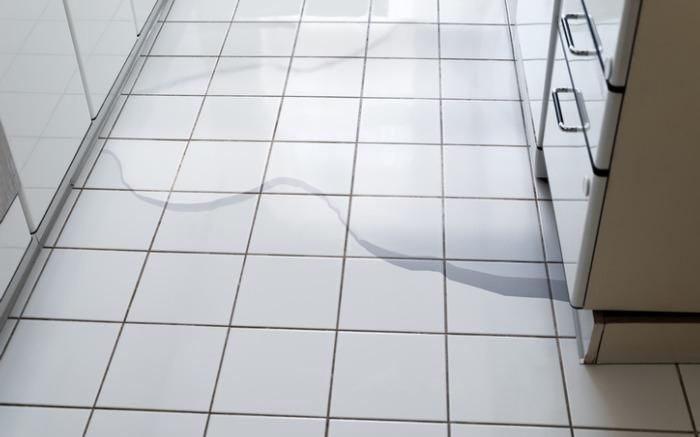
A small puddle on the floor is a good indication that help may be needed. Beyond damage to the floor, leak detection is necessary to prevent damage to the dishwasher and should be addressed right away. Other issues include water (or soap) leaking from the dishwasher, and usually occurs at a few particular spots.
Homeowner can also check the seals around the door. One runs along the edge of the dishwasher where the door sits and the other is along the bottom of the door itself. These can become worn or frayed over time. As internet “how to” pages will tell you, these are not so difficult to replace, but the reality is that there are several hundred kinds for a hundred different washers and finding the right one for yours can be frustrating.
Using hot water, a little condensation is natural at the door after every cycle and may appear as a leak. The door may be closing improperly due to hinges being mis-aligned or the machine may be out of level. If too much soap is used, the overflow also leaves a tattle-tale puddle on the floor.
The places that could cause serious leakages are at the connections to the hoses bringing water to and from the dishwasher. The outlet hose can become crushed, kinked or blocked by food and the released water forces its way out at the connection or internally. Fortunately, this is limited to the amount of water in the machine during a cycle.
The inlet hose, however, is critical because the pressure behind it is not controlled by the amount in the machine, but is an unending supply courtesy of the well or municipal system. These hoses have rubber washers that dry out over time. The hoses can become kinked or corroded and are best replaced with a new stainless steel webbed hose.
For the large problems or minor skirmishes, kitchen plumbing repairs in Coppell, TX has never been easier than with us, so call Dial One Johnson Plumbing, Cooling & Heating.
Author Bio:
Sherrie Johnson-Hartsock
Dial One Johnson Plumbing, Cooling & Heating is now owned and operated by Sherrie Johnson-Hartsock, with his grandson, Daniel Johnson, a third-generation plumber who is also the Service Manager.
A Question from Red Oak: What Causes Low Water Pressure?
Low water pressure in your Red Oak home can make just about everything from showering to cleaning more difficult. It is frustrating, but it often seems like there is very little you can do about it. In fact, you may be able to improve your water pressure in a variety of ways, but the appropriate technique will depend on the root cause of your problem.
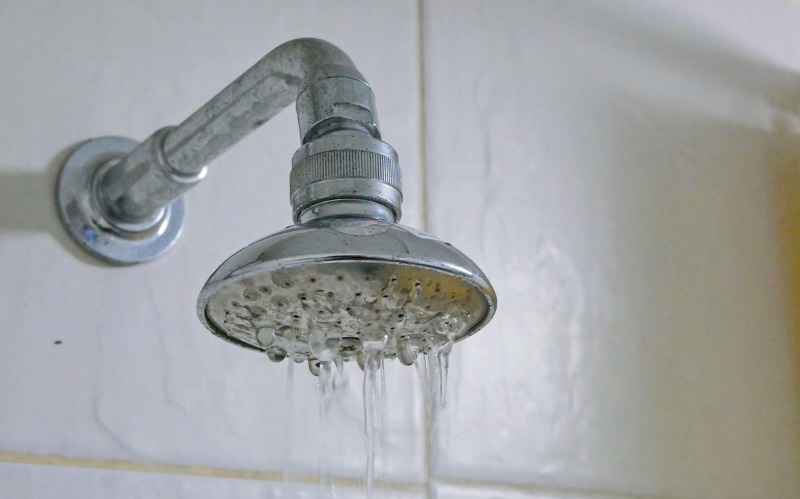
There are several different possible causes for low water pressure. If the problem is limited to certain areas or fixtures in the house, it may very well be because the pipes feeding that area or fixture are too small. Smaller pipes will only allow a smaller amount of water to pass through at once, making it impossible for you to get the force you are after.
Fixing this, of course, means putting in larger pipes, and that may be easier said than done. However, if the problem is on a small scale, you should not have too much trouble or need to pay too much to have a professional complete the job. A problem in a particular fixture can also result from small clogs or backups in the fixture itself, and this is a relatively easy situation to remedy as well.
A low water pressure problem that affects your whole house can result if the main pipes feeding into your house are too small. This could be the case if your house has been added onto since it was built or if you have more people living there now and using more water.
Replacing those incoming pipes is a big job, but it is often the only way to increase your water pressure and make it possible for the system to satisfy the water needs of the house. This is definitely something you will want to have a professional work on, and while it can be costly, it will be well worth it in the end.
Another possible reason that you might have low house-wide water pressure is that you live at the end of the area water system or that you use an improperly located well. If your well is downhill from your home, for instance, you should consider installing a booster pump that can help move the water into your house more efficiently. The same remedy can work if you live on the outskirts of town and at the limit of your town’s water system.
Author Bio:
Sherrie Johnson-Hartsock
Dial One Johnson Plumbing, Cooling & Heating is now owned and operated by Sherrie Johnson-Hartsock, with his grandson, Daniel Johnson, a third-generation plumber who is also the Service Manager.
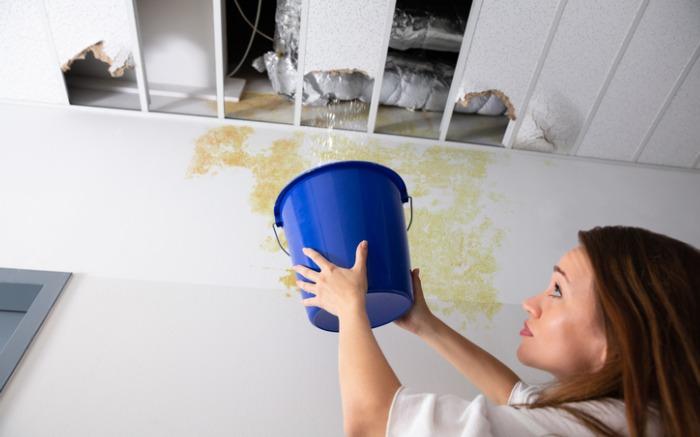
HELP! My Water Heater in the Attic Is Leaking through My Ceiling!
Whenever water starts dripping from the ceiling in your Dallas home, you know there’s a problem with the water heater in your attic. In these situations, you can turn to the expert plumbers at Dial One Johnson Plumbing, Cooling & Heating. We’re here to help.
If you live in the Dallas metro area, we are available 24/7 to help with plumbing emergencies! Call 972-291-0740 for immediate assistance.
Possible Causes of Attic Water Heater Leaks
Commonly, attic water heater leaks are caused by problems like these:
- Split tanks
- Drain valve leaks
- Leaking hot or cold water lines
- Disruptions or breaks in the incoming or outbound water line connections
Here’s how to stop the flooding problem for any of these issues.
1. Turn Off the Water Supply to Your House
Do this in case the water leak is coming from the cold water line that is not connected to the water heater. The leak may not be coming from a hot water line or the water heater itself. There are typically two ways to do this—turn the water off at either the isolation valve or the meter. Not every house has an isolation valve, so if you don’t find one quickly, try the meter.
How to Turn Off an Isolation Valve
An isolation valve is an emergency shut-off valve for the incoming water supply to the house. This valve separates the water lines that run through the yard from the water lines that run under the house. This isolation shut-off valve is much easier and faster to turn off than the meter.
The isolation valve is typically located in the flower bed at the front of the home. It is usually housed in a black or green box and the handle on the valve will be yellow or red. The handle may be rusted if it has not been maintained. Turn the water off by carefully turning the handle in a clockwise rotation. The valve may be stuck if it has not been used in a while, and any sudden or hard movements might break it.
How to Turn Off a Water Meter
You may need to turn the water off at the meter if there is no isolation valve or if it is stuck in the open position. The meter is generally located at the front of the home or property by the street, maybe near the sidewalk or driveway. There are two types of meters: either a rectangular, black or green plastic lid or a large, round, black or brown metal or plastic lid.
Please note: Some cities will not allow citizens to turn the water off at the meter themselves. These cities fine homeowners for doing it; if the meter is damaged in any way, the homeowner will be financially responsible for making the repair or replacement.
This applies to many places in the Dallas metro area! Call your local water department before shutting the water off yourself.
2. Turn Off the Incoming Water Supply in the Attic
Do this at the water stop at the top of the water heater. If the leak is from the tank itself or one of the water lines connected to the water heater, shut the water off at the water heater so that all the residual water in the water pipes coming from the isolation valve or the meter doesn’t continue to leak through the tank or the pipe.
The shut-off valve for the water heater is at the top on the right. The handle will look like either a circular wheel or a lever with a red or yellow plastic handle. To turn the water off, carefully turn the valve clockwise. If it is the lever style, make sure the handle is perpendicular with the water line to ensure it’s completely off.
3. Drain the Remaining Water from the Water Heater to Stop the Leaking
If the leak is from the tank itself or one of the water lines leading away from the water heater, even with the water turned off at the water heater, all the water that is remaining in the water heater tank itself is going to continue to leak from either the tank or the pipe.
Find the Closest Drain to the Water Heater
It will most likely be in a bathroom on a lower level (sink, tub, or shower). Check and make sure that this drain is free-flowing and clear of any stoppages before attempting to drain the contents of the water heater into it.
Get a Garden Hose that Is Long Enough to Cover the Distance Between the Water Heater & the Nearest Drain
Hook the garden hose up to the water heater drain. The water heater drain looks like a metal or plastic faucet and is located at the bottom of the water heater.
Before you hook the hose up to the water heater, make sure the other end is positioned so that the water will flow into the drain.
Screw the Garden Hose on to the End of the Drain on the Water Heater
On the metal valve and the plastic valve, use a screwdriver to turn counterclockwise so they can drain.
*WARNING*
IF YOU UNSCREW THE PLASTIC VALVE TOO MUCH, IT WILL BLOW AWAY FROM THE WATER HEATER, AND ALL CONTENTS OF THE WATER HEATER WILL DRAIN INTO THE ATTIC. USE EXTREME CAUTION!
Water from the water heater will now drain through the garden hose to the drain you have selected until the water heater is mostly empty (there will always be a little bit of residual water in the tank). Your water heater may vacuum seal, not allowing the water to drain. Read on for further instructions to deal with this issue.
Make Sure You Turn the Water Heater Off
This is so that it is not heating an empty tank.
Find a Double- or Triple-Handle Faucet in the House & Turn on the Hot Side Only
This will break the vacuum seal and allow the water heater to drain. Do not turn on the cold side or use a single-lever faucet. Turn the faucet back off once the water stops running.
If you believe the leak is on the cold-water line that is not connecting into the water heater AND you have been able to turn the water off at the meter or isolation valve, open one of the cold side faucets and allow the water to drain from the cold side. This will minimize the water reaching the damaged pipe. Only attempt to drain the cold side if the water has been shut off at the isolation valve or the meter.
At this point, the water should be slowing and should stop soon. If the leak is visible and you can catch the water or soak it up, that will help minimize the damage until it is completely stopped.
Clean Up the Water Before Any Damage Occurs
Using a mop or towel, clean up any of the water that you can from the floor of the attic and the walls as well as the floor and walls of the room where the water heater was leaking. If there is a large amount of water in the attic or the lower level, using a wet vac is very convenient.
You can use fans to help dry up the remaining moisture in the attic. It is also a good idea to have fans pointed at the ceiling on the lower level where the water was leaking. Sometimes, with large amounts of water to clean up, having a water restoration company assist you will cut down on the amount of water damage.
Call 972-291-0740 for help!
Because all types of problems can cause these leaks, it’s best to rely on an experienced plumber for professional diagnosis and the proper repairs. The experts at Dial One can fix the leak and recommend a reputable water restoration company.
How Do I Prevent Attic Water Heater Leaking?
To prevent a leak on water heater incoming and outbound pipes and connections, you can check once or twice a year for any spots that develop corrosion or for any small leaks of water on the inbound and outbound pipes and connections. If the connections going into your water heater are corroded, this will eventually cause them to leak.
Sometimes, a leak on the pipe can be so small that it is hard to detect and can go on for a long time before developing into a huge problem. This tiny, slow leak will cause corrosion on the pipe that just continues to grow until a larger leak is present. Make sure all fittings are tight and sealed properly with no small leaks.
If your connections are corroded or leaking, call trusted local plumbers. In and around Dallas, that’s Dial One!
How to Prevent a Leak on the Tank
Water heaters come installed with an anode rod on the inside of them to prevent internal rusting of the tank. Once the anode rod is rusted through, the tank itself begins to corrode. Changing out the internal anode rod of your water heater every four years or so will continue to protect your internal tank from rust.
Tap water from the city comes with some sediment inside it. This sediment settles inside a water heater tank and can cause a lot of internal problems as it builds up. Flushing your water heater every six months will remove the majority of the sediment and extend the life of your water heater.
Your water from the city tap also carries minerals and either chlorine or chloramine to prevent bacteria from growing in the water before we are ready to use or consume it. The presence of all of these can break down the inner components of your plumbing system, and more specifically, your water heater.
Installing a whole-home water softener will remove the minerals and the right kind of whole home water filter can remove the chlorine or chloramines from your water, extending the life of your water heater.
How to Prevent a Leak on the Water Lines Leading Away from a Water Heater
Galvanic corrosion and electrolysis cause pinhole leaks in copper piping. Galvanic corrosion happens on a copper pipe when two dissimilar metals are in contact, causing the weaker metal to corrode. To prevent this, make sure there aren’t two different metals connected without a dielectric union anywhere on the visible plumbing and if any repairs are made on the underground plumbing, that the repairs are not made by joining different metals.
Electrolysis mostly happens to copper piping due to lightning. When lightning strikes a home or even the ground near a home, electricity will find that path of least resistance to travel and that path is most often your metal plumbing system.
There are some lightning damage prevention companies and products out there, but they do little to protect against the damage to the plumbing system. Having a flood stop installed on your water heater will give an alarm if the water is coming from the connections or the tank, automatically turn off the incoming water to the water heater, and let you know immediately when the problem starts so you can handle it quickly and minimize the damage.
Sometimes, even with the best maintenance, plumbing disasters happen. Homeowners in Dallas and the surrounding areas can take these steps to help minimize the damage when plumbing leaks occur.
Tips to Minimize Damage When Attic Water Heaters Leak
- Make sure you have a ladder.
- Know how to turn off the water supplying the water heater.
- Know the distance to the nearest drain (tub, shower, or sink).
- Get a garden hose that is long enough to reach that drain and store it in a convenient spot near your water heater.
- Practice draining your water heater from the garden hose to the nearest drain once a year. Not only will this train you to respond to the problem quickly and calmly if it happens, but it will also flush your water heater of damaging water sediment. That can extend the life of your water heater.
- Have a water heater pan installed to catch some of the water if it is coming from the connections or the tank.
- Have a flood stop installed on your water heater to sound an alarm if the water is coming from the connections or the tank. A flood stop can also automatically turn off the incoming water to the water heater and let you know immediately when the problem starts so you can handle it quickly and minimize the damage.
- Have a wet vac at your residence. This will allow you to quickly remove water from the site and minimize water damage to the ceiling.
- Put fans in the attic to help dry out the space as quickly as possible.
- Have the emergency number for your city’s water department. They can dispatch a team out, usually within minutes, to turn the water off at your home if you are not able to do it yourself.
- Have the number for a reputable water restoration company on hand to help with any major water damage.
Call Dial One Johnson Plumbing, Cooling & Heating for Plumbing Service in the Dallas, TX Area
At Dial One Johnson Plumbing, Cooling & Heating, we’re focused on providing exceptional service for all of Dallas homeowners’ plumbing needs, whether they involve water heater emergencies, minor repairs, maintenance, or anything else.
To reach an expert plumber in Dallas, contact us now!
Author Bio:
Sherrie Johnson-Hartsock
Dial One Johnson Plumbing, Cooling & Heating is now owned and operated by Sherrie Johnson-Hartsock, with his grandson, Daniel Johnson, a third-generation plumber who is also the Service Manager.
The Top Signs There’s Something Wrong with Your Toilet
There are few components of your bathroom, plumbing system, or property at large more important than the toilet. But despite how essential this appliance is for daily life, we still often forget to have it serviced. When our toilets are working well, we don’t even think about them—yet when something goes wrong, it can quickly turn into an emergency. Keep reading for the top seven signs something is wrong with your toilet, and make sure to contact Dial One Johnson Plumbing, Cooling & Heating for all your toilet repair and installation needs.
There are few components of your bathroom, plumbing system, or property at large more important than the toilet. But despite how essential this appliance is for daily life, we still often forget to have it serviced. When our toilets are working well, we don’t even think about them—yet when something goes wrong, it can quickly turn into an emergency. Keep reading for the top seven signs something is wrong with your toilet, and make sure to contact Dial One Johnson Plumbing, Cooling & Heating for all your toilet repair and installation needs.
The Top 7 Signs There’s Something Wrong with Your Toilet Are:
- Your toilet frequently clogs: A toilet that clogs more than once in the course of a week is a surefire sign you’ve got a problem on your hands. It’s possible there’s an issue with the actual flushing components, or that there’s a blockage deeper in your plumbing.
- Your toilet has trouble flushing: A toilet that only flushes a little or not at all is the prime indicator of problems with the flushing mechanism. Chances are you will need to call a plumber to replace the appropriate parts if this is happening in your home.
- Your toilet has trouble refilling: If either your toilet tank or bowl has trouble refilling after you flush it, then you’re probably dealing with a valve malfunction, and will have to call a plumber for the necessary replacements.
- Your toilet runs constantly: Toilets that run all the time, even when they haven’t just been flushed recently, can be more than a minor nuisance. A toilet that frequently runs often has a flapper that is not closing properly. While replacing a flapper is easy enough to do on your own, it may still be worth calling a professional plumber for an inspection, as that running sound can indicate other problems that will force you to install a new toilet entirely.
- Your toilet is visibly cracked or damaged: Physical cracks and damage in your toilet’s porcelain can lead to leaks, so you should call a plumber to repair or replace the unit immediately.
- There Is water around the base of your toilet: Another obvious sign of a leak is standing water around the base of your toilet. This usually indicates that the leak is coming from the seal, which will need to be replaced.
- There is rust and corrosion around your toilet: If the metal parts of your toilet are rusted or corroded, you may be dealing with leaks or other toilet problems. At the very least, you will likely have to replace the parts that are rusted.
For more information about toilet problems or other issues, call Dial One Johnson Plumbing, Cooling & Heating at 972-291-0740, or click here to schedule service online.
Author Bio:
Sherrie Johnson-Hartsock
Dial One Johnson Plumbing, Cooling & Heating is now owned and operated by Sherrie Johnson-Hartsock, with his grandson, Daniel Johnson, a third-generation plumber who is also the Service Manager.

Why Plumbing Is Considered an Essential Service
In the midst of our current national crisis, it can be hard to tell what is and isn’t allowed anymore. Homeowners across the country are stocking up on toilet paper, food, and even masks in some places, but what do you do about household emergencies you can’t take care of with a trip to the store? The good news is that the White House has deemed certain workers as “essential,” so you can still get the home services you need. Keep reading to learn why plumbing is considered an essential service from our experienced professionals at Dial One Johnson Plumbing, Cooling & Heating.
Plumbers Are Critical Infrastructure Workers
According to a decision from the Cyber and Infrastructure Security Agency (a branch of the U.S. Department of Homeland Security,) plumbers are considered part of America’s “essential critical infrastructure workforce.” Under the CISA’s ruling, medical professionals, law enforcement, and other workers whose job it is to preserve public health and safety will be allowed to continue operating during the Coronavirus pandemic. A memo released by the government administration states that this includes, “workers such as plumbers, electricians, exterminators, and other service providers who provide services that are necessary to maintaining the safety, sanitation, and essential operation of residences.”
Dial One Johnson Plumbing, Cooling & Heating Is Still Here for You
Because the government has deemed plumbers to be essential workers, you can still count on Dial One Johnson to provide all the plumbing services you need. We want our customers to know that we are extremely committed to doing our part to prevent the spread of COVID-19, and have increased safety measures to protect the health and well-being of our customers and our technicians during this difficult period. Feel free to call us anytime for responsible and efficient service, and remember to continue social distancing and to keep following the advice of the CDC: wash and sanitize hands frequently, avoid contact with those outside your household, stay home if you are sick, cover coughs and sneezes, wear face masks if possible, and clean and disinfect surfaces often. By all doing our part, we will come out of this stronger than ever!
To learn more about Dial One Johnson Plumbing, Cooling & Heating’s updated service offerings, call 972-291-0740, or send us a message online.
Author Bio:
Sherrie Johnson-Hartsock
Dial One Johnson Plumbing, Cooling & Heating is now owned and operated by Sherrie Johnson-Hartsock, with his grandson, Daniel Johnson, a third-generation plumber who is also the Service Manager.
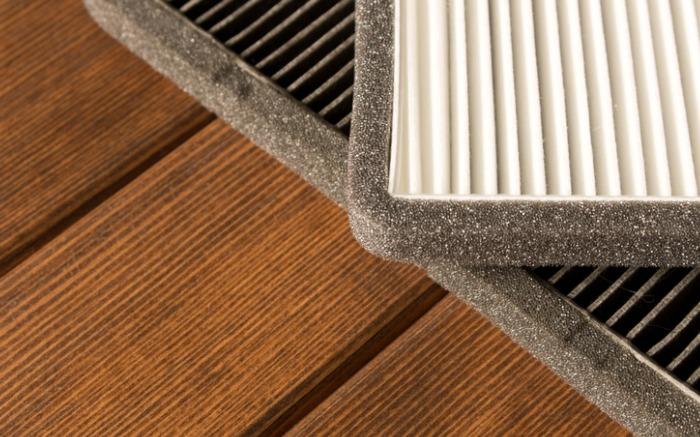
How To Change Your AC Furnace Filter
At A Glance Steps (Instructions Below)
- Locate Filter Locations
- Determine Correct Filter Size
- Turn Off Ac Unit / Furnace
- Remove Old Filter
- Insert New Filter
- Turn On Ac Unit / Furnace
-
First, find the locations of all of your air filters. There are several locations you may find an air/furnace filter in your home. You may have an air filter in your air return vents or in your central unit. Your return air vents will be located either on the ceiling or on the wall. To access the filter, unhook the latch and open the hinged screen. Your central unit will be comprised of either an air handler, evaporator, and/or furnace. On your central unit, the filter will usually be behind the access panel, either on the bottom in a tray or where the return duct meets the unit. If you have the owner’s manual for your AC system, it should tell you the location of your filters and the size. If you have a window air conditioner unit, you will also have a filter there to clean.
Return Air Vent Example
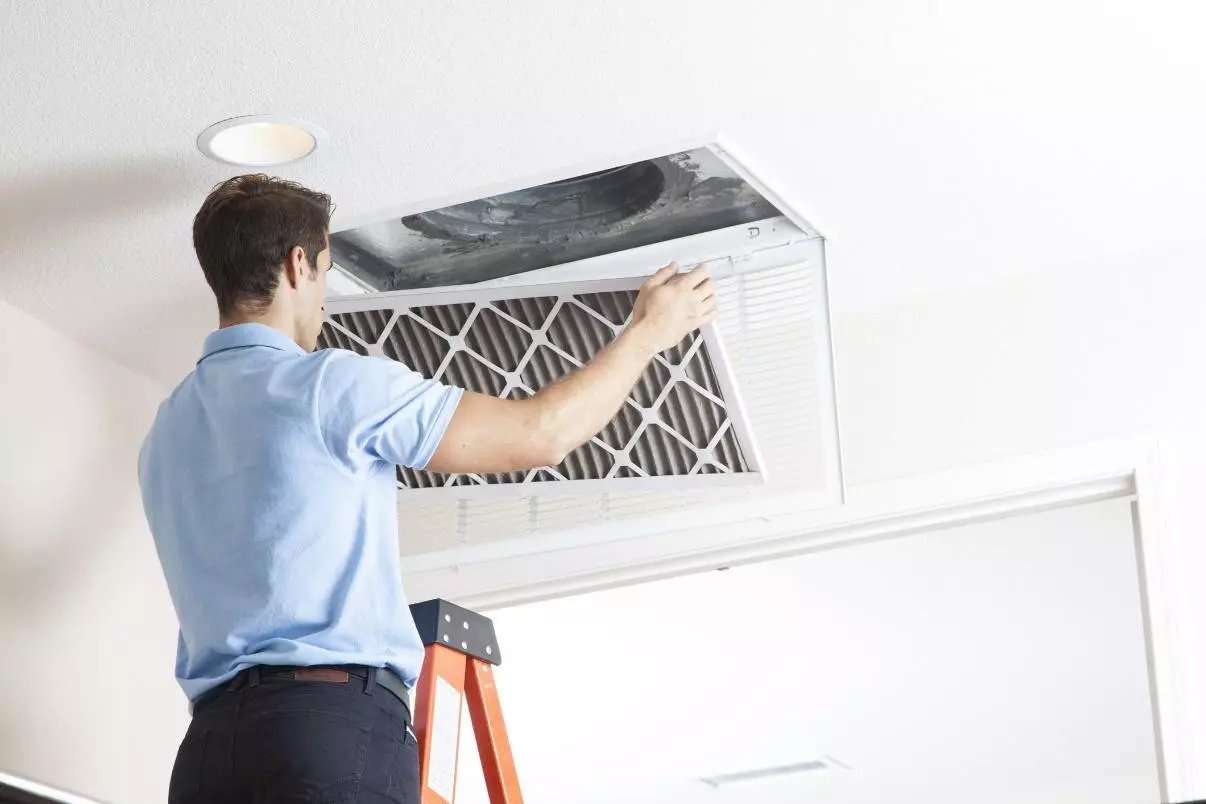
Central Unit Filter Location Example #1 – filter located where the duct meets the unit.

Central Unit Filter Location Example #2 – filter located in bottom of unit.
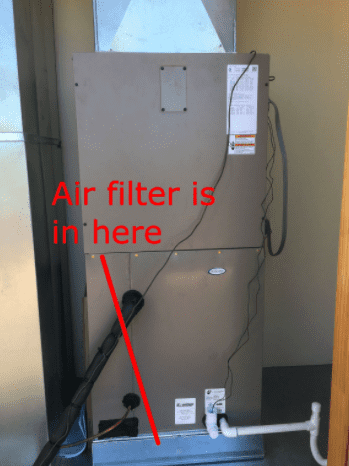
Central Unit Filter Location Example #3 – filter located where duct meets the unit.
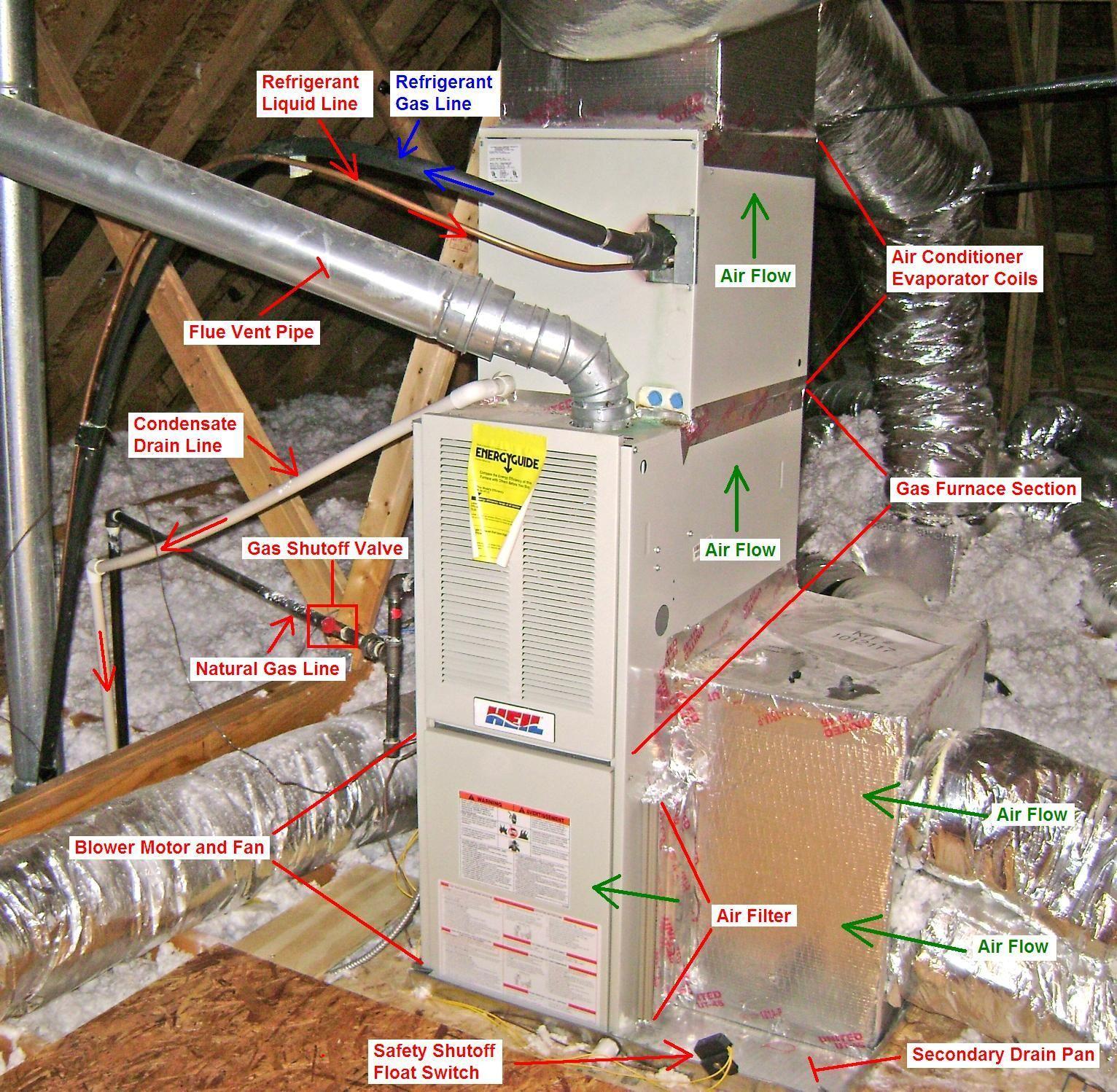
Central Filter Location Example #4 – filter located in bottom of unit.

Window Air Conditioner
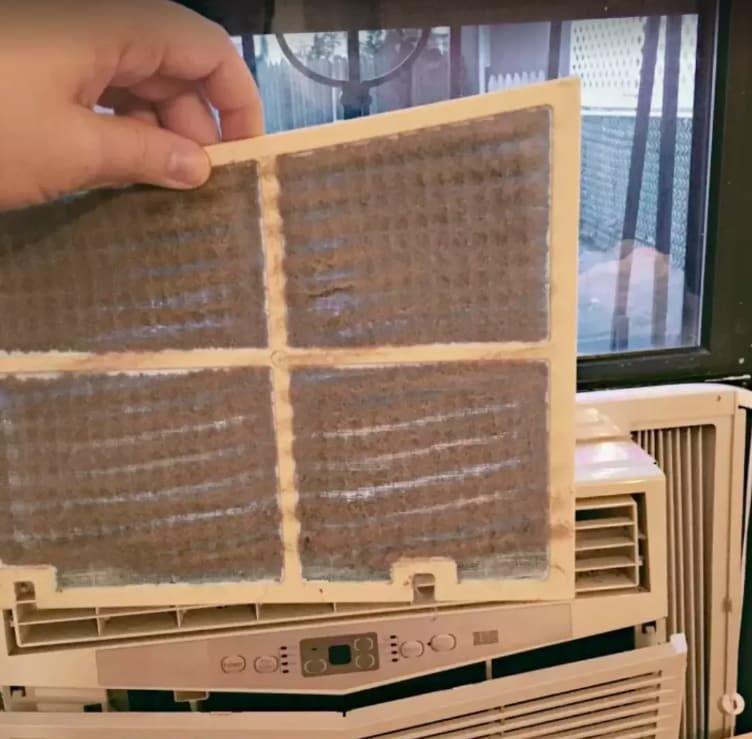
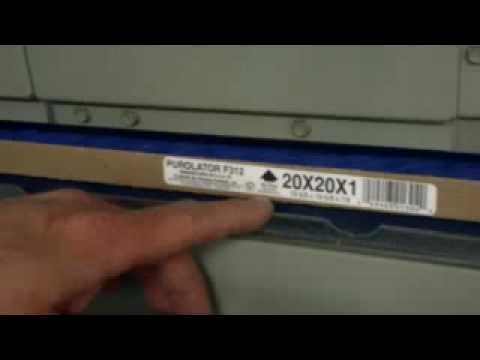
- Before you buy or change any filter, you need to find out what size you need. Filters come in a wide variety of sizes and you will need to replace the filter with the same size that is in use. Disposable filters come in a cardboard frame and are replaced for the most part on a monthly basis. Most disposable filters display their sizes on the side of the filter in an easy to see place. If the filter does not indicate it’s size, use a tape measure to measure length, width, and thickness. Washable, reusable air filters will come in a sturdy, plastic frame. You will not need to buy a replacement filter if your filter is washable.Filter size on display (check your size specifically, this size is an example only)
- Turn Off your AC Unit / Furnace at the thermostat. This will prevent the unit from sucking up any debris, dirt, or fittings into the unit. Do not run your unit without a filter.
- Before you remove your filter, look for an arrow on the frame. This arrow will indicate which direction the air flow is moving. Make a note of this (you will need to put your new filter with the arrow going in the same direction. Another helpful hint is to write the filter size and the correct air flow direction on the central unit housing for future reference! Remove your old filter. It will be dirty! To minimize the mess, be sure to have a large trash bag handy so you are not trailing dirt, dust throughout the house or on the floor.
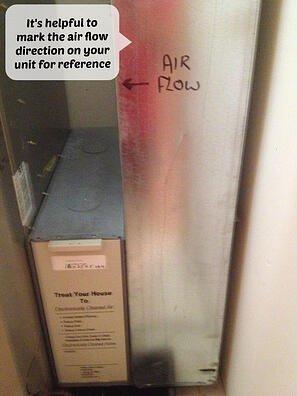
- Insert your new filter with the air flow arrow pointing in the same direction as the old filter. If you are inserting a filter into a return air vent, remember to clean the grill after shutting the hatch.
- Turn your AC System / Furnace back on!
Why DIY Drain Cleaning Can Be a Bad Idea
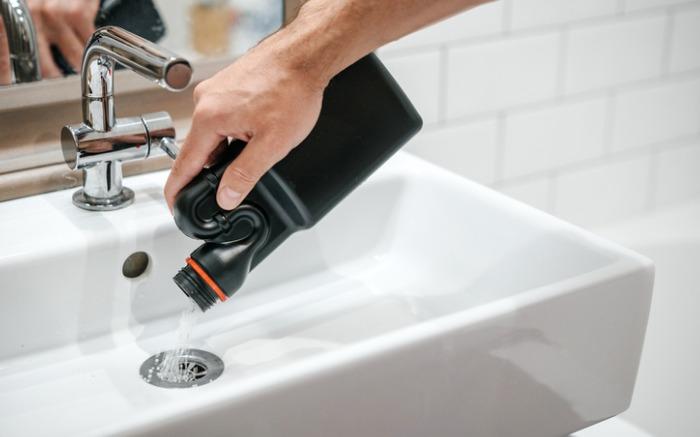
When you notice a sink beginning to back up or a slow-draining bathtub, your first instinct is probably to pour some chemical drain cleaner down the drain and forget about it. Although these chemical cleaners are easy-to-use and inexpensive, there are safer alternatives.
There are a few at-home solutions that are pipe-friendly and can help minimize clogs. Even then, if you are experiencing a drain or sewer problem the best thing to do is hire a professional plumber. Contact our Red Oak plumbing team for prompt and reliable service.
Alternatives to Chemical Cleaners
If you don’t have time to wait for a plumber or you would like to try something else first, there are a few at-home solutions you can try. But first, put the chemical cleaner down. Explained in depth below, chemical cleaners can cause major damage to your pipes, especially when used too frequently.
Here are some easy and affordable alternatives:
- Very hot (not boiling) water: using very hot water can help to melt away and break down any clogs. Rinse with cold water afterwards.
- Plungers and toothed drain snakes: keep in mind that these are only solutions for toilets and shower drains. You can purchase these at most grocery or home improvement stores. Plungers can be used for regular back-ups and toothed drain snakes are great for hair clogs in showers.
- Vinegar and baking soda: pour half a cup of baking soda down the drain followed by half a cup of vinegar right. Leave it overnight with the drain covered and rinse it with hot water in the morning.
These alternatives do not always work and can even make the situation worse. We suggest that you use these options sparingly and when you do, only once. If the problem continues to persist, then you need to call a professional plumber.
Dangers of DIY Drain Cleaning
Whether you’re using a chemical cleaner or a drain snake, every DIY drain cleaning method has risks. Take a look at some of the reasons why homeowners choose to hire a plumber rather than fix it themselves:
- Pipe corrosion: chemical drain cleaners may be easy, but they are the worst when it comes to taking care of your pipes. Many drain cleaners contain Hydrochloric Acid, which corrodes pipes. If you use chemical cleaners often, you could face a leaky pipe or worse.
- Septic system damage: chemical drain cleaners can also damage your septic system. The acid in these cleaners kill the beneficial bacteria in the system. This is a problem because this bacteria is a natural waste eliminator. When you kill the bacteria, you are actually increasing the likelihood of clogs in your pipes.
- Safety issues: some homeowners put their hands down the drain when they try to fix it. This is incredibly dangerous for many reasons. There is a possibility that your hand could get stuck in the pipe or worse. Not to mention the chemical burns that occur when homeowners use drain cleaners.
- Worsen the problem: using a drain snake or some other tool to remove a clog can result in pushing the clog further down the pipe. Similarly, when using chemical cleaners you could end up with major pipe damage.
Instead of risking damage to your pipes, septic tank or even yourself, call a plumber to handle the problem for you. Plumbers have the right tools and training to remove any clog, no matter the size.
Avoiding Drain Issues
If all of this sounds like too big of a hassle for you, then the best thing to do is to avoid the problem in the first place. The most effective way to avoid drain clogs is to be careful about what you put down the sink or flush down the toilet.
Here’s a list of what you should never put down the drain:
- Eggshells
- Coffee grounds
- Diapers
- “Flushable” wipes
- Potato skins
- Cotton balls and swabs
- Grains
- Animal bones
- Wax
- Grease and oil
- Paper products
- Feminine products
When you follow these guidelines, you can avoid frequent clogging. You can also purchase a drain strainer that will collect hair, large food particles and whatever else may get flushed down your sink or bathtub drain. Occasional clogs are expected of any plumbing system, but you can significantly reduce clogging if you get mindful about what goes down the drain.
The Importance of Drain Maintenance
Getting professional maintenance for your drain is also a great way to reduce the likelihood of clogs and other piping issues. Next time you schedule annual maintenance for your plumbing system, ask for a pipe and drain inspection and cleaning.
The best plumbing companies will use a video camera for pipe and drain inspections. This is attached to a thin cable and used to inspect your pipes. When plumbers do a camera inspection, they will be able to identify any issues such as clogs, waste buildup, cracks and more. If they do identify a clog, they should be able to remove it using an auger or pipe snake.
Plumbers can also provide drain and pipe cleaning services. To clean drains, a plumber will typically insert a hydro-jet into the drain opening and spray a high-pressure jet of water around the sides of the pipe. The jet of water removes any waste buildup along the sides of the pipe. This is the most safe and effective way to clean your drains
Reliable Red Oak Plumbing Services
When you schedule regular maintenance for your pipes and drains, you are increasing the lifespan and durability of your plumbing system. Rather than waiting for your drains to get backed up and cause major damage, why not take preventative steps and avoid the situation altogether?
If you are looking for dependable plumbing services in Red Oak, Texas then you have come to the right place. Dial One Johnson Plumbing, Cooling and Heating offers highly trained plumbing technicians that have all of the tools they need to fix your drainage issues.
Whether you need a clog removed or a burst pipe repair, our team at Dial One Johnson is ready to provide high-quality and affordable service. Contact us online if you would like to learn more about our plumbing services or to schedule an appointment.
Author Bio:
Sherrie Johnson-Hartsock
Dial One Johnson Plumbing, Cooling & Heating is now owned and operated by Sherrie Johnson-Hartsock, with his grandson, Daniel Johnson, a third-generation plumber who is also the Service Manager.
10 Tips for Hiring a Red Oak Heating and Cooling Contractor
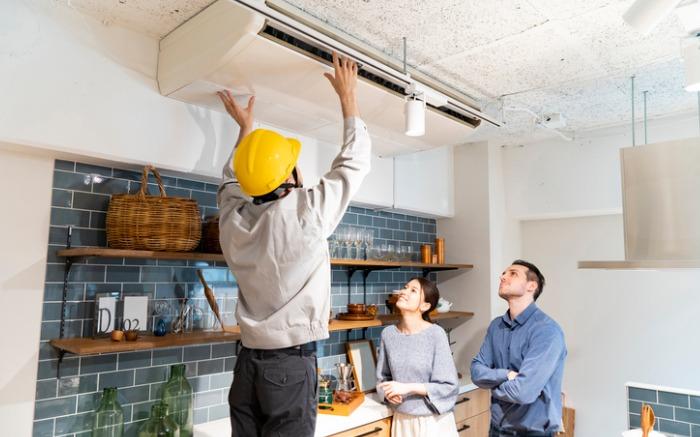
The most important step in scheduling a Red Oak heating and cooling service is choosing the right contractor. So, next time you search “air conditioning repair companies near me,” don’t just choose the first one that pops up. If you hire an inexperienced and unqualified technician, then you’re looking at ineffective service that could potentially decrease the efficiency of your HVAC system.
On the other hand, if you hire a certified, experienced and customer service-oriented technician, then your HVAC system will run better than ever.
Continue reading for ten tips on hiring a heating and cooling contractor in Red Oak.
1. Reviews
The first and easiest thing that you should do when looking for an HVAC contractor is check out their reviews. You should look for four stars or more and make sure to read any poor or negative reviews. Google, Yelp and HomeAdvisor are great places to start looking at reviews.
It is also not a bad idea to look at the company’s rating on the Better Business Bureau. Highly reviewed and rated HVAC contractors are the ones that you should continue to research.
2. Experience
A company’s experience is also a great way to gauge how capable a contractor is. Has the contractor been in business for at least five years? If the answer is no, then you may want to move on. Companies with over five years of experience are typically more suited to quickly and effectively handling all kinds of HVAC problems.
If you still want to give an inexperienced contractor a chance, then be sure to thoroughly vet them before you schedule an appointment.
3. Licensing
One of the most important criteria for finding a great HVAC contractor is checking their licenses and certifications. In the state of Texas, heating and cooling contractors are required to have a license through the Texas Department of Licensing and Regulations.
If you are struggling to find an HVAC company’s licensing, scroll to the bottom of their webpage or give them a call to find out. When a heating and cooling contractor has a license to practice, you will feel more secure knowing that they are qualified to provide service and you are protected from the cost of damage or accidents.
4. Safety Measures
Asking a stranger to come into your house can be scary, especially if you have children or you will be home alone. When you find an HVAC contractor that you like, give them a call to ask about their safety measures. You want only the most trustworthy technicians to fix your HVAC system and give you peace of mind.
When you call, ask if the company’s technicians have criminal background checks and are drug tested. You should also check to see if they take any additional safety precautions such as cleaning protocols or privacy rules.
5. Special Offers and Financing
A great way to see if a heating and cooling contractor is looking out for your best interest is to ask if they have any special offers, rebates or coupons. Installing or replacing an HVAC system is a huge expense and many people will appreciate saving even a few dollars.
Also, check if the company offers flexible financing options. Any HVAC company should understand that every family’s budget is different and can only accommodate so much.
6. Services
Go through the contractor’s website and keep an eye out for the services that they provide. Does the company only offer heating and cooling repairs? If they only offer repairs, they may not be hireable for HVAC replacements or installations. “Repair only” services may indicate that technicians don’t have very much experience or equipment.
Don’t forget to check if they offer emergency services. A company that offers emergency services is a company that cares about their customer’s safety and comfort.
7. Equipment Efficiency
Check out the products that the company endorses or offers: are they Energy Star certified? When an HVAC system is energy star certified that means that the equipment is highly efficient and durable. The more efficient an HVAC system is, the longer it will last and the more your energy bills will drop.
A great HVAC contractor will always recommend the most efficient equipment that fits within your budget.
8. Home Evaluation
An HVAC contractor should always ask to complete a home evaluation before replacing or installing a new system. This is important for a variety of reasons. An HVAC unit has to be sized before it can be installed. If a unit is sized incorrectly it won’t last as long. Inappropriate units will increase your energy bills and be unable to provide heating and cooling throughout your home.
Technicians cannot just replace your old unit with a similarly sized one because it may have been incorrectly sized the first time. If an HVAC contractor does not offer to complete a home evaluation, then you should move on in your search.
9. Itemized Estimate
Always ask your contractor to provide you with an itemized estimate before you agree to service. This way, you will know at least a range of what a replacement or installation will cost you. With an estimate you will also be able to compare different contractors to find out which offers the best service at an affordable price.
Within the itemized estimate, you should be able to see the warranty information, unit model and more. Be sure to ask your contractor for this information so that you choose the best Red Oak heating and cooling company in your area
10. Contract
The last thing that you should do before hiring a company is to ask for a written proposal. The proposal should list much of what was included in the itemized estimate as well as any stipulations that may change the pricing of work. For example, if an additional issue arises during service, the final cost will most likely increase.
Requesting a written contract protects you from sketchy contractors that want to get as much money from you as possible.
A Red Oak Heating and Cooling Contractor you can Trust
Why search for “air conditioning repair companies near me,” when you could just hire the best heating and cooling company in Red Oak? Dial One Johnson Heating, Cooling and Plumbing has been serving the Red Oak area since 1965. With over 50 years of service, our technicians understand the importance of excellent customer service.
We have all of the necessary licensing and always properly size a unit before installation. Our team cares deeply about our customers and are willing to provide any estimates, contracts or proof of safety measures. For honest and dependable HVAC service, use Dial One Johnson.
To learn more, contact us online or at 972-291-0740.
Author Bio:
Sherrie Johnson-Hartsock
Dial One Johnson Plumbing, Cooling & Heating is now owned and operated by Sherrie Johnson-Hartsock, with his grandson, Daniel Johnson, a third-generation plumber who is also the Service Manager.