
What Does an AC Compressor Do?
Your air conditioning system operates through two interconnected systems working together to cool your home:
Air Circulation System: Pulls in room air, filters out contaminants, and pushes it over evaporator coils to cool it down before recirculating it back into your space.
Condenser Unit: Refrigerant cycles through the evaporator coils to keep them cool, then moves through the condenser system to bring its temperature back down.
The Compressor's Role
When refrigerant exits your AC evaporator, it’s a low-pressure gas. Your compressor increases the pressure on these gas molecules—this is where physics comes into play. To release heat effectively, the refrigerant needs to be in a high-pressure form.
The compressor packs the refrigerant molecules together, making it both higher in temperature and pressure. The high-pressure refrigerant pushes to the outdoor condenser coil where it releases heat and turns back into liquid. The cooled refrigerant feeds back into the system, travels indoors, evaporates into gas again, and absorbs heat from your home’s air.
Without a functioning compressor, your refrigerant won’t cool down, and you’ll get warm, humid air instead of the cool comfort you expect.
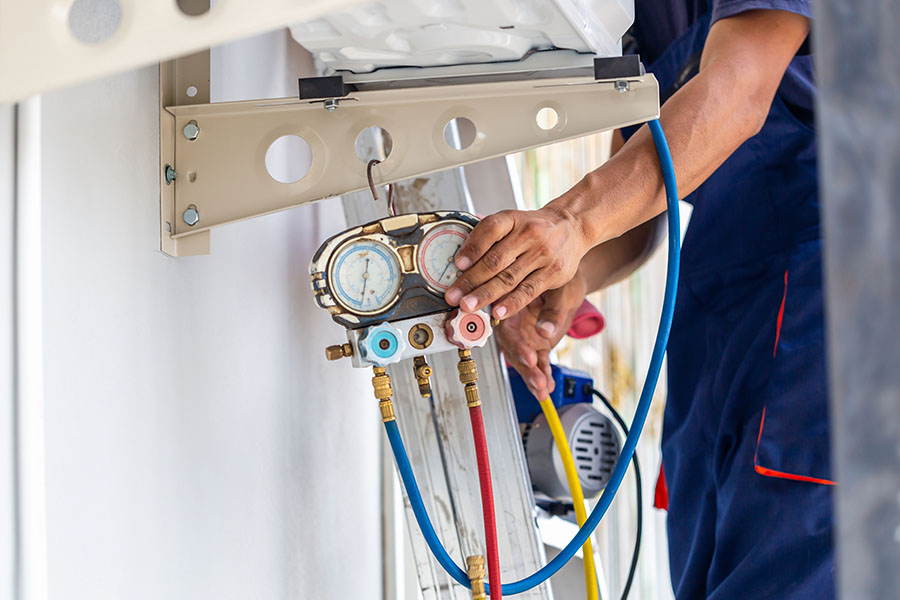
Warning Signs Your AC Compressor Is Failing
Recognizing early warning signs can save you from complete system failure and more expensive repairs. Here’s what to watch for:
Warm Air Instead of Cool Air
One of the most obvious signs—your AC runs but blows warm or room-temperature air. This happens when the system isn’t compressing refrigerant effectively, preventing it from absorbing heat from your home.
Before assuming compressor trouble, check your thermostat settings and air filter. A faulty thermostat or clogged filter can cause similar symptoms. If those aren’t the problem, it’s time to call for service.
Unusual Noises
A healthy compressor operates with a consistent, relatively quiet hum. Changes in pitch, tone, or volume signal trouble. These sounds usually indicate internal damage:
- Screeching
- Clunking
- Grinding
- Rattling
Turn off your AC if you hear these noises—continuing to run a damaged compressor leads to complete failure.
Short Cycling
Your AC turns on and off much more frequently than normal, sometimes running just a few minutes before shutting down. This drives up energy bills and strains your compressor further.
A damaged compressor can cause short cycling, which damages the compressor even more—a problematic loop. However, a malfunctioning thermostat or severely clogged filter can also cause this issue. If addressing those doesn’t help, you need professional diagnosis.
Tripped Circuit Breaker
If your breaker keeps tripping when the AC runs, the compressor may be drawing too much electricity—a sign of overheating or imminent failure. Don’t just keep resetting the breaker; an overworked compressor pulling excessive power creates a fire risk.
Shaking or Vibrating
A healthy outdoor unit operates with minimal movement. Visible shaking or vibrating when starting—often called a “hard start”—means the compressor is struggling. These hard starts wear out internal components and accelerate failure.
Refrigerant Leaks or Ice Formation
Compressors need proper refrigerant levels to operate efficiently. Refrigerant leaks or ice forming on coils indicate the compressor is under stress or wearing out. Low refrigerant damages the compressor, and a failing compressor struggles to circulate refrigerant—a problematic cycle requiring professional attention.
Reduced Airflow and Cooling
Your home takes much longer than usual to cool down, even when outdoor temperatures aren’t extreme. Your system may eventually reach the desired temperature, but takes progressively longer, driving up energy bills and leading toward breakdown.
The Compressor Won't Turn On
Before assuming the worst, check these simpler issues:
- Tripped circuit breaker or blown fuse
- Thermostat malfunction: Confirm it’s set to “cool” with a target temperature lower than current room temperature; check batteries
- Loose electrical connections at the terminal
- Faulty capacitor: This component sends power to start the compressor; if broken, the compressor won’t work
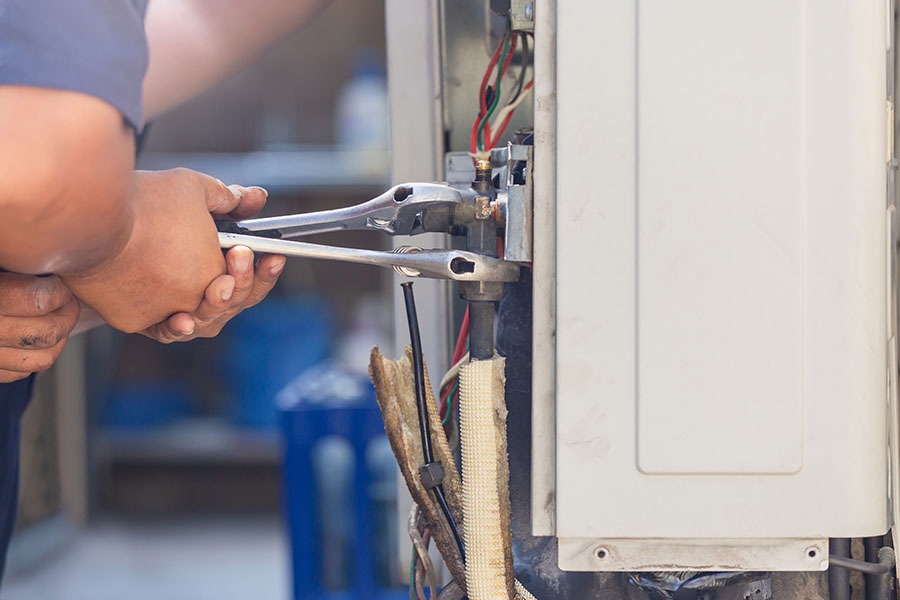
Common Causes of AC Compressor Failure
Many compressor problems are preventable with proper maintenance.
Blocked Suction Lines
Clogs in refrigerant lines cause pressure buildup, forcing your compressor to work much harder. This typically shows up as poor cooling performance.
Dirty Condenser Coils
Dust and grime prevent proper heat expulsion. The harder it is to disperse heat, the harder your compressor works. Overworked components fail faster. Regular coil cleaning should be part of your maintenance routine.
Refrigerant Leaks
Leaks through cracks or loose fittings reduce system effectiveness immediately. Low refrigerant can cause overheating, damaging multiple components and eventually destroying the compressor.
Low Lubricant Levels
Inadequate lubricant means your compressor isn’t operating correctly. Left untreated, this leads to failure. Proper AC maintenance keeps lubricant at appropriate levels.
Lack of Regular Maintenance
What to Do When You Have Compressor Problems
Stop Using Your AC Immediately
If you notice warning signs, stop running your air conditioner. Continuing to operate a failing compressor risks complete burnout, turning a repairable problem into expensive replacement.
Call for Professional Diagnosis
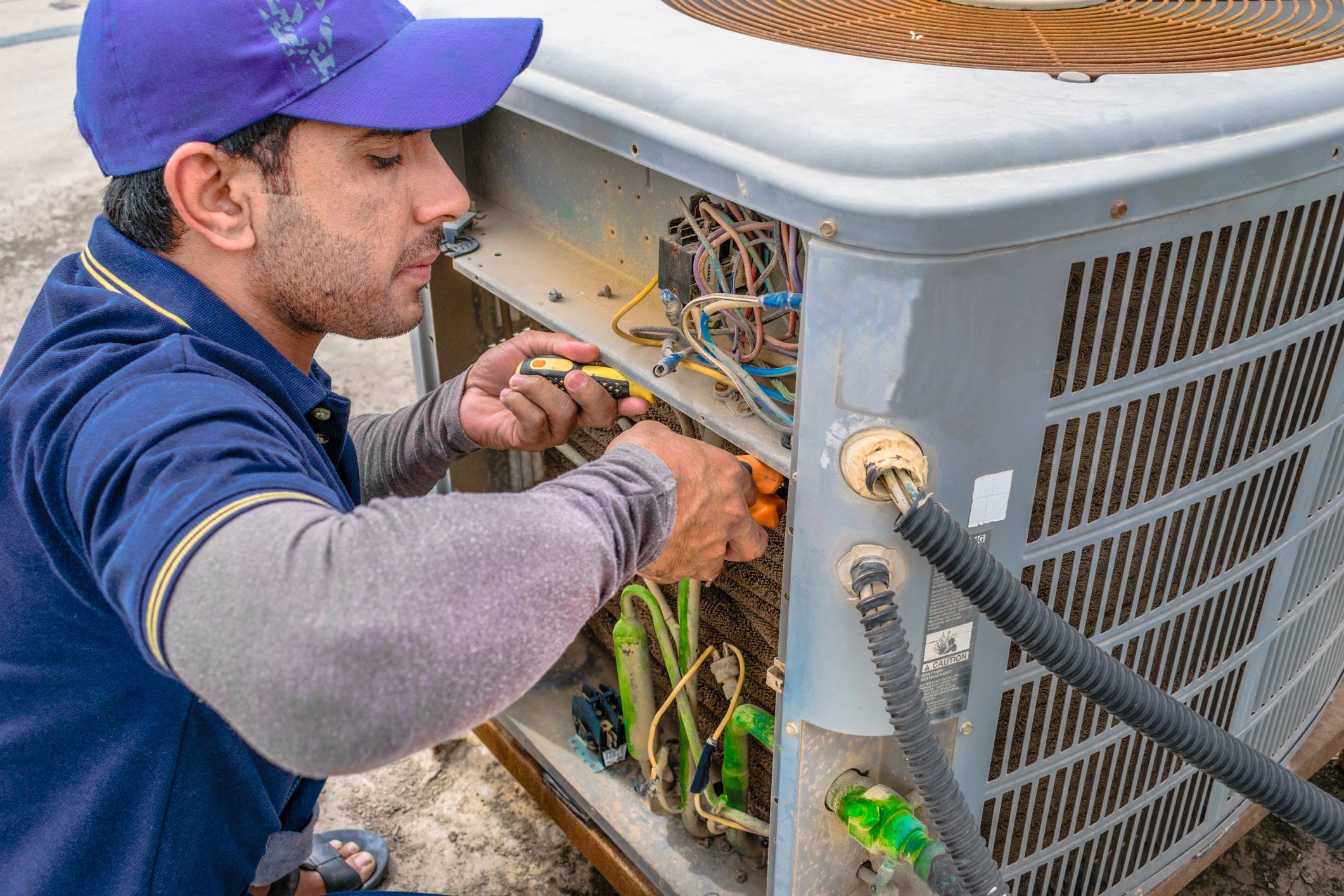
Compressors require professional expertise—refrigerants are hazardous, and DIY mistakes get costly. A qualified technician can assess your compressor and offer solutions:
Compressor Replacement: If under warranty, replace just the compressor component.
Condenser Replacement: Replace the compressor, fan, and condenser coil together. Depending on system age, this can cost nearly as much as full replacement.
Complete HVAC Replacement: For older systems with persistent problems, full replacement may be most cost-effective long-term. Modern systems offer significantly higher efficiency and lower energy costs.
Your technician will provide honest guidance about which solution makes sense for your situation and budget.
Don't Attempt DIY Repairs
Preventing Future Compressor Problems
Schedule Regular Professional Maintenance
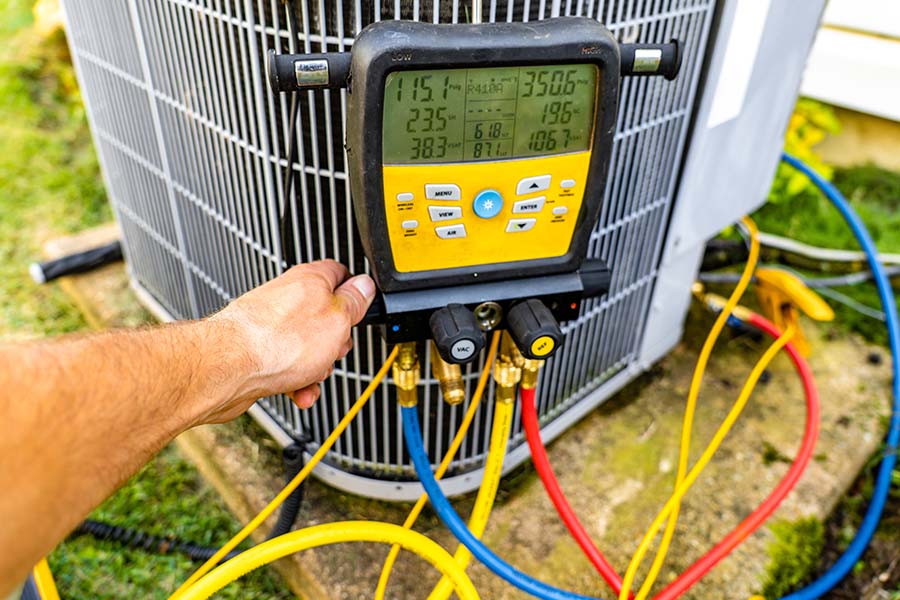
Have your AC serviced at least twice yearly. Technicians will check refrigerant levels, clean condenser coils, inspect electrical connections, monitor lubricant, test compressor operation, and identify potential problems before they cause HVAC failures.
Keep Up with Filter Changes
Replace air filters every 1-3 months. Dirty filters restrict airflow, forcing your entire system to work harder.
Maintain Clear Space Around Your Outdoor Unit
Keep at least two feet of clearance around your AC unit. Trim vegetation, remove debris, and ensure proper airflow to prevent overheating.
Address Small Problems Quickly
Don’t ignore unusual sounds, slight performance decreases, or occasional short cycling. Early intervention prevents major failures.
Trust Dial One Johnson for Compressor Solutions
At Dial One Johnson Plumbing, Cooling & Heating, we understand how crucial your air conditioner is during Texas summers. Our certified technicians bring expertise and honesty to every service call.
Whether you’re dealing with a compressor that won’t turn on, unusual noises, warm air, or any other cooling problem, we’re here to help. We’ll diagnose the issue accurately, explain your options clearly, and provide solutions that make sense for your home and budget.
Don’t let compressor problems leave you uncomfortable. Our team can address your AC needs quickly, efficiently, and at a fair price.
For professional AC service you can trust, contact Dial One Johnson Plumbing, Cooling & Heating at 972-291-0740 or reach out online to schedule an appointment.