
What Your AC Condenser Does
When you turn down your thermostat on a hot Texas afternoon, a complex process begins. While the vents and thermostat are the visible parts of your air conditioning system, your condenser unit outside does essential work behind the scenes.
Your HVAC system pulls warm air from your home, and cold refrigerant chills this incoming air before pushing it back through your vents. After absorbing heat from your home, the refrigerant needs to cool back down—this happens at your condenser unit through the process of condensation.
Here’s how it works: The refrigerant arrives at your outdoor condenser as a hot, high-pressure gas. The condenser coils release this heat into the outside air, cooling the refrigerant and converting it back to liquid form. This cooled liquid refrigerant then returns inside to absorb more heat from your home, and the cycle continues.
Without a properly functioning condenser, this essential heat exchange can’t happen, leaving you with warm air and an uncomfortable home.
The Role of AC Condenser Pads
What Is a Condenser Pad?
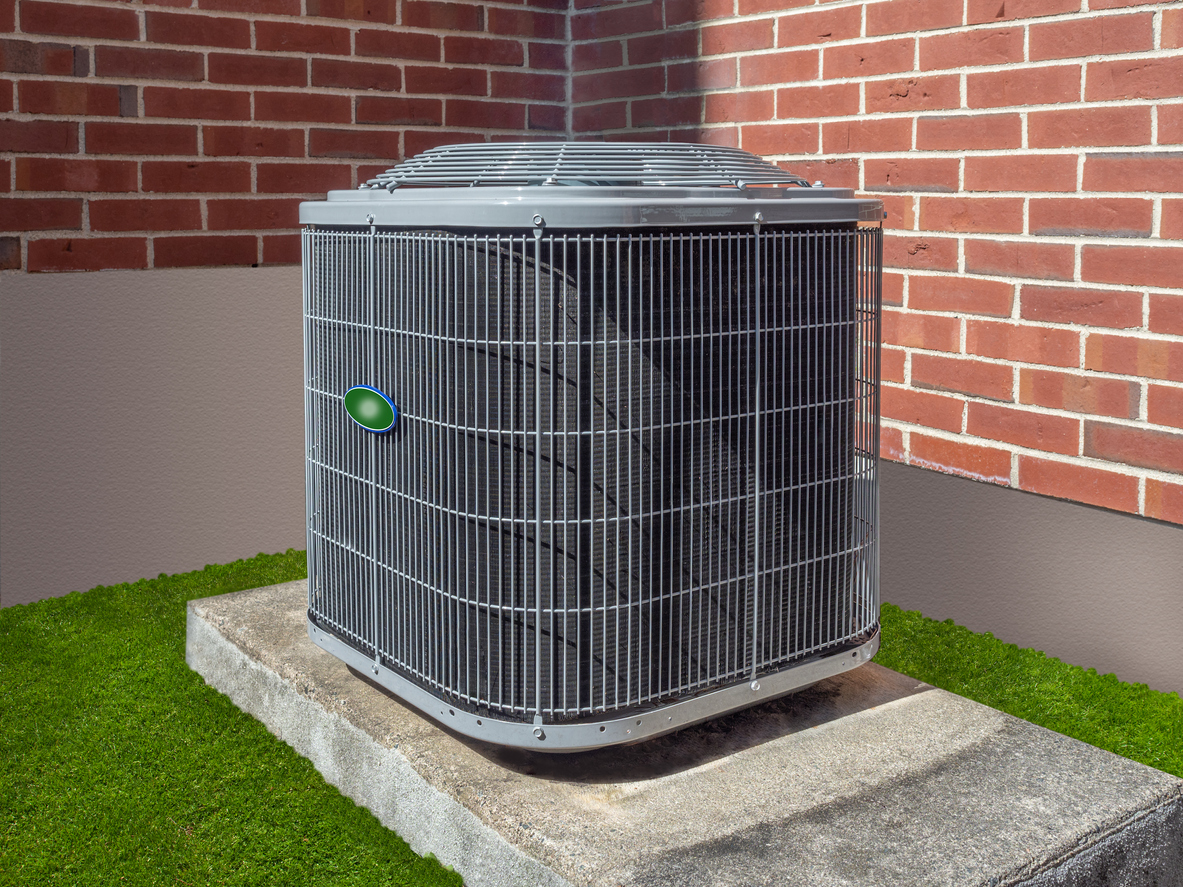
Simply put, the condenser pad is the platform that holds up your condenser unit. Your condenser isn’t light equipment—most units weigh several hundred pounds—so the pad needs to be strong enough to support this weight.
The pad serves several crucial functions:
- Provides structural support for the heavy condenser unit
- Keeps the unit level for proper operation
- Prevents sinking into soft ground over time
- Creates clearance between the unit and ground, improving airflow
- Reduces contact with moisture from rain and soggy soil
- Helps keep dust, debris, and bugs from entering the condenser from below
Your condenser pad should be part of your HVAC’s yearly checkup to ensure it remains structurally sound.
Do You Need a Condenser Pad?
Absolutely. Without a condenser pad, HVAC technicians can’t properly install your system. Beyond providing necessary structure, the pad prevents your heavy unit from gradually sinking into the ground, which would compromise performance and potentially damage components.
Choosing the Right Condenser Pad
Since your condenser pad is important for system health and performance, what should you consider when selecting one?
Durability: Your pad must support several hundred pounds for 15-25 years (the typical lifespan of an HVAC system). You don’t want to replace the pad before the unit—lifting and moving a condenser to install a new pad requires serious effort.
Water and Weather Resistance: Since the pad sits on the ground outdoors, it must withstand rain, soggy soil, snow, and UV exposure. Look for weatherproof options that resist moisture damage and won’t degrade in sunlight.
Height: Depending on your soil type and drainage, you may need a pad that sits higher off the ground. If you live in an area prone to flooding or have soft soil, extra height protects your investment. While condensers can handle rain, complete flooding is another matter.
Materials: Concrete is the most common material, but not your only option. Modern pads include composite materials, eco-friendly recycled plastics, and even carbon fiber. Newer materials often provide excellent UV resistance and water protection. As condenser units become lighter, material options expand.
If this seems overwhelming, consult your local HVAC service provider. They can guide you through the selection process and recommend the right pad for your situation.
Common Causes of Condenser Problems
When things go wrong with your condenser, you’ll definitely feel it in your home’s comfort level. Here are the most common causes of condenser malfunctions:
Debris and Obstructions
Your condenser needs room to breathe. Direct airflow is essential to operation—when debris or obstructions block this airflow, cooling performance suffers.
The best prevention is adding “clear debris around outdoor unit” to your monthly maintenance checklist. Keep at least two feet of clearance around your condenser. Trim back vegetation, remove leaves and twigs, and ensure nothing blocks the unit. This simple maintenance prevents headaches and costly repairs.
Dirty Condenser Coils
Just as debris can clog your condenser’s exterior, the condenser coils themselves can accumulate dirt and grime. Dirty coils prevent proper airflow and heat exchange, causing your system to perform poorly—putting warm air through your vents and making your home muggy.
Include condenser coil inspection and cleaning in your maintenance routine. Neglecting this can cause your system to overheat, potentially damaging both the compressor and condenser itself.
Pressure Problems
Your HVAC system operates within specific pressure ranges. Abnormal pressure can cause condenser failure. You can check this by examining the pressure gauge on your outdoor unit—consult your user manual for proper operating pressure ranges.
If readings are abnormal, call a professional. While you might think you can fix pressure issues yourself, improper handling can lead to expensive damage. The average full unit replacement costs around $5,000—professional diagnosis is worth the investment.
Refrigerant Leaks
Refrigerant is the lifeblood of your system. Your AC relies on an intimate balance of pressure and temperature changes throughout the refrigerant cycle. When leaks occur through cracks, holes in lines, or worn fittings, this delicate balance is disrupted.
Refrigerant leaks mean your condenser can’t do its job properly. Only professional HVAC repair technicians should handle refrigerant issues—these substances require special handling and equipment.
Electrical Issues
Your condenser relies on steady electricity to function. Problems with electrical relays, wiring, or capacitors can cause malfunctions or complete failure.
Warning signs include:
- Clicking sounds when the unit starts
- Unit won’t turn on at all
- Frequent circuit breaker trips
If you hear clicking every time your unit starts, you likely have failing relays that need replacement. For any electrical problems, always consult a professional—home electrical safety is paramount. You don’t want to damage equipment or risk personal injury.
Preventing Condenser Problems
Schedule Regular Professional Service
Monthly Maintenance Checklist
Between professional visits, perform these simple tasks:
- Clear debris from around the outdoor unit
- Visually inspect condenser coils for dirt buildup
- Check that the condenser pad remains level
- Ensure at least two feet of clearance on all sides
- Listen for unusual sounds when the system runs
When to Call for Professional Help
While basic maintenance like clearing debris is DIY-friendly, condenser repairs require professional expertise. Call for service when you notice:
- Warm air from vents despite running AC
- Unusual sounds from the outdoor unit
- Visible refrigerant leaks or ice formation
- Electrical issues or frequent breaker trips
- Significant performance decline
- Any physical damage to the condenser unit
Trust Dial One Johnson for Condenser Solutions
At Dial One Johnson Plumbing, Cooling & Heating, our certified technicians bring decades of experience to every service call. We understand how critical your condenser is to home comfort, especially during Texas summers.
Whether you need condenser repair, replacement, routine maintenance, or guidance on condenser pad selection, we’re here to help. We’ll diagnose issues accurately, explain your options clearly, and provide solutions that make sense for your home and budget.
Don’t let condenser problems compromise your comfort. Our team can address your AC needs quickly, efficiently, and at a fair price.
For professional AC service you can trust, contact Dial One Johnson Plumbing, Cooling & Heating at 972-291-0740 or reach out online to schedule an appointment.