
If you’re “wondering how does a heat pump work in winter?” you’re not alone! There’s actually plenty of heat energy in cold air, and heat pumps excel at grabbing this heat. With some clever physics, they can keep you warm even when it’s freezing outside.
As one of the top-rated heating services in Farmers Branch, TX, Dial One Johnson Plumbing, Cooling & Heating explains how a heat pump can heat your home even when it’s chilly outside. Keep reading to learn how these systems work and how to make sure yours runs smoothly all year long.
How Heat Pumps Work in the Winter
So, how does a heat pump work in winter? The system relies on a refrigeration cycle for heat transfer, similar to your fridge, but in reverse.
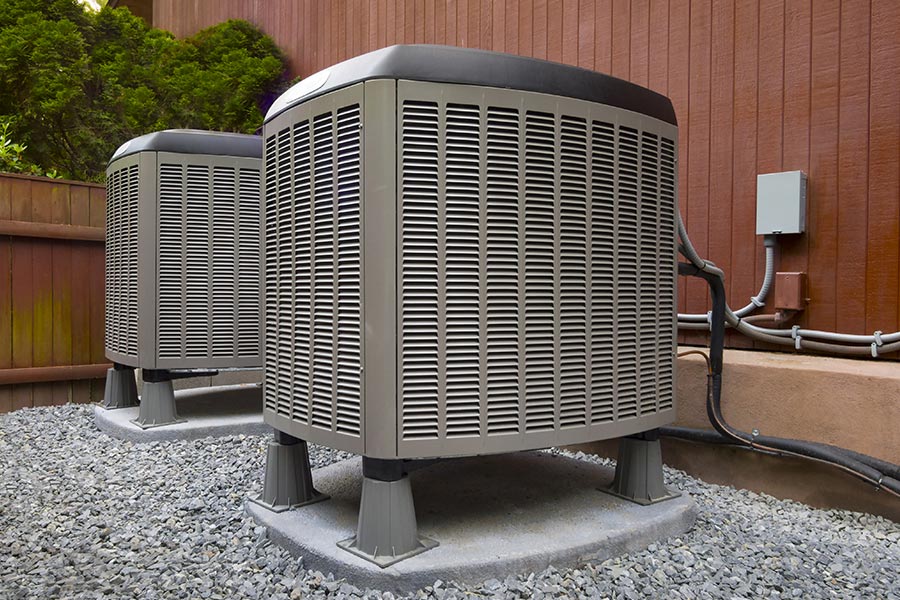
It uses a special fluid called refrigerant that absorbs and releases heat as it changes from liquid to gas. Since the air still contains some heat even in cold weather, the heat pump’s outdoor unit collects this heat through the refrigerant, which evaporates (turns from liquid to gas) as it absorbs energy.
This process happens in the evaporator, where the refrigerant absorbs heat from the outside air. The compressor then increases the pressure of the gas, which raises its temperature. The hot gas flows through indoor coils, releasing warmth into your home.
Next, the refrigerant cools and condenses in the condenser, releasing more heat into the air to further warm your home.
After warming your home, the cooled refrigerant heads back outside to pick up more heat. Even when it’s a chilly 5°F outside, your heat pump can keep stealing heat from the cold air to keep you cozy, all while using less energy than traditional heating.
Heat Pumps at Extremely Low Temperatures
Heat pumps work great in mild weather, but they face real challenges when temperatures drop below freezing. When frost builds up on a heat pump in winter, the system typically runs a defrost cycle that melts away the ice in about 10 to 15 minutes.
But the colder it gets outside, the harder the heat pump has to work to warm your home. If the cold lasts for a while, the system switches to emergency heat, which can cost a pretty penny.
If you live somewhere that gets seriously cold in winter, you might want to think twice about a heat pump. Gas furnaces tend to work better when temperatures really drop. But if your heart’s set on a heat pump, just make sure to get one that’s built for freezing weather.
Advantages of Using Heat Pumps in Winter
How does a heat pump work in winter? A heat pump grabs warmth from outside air and moves it into your house. Unlike traditional furnaces that burn fuel to create heat, a heat pump simply shuffles heat around. It’s a two-in-one marvel—it pulls heat from outside air in winter and removes indoor heat in summer. Ultimately, you’ll get a warm, cozy home and a happier planet.
Heat pumps do more than heat and cool; they clean your indoor air while running. They’re reliable, need little maintenance, and cost less than traditional systems.
How to Keep Your Heat Pump Working Efficiently During Winter
Nobody wants their heat to quit when it’s freezing outside. While heat pumps are pretty low-maintenance compared to traditional AC units, they still need some TLC to keep your home cozy all winter long.
Here are some tips:
Change Filters Regularly
Those air filters need changing once a month or more often, especially during heavy use. Keep the air clean and the unit running smoothly.
Clear Outdoor Components
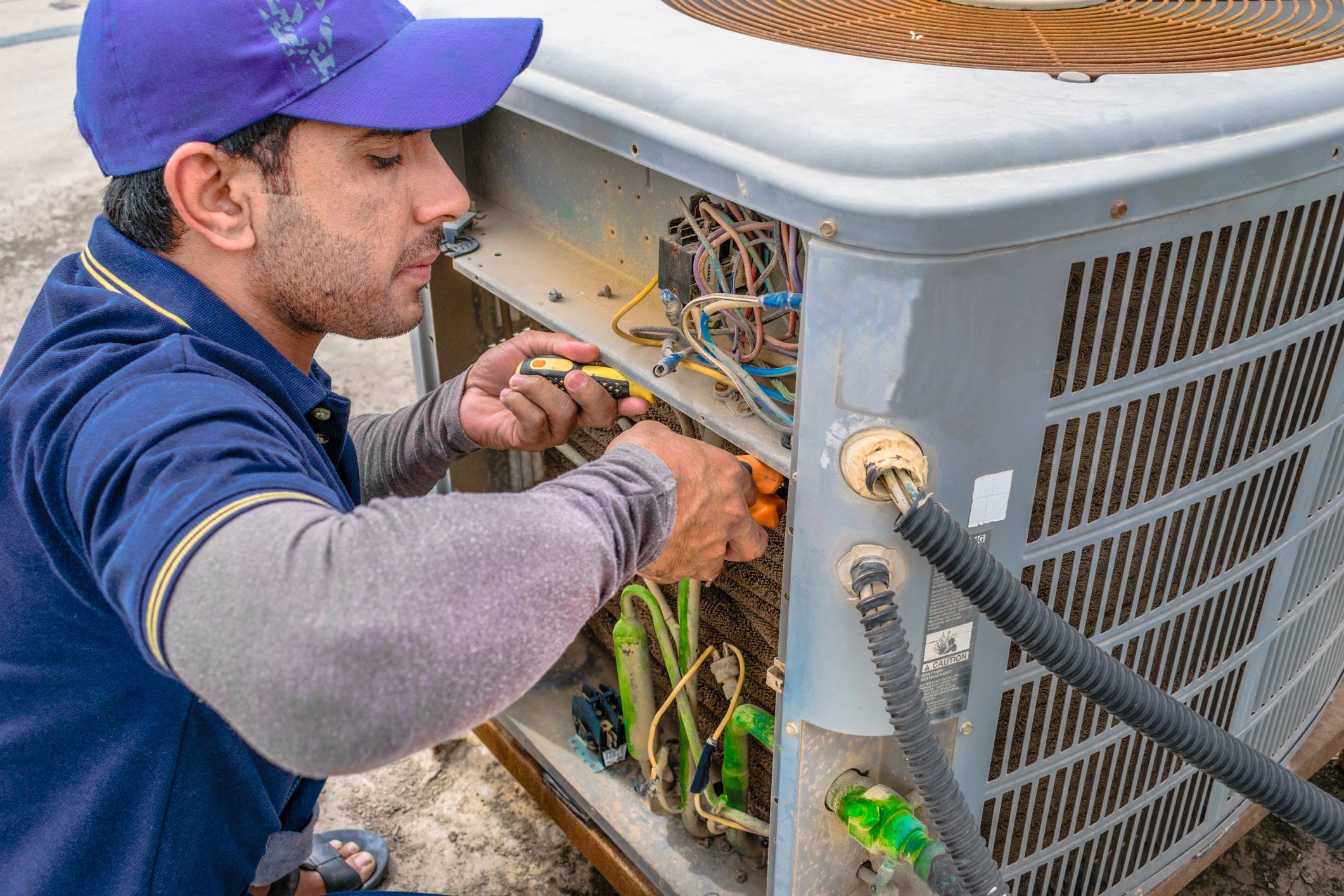
Your outdoor unit needs breathing room. Sweep away any leaves, ice, or debris that pile up, and keep furniture, plants, or your kid’s toys at least two feet away. Your heat pump will thank you with better performance.
Schedule Maintenance
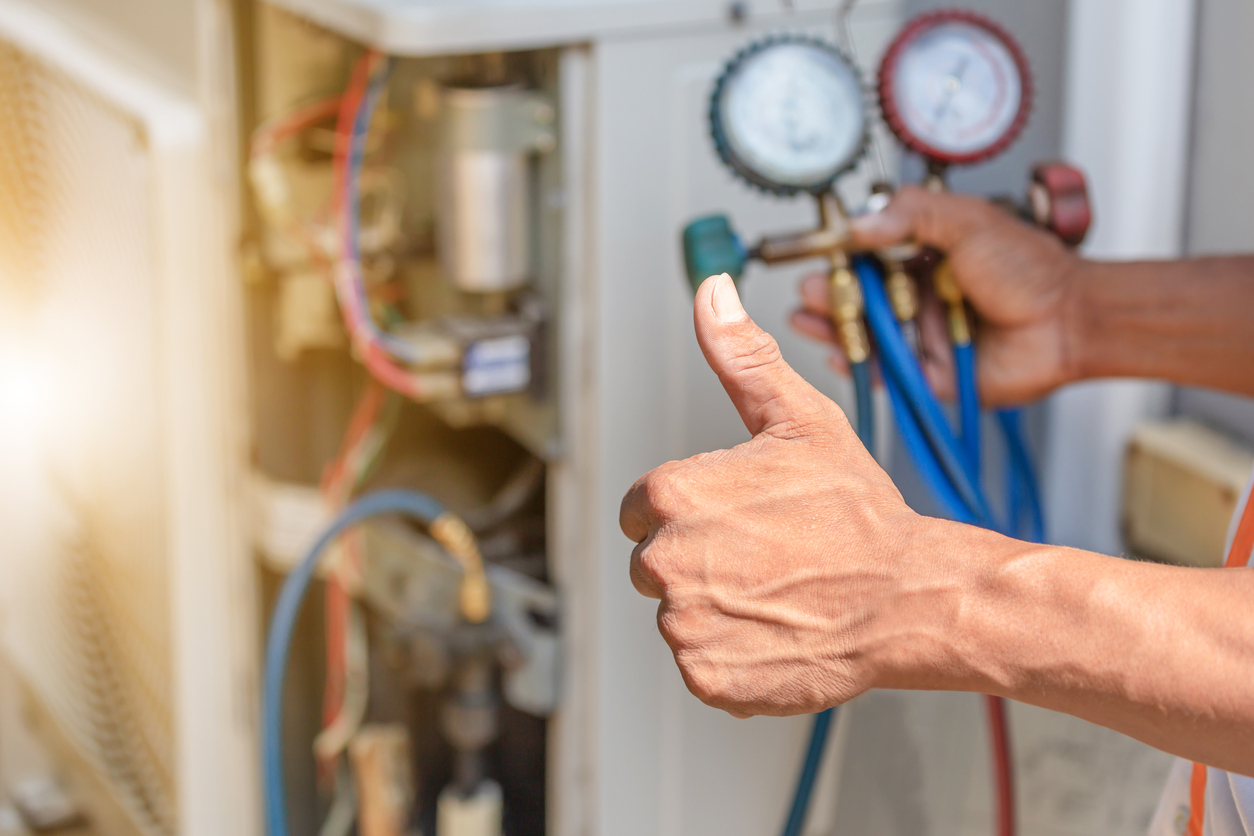
Book a professional check-up twice a year. It’s way cheaper than emergency repairs. The expert will inspect internal components and ensure everything is functioning well.
Wait a Moment After Power Issues
If your power goes out or a breaker trips, resist the urge to fire up your heat pump right away. Give it at least six hours to reset.
If something seems off, don’t ignore it. Call an HVAC expert before a small issue becomes a big headache.
Contact Your Local Heat Pump Experts
Understanding how a heat pump works in winter can help you stay warm cost-effectively. While there are some differences between heat pumps and furnaces, both do a great job of keeping you cozy. If you need help, contact us at Dial One Johnson Plumbing, Cooling & Heating.