
As Texans, we understand the unique challenges of managing home energy, especially during extreme weather conditions. Whether it’s the scorching heat of summer or unexpected winter storms, our state’s power grid faces significant demands that can sometimes lead to rolling blackouts and energy conservation requests.
At Dial One Johnson Plumbing, Cooling & Heating, we believe that understanding these challenges—and having a solid preparation plan—brings peace of mind to you and your family. This guide will help you understand ERCOT grid conditions, the importance of energy conservation, and practical steps to keep your home comfortable and powered no matter what the Texas grid brings.
Understanding ERCOT and Texas Grid Conditions
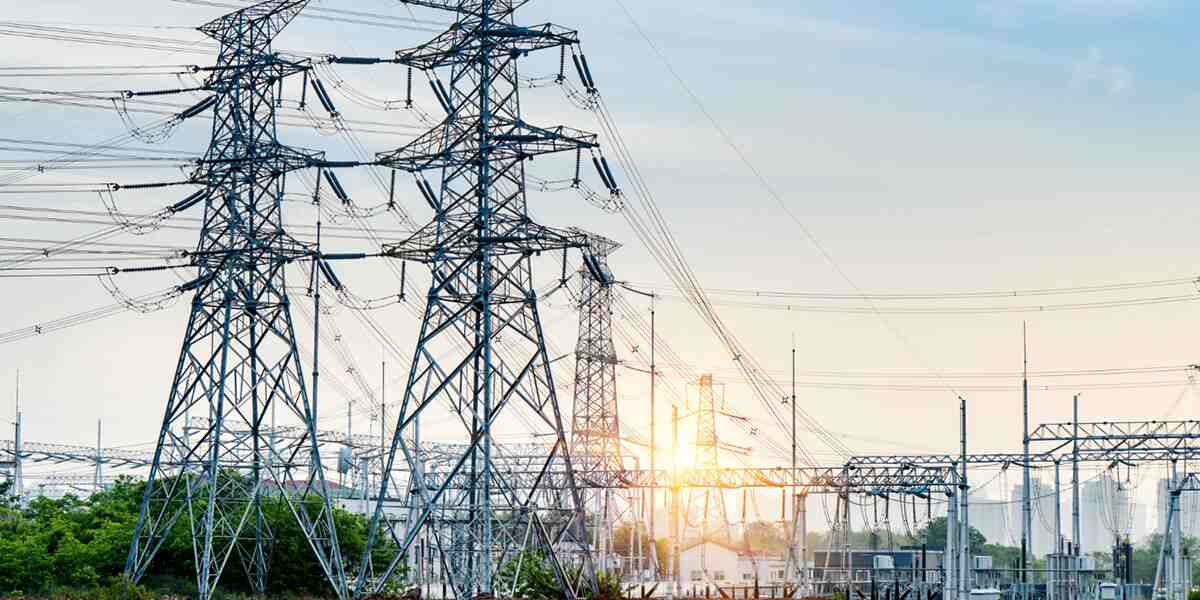
The Electric Reliability Council of Texas (ERCOT) manages the electrical grid for more than 26 million customers across the Lone Star State. Their responsibility extends beyond ensuring a reliable grid—they oversee the electricity market, coordinate with various stakeholders, and plan for future energy needs.
How ERCOT Monitors Grid Health
ERCOT operates a comprehensive dashboard that provides real-time insights into Texas’s power network. The system categorizes the grid’s operational status into five color-coded levels, each representing different conditions:
Green (Normal Conditions): The system is stable with over 3,000 megawatts (MW) of operating reserves available. Everything is running smoothly.
Yellow (Conservation Needed): Operating reserves have dropped below 3,000MW. This is when ERCOT asks consumers and businesses to reduce electricity use to help maintain grid reliability.
Orange (Emergency Level 1): Operating reserves have fallen below 2,300MW and may not recover within 30 minutes. Additional measures are implemented to avoid further depletion of reserves. No controlled outages at this stage.
Red (Emergency Level 2): A more serious situation with operating reserves below 1,750MW and no expectation of recovery within 30 minutes. This indicates a higher risk of outages if conditions don’t improve.
Black (Emergency Level 3): The highest state of emergency. Controlled outages begin as operating reserves dip below 1,000MW. These rolling blackouts are a last resort to prevent a more extensive, uncontrolled blackout across the state.
On the ERCOT website, you can monitor real-time data on energy supply, operational reserves, energy demand, and system-wide wholesale electricity prices. By staying informed about these conditions, you can adjust your energy usage accordingly and contribute to grid stability.
What Causes Grid Stress and Rolling Blackouts
Several factors can strain Texas’s power grid and lead to rolling blackouts:
Extreme Weather Impacts: Both severe heat waves and winter storms can drastically increase electricity demand while simultaneously impairing power generation. Many of the state’s power plants face operational challenges during temperature extremes, creating an imbalance between heightened demand and reduced supply.
Isolated Grid System: Texas’s electrical grid operates largely independently, making it difficult to import electricity from other regions during crises.
Natural Gas Supply Disruptions: The state relies heavily on natural gas for electricity generation. During extreme weather, the natural gas supply chain can experience disruptions, from frozen wellheads to inoperative pumps.
Infrastructure Limitations: Some power generation facilities, including renewable energy sources, may not be fully equipped for extreme weather conditions that fall outside normal operating parameters.
Understanding these factors helps you recognize when grid stress is likely and when conservation efforts become most critical.
Why Texas Energy Conservation Matters
The Real Impact of Conservation
When thousands of Texans simultaneously reduce their energy consumption during peak demand periods, it can prevent the grid from reaching emergency levels. This collective effort helps ERCOT maintain adequate operating reserves and avoid the need for controlled outages.
Recent power challenges across Texas have underscored how conserving energy alleviates strain on the grid, ensuring stability during times of stress. By working together as a community, we can create a more resilient energy system for all Texans.
Your Air Conditioning System's Role
Practical Energy Conservation Steps
Optimize Your HVAC System
- Schedule professional AC maintenance at least twice yearly
- Replace air filters regularly (every 1-3 months)
- Set your thermostat a few degrees higher in summer and lower in winter
- Use a programmable or smart thermostat to automatically adjust temperatures during peak hours
Upgrade Your Lighting and Electronics
- Switch to LED bulbs: They’re significantly more energy-efficient than traditional incandescent bulbs and last much longer
- Unplug electronics when not in use: Many devices consume energy even when turned off
- Use smart power strips: These detect when devices are in standby mode and cut off power automatically
Improve Your Home's Efficiency
- Insulate properly: Good insulation keeps your home cooler in summer and warmer in winter, reducing HVAC demands
- Seal air leaks: Check windows, doors, and other openings for drafts
- Opt for Energy Star appliances: When replacing appliances, choose models that meet energy efficiency guidelines
Adjust Daily Habits
- Turn off unnecessary lights, especially during peak demand hours (typically 3-8 PM)
- Run major appliances like dishwashers and washing machines during off-peak hours
- Keep blinds and curtains closed during the hottest part of the day
- Be mindful of energy consumption during ERCOT conservation alerts
Participate in Conservation Programs
- Sign up for energy alerts: ERCOT and utility companies issue conservation notices—staying informed helps you respond when it matters most
- Join demand response programs: Many utility companies incentivize consumers to reduce electricity use during peak times
- Monitor your usage: Smart meters or energy monitoring systems help you understand and manage consumption more effectively
Preparing Your Home for Rolling Blackouts
While conservation efforts help prevent grid emergencies, it’s wise to prepare for the possibility of rolling blackouts. Having a solid preparation plan ensures your family’s safety and comfort during power outages.
Understanding Rolling Blackouts
Rolling blackouts are controlled, temporary outages that utility companies implement to prevent the entire grid from being overwhelmed. These outages are planned in a controlled manner to minimize disruption, often rotating through different areas so no single location is without power for extended periods.
These outages are most likely during:
- Extreme weather conditions (heat waves or severe storms)
- Periods when electricity demand spikes
- Times when energy grid infrastructure faces challenges
While the exact duration of rolling blackouts can vary, understanding when they’re more likely helps you prepare appropriately.
The Importance of Backup Power
One of the most reliable ways to prepare for rolling blackouts is investing in a backup generator. Generators keep essential appliances running—like refrigerators, medical equipment, and heating or cooling systems—ensuring your home remains safe and comfortable during outages.
Types of Generators to Consider:
- Portable Generators: More affordable and movable, these are ideal for powering a limited number of essential appliances during occasional outages.
- Standby Generators: Permanently installed outside your home, these automatically activate during an outage, providing uninterrupted electricity to your entire house without any action required on your part.
- Inverter Generators: Known for quiet operation and efficiency, these generators provide stable power output suitable for sensitive electronic devices.
Each type has advantages depending on your needs, home size, essential appliances, and budget. Our team can help you determine which option provides the best solution for your situation.
Choosing the Right Generator
When selecting a generator, consider these factors:
Fuel Source: Generators run on gasoline, diesel, propane, or natural gas. Each fuel type has pros and cons regarding availability, storage safety, and running costs. Gasoline is readily available but has a shorter shelf life, while natural gas generators can connect directly to your home’s gas line.
Power Output: Determine which appliances and systems you need to power during an outage. This will dictate the generator size required.
Safety Features: Look for built-in safety features like carbon monoxide detectors and automatic shut-offs to enhance safe operation.
Installation Requirements: Standby generators require professional installation and permits, while portable units offer more flexibility but require manual setup.
Alternative Power Solutions
Beyond traditional generators, consider these options:
Solar Power Systems: Solar panels can provide electricity using the sun’s energy. With battery storage, solar systems can keep your home powered even during extended outages, reducing dependence on the grid entirely.
Battery Backup Systems: For homes with solar panels, battery storage systems can store excess energy for use during outages or peak pricing periods.
Essential Emergency Supplies
Having a well-stocked emergency kit helps you navigate rolling blackouts successfully. Beyond backup power, keep these supplies readily accessible:
Lighting and Communication:
- Flashlights with extra batteries
- Battery-powered or hand-crank radio for news and weather updates
- Candles and matches (use with caution)
- Fully charged portable phone chargers
Food and Water:
- At least one gallon of water per person per day for three days (for drinking and sanitation)
- Non-perishable food items
- Manual can opener
Comfort and Safety:
- First-aid kit
- Warm clothing and blankets (in case heating is affected)
- Emergency contact list (physical copy in case phones die)
Vehicle Preparedness:
- Keep your car’s gas tank at least half full
- This ensures you can charge devices or seek shelter if needed
Safety Measures During Power Outages
When power outages occur, prioritize safety:
Generator Safety:
- Never overload generators—understand their capacity and only connect essential appliances
- Always operate generators outdoors in well-ventilated areas, never in garages or enclosed spaces
- Follow all manufacturer guidelines for safe operation
Electrical Hazards:
- Stay away from downed power lines and treat every line as live
- Report downed lines to your utility company immediately
- Unplug appliances and electronics to prevent damage from power surges when electricity returns
- Leave one light on so you know when power is restored
Food Safety:
- Keep refrigerator and freezer doors closed to maintain temperature
- A closed refrigerator can keep food cold for about four hours
- A full freezer can maintain temperature for approximately 48 hours
Community Support:
- Check on elderly or vulnerable neighbors who may need assistance
- Share information about outage duration and safety tips
Stay Informed:
- Sign up for alerts from your utility company and ERCOT
- Monitor local news and weather forecasts for updates on grid status
- Use social media and community groups for real-time information
- Download apps that provide notifications for power outages and emergency situations
How Dial One Johnson Supports Your Energy Management
At Dial One Johnson Plumbing, Cooling & Heating, we understand the importance of reliable energy management and the peace of mind that comes from being prepared. Our family-owned business has been serving the Dallas area for decades, and we’re committed to helping you navigate Texas’s unique energy challenges.
Our Generator Services
We offer comprehensive generator services to keep your home powered when you need it most:
- Generator installation: Professional setup of standby or portable generators tailored to your home’s needs
- Generator maintenance: Regular servicing to ensure your backup power system is always ready
- Generator repair: Quick, efficient repairs to get your system back online
HVAC Efficiency Solutions
Beyond backup power, we help you maximize your home’s energy efficiency:
- AC maintenance and tune-ups: Regular service improves efficiency and reduces energy consumption
- System upgrades: Modern, energy-efficient HVAC systems that reduce your overall energy demand
- Expert advice: Guidance on optimizing your home’s energy use for both comfort and conservation
Why Choose Dial One Johnson
As a family-owned business serving Cedar Hill, Midlothian, Grand Prairie, and South Dallas, we bring:
- Local expertise: We understand Texas weather patterns and grid challenges
- Honest, transparent service: Fair pricing with no surprises
- Technical excellence: Highly trained, certified technicians committed to quality workmanship
- Community focus: We’re your neighbors, invested in strengthening our shared community
Moving Forward With Confidence
Texas energy conservation and power outage preparation are more than responsibilities—they’re community efforts where each of us plays a vital role. By understanding ERCOT grid conditions, implementing energy conservation practices, and preparing your home with backup power solutions, you can maintain comfort and safety for your family regardless of grid conditions.
The challenges our Texas grid faces are real, but with proper preparation and community cooperation, we can navigate them successfully. Whether it’s through efficient HVAC maintenance, smart energy conservation, or reliable backup power systems, Dial One Johnson Plumbing, Cooling & Heating is here to support your efforts.
Remember, small actions add up. When thousands of Texans conserve energy during peak times and prepare their homes for potential outages, we collectively create a more stable and resilient energy system. Together, we can ensure reliable power and comfortable homes for all Texans.
For more information about generator services, HVAC maintenance, or energy conservation solutions for your home, contact our team at 972-291-0740 or reach out online. Let’s work together to keep your home safe, comfortable, and powered.